

Bernini e il Colonnato: un capolavoro barocco
Il Colonnato progettato da Gian Lorenzo Bernini è la ‘machina heroica’ voluta fortemente da papa Alessandro VII Chigi per accogliere i cristiani e riportare gli eretici verso la fede, come lui stesso scrisse.
Quel grande abbraccio di colonne in travertino, sormontate dai 140 Santi che si affacciano si Piazza San Pietro, è uno scenario teatrale. Bernini iniziò a progettare la grande opera nel 1656 che venne portata a termine nel 1673.
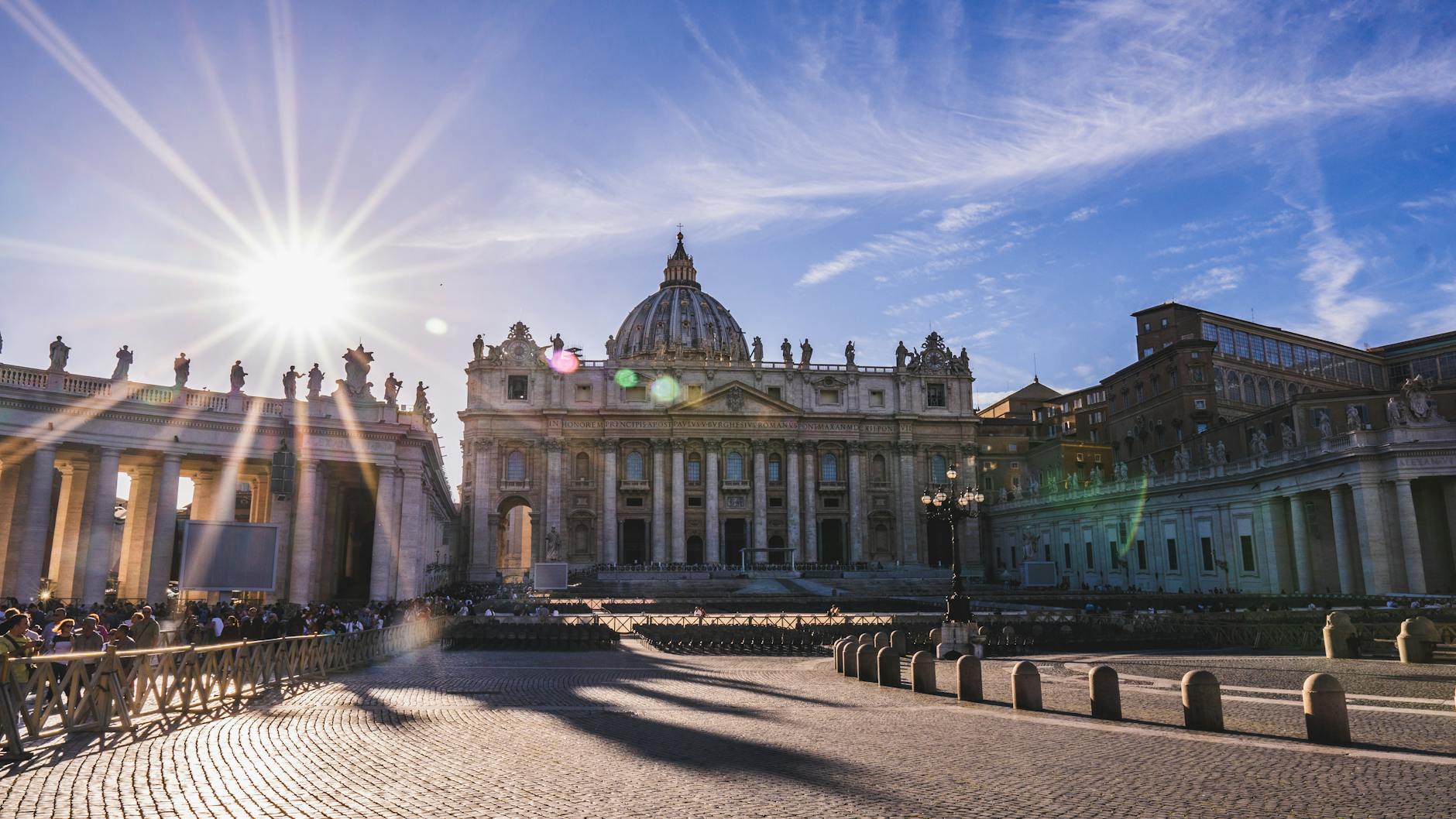
In meno di vent’anni riuscì a far posare 44mila metri cubi di travertino distribuiti tra le 284 colonne e le 140 sculture. Un’impresa colossale che richiese un’organizzazione molto complessa e l’aiuto di un gran numero di collaboratori particolarmente efficienti.
All’inizio del cantiere, le maestranze messe in gioco erano i sanpietrini. Il pontefice non ne voleva sapere di appalti affidati ad altri perché, a suo dire “il lavoro fatto con sparagno riesce sempre meno buono”.6
A un certo punto però pure il pontefice si dovette arrendere. I tempi di esecuzione si stavano allungando troppo e fu necessario ricorrere ad altri aiuti esterni.
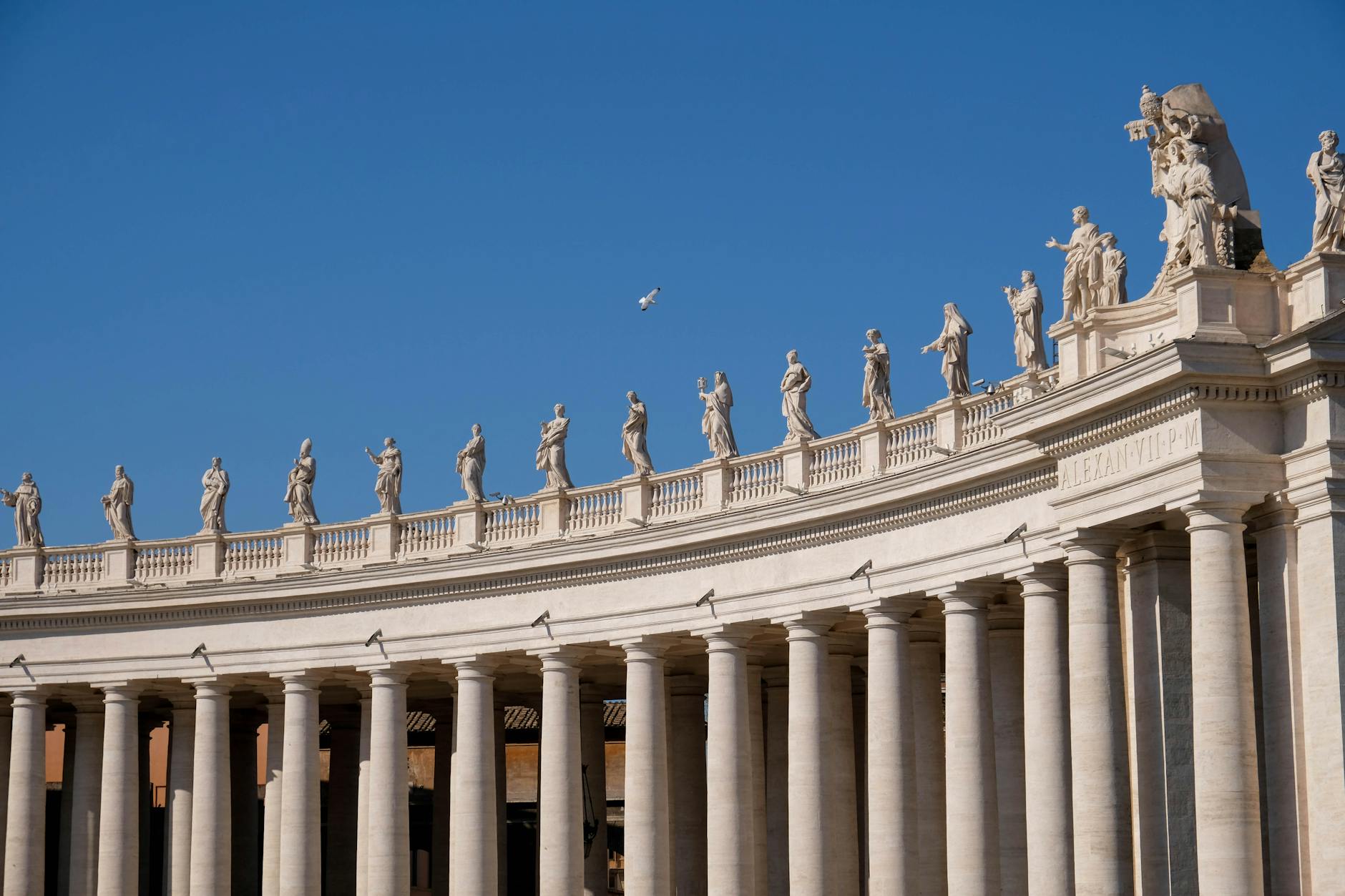
Oltre al problema relativo alle maestranze, la curia dovette far fronte a spese enormi. Fu Monsignor Virginio Spada, architetto e uomo di curia, a farsi carico di reperire i soldi necessari a mandare avanti i lavori. In alcuni frangenti fu costretto a fare economia, risparmiando anche sulla qualità del travertino che in alcune zone è di qualità nettamente inferiore.
Bernini aveva in mente un’opera grandiosa, teatrale. La completò ponendo al di sopra del colonnato le 140 sculture che sorvegliano i fedeli dall’alto. Riproducono figure di Santi, martiri e dottori della chiesa ma anche fondatori di ordini.
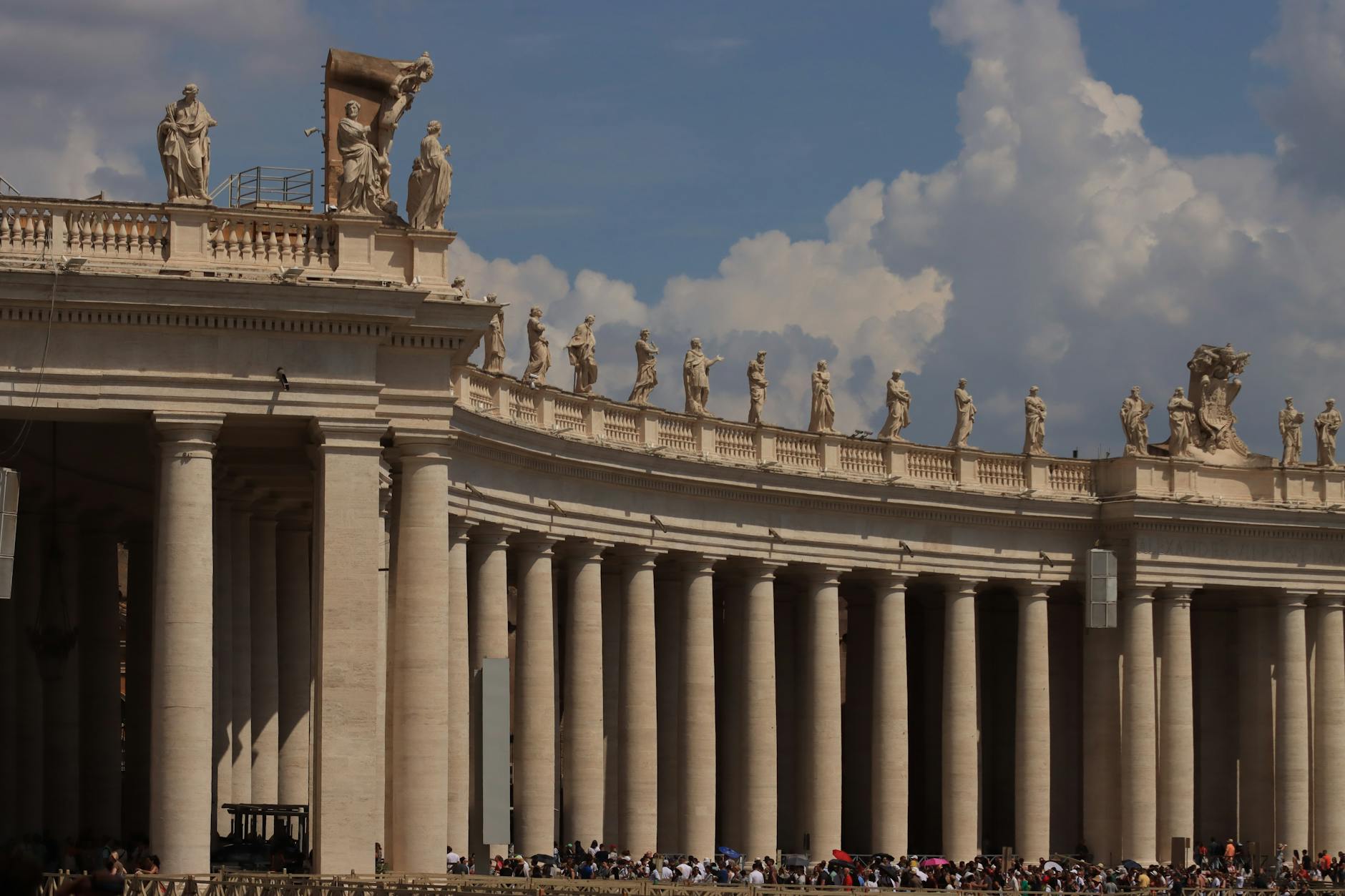
Nella zona sinistra più prossima alla facciata della Basilica ci sono i martiri che per aver diffuso e difeso il cristianesimo furono barbaramente uccisi e i fondatori dei primi ordini religiosi. Sulla destra invece fanno la loro comparsa vescovi ma anche papi e fondatori di ordini meno antichi.
Per realizzare i Santi, si premurò di fornire alcuni disegni allo scultore Lorenzo Morelli coadiuvato da
numerosi altri artisti come Bartolomeo Cennini, Giovan Maria de’ Rossi, Filippo Carcani, Michele Maglia, Giuseppe Mazzuoli per metter mano a quelle colossali opere.
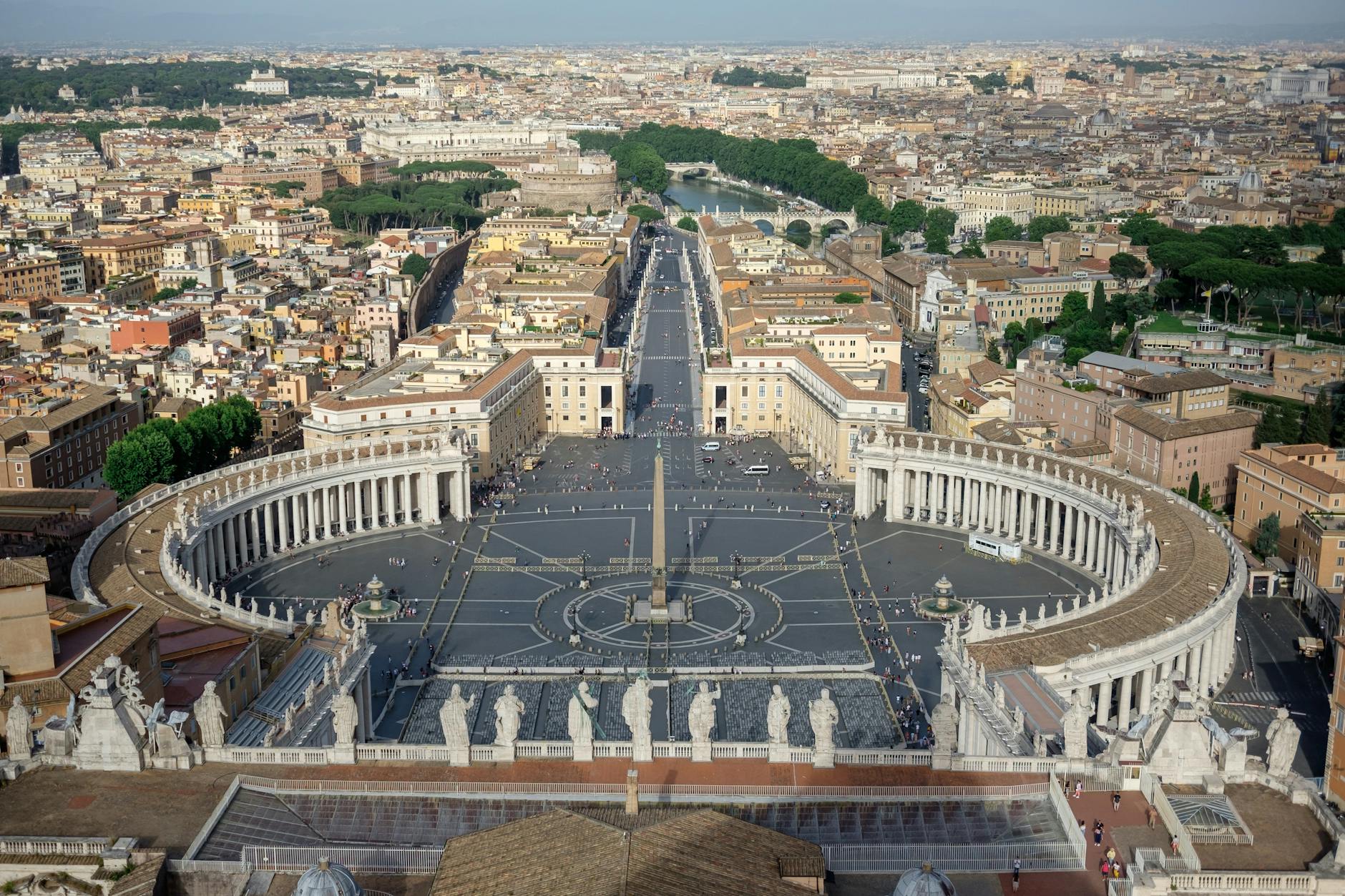
Le file di colonne hanno una leggera convergenza in direzione della basilica: in questo modo la piazza ha un più ampio respiro e la facciata di San Pietro sembra molto più vicina a chi arriva in piazza di quanto in realtà sia.
Il Colonnato di San Pietro ebbe inoltre un’utilità pubblica fondamentale per risollevare la città di Roma in un momento a dir poco drammatico. Ma questa è un’altra storia che ho avuto modo di raccontarvi nel dettaglio QUA.
Il centro della piazza è indicata dal grande obelisco di granito rosso, proveniente dal circo di Nerone. L’obelisco raggiunge un’altezza di oltre 33 metri, calcolando anche gli 8,25 metri della base. E’ lo stesso obelisco che viene citato da Plinio il vecchio nella Naturalis Historia, scritto nel I secolo d.C. Fu realizzato per il faraone Amenemhet II ed eretto a Eliopoli (Egitto) per onorare il Sole.
Pensate quanta storia e quanti passaggi di proprietà ci sono dietro questo grande obelisco realizzato in un blocco unico.
Il sempre vostro Michelangelo Buonarroti vi saluta dandovi appuntamento ai prossimi post e sui social.
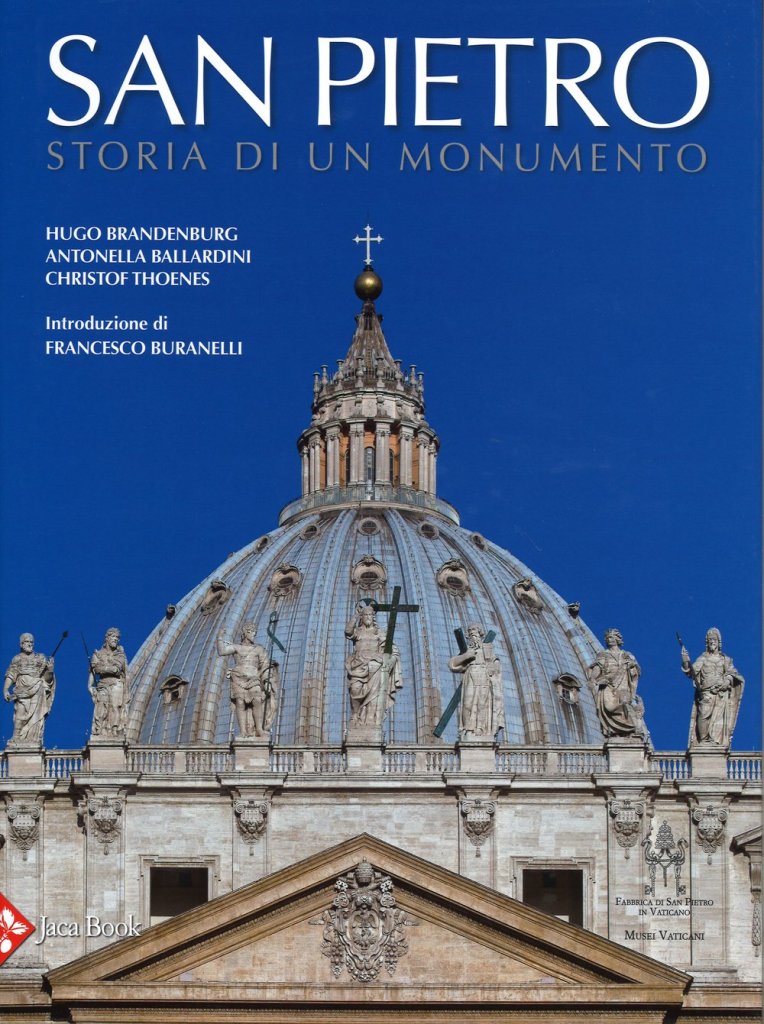
Bernini and the Colonnade: a Baroque masterpiece
The Colonnade designed by Gian Lorenzo Bernini is the ‘machina heroica’ strongly desired by Pope Alexander VII Chigi to welcome Christians and bring heretics back to the faith, as he himself wrote.
That great embrace of travertine columns, surmounted by the 140 Saints overlooking St. Peter’s Square, is a theatrical setting. Bernini began designing the great work in 1656, which was completed in 1673.
In less than twenty years he managed to lay 44 thousand cubic meters of travertine distributed among the 284 columns and the 140 sculptures. A colossal undertaking that required a very complex organization and the help of a large number of particularly efficient collaborators.
At the beginning of the construction site, the workers involved were the cobblestones. The pontiff did not want to hear about contracts awarded to others because, in his opinion, “work done with stinginess is always less good”. At a certain point, however, even the pontiff had to give up. The execution times were becoming too long and it was necessary to resort to other external help.
In addition to the problem of workers, the curia had to face enormous expenses. It was Monsignor Virginio Spada, architect and man of the curia, who took charge of finding the money necessary to continue the work. In some situations he was forced to economize, also saving on the quality of the travertine which in some areas is of a markedly inferior quality.
Bernini had in mind a grandiose, theatrical work. He completed it by placing 140 sculptures above the colonnade that watch over the faithful from above. They reproduce figures of Saints, martyrs and doctors of the church but also founders of orders.
In the left area closest to the facade of the Basilica there are the martyrs who were barbarously killed for having spread and defended Christianity and the founders of the first religious orders. On the right instead there are bishops but also popes and founders of less ancient orders.
To create the Saints, he took care to provide some drawings to the sculptor Lorenzo Morelli assisted by
numerous other artists such as Bartolomeo Cennini, Giovan Maria de’ Rossi, Filippo Carcani, Michele Maglia, Giuseppe Mazzuoli to get to grips with those colossal works.
The rows of columns have a slight convergence in the direction of the basilica: in this way the square has a wider breath and the facade of St. Peter’s seems much closer to those who arrive in the square than it actually is.
The Colonnade of St. Peter also had a fundamental public utility in uplifting the city of Rome in a dramatic moment to say the least. But this is another story that I had the opportunity to tell you in detail HERE.
The center of the square is marked by the large red granite obelisk, from Nero’s Circus. The obelisk reaches a height of over 33 meters, including the 8.25 meters of the base. It is the same obelisk that is mentioned by Pliny the Elder in the Naturalis Historia, written in the 1st century AD. It was built for the pharaoh Amenemhet II and erected in Heliopolis (Egypt) to honor the Sun.
Think how much history and how many changes of ownership there are behind this large obelisk made from a single block.
Yours ever Michelangelo Buonarroti greets you and gives you an appointment for the next posts and on social media.

Sostienici – Support Us
Se questo blog ti piace e ti appassiona, puoi aiutarci a farlo crescere sempre più sostenendoci in modo concreto condividendo i post, seguendo le pagine social e con un contributo che ci aiuta ad andare avanti con il nostro lavoro di divulgazione. . ENGLISH: If you like and are passionate about this blog, you can help us make it grow more and more by supporting us in a concrete way by sharing posts, following social pages and with a contribution that helps us to move forward with our dissemination work.
10,00 €

Condividi:


Questo sono io





sostienici

Sostienici – Support Us
Se questo blog ti piace e ti appassiona, puoi aiutarci a farlo crescere sempre più sostenendoci in modo concreto condividendo i post, seguendo le pagine social e con un contributo che ci aiuta ad andare avanti con il nostro lavoro di divulgazione. . ENGLISH: If you like and are passionate about this blog, you can help us make it grow more and more by supporting us in a concrete way by sharing posts, following social pages and with a contribution that helps us to move forward with our dissemination work.
€10,00


Buon Natale, maestro! 🥂💫🎄❤️🌟
"Mi piace"Piace a 1 persona
Grazie, buon Natale :-*
"Mi piace"Piace a 1 persona
Grazie di cuore! ❤️
"Mi piace"Piace a 1 persona
:-*
"Mi piace""Mi piace"