
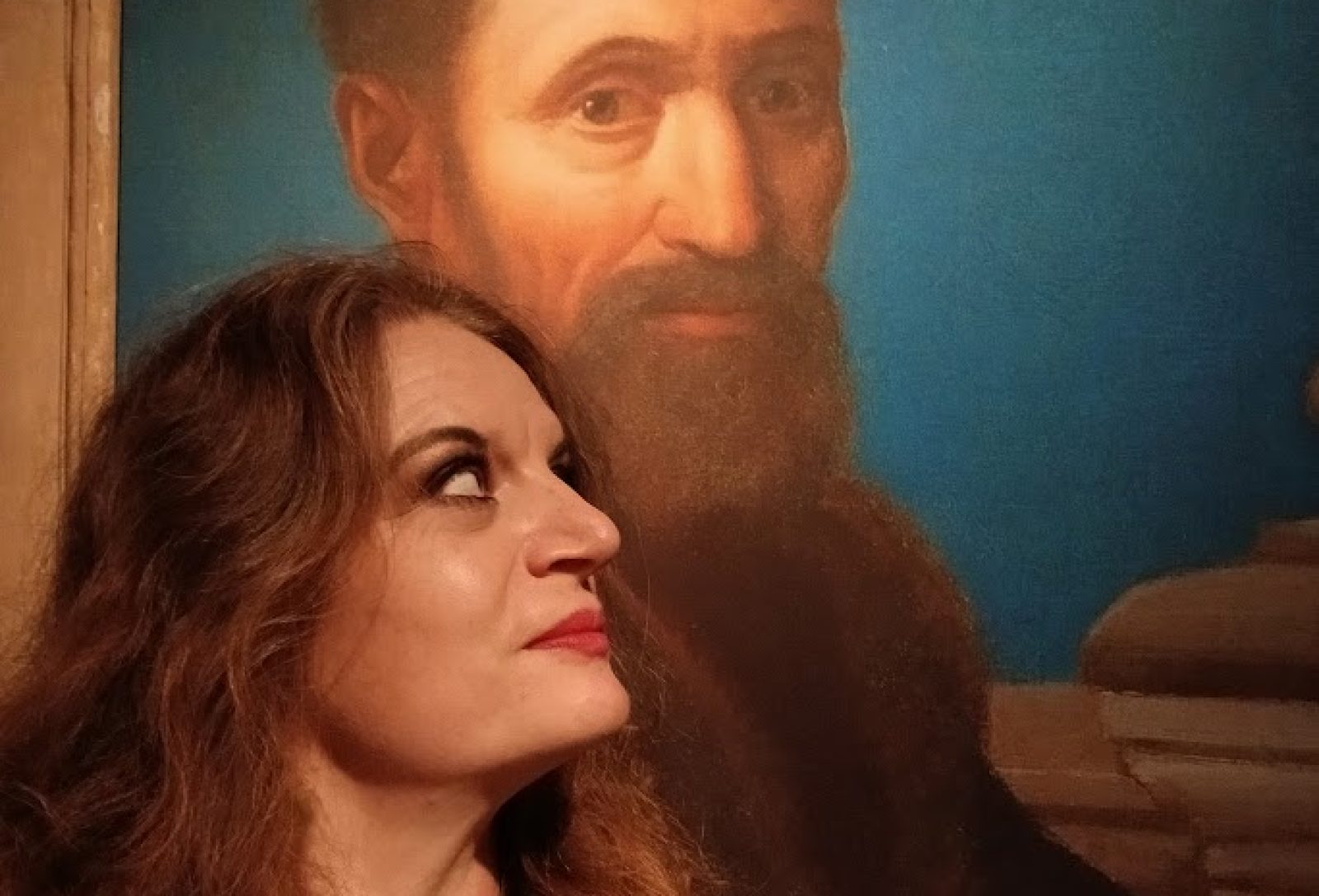
La Cava Museo Fantiscritti e i giochi di una volta: intervista a Walter Danesi e Francesca Bianchi
Il marmo, conosciuto da tanti come materiale per le sculture, da rivestimento o per architetture, prima di essere trasformato ha bisogno di essere estratto e non tutti conoscono come il processo avvenga oggi né come avvenisse fino agli anni Sessanta del Novecento.
E’ proprio la storia dell’estrazione marmifera a essere raccontata nel percorso espositivo a cielo aperto Cava Museo Fantiscritti creato da Walter Gualtiero Danesi che per anni si è dedicato a raccogliere materiale di epoche più o meno remote attinente al mondo delle cave e dei cavatori.
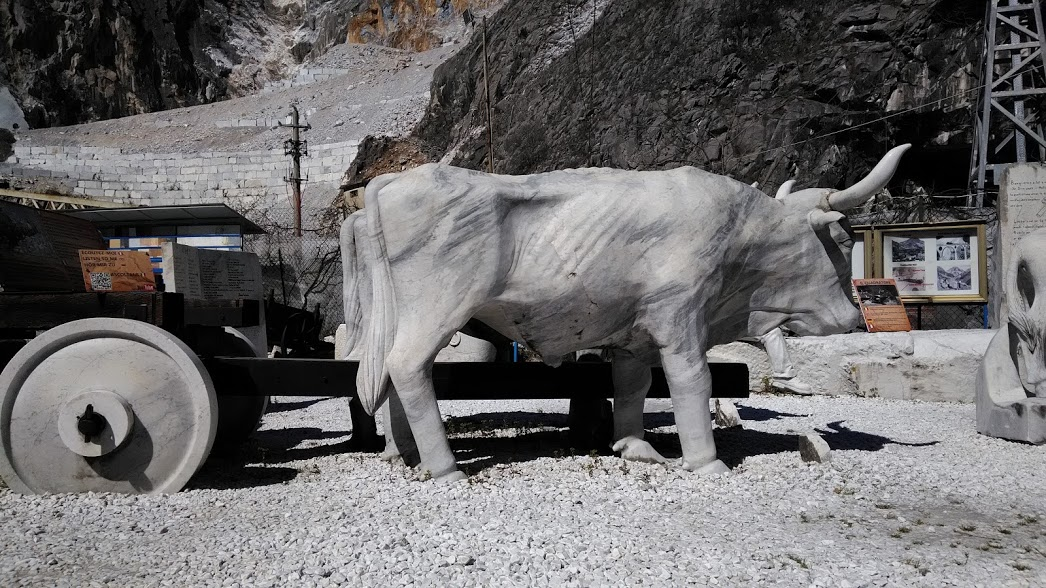
Oggi Walter Gualtiero Danesi non c’è più ma il museo viene portato avanti e divulgato con passione dal nipote Walter Danesi, con il quale ci conosciamo da anni.
Non solo. Al lavoro di Walter si è aggiunto quello di Francesca Bianchi che ha aggiunto un tassello prezioso, riportando in auge la preziosità dei giochi di una volta, tanto cara a nonno Gualtiero.
Il Cava Museo Fantiscritti ha alle spalle una storia fatta di passione, dedizione e amore per questi luoghi e per le persone che ci hanno lavorato. Nonno Walter ha tramandato a te, che tra l’altro porti lo stesso nome, questa voglia di far conoscere le radici su cui Carrara di fatto si fonda: il marmo e la sua lavorazione dall’antichità a oggi.
Come racconteresti il museo a chi ancora non lo conosce?
Walter Danesi: “La Cava Museo Fantiscritti nasce nel 1987 per opera di mio nonno Gualtiero Walter Danesi.
Seguendo le sue orme dal ragazzino che ero ho imparato ad ascoltarlo e ad apprezzare la sua passione per il territorio e la sua gente.
Con dedizione e fiducia il Museo è diventato oggi reale testimonianza unica nel suo genere del mondo dei cavatori, ove appunto se ne racconta la storia affondando le radici nel cuore delle famiglie che hanno vissuto ai piedi delle cave. Il percorso a cielo aperto offre la possibilità di esplorare le maestranze, vedere gli utensili originali utilizzati sino agli anni sessanta del secolo scorso, ove l’avvento dei mezzi moderni hanno totalmente modificato le modalità di lavorazione.
È presente la “casa del capannaro”, reale ricostruzione delle abitazioni di un tempo ove nonni, genitori e figli solevano vivere per essere vicini ai luoghi di lavoro, a solo pro del cavatore e a discapito di tutti gli altri, soprattutto dei bambini lontani dall’ambiente scolastico, ahimè destinati anch’essi a diventare futuri operai“.
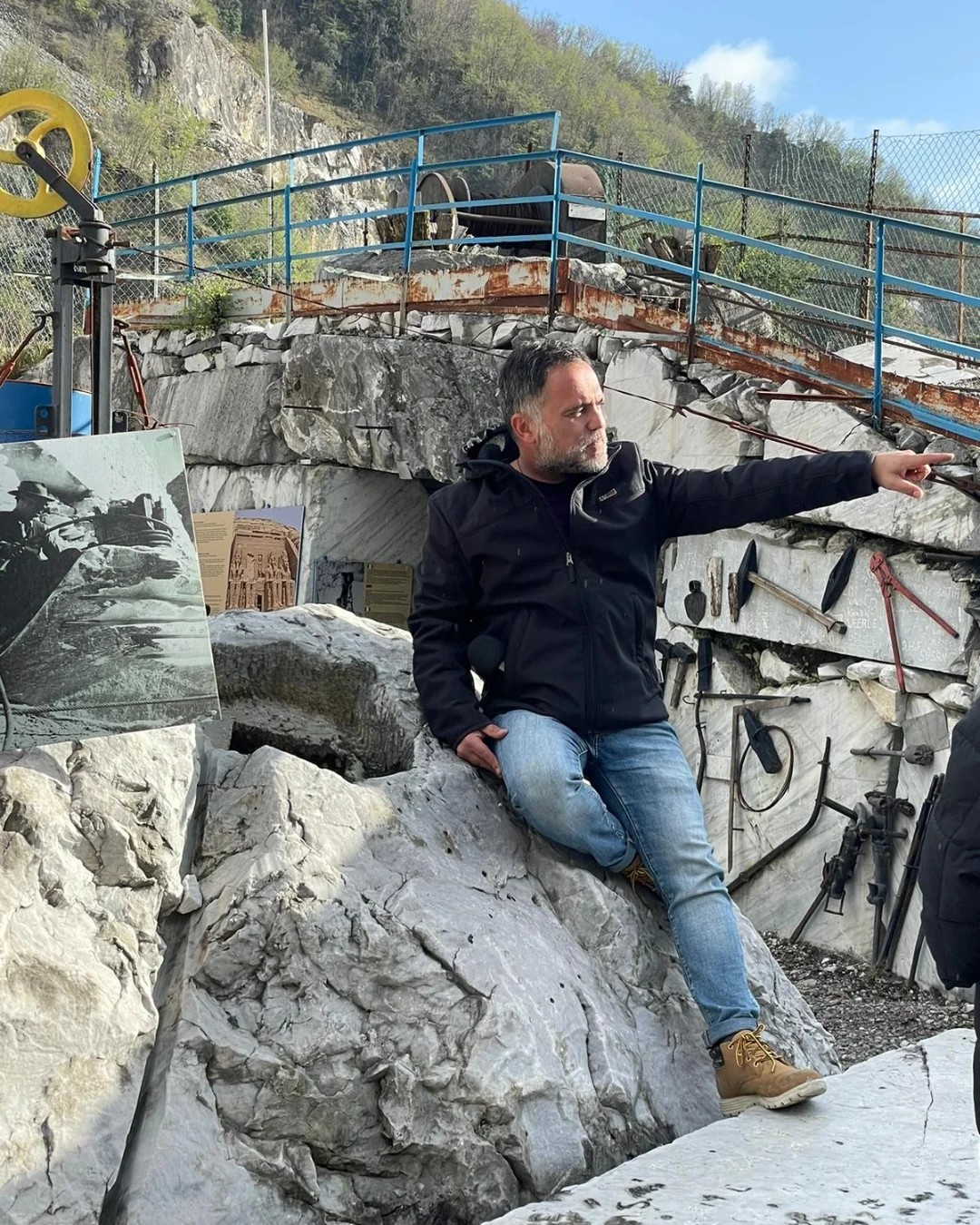
Il museo con te ha fatto un salto di qualità. È diventato più noto mediante all’uso dei social e grazie al tuo saperlo raccontare e proporlo anche al di fuori del territorio.
Perché è importante continuare a raccontare i luoghi di estrazione del marmo e come si lavorava di fatto fino agli anni Sessanta del Novecento?
W.D.: “Tutti conoscono il marmo di Carrara, ma in pochi ne conoscono la storia” – così raccontava sempre mio nonno ai visitatori. Ecco la necessità di comprendere e far conoscere come per esempio un David o il Mosè di Michelangelo siano nati, ovvero quali siano stati i processi di lavorazione e soprattutto di maestranze necessarie a far sorgere opere meravigliose; quali i mezzi di trasporto, le tempistiche, le modalità di scelta dei pezzi, così come il pericolo costante in assenza di sicurezza, di attività sindacali e via dicendo a favore dei lavoratori.
Fino agli anni sessanta la filiera del lavoro era identica a quella degli Antichi Romani. Solo successivamente sono cambiati i rapporti di lavoro, le condizioni degli operai, i macchinari e quant’altro. Mio nonno nella sua visione della vita ha ritenuto essenziale farsi portavoce di un qualcosa da lui vissuto personalmente, affinché non se ne perdesse la memoria, affinché i ragazzi potessero comprendere l’importanza dell’istruzione per poter vivere decorosamente e cambiare le condizioni socio-culturali“.
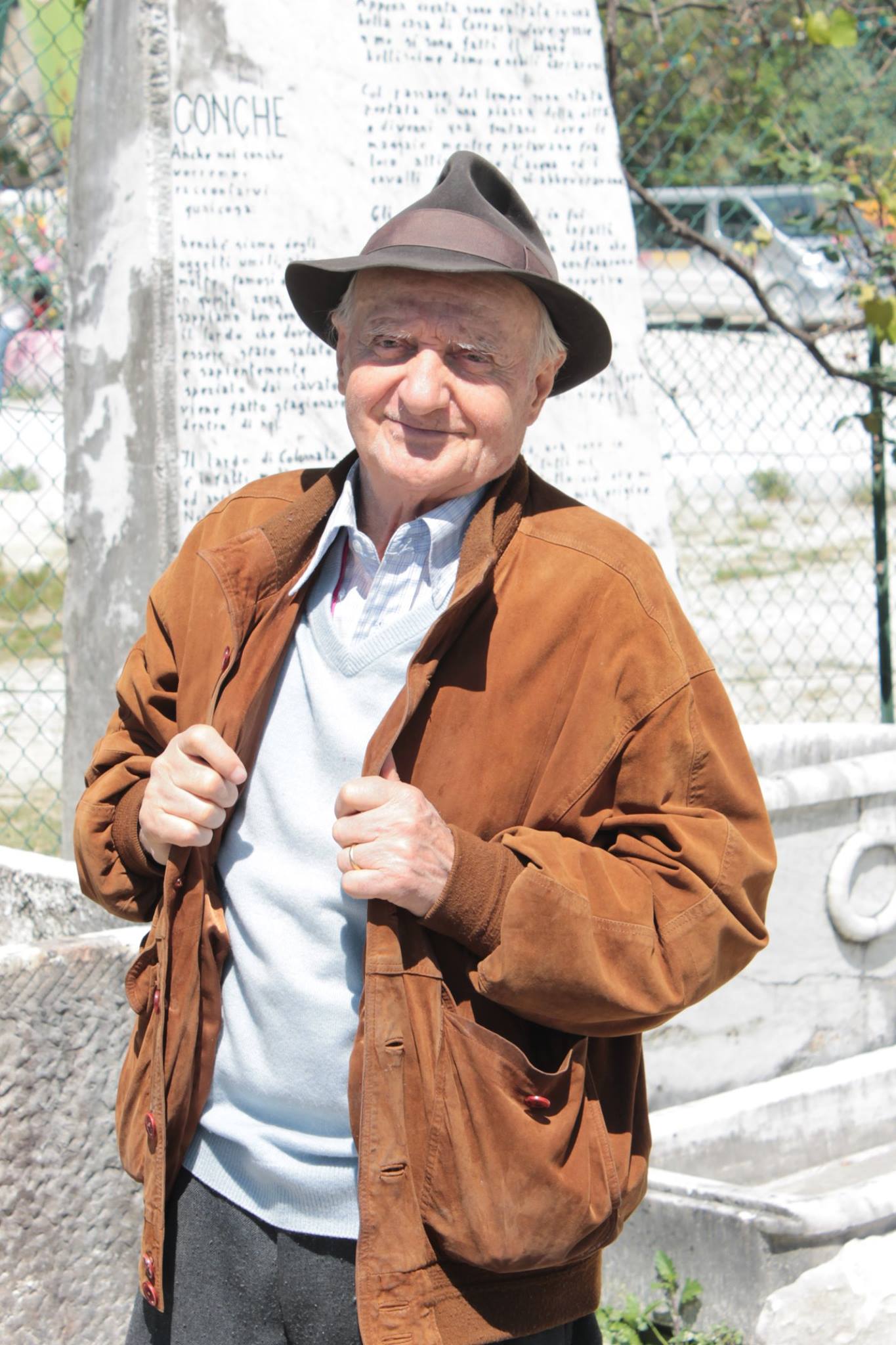
Tuo nonno Walter era solito andare nelle scuole a raccontare ai bambini anche i giochi del suo tempo, fatti di cose semplici ma che riuscivano a stimolare la fantasia. Stai portando avanti anche questo aspetto per far riscoprire ai più piccoli giochi di cui si sta perdendo memoria assieme a Francesca Bianchi.
Francesca, tu ha scritto proprio un libro sull’argomento dedicato ai più piccoli. Ce ne parli?
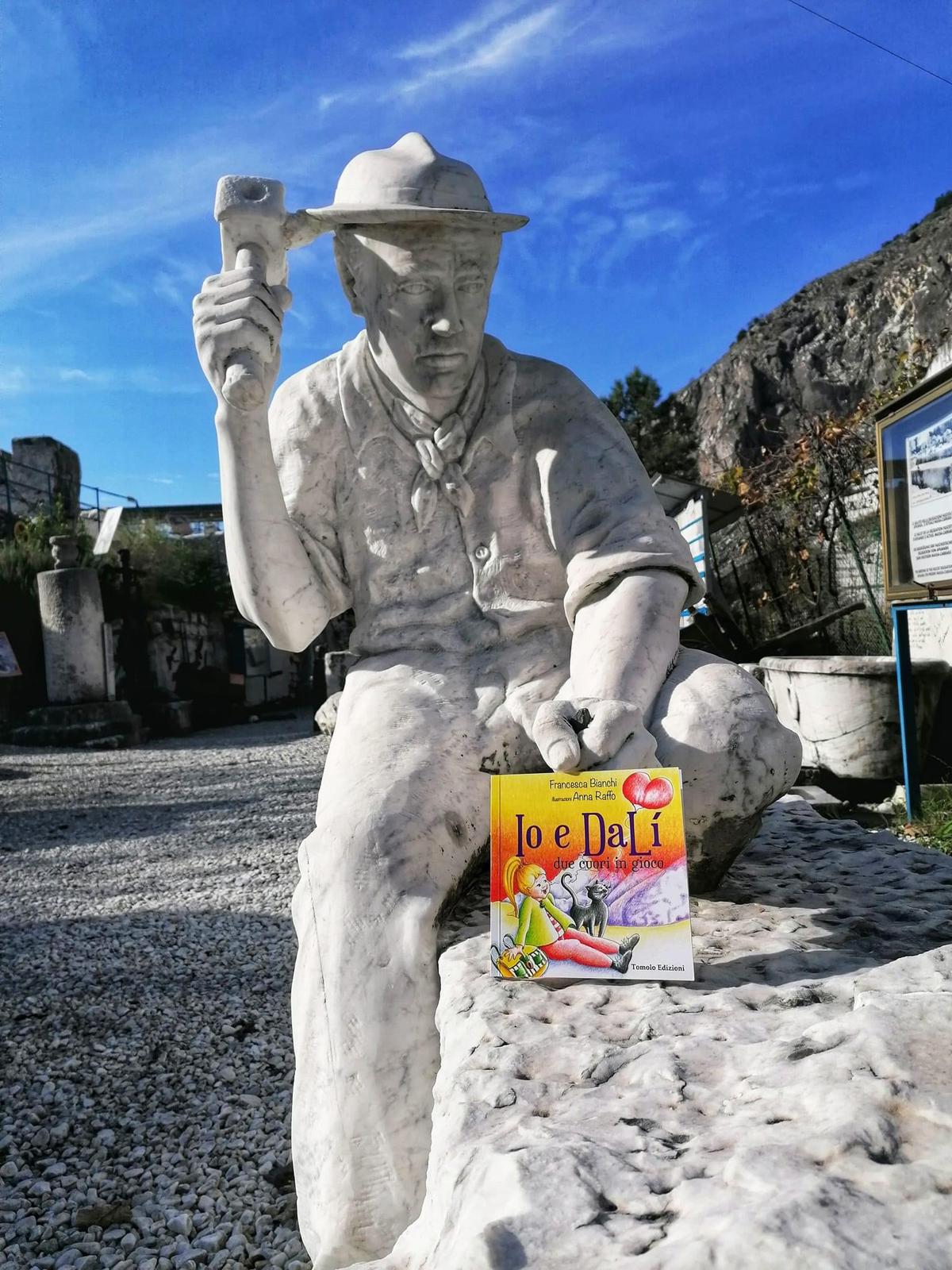
Francesca Bianchi: “Io e Dalí due cuori in gioco” è il titolo del mio ultimo libro che tratta il Diritto al gioco e di conseguenza la riscoperta dei giochi dei nonni.
La piccola Stella insieme al suo gattino Dalí ritrovano all’interno di un baule nella soffitta di casa un libricino che descrive “i giochi dei nonni quando erano bambini”. Una storia nella storia ove tale libro è proprio quello scritto da Nonno Gualtiero, con il quale andava nelle scuole e la bimba si inebria al pensiero di poter anche lei costruire dei giochi con le sue mani, scoprendo alla fine trattarsi del suo bisnonno.
La necessità della riscoperta del tempo lento, del tempo dell’immaginazione, dello stupore, della manualità, sono stati i cardini sui quali il libro ha preso vita; riscoprirli attraverso il rapporto nonni-nipoti ha un valore di legame autentico di memoria emozionale unica.
Walter mi ha fatto conoscere una realtà familiare intima che mi ha arricchito nella mia conoscenza da nipote stessa di cavatore.
Il libro è stato patrocinato dal Consiglio della Regione Toscana e le copie sono destinate alla distribuzione gratuita nelle scuole per le quali gli insegnanti potranno farne diretta richiesta a me come per i due progetti precedenti a questo.
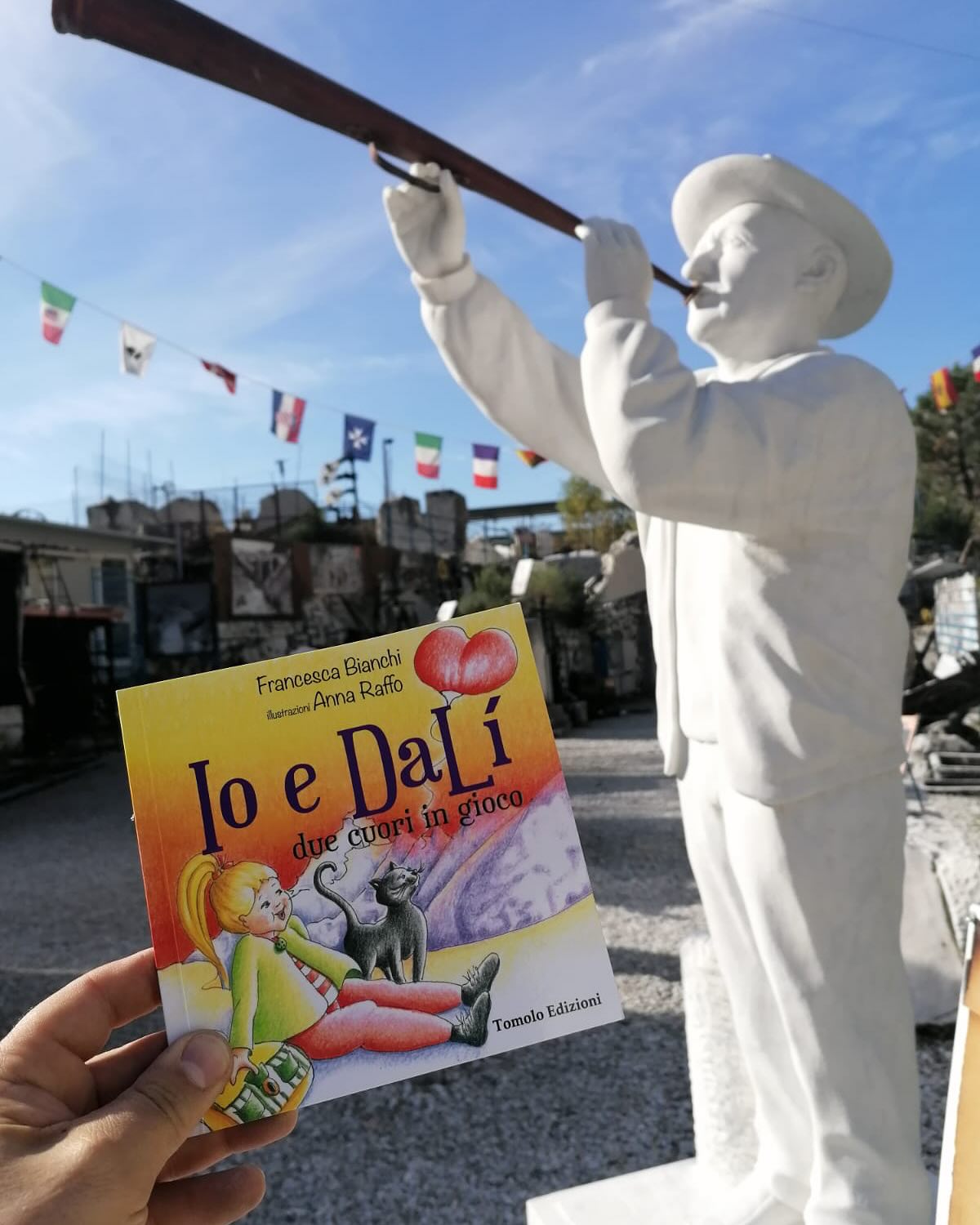
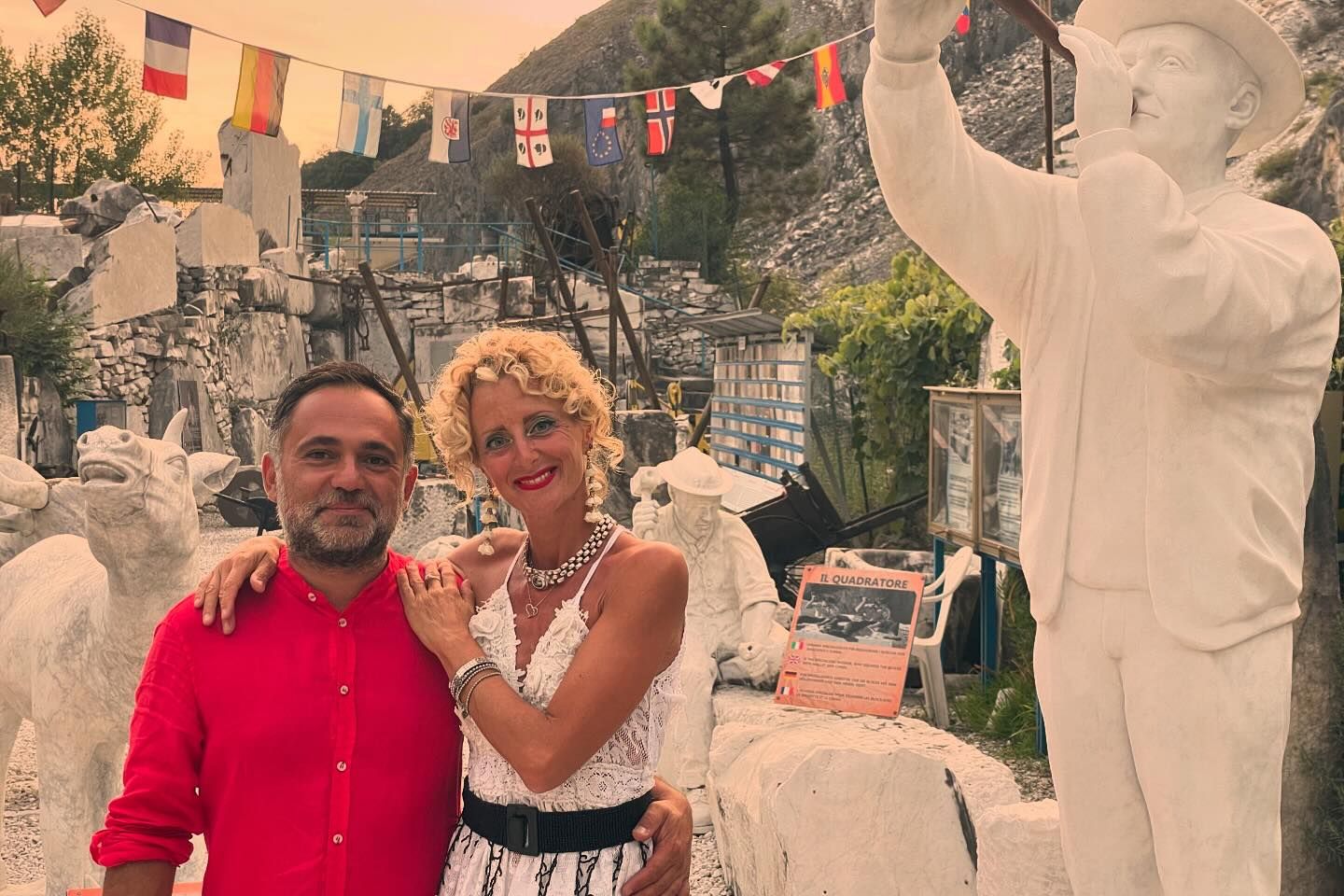
Quale sarà la prossima occasione in cui entrambi porterete in giro, fuori dal Cava Museo di Fantiscritti le sue storie e i giochi di una volta raccontati nel volume in questione?
F:B.: “Sabato 30 novembre alle ore 17.00 ci sarà la prima presentazione ufficiale del libro presso la libreria Libri in Armonia a Massa (MS), ove io e Walter attenderemo i bambini con i nonni per leggere insieme e fare un laboratorio sui giochi e i diritti dei bambini.
Saranno presenti gli allievi della Scuola Primaria Giacinto Bianchi, Sergio Giorgi ex lizzatore in rappresentanza dei bambini di un tempo alle cave, Daniele Tarantino Presidente Onorario dell’Associazione Insieme e Dina Dell’Ertole, consigliera della Provincia di Massa Carrara“.
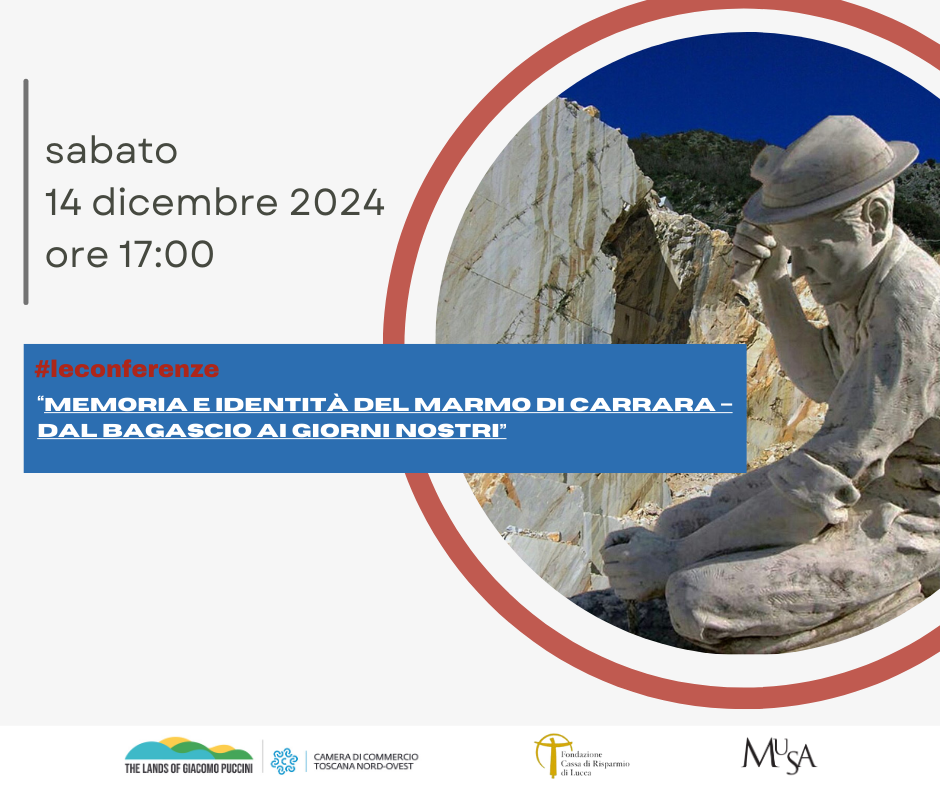
Sabato 14 dicembre, a partire dalle ore 17.00, vi aspetto assieme a Walter Danesi e a Francesca Bianchi al Mu.Sa. di Pietrasanta per raccontarvi il marmo e le sue tante storie con la conferenza “Memoria e identità del marmo di Carrara – dal bagascio ai giorni nostri”.
Ospiti:
Walter Danesi, Patron della Cava Museo Fantiscritti
Architetto Paolo Camaiora
Io, Antonietta Bandelloni, artblogger e scrittrice di libri tra i quali “Lui, il David”.
Moderatrice: Cavalier Francesca Bianchi, scrittrice e focal point del museo Fantiscritti, Ambasciatrice FEISCT Federazione Europea Itinerari Storici Culturali Turistici, Presidentessa dell’Associazione Bookcrossing Massa
L’evento è organizzato dal MuSA di Pietrasanta – che lo realizza in collaborazione con Cava Museo Fantiscritti e Bookcrossing Massa Aps – su incarico della Camera di Commercio della Toscana Nord-Ovest.
Per il momento il sempre vostro Micheangelo Buonarroti vi saluta dandovi appuntamento ai prossimi post e sui social.
The Cava Museo Fantiscritti and the games of the past: interview with Walter Danesi and Francesca Bianchi
Marble, known by many as a material for sculptures, cladding or architecture, needs to be extracted before being transformed and not everyone knows how the process happens today or how it happened until the 1960s.
It is precisely the history of marble extraction that is told in the open-air exhibition Cava Museo Fantiscritti created by Walter Gualtiero Danesi who for years dedicated himself to collecting material from more or less remote eras relating to the world of quarries and quarrymen.
Today Walter Gualtiero Danesi is no longer with us but the museum is carried on and promoted with passion by his grandson Walter Danesi, with whom we have known each other for years.
Not only that. To Walter’s work has been added that of Francesca Bianchi who has added a precious piece, bringing back into fashion the preciousness of the games of the past, so dear to grandfather Gualtiero.
The Cava Museo Fantiscritti has a history of passion, dedication and love for these places and for the people who worked there. Grandpa Walter passed down to you, who also have the same name, this desire to make known the roots on which Carrara is actually founded: marble and its processing from ancient times to today.
How would you describe the museum to those who still don’t know it?
Walter Danesi: “The Cava Museo Fantiscritti was founded in 1987 by my grandfather Gualtiero Walter Danesi.
Following in his footsteps, from the boy I was, I learned to listen to him and to appreciate his passion for the territory and its people.
With dedication and trust, the Museum has today become a real, one-of-a-kind testimony of the world of quarrymen, where their history is told by sinking its roots into the hearts of the families who lived at the foot of the quarries. The open-air tour offers the opportunity to explore the workforce, see the original tools used until the 1960s, when the advent of modern means completely changed the working methods.
There is the “casa del gabbiano”, a real reconstruction of the homes of the past where grandparents, parents and children used to live to be close to the workplace, only for the benefit of the quarryman and to the detriment of all the others, especially children far from the school environment, unfortunately also destined to become future workers”.
With you, the museum has made a leap in quality. It has become better known through the use of social media and thanks to your ability to tell and propose it even outside the territory.
Why is it important to continue to tell the places where marble was extracted and how it was actually worked until the 1960s?
W.D.: “Everyone knows Carrara marble, but few know its history” – this is what my grandfather always told visitors. Here is the need to understand and make known how, for example, a David or Michelangelo’s Moses were created, or what were the manufacturing processes and above all the workers needed to create wonderful works; what were the means of transport, the timing, the methods of choosing the pieces, as well as the constant danger in the absence of safety, union activities and so on in favor of the workers.
Until the sixties, the work chain was identical to that of the Ancient Romans. Only later did labor relations, the conditions of the workers, the machinery and so on change. My grandfather in his vision of life considered it essential to be the spokesperson of something he personally experienced, so that the memory of it would not be lost, so that the children could understand the importance of education in order to live decently and change the socio-cultural conditions”.
Your grandfather Walter used to go to schools to tell the children about the games of his time, made of simple things but that managed to stimulate the imagination. You are also carrying forward this aspect to help the little ones rediscover games that are being forgotten together with Francesca Bianchi.
Francesca, you wrote a book on the subject dedicated to the little ones. Can you tell us about it?
Francesca Bianchi: “Io e Dalí due cuori in gioco” is the title of my latest book that deals with the Right to play and consequently the rediscovery of grandparents’ games.
Little Stella together with her kitten Dalí find inside a trunk in the attic of the house a little book that describes “grandparents’ games when they were children”. A story within a story where this book is precisely the one written by Grandpa Gualtiero, with whom he went to school and the little girl gets intoxicated at the thought of being able to build games with her own hands, discovering in the end that it was her great-grandfather.
The need to rediscover slow time, the time of imagination, of wonder, of manual skill, were the cornerstones on which the book came to life; rediscovering them through the grandparent-grandchild relationship has the value of an authentic bond of unique emotional memory.
Walter introduced me to an intimate family reality that enriched me in my knowledge as a quarryman’s granddaughter.
The book was sponsored by the Council of the Tuscany Region and copies are intended for free distribution in schools for which teachers can directly request them from me as for the two projects preceding this one.
When will the next occasion be when you will both take his stories and the old games told in the volume in question outside the Fantiscritti Quarry Museum?
F:B.: “On Saturday, November 30th at 5:00 pm there will be the first official presentation of the book at the Libri in Armonia bookshop in Massa (MS), where Walter and I will wait for the children with their grandparents to read together and do a workshop on games and children’s rights.
The students of the Giacinto Bianchi Primary School will be present, Sergio Giorgi, former lizzatore representing the children of the past in the quarries, Daniele Tarantino, Honorary President of the Insieme Association and Dina Dell’Ertole, councilor of the Province of Massa Carrara”.
On Saturday, December 14th, starting at 5:00 pm, I will be waiting for you together with Walter Danesi and Francesca Bianchi at the Mu.Sa. in Pietrasanta to tell you about marble and its many stories with the conference “Memory and identity of Carrara marble – from the bagascio to the present day”.
Guests:
Walter Danesi, Patron of the Cava Museo Fantiscritti
Architect Paolo Camaiora
I, Antonietta Bandelloni, art blogger and writer of books including “Lui, il David”.
Moderator: Cavalier Francesca Bianchi, writer and focal point of the Fantiscritti museum, FEISCT Ambassador for the European Federation of Historical Cultural Tourist Itineraries, President of the Bookcrossing Massa Association
The event is organized by MuSA di Pietrasanta – which organizes it in collaboration with Cava Museo Fantiscritti and Bookcrossing Massa Aps – on behalf of the Chamber of Commerce of North-West Tuscany.
For the moment, yours truly, Micheangelo Buonarroti bids you farewell, making an appointment to see you in the next posts and on social media.

Sostienici – Support Us
Se questo blog ti piace e ti appassiona, puoi aiutarci a farlo crescere sempre più sostenendoci in modo concreto condividendo i post, seguendo le pagine social e con un contributo che ci aiuta ad andare avanti con il nostro lavoro di divulgazione. . ENGLISH: If you like and are passionate about this blog, you can help us make it grow more and more by supporting us in a concrete way by sharing posts, following social pages and with a contribution that helps us to move forward with our dissemination work.
10,00 €
-
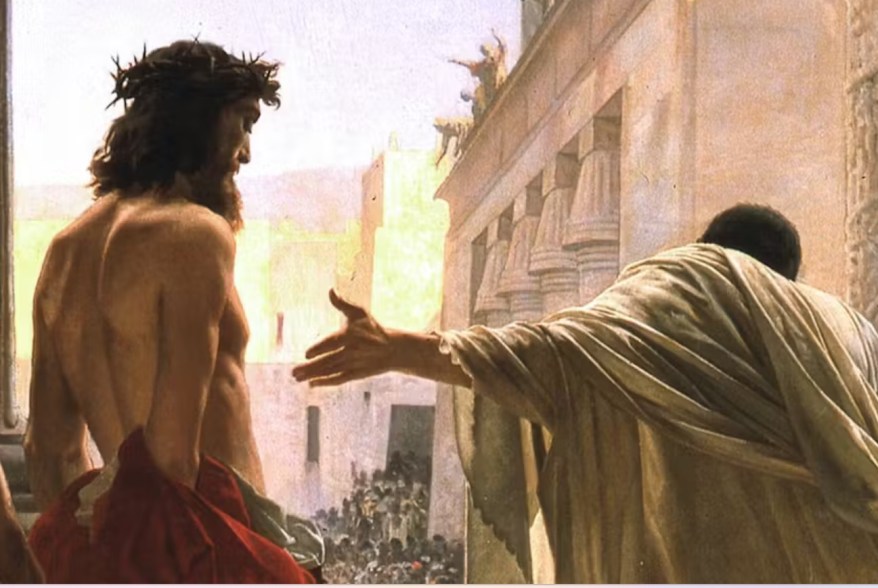
Venerdì Santo: gli “Ecce Homo” più intensi della storia dell’arte
🇮🇹Ecce Homo. Da Antonello da Messina a Tintoretto, fino al sorprendente capolavoro di Antonio Ciseri, questo soggetto ha attraversato i secoli raccontando dolore, umanità e coscienza… 🇬🇧Ecce Homo. From Antonello da Messina to Tintoretto, to Antonio Ciseri’s astonishing masterpiece, this subject has spanned the centuries, recounting pain, humanity, and conscience…
-
Attacco hacker agli Uffizi: rubati dati sensibili, mappe e codici di sicurezza
🇮🇹Attacco hacker alle Gallerie degli Uffizi: rubati dati sensibili, mappe e sistemi di sicurezza. A rischio opere, archivi e cybersicurezza del patrimonio artistico… 🇬🇧Hacker attack on the Uffizi Galleries: sensitive data, maps, and security systems stolen. Works of art, archives, and the cybersecurity of the artistic heritage are at risk…
-
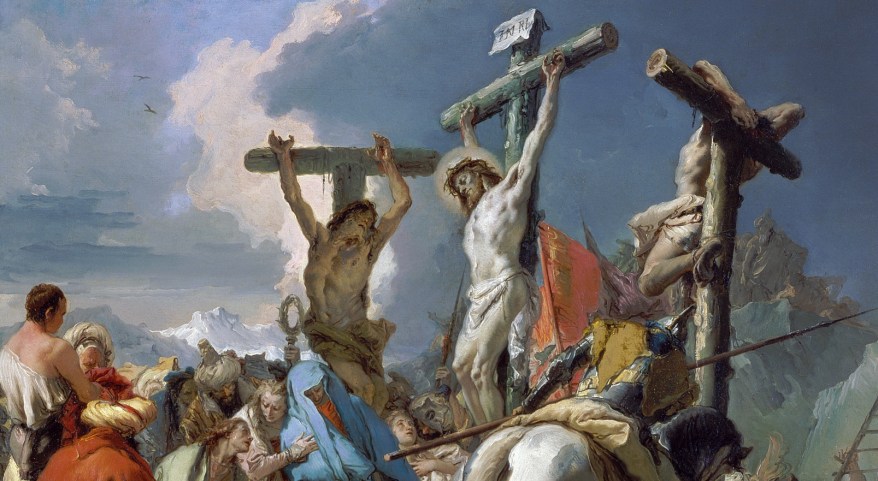
Venerdì Santo: la Crocifissione secondo Tiepolo
🇮🇹Nel giorno del Venerdì Santo, c’è un’opera che riesce ancora a scuotere lo sguardo. La Crocifissione di Giambattista Tiepolo non è come le altre: niente simmetrie perfette, niente distanza. Qui si entra dentro la scena, da un punto di vista obliquo, tra movimento, tensione e umanità… 🇬🇧On Good Friday, there’s a work that still manages…
Condividi:


Questo sono io





sostienici

Sostienici – Support Us
Se questo blog ti piace e ti appassiona, puoi aiutarci a farlo crescere sempre più sostenendoci in modo concreto condividendo i post, seguendo le pagine social e con un contributo che ci aiuta ad andare avanti con il nostro lavoro di divulgazione. . ENGLISH: If you like and are passionate about this blog, you can help us make it grow more and more by supporting us in a concrete way by sharing posts, following social pages and with a contribution that helps us to move forward with our dissemination work.
€10,00


