
Le Mura di Lucca: capolavoro da esplorare
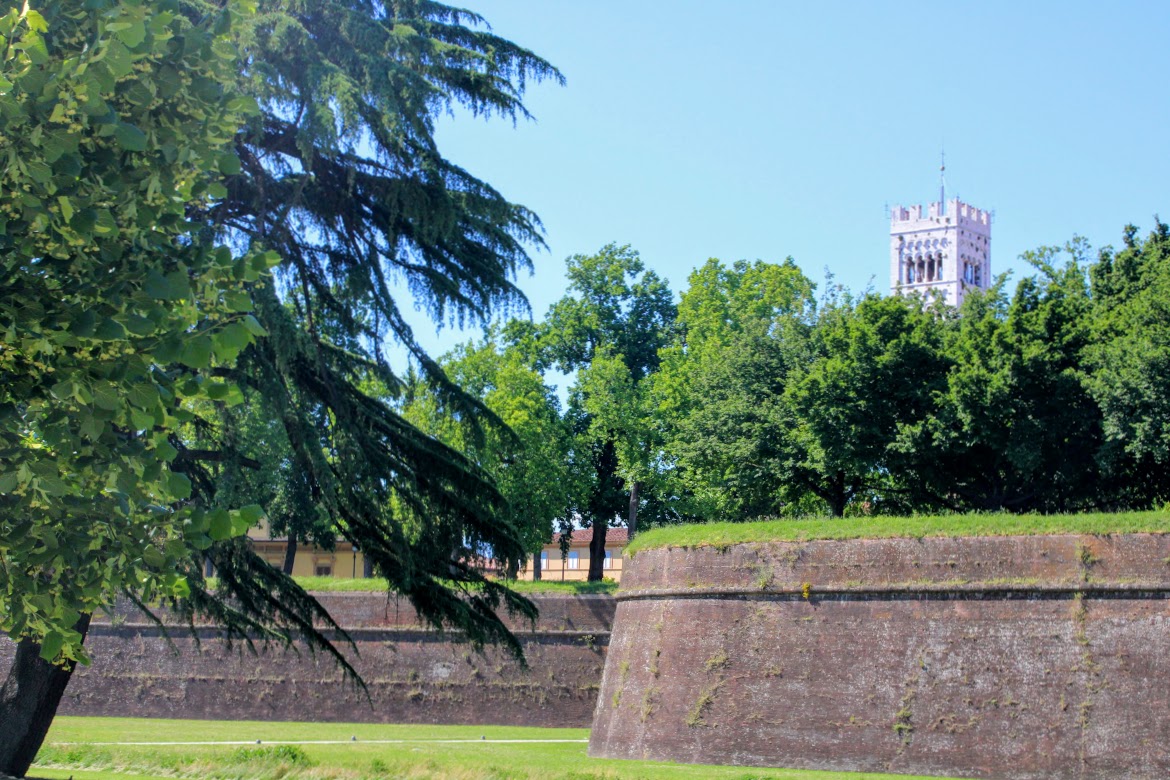
Le mura di Lucca un tempo rendevano la città inespugnabile mentre oggi offrono un punto di vista privilegiato sul centro storico.
Alte 12 metri e ombreggiate da pioppi, si snodano per oltre 4 chilometri e si possono percorrere a piedi o in bicicletta. Sempre frequentate, sia in inverno che in estate, sia da chi a Lucca ci vive tutto l’anno che da chi vuole visitare questa bellissima città, tutta da scoprire.
Le caratteristiche delle mura di Lucca
La cinta muraria della città è intervallate da 11 baluardi e 6 porte che consentono l’ingresso al centro storico. Fino al 1799, dietro gli orecchioni dei baluardi, erano piazzati 126 cannoni che poi furono portati via dagli austriaci.
È il secondo esempio nel continente europeo per grandezza di mura edificate seguendo i principi della fortificazione moderna che si siano conservate intatte nel corso dei secoli.
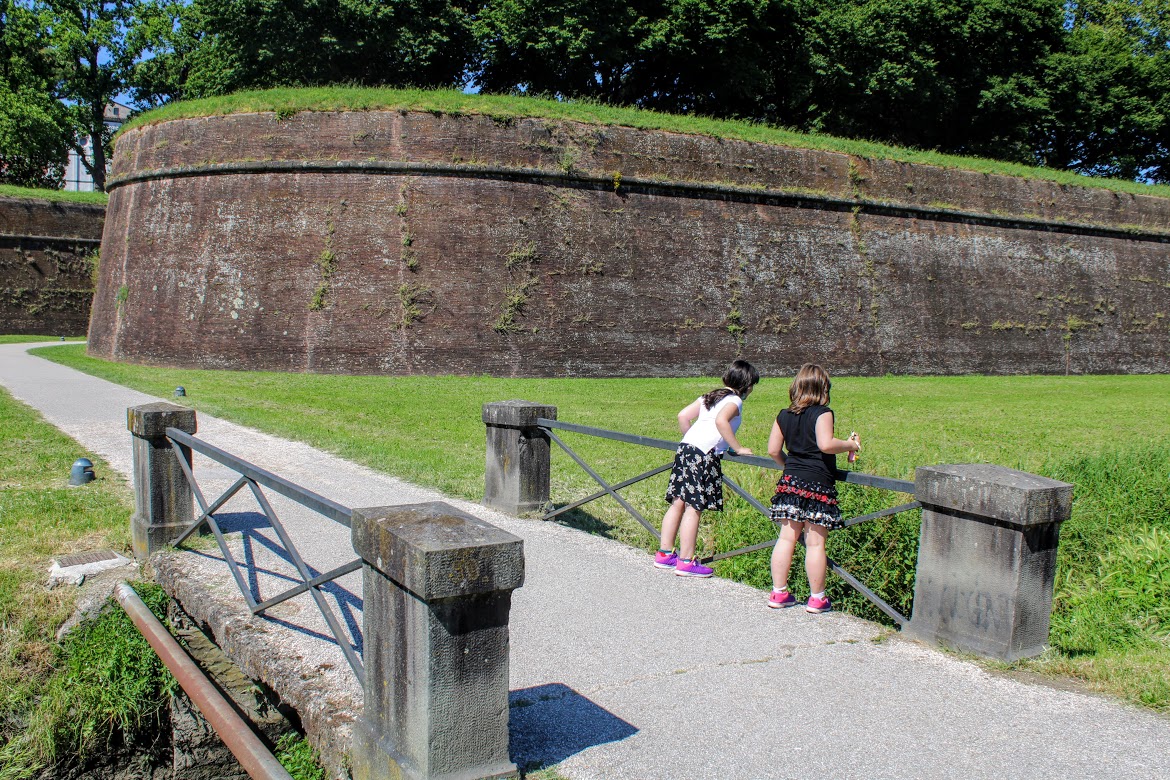
Circondate da prati verdi sempre ben tenuti e arricchite con fontane con acqua potabile, tavoli e panchine, offrono la possibilità di organizzare pic nic e ai più piccoli di giocare nei parchetti che si trovano lungo la passeggiata. Attualmente le mura appartengono al comune di Lucca che le ha acquistate nel 1866, in occasione dell’asta organizzata dal demanio. Vengono gestite dall’Opera delle Mura che provvede alla loro conservazione ma anche allo sfalcio dell’erba e alla potatura delle numerose piante.

La storia
L’attuale assetto delle mura risale ai primi decenni dell’Ottocento. Con le nuove tecniche e tecnologie usate in guerra, le mura avevano perso la loro utilità difensiva e si decise quindi di trasformare la cortina nella passeggiata cittadina che ancora oggi abbiamo la fortuna di poter adoperare.
La storia delle mura però comincia nel 1500 quando ci si rese conto che la vecchia cinta medievale non era più sufficiente per proteggere la città dagli attacchi bellici. Si avviò così un importante progetto per edificare le nuove fortificazioni che si protrarrà per più di un secolo.
La Firenze sotto il dominio mediceo era in continua espansione e le nuove mura costruite attorno a Lucca avevano l’importante funzione di ribadire la propria autonomia.
Fatto sta che non furono mai usate per difendersi da attacchi nemici ma in occasione dell’alluvione del 1812 furono utilissime per proteggere la città. Il fiume Serchio straripando allagò tutta la campagna attigua ma il centro cittadino si salvò grazie alla chiusura tempestiva di tutte le porte.
I lavori di costruzione delle nuove mura ebbero inizio nel 1513 abbattendo tutti gli alberi e radendo al suolo gli edifici a ridosso della città. Solo così sarebbe stato possibile infatti più semplice veder approssimarsi il nemico fin da lontano.
Gli architetti che si avvicendarono furono diversi m senza dubbio, Alessandro Farnese di Fiandra, fu determinante nel proporre un progetto che fece da base a quelli successivi.

Cosa offre la passeggiata delle mura
La lunga passeggiata delle mura offre un panorama spettacolare su Lucca da godere a passo lento. Anche nei mesi più caldi dell’anno, le piante che costeggiano il percorso regalano una frescura impossibile da trovare altrove nei paraggi.
Se poi volete concedere una pausa ristoratrice, presso il Baluardo Santa Maria troverete lo storico Caffè delle Mura che ha aperto i battenti nel lontano 1840. Proseguendo presso il Baluardo di San Regolo, troverete l’accesso per il Giardino Botanico che val bene una visita.

Dopo aver raggiunto Porta Elisa fatta aprire nell’Ottocento dalla principessa Elisa Bonaparte Baciocchi, sorella di Napoleone, si arriva alla Casa del Boia ospitata dal baluardo San Salvatore che oggi accoglie il Francigena Entry Point.
Sempre dall’alto delle mura si ha una vista panoramica sul meraviglioso Palazzo Pfanner e il suo giardino.
«Tu vedi lunge gli uliveti grigi
che vaporano il viso ai poggi, o Serchio,
e la città dall’arborato cerchio,
ove dorme la donna del Guinigi
Gabriele d’Annunzio

Le mura durante Lucca Comics & Games
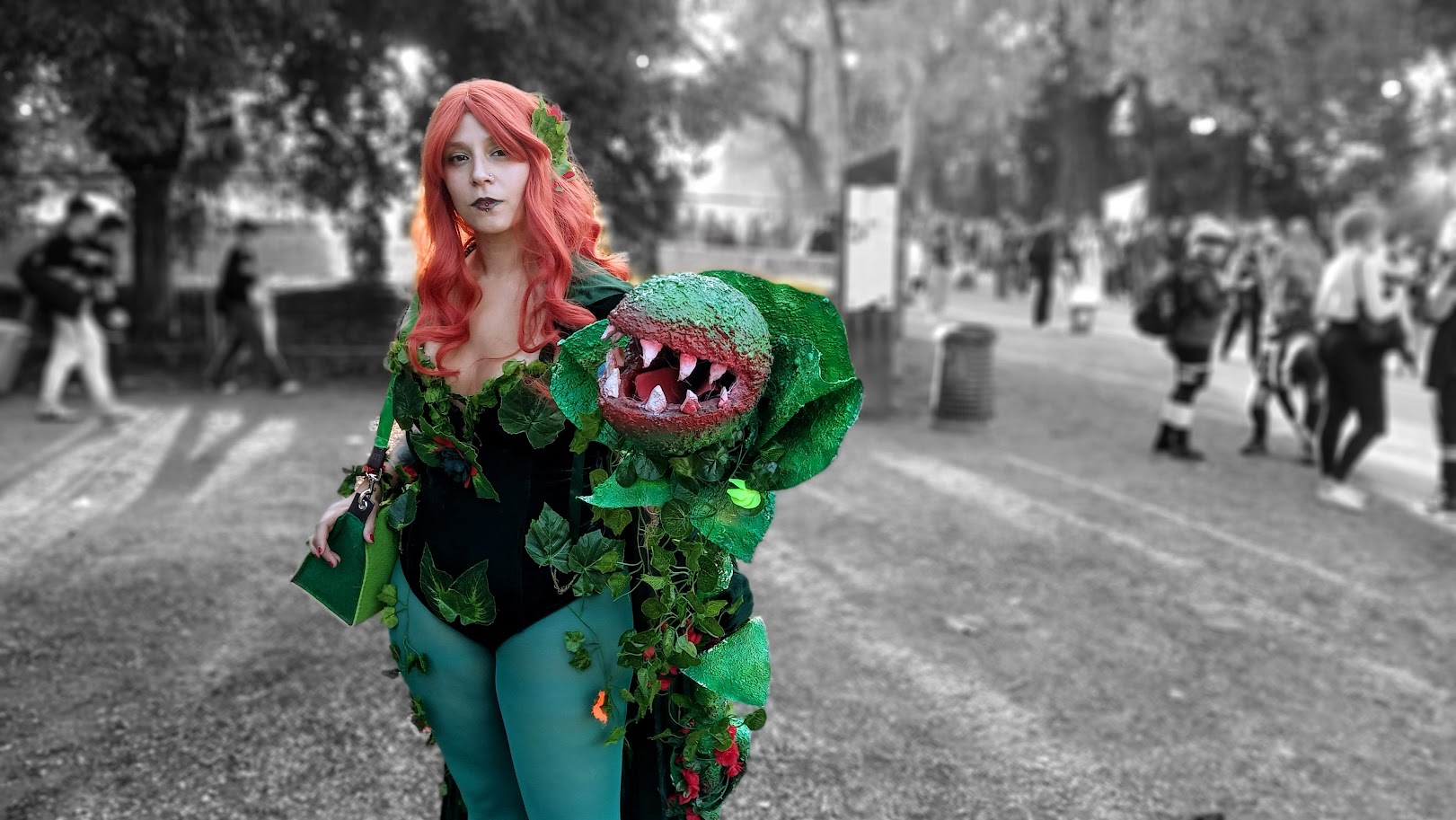
Durante i cinque giorni di Lucca Comics & Games, le mura di Lucca si trasformano in un set fotografico perfetto per i cosplayer che le percorrono da mattina a sera per mostrare le loro livree e farsi scattare foto.
Che cosa c’è di diverso nell’essere un cosplayer e indossare un costume di carnevale? I cosplayer entrano nel ruolo interpretando il personaggio. Spesso ma non sempre realizzano i loro abiti da soli e più sono fedeli al personaggio in cui si calano, migliore è il risultato finale.
Per il momento il vostro Michelangelo Buonarroti con i suoi racconti e i suoi luoghi del cuore vi saluta dandovi appuntamento ai prossimi post e sui social. ©Tutti i diritti sono riservati

Lucca and its walls
The walls of Lucca once made the city impregnable, while today they offer a privileged viewpoint of the historic center.
12 meters high and shaded by poplars, they stretch for over 4 kilometers and can be traveled on foot or by bicycle. Always busy, both in winter and summer, both by those who live in Lucca all year round and by those who want to visit this beautiful city, all to be discovered.
The characteristics of the walls of Lucca
The city walls are interspersed with 11 bastions and 6 gates that allow entry to the historic center. Until 1799, behind the arches of the bastions, 126 cannons were placed which were then taken away by the Austrians.
It is the second example in the European continent in terms of size of walls built following the principles of modern fortification that have remained intact over the centuries.
Surrounded by green lawns that are always well-kept and enriched with fountains with drinking water, tables and benches, they offer the possibility of organizing picnics and for the little ones to play in the small parks that are located along the walk. Currently the walls belong to the municipality of Lucca that purchased them in 1866, on the occasion of the auction organized by the state property. They are managed by the Opera delle Mura that provides for their conservation but also for the mowing of the grass and the pruning of the numerous plants.
The history
The current layout of the walls dates back to the first decades of the nineteenth century. With the new techniques and technologies used in war, the walls had lost their defensive utility and it was therefore decided to transform the curtain into the city walk that we are still fortunate to be able to use today.
The history of the walls, however, begins in 1500 when it was realized that the old medieval wall was no longer sufficient to protect the city from war attacks. Thus began an important project to build new fortifications that would last for more than a century.
Florence under the Medici rule was in continuous expansion and the new walls built around Lucca had the important function of reaffirming its autonomy.
The fact is that they were never used to defend against enemy attacks but during the flood of 1812 they were very useful to protect the city. The Serchio river overflowed and flooded the entire surrounding countryside but the city center was saved thanks to the timely closing of all the gates.
The construction of the new walls began in 1513 by cutting down all the trees and razing the buildings near the city. Only in this way would it have been easier to see the enemy approaching from afar.
There were several architects who took turns but without a doubt, Alessandro Farnese of Flanders was instrumental in proposing a project that served as the basis for subsequent ones.
What the walk along the walls offers
The long walk along the walls offers a spectacular view of Lucca to be enjoyed at a slow pace. Even in the hottest months of the year, the plants that line the path provide a freshness impossible to find elsewhere in the area.
If you want to take a refreshing break, at the Baluardo Santa Maria you will find the historic Caffè delle Mura that opened its doors way back in 1840. Continuing on to the Baluardo di San Regolo, you will find access to the Botanical Garden that is well worth a visit.
After reaching Porta Elisa, opened in the 19th century by Princess Elisa Bonaparte Baciocchi, Napoleon’s sister, you arrive at the Casa del Boia hosted by the San Salvatore bastion that today hosts the Francigena Entry Point.
Always from the top of the walls you have a panoramic view of the wonderful Palazzo Pfanner and its garden.
The walls during Lucca Comics & Games
During the five days of Lucca Comics & Games, the walls of Lucca are transformed into a perfect photo set for cosplayers who walk along them from morning to night to show off their liveries and have their photos taken.
What’s different about being a cosplayer and wearing a carnival costume? Cosplayers get into the role by interpreting the character. Often but not always they make their clothes themselves and the more faithful they are to the character they are playing, the better the final result.
For now, your Michelangelo Buonarroti with his stories and his favorite places bids you farewell, making an appointment to see you in the next posts and on social media. ©Tutti i diritti sono riservati

Sostienici – Support Us
Se questo blog ti piace e ti appassiona, puoi aiutarci a farlo crescere sempre più sostenendoci in modo concreto condividendo i post, seguendo le pagine social e con un contributo che ci aiuta ad andare avanti con il nostro lavoro di divulgazione. . ENGLISH: If you like and are passionate about this blog, you can help us make it grow more and more by supporting us in a concrete way by sharing posts, following social pages and with a contribution that helps us to move forward with our dissemination work.
10,00 €
-
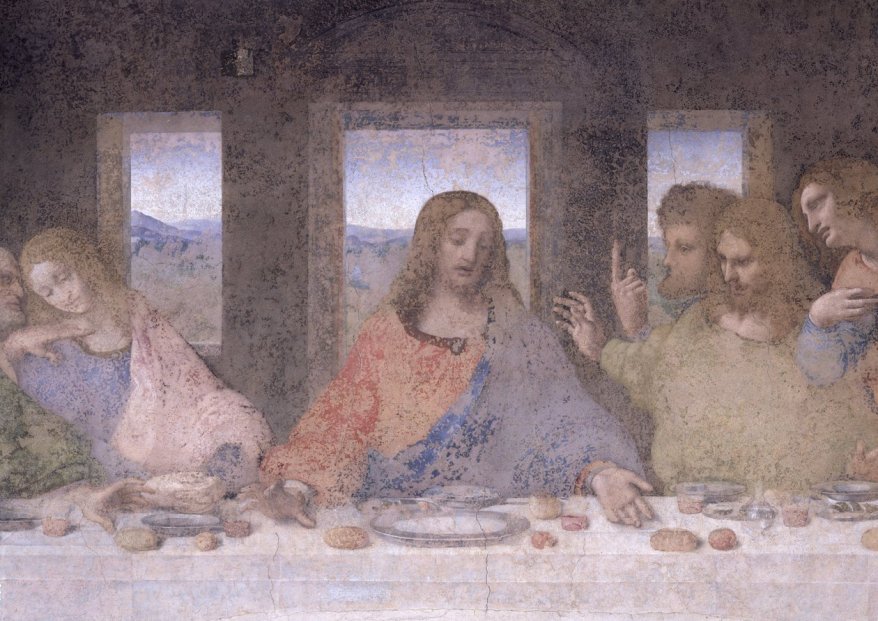
Cenacolo di Leonardo: i dettagli che raccontano il tradimento
🇮🇹Nel Cenacolo di Leonardo da Vinci, custodito a Santa Maria delle Grazie, Cristo annuncia il tradimento e il tempo si ferma… 🇬🇧In Leonardo da Vinci’s Last Supper, housed in Santa Maria delle Grazie, Christ announces the betrayal and time stands still…
-

La Lavanda dei Piedi di Tintoretto: Il Capolavoro Veneziano al Prado
🇮🇹Tra i capolavori più affascinanti del Rinascimento veneziano, “La Lavanda dei Piedi” di Jacopo Tintoretto rappresenta un perfetto equilibrio tra spiritualità, innovazione compositiva e straordinaria forza narrativa… 🇬🇧Among the most fascinating masterpieces of the Venetian Renaissance, Jacopo Tintoretto’s “The Washing of the Feet” represents a perfect balance between spirituality, compositional innovation, and extraordinary narrative force…
-
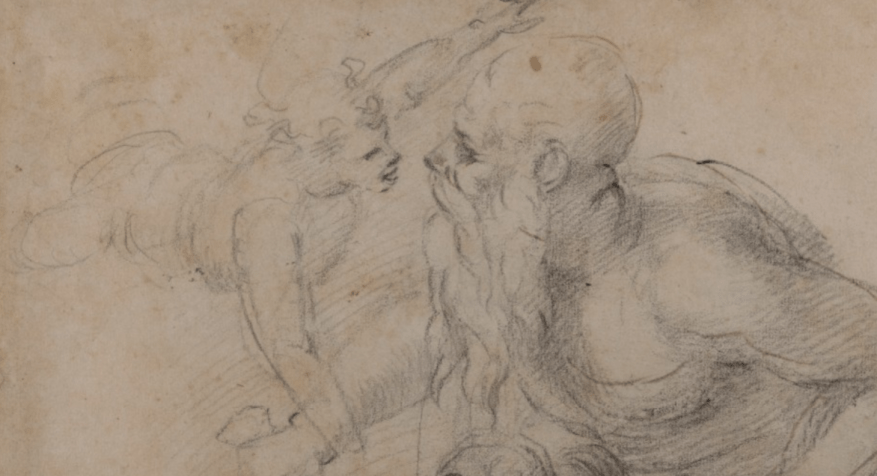
Il Sacrificio di Isacco e quel momento tra la vita e la morte
🇮🇹Oggi voglio raccontarvi alcuni dettagli sul mio disegno del Sacrificio di Isacco, conservato oggi a Casa Buonarroti. Su quel foglio volli tracciare il momento preciso in cui la paura fa spazio al miracolo… 🇬🇧Today I want to tell you some details about my drawing of the Sacrifice of Isaac, now preserved at Casa Buonarroti. On…
Condividi:


Questo sono io





sostienici

Sostienici – Support Us
Se questo blog ti piace e ti appassiona, puoi aiutarci a farlo crescere sempre più sostenendoci in modo concreto condividendo i post, seguendo le pagine social e con un contributo che ci aiuta ad andare avanti con il nostro lavoro di divulgazione. . ENGLISH: If you like and are passionate about this blog, you can help us make it grow more and more by supporting us in a concrete way by sharing posts, following social pages and with a contribution that helps us to move forward with our dissemination work.
€10,00


