

Fontana di Trevi: accesso contingentato e biglietto
Ha avuto inizio la pulizia straordinaria della Fontana di Trevi, una delle opere simbolo di Roma.
I lavori dovrebbero terminare entro l’inizio del Giubileo 2025 e nel frattempo sarà installata una passerella temporanea al di sopra della vasca che consentirà ai visitatori di vedere a distanza ravvicinata i gruppi scultorei.
Il termine del cantiere coinciderà con l’inizio di una sperimentazione relativa all’accesso contingentato. In un primo momento la fontana sarà ancora visibile gratuitamente ma già adesso si sta pensando di far pagare un biglietto ai visitatori.
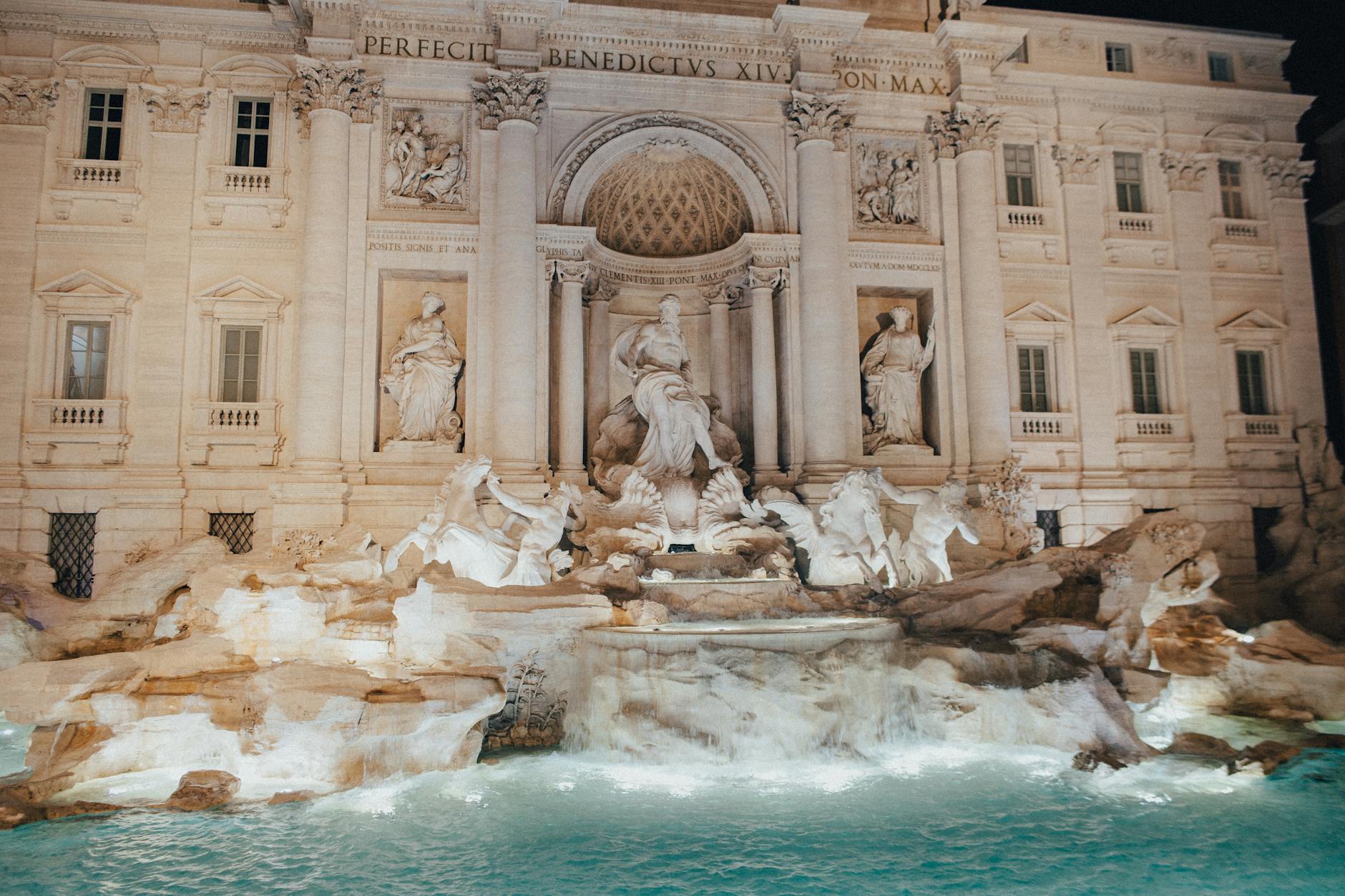
I lavori dureranno mese e mezzo per un costo 327 mila euro. Come accennato prima l’opera rimarrà visibile grazie alla realizzazione di una recinzione trasparente e un ponte calpestabile.
Negli ultimi anni la Fontana di Trevi è stata sottoposta a diversi interventi. Il primo restauro moderno è stato eseguito tra il 1989 e il 1991, la manutenzione della parte centrale è stata eseguita dei nuovo nel 1999 mentre un altro restauro complessivo è stato fatto tra il 1014 e il 2015, pagato da Fendi.
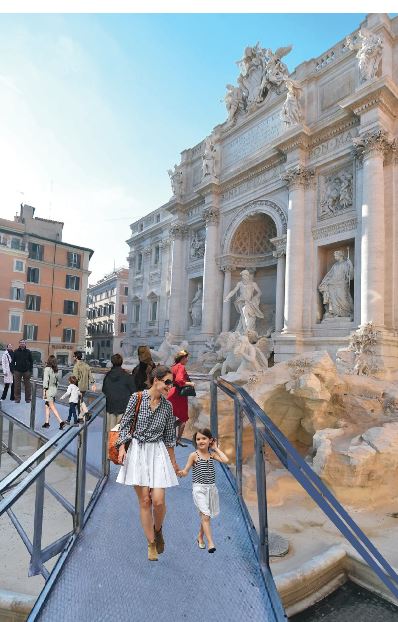
“La nostra volontà è di stabilire un numero massimo di persone che potranno stare nella parte inferiore della fontana – spiega Gualtieri, sindaco di Roma- e poi un numero contingentato di persone che entrano. Quando la passerella verrà tolta, ci sarà una modalità nuova e contingentata di fruire meglio il monumento. Ci consentirà di capire i flussi. Su questo faremo poi una valutazione per una possibile quarta fase per capire se sarà opportuno introdurre un piccolo contributo economico“.
E così, dopo la bigliettazione del Pantheon, verrà introdotta anche quella relativa alla Fontana di Trevi. Il fatto che la cosa sia già stata presa in considerazione mi fa pensare che si stia cercando solo ‘come’ possa essere fatta.
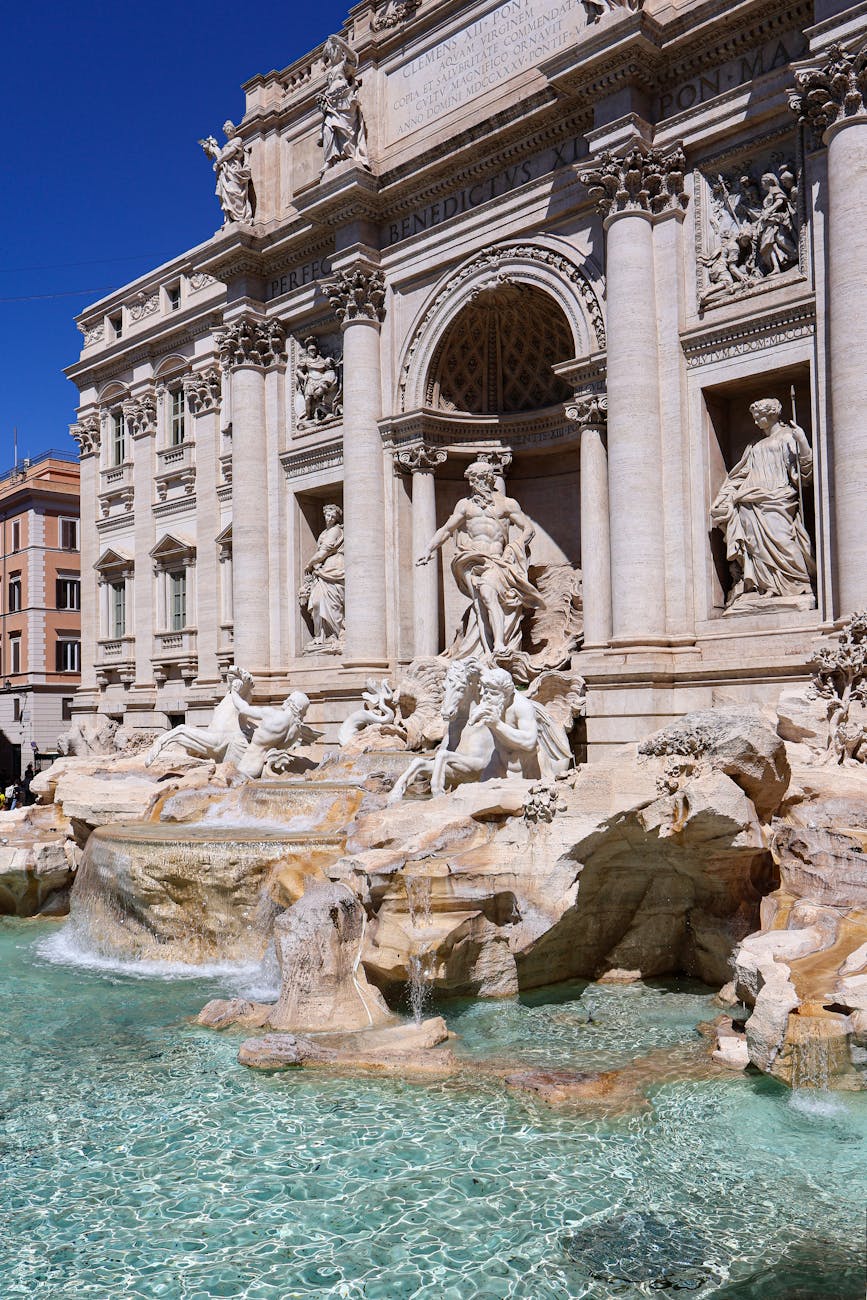
La Fontana di Trevi fu progettata da Nicola Salvi e terminata da Giuseppe Pannini nel 1762, su commissione di papa Clemente XII.
Il papa indisse un concorso per costruire una grandiosa fontana sulla facciata di Palazzo Poli che sarebbe stata alimentata con l’Acquedotto Vergine. E’ l’acquedotto più antico di Roma ancora oggi funzionante, risale addirittura ai tempi dell’Imperatore Augusto che lo fece realizzare a suo genero Agrippa, sì proprio lo stesso architetto del Pantheon.
Per il momento il sempre vostro Michelangelo Buonarroti vi saluta dandovi appuntamento ai prossimi post e sui social.
© All rights reserved
Trevi Fountain: restricted access and ticket
The extraordinary cleaning of the Trevi Fountain, one of the symbolic works of Rome, has begun.
The work should be finished by the beginning of the Jubilee 2025 and in the meantime a temporary walkway will be installed above the basin that will allow visitors to see the sculptural groups up close.
The end of the construction site will coincide with the start of an experiment relating to restricted access. At first the fountain will still be visible for free but there are already plans to make visitors pay a ticket.
The work will last a month and a half for a cost of 327 thousand euros. As mentioned before, the work will remain visible thanks to the construction of a transparent fence and a walkable bridge.
In recent years the Trevi Fountain has undergone several interventions. The first modern restoration was carried out between 1989 and 1991, maintenance of the central part was carried out again in 1999 while another overall restoration was done between 1014 and 2015, paid for by Fendi.
“Our will is to establish a maximum number of people who can be in the lower part of the fountain – explains Gualtieri, mayor of Rome – and then a limited number of people who enter. When the walkway is removed, there will be a new and limited way to better enjoy the monument. It will allow us to understand the flows. We will then make an assessment on this for a possible fourth phase to understand if it will be appropriate to introduce a small financial contribution”.
And so, after the ticketing of the Pantheon, one for the Trevi Fountain will also be introduced. The fact that this has already been taken into consideration makes me think that they are only looking for ‘how’ it can be done.
The Trevi Fountain was designed by Nicola Salvi and completed by Giuseppe Pannini in 1762, commissioned by Pope Clement XII.
The pope announced a competition to build a grandiose fountain on the facade of Palazzo Poli that would be fed by the Virgo Aqueduct. It is the oldest aqueduct in Rome still in operation today, dating back to the time of Emperor Augustus who had it built by his son-in-law Agrippa, yes, the same architect of the Pantheon.
For the moment, yours truly Michelangelo Buonarroti bids you farewell, making an appointment to see you in the next posts and on social media.
© All rights reserved

Sostienici – Support Us
Se questo blog ti piace e ti appassiona, puoi aiutarci a farlo crescere sempre più sostenendoci in modo concreto condividendo i post, seguendo le pagine social e con un contributo che ci aiuta ad andare avanti con il nostro lavoro di divulgazione. . ENGLISH: If you like and are passionate about this blog, you can help us make it grow more and more by supporting us in a concrete way by sharing posts, following social pages and with a contribution that helps us to move forward with our dissemination work.
10,00 €
-
Il mio primo soggiorno a Bologna e l’incontro con Giovan Francesco Aldrovandi
🇮🇹Fuggii da Firenze a soli 19 anni. Senza certezze, senza protezioni. Solo con il mio talento. A Bologna trovai rifugio nella casa di Giovan Francesco Aldrovandi… 🇬🇧I fled Florence at just 19. Without certainties, without protection. Only with my talent. In Bologna, I found refuge in the home of Giovan Francesco Aldrovandi…
-
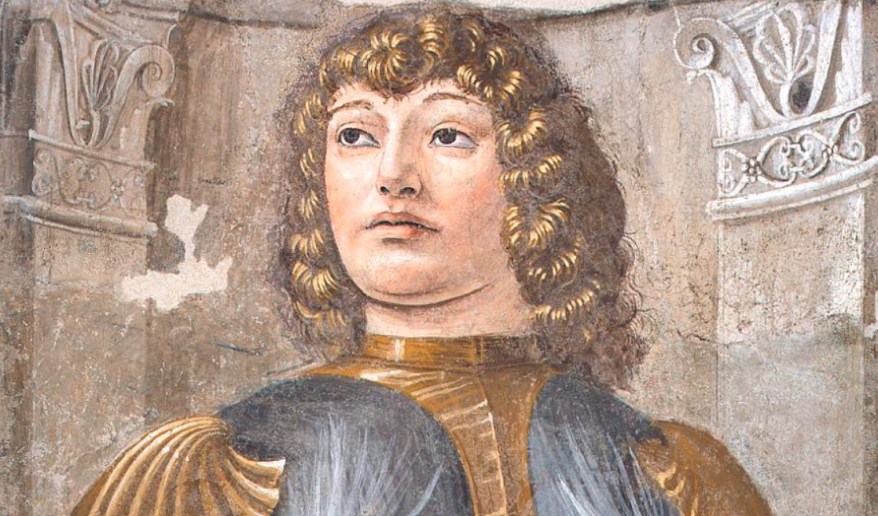
11 aprile 1514: muore Donato Bramante, il genio della scala elicoidale
🇮🇹Era l’11 aprile 1514 quando Donato Bramante morì a Roma. La sua scomparsa non cancellò però le tensioni, le rivalità e i giudizi contrastanti che avevano accompagnato tutta la sua carriera… 🇬🇧It was April 11, 1514, when Donato Bramante died in Rome. His passing, however, did not erase the tensions, rivalries, and conflicting opinions that…
-
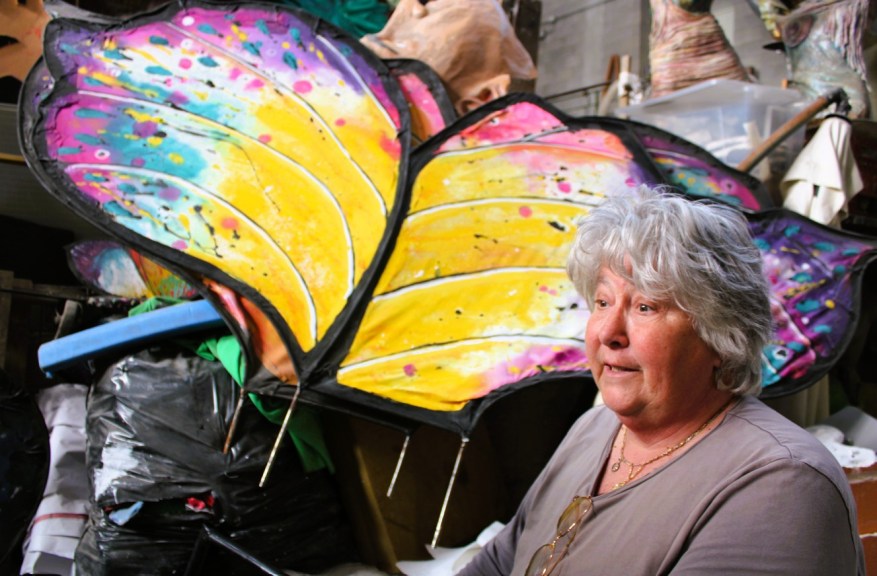
Dentro l’hangar 12 del Carnevale di Viareggio: dove la cartapesta prende vita con Marzia Etna
🇮🇹Ho incontrato Marzia Etna, maestra carrista da 40 anni: mentre racconta, le brillano gli occhi. E capisci subito una cosa: questo non è solo un lavoro, è vita tra carta a calco, ferro e sogni… 🇬🇧I met Marzia Etna, a master float builder for 40 years: her eyes sparkle as she talks. And you immediately…
Condividi:


Questo sono io





sostienici

Sostienici – Support Us
Se questo blog ti piace e ti appassiona, puoi aiutarci a farlo crescere sempre più sostenendoci in modo concreto condividendo i post, seguendo le pagine social e con un contributo che ci aiuta ad andare avanti con il nostro lavoro di divulgazione. . ENGLISH: If you like and are passionate about this blog, you can help us make it grow more and more by supporting us in a concrete way by sharing posts, following social pages and with a contribution that helps us to move forward with our dissemination work.
€10,00


Soluzione indegna !!! È veramente vergognoso mercificare l’arte a questi livelli.
"Mi piace""Mi piace"