
Il dipinto del giorno: la Fornarina di Raffaello
Il dipinto del giorno che vi propongo oggi è la celeberrima Fornarina dipinta a olio su tavola da Raffaello, custodita nella Galleria Nazionale d’Arte Antica di Palazzo Barberini a Roma.
Datata attorno al 1520, questo ritratto ha da sempre suscitato grande interesse e curiosità, tanto da diventare uno dei capolavori più iconici del Rinascimento italiano.

Chi è la Fornarina?
L’identità della donna ritratta è ancora oggi avvolta nel mistero. La tradizione vuole che si tratti di Margherita Luti, una giovane donna di Trastevere, figlia di un fornaio con cui Raffaello avrebbe avuto una relazione sentimentale.
Questa ipotesi si basa su alcuni indizi, come la perla incastonata nel turbante della donna, che in latino si dice “margarita”, e la firma di Raffaello sul bracciale RAPHAEL VRBINAS.
Tuttavia, questa interpretazione non è universalmente accettata. Molti studiosi preferiscono vedere nella Fornarina una rappresentazione idealizzata di Venere, la dea dell’amore, piuttosto che un ritratto realistico di una donna in carne e ossa. Questa lettura allegorica conferisce al dipinto un significato più ampio e profondo, collegandolo alla filosofia neoplatonica molto diffusa nell’ambiente culturale romano dell’epoca.

Un capolavoro, tanti significati
Indipendentemente dall’identità della modella, la Fornarina è un’opera straordinaria per la sua bellezza e per la complessità dei suoi significati. La posa sensuale della donna, lo sguardo languido, la pelle morbida e luminosa, sono tutti elementi che contribuiscono a creare un’atmosfera di intensa sensualità e romanticismo.
Con la mano destra la Fornarina si sostiene un seno quasi come se fosse una Venere pudica ma senza pudore, che quasi finge di nascondersi quanto non è affatto ciò che desidera fare.

L’accenno di paesaggio che si trova sullo sfondo, contribuisce ad accentuare lo sguardo sulla donna.
Le fronde scure degli alberi infatti lasciano intravedere un cielo terso che ha lo stesso colore del bracciale su cui Raffaello volle scrivere il suo nome, firmando di fatto l’opera.

La tecnica pittorica di Raffaello: un maestro del Rinascimento
Raffaello Sanzio, è stato uno dei più grandi artisti del Rinascimento. La sua tecnica pittorica fu il frutto di un lungo processo di sperimentazione e di un’attenta osservazione della natura. Seppe combinare le tradizioni pittoriche umbre, fiorentine e romane, creando uno stile personale ben riconoscibile.
Preferiva dipingere su tavola, spesso di pioppo e le sue composizioni erano dotate di un’armonia ed equilibrio sopraffini. Era in grado di dipingere in modo naturalistico, cercando di rendere al meglio la bellezza e la perfezione delle forme umane anche se, diciamola tutta, in questo lo battevo a man bassa.
I volti dei suoi personaggi erano caratterizzati da espressioni delicate e serene e per dare volume alle forme giocava con l’uso delle luci e delle ombre.

Per il momento il sempre vostro Michelangelo Buonarroti vi saluta dandovi appuntamento ai prossimi post e sui social.
© All rights reserved
A proposito, se volete regalarmi un libro, potete farlo scegliendo tra la lista che ho caricato online QUA.
Painting of the day: Raphael’s Fornarina
The painting of the day that I propose to you today is the very famous Fornarina painted in oil on wood by Raphael, kept in the Galleria Nazionale d’Arte Antica in Palazzo Barberini in Rome.
Dated around 1520, this portrait has always aroused great interest and curiosity, so much so that it has become one of the most iconic masterpieces of the Italian Renaissance.
Who is the Fornarina?
The identity of the woman portrayed is still shrouded in mystery today. Tradition has it that she is Margherita Luti, a young woman from Trastevere, daughter of a baker with whom Raphael had a romantic relationship.
This hypothesis is based on some clues, such as the pearl set in the woman’s turban, which in Latin is called “margarita”, and Raphael’s signature on the bracelet RAPHAEL VRBINAS.
However, this interpretation is not universally accepted. Many scholars prefer to see the Fornarina as an idealized representation of Venus, the goddess of love, rather than a realistic portrait of a real woman. This allegorical reading gives the painting a broader and deeper meaning, connecting it to the Neoplatonic philosophy that was widespread in the Roman cultural environment of the time.
A masterpiece, many meanings
Regardless of the identity of the model, the Fornarina is an extraordinary work for its beauty and the complexity of its meanings. The sensual pose of the woman, the languid gaze, the soft and luminous skin, are all elements that contribute to creating an atmosphere of intense sensuality and romanticism.
With her right hand the Fornarina supports her breast almost as if she were a modest but shameless Venus, who almost pretends to hide when this is not at all what she wants to do.
The hint of landscape in the background helps to accentuate the gaze on the woman.
The dark branches of the trees in fact allow a glimpse of a clear sky that has the same color as the bracelet on which Raphael wanted to write his name, effectively signing the work.
Raphael’s painting technique: a master of the Renaissance
Raffaello Sanzio was one of the greatest artists of the Renaissance. His painting technique was the result of a long process of experimentation and careful observation of nature. He was able to combine the Umbrian, Florentine and Roman painting traditions, creating a recognizable personal style.
He preferred to paint on wood, often poplar, and his compositions were endowed with a superfine harmony and balance. He was able to paint in a naturalistic way, trying to best render the beauty and perfection of human forms even if, let’s face it, I beat him hands down in this.
The faces of his characters were characterized by delicate and serene expressions and to give volume to the forms he played with the use of light and shadow.
For the moment, your always Michelangelo Buonarroti says goodbye and gives you an appointment for the next posts and on social media.
© All rights reserved
By the way, if you want to give me a book, you can do so by choosing from the list I uploaded online HERE.

Sostienici – Support Us
Se questo blog ti piace e ti appassiona, puoi aiutarci a farlo crescere sempre più sostenendoci in modo concreto condividendo i post, seguendo le pagine social e con un contributo che ci aiuta ad andare avanti con il nostro lavoro di divulgazione. . ENGLISH: If you like and are passionate about this blog, you can help us make it grow more and more by supporting us in a concrete way by sharing posts, following social pages and with a contribution that helps us to move forward with our dissemination work.
10,00 €
-
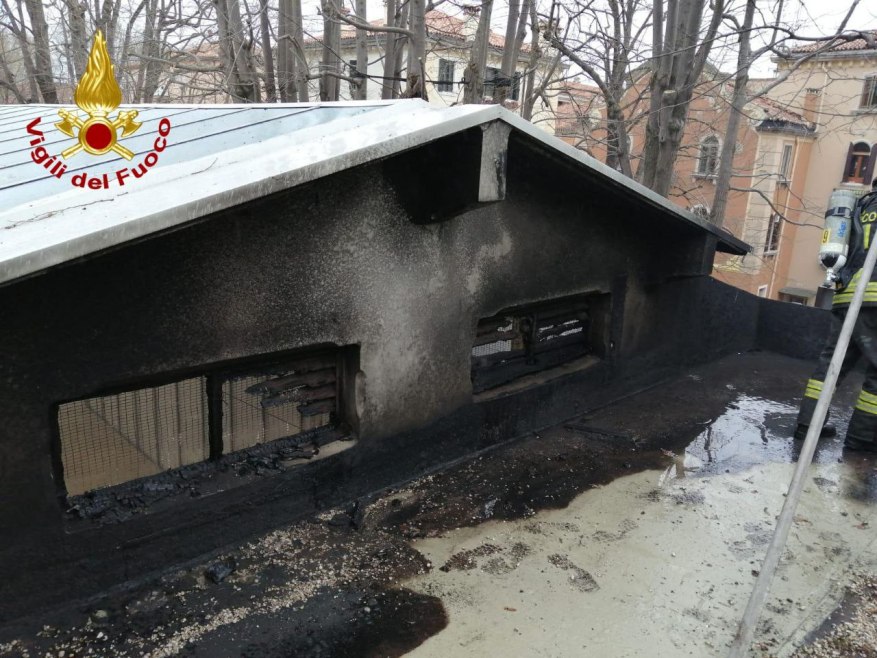
Incendio alla copertura di un padiglione della Biennale di Venezia: fiamme domate dai vigili del fuoco
🇮🇹Paura nella mattinata a Venezia: intervento tempestivo dei vigili del fuoco evita conseguenze più gravi. In corso la messa in sicurezza dell’area… 🇬🇧 Fear in the morning in Venice: timely intervention by firefighters averted more serious consequences. The area is being secured…
-
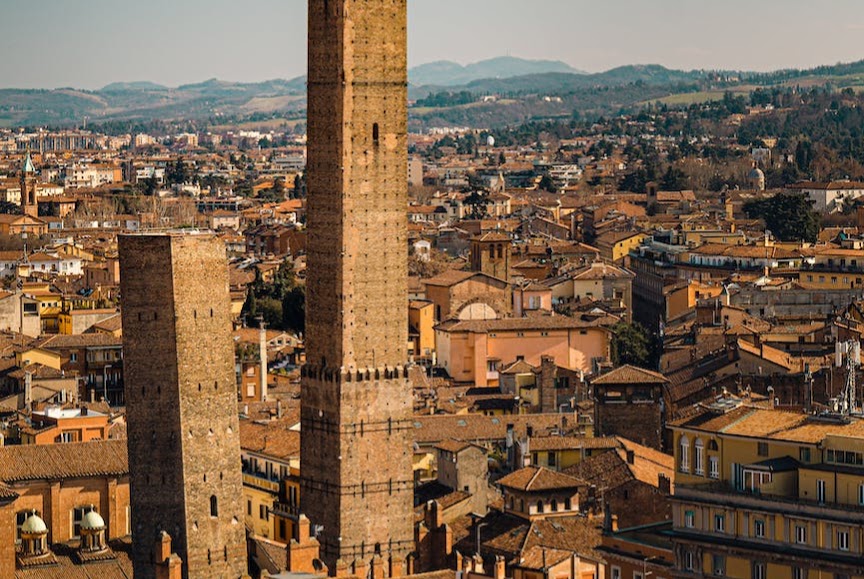
18 marzo 1508: lo svelamento del Giulio II di bronzo, a Bologna
🇮🇹18 marzo 1508: quel giorno, a Bologna, il velo cadde. Davanti agli occhi dei bolognesi apparve il mio Giulio II: un colosso in bronzo, alto quasi cinque metri, seduto e severo. Non benediva ma giudicava e redarguiva. 🇬🇧March 18, 1508: that day, in Bologna, the veil fell. Before the eyes of the Bolognese, my Julius…
-
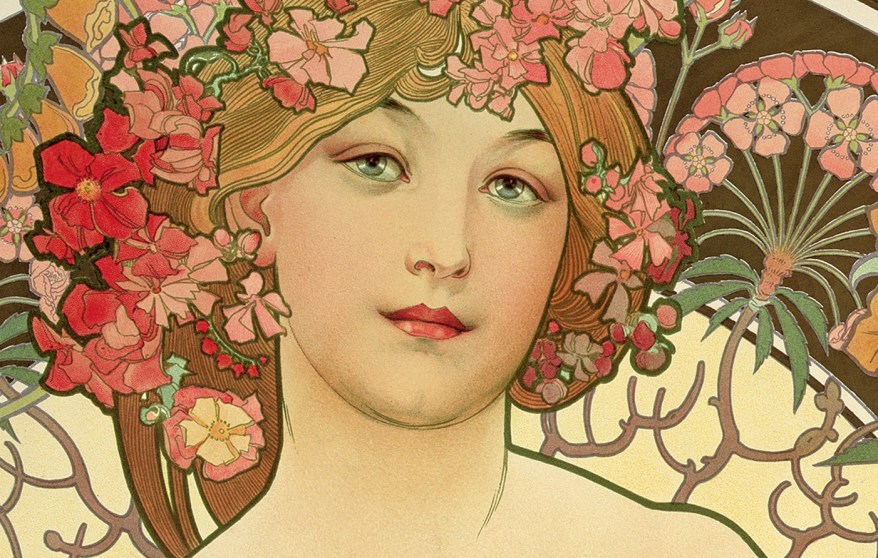
L’arte sta diventando intrattenimento? Tra spettacolo e cultura
🇮🇹L’arte sta diventando intrattenimento? Un’analisi del confine sempre più sottile tra spettacolo, social media e cultura nel mondo artistico contemporaneo. Stiamo vivendo l’arte o consumandola? 🇬🇧Is art becoming entertainment? An analysis of the increasingly blurred line between entertainment, social media, and culture in the contemporary art world. Are we experiencing art or consuming it?
Condividi:


Questo sono io





sostienici

Sostienici – Support Us
Se questo blog ti piace e ti appassiona, puoi aiutarci a farlo crescere sempre più sostenendoci in modo concreto condividendo i post, seguendo le pagine social e con un contributo che ci aiuta ad andare avanti con il nostro lavoro di divulgazione. . ENGLISH: If you like and are passionate about this blog, you can help us make it grow more and more by supporting us in a concrete way by sharing posts, following social pages and with a contribution that helps us to move forward with our dissemination work.
€10,00


Bellissimo ritratto elegante e sensuale, che insegna a vivere le gioie dell’ amore in gioventù. Importante sempre, in ogni epoca, con grazia.
"Mi piace"Piace a 1 persona
opera straordinaria
"Mi piace"Piace a 1 persona