
Dedalo e Icaro di Canova: storia, fortune e simbolismo
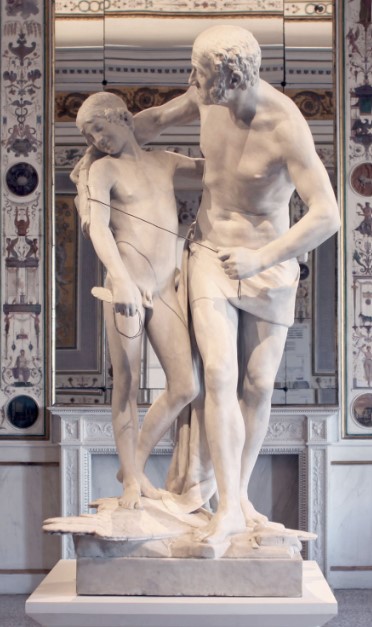
L’opera del giorno che vi propongo oggi è il gruppo scultoreo di Dedalo e Icaro, scolpito nel marmo da Antonio Canova nel 1779.
Mentre il modello originale in gesso è custodito nel prezioso Museo Gypsoteca di Canova a Possagno, l’opera marmorea appartiene al Museo Correr di Venezia.

Fu Pietro Vettori Pisani, procuratore di San Marco, a commissionare Dedalo e Icaro al giovane Antonio Canova. La scultura fu esposta in pubblico e venne molto apprezzata dai veneziani che ebbero la buona sorte di ammirarla in occasione della festa dell’Ascensione.
Vettori Pisani pagò la scultura 100 zecchini, una bella cifra che Canova adoperò per pagarsi il viaggio studio fino a Roma che da tempo desiderava intraprendere.
Dedalo, secondo la mitologia greca, era un abilissimo artigiano ateniese, celebre per la sua ingegnosità. Costretto a fuggire da Atene, si rifugiò a Creta, dove lavorò al servizio del re Minosse. Fu proprio Dedalo a costruire il labirinto, l’intricato edificio a forma di spirale in cui Minosse rinchiuse il Minotauro, una creatura mostruosa metà uomo e metà toro.
Minosse, temendo che Dedalo potesse rivelare i segreti del labirinto o aiutare altri a fuggire, lo imprigionò insieme al figlio Icaro. Intrappolati a Creta, padre e figlio idearono un audace piano di fuga: costruire delle ali artificiali per volare via.
Dedalo raccolse un gran numero di piume, le legò con della cera e creò due paia di ali, uno per sé e uno per Icaro.
Prima di partire, Dedalo avvertì solennemente Icaro di non volare troppo vicino al sole. Icaro invece lasciò trasportare sempre più in alto ma il calore del sole sciolse la cera delle sue ali facendolo precipitare in mare.
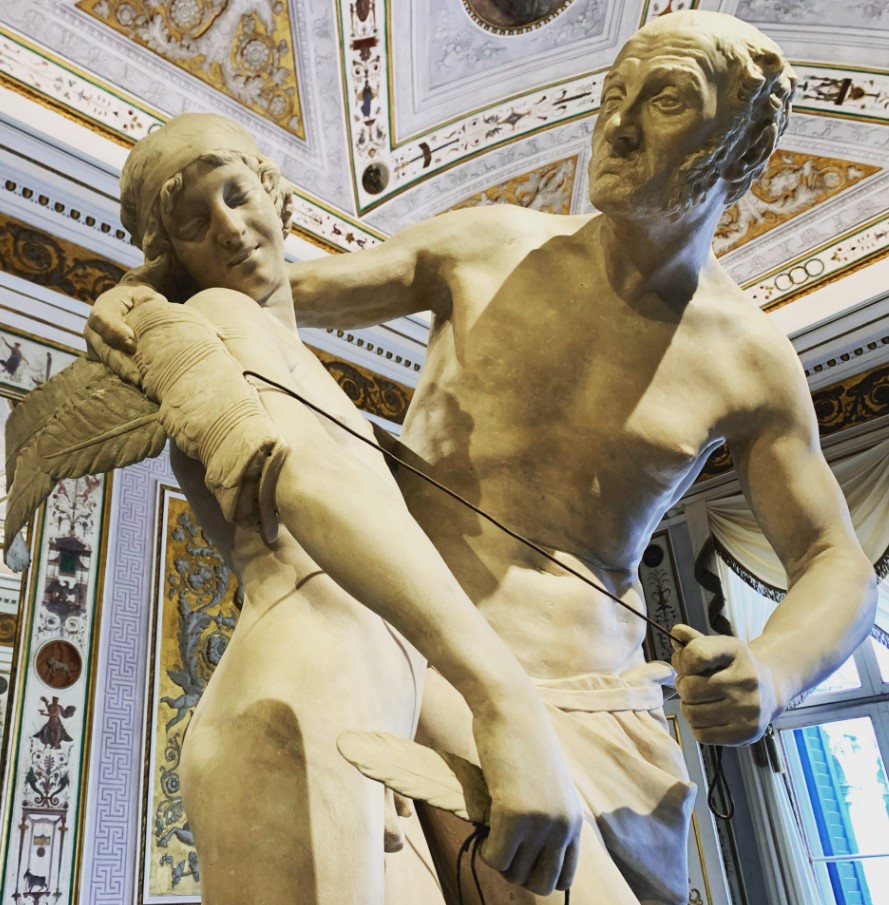
Nella composizione scultorea di Canova si nota il netto contrasto fra la figura anziana di Dedalo che protendendosi in avanti mostra tutta la sua età e il giovane figlio Icaro.
Icaro si inarca sulla schiena.
Le due figure assumono pose opposte sorreggendosi l’un l’altra, creando un perfetto equilibrio sia statico che di forme.
Per il momento il sempre vostro Michelangelo Buonarroti vi saluta dandovi appuntamento ai prossimi post e sui social.
© Riproduzione riservata

Sculpture of the day: Daedalus and Icarus by Canova
The work of the day that I propose to you today is the sculptural group of Daedalus and Icarus, carved in marble by Canova in 1779.
While the original plaster model is kept in the precious Canova Gypsoteca Museum in Possagno, the marble work belongs to the Correr Museum in Venice.
It was Pietro Vettori Pisani, procurator of San Marco, who commissioned Daedalus and Icarus from the young Antonio Canova. The sculpture was exhibited in public and was much appreciated by the Venetians who were lucky enough to admire it on the occasion of the feast of the Ascension.
Vettori Pisani paid 100 zecchini for the sculpture, a nice sum that Canova used to pay for the study trip to Rome that he had long wanted to undertake.
Daedalus, according to Greek mythology, was a very skilled Athenian craftsman, famous for his ingenuity. Forced to flee Athens, he took refuge in Crete, where he worked in the service of King Minos. It was Daedalus who built the labyrinth, the intricate spiral-shaped building in which Minos locked up the Minotaur, a monstrous creature that was half man and half bull.
Minos, fearing that Daedalus might reveal the secrets of the labyrinth or help others escape, imprisoned him along with his son Icarus. Trapped in Crete, father and son devised a daring escape plan: to build artificial wings to fly away.
Daedalus collected a large number of feathers, bound them with wax, and created two pairs of wings, one for himself and one for Icarus.
Before leaving, Daedalus solemnly warned Icarus not to fly too close to the sun. Icarus instead let himself be carried higher and higher, but the heat of the sun melted the wax on his wings, causing him to fall into the sea.
In Canova’s sculptural composition, we can see the clear contrast between the elderly figure of Daedalus, who, leaning forward, shows all his age, and his young son Icarus.
Icarus arches his back.
The two figures assume opposite poses, supporting each other, creating a perfect balance, both static and of forms.
For the moment, yours truly Michelangelo Buonarroti bids you farewell, making an appointment with you in the next posts and on social media.
© All rights reserved

Sostienici – Support Us
Se questo blog ti piace e ti appassiona, puoi aiutarci a farlo crescere sempre più sostenendoci in modo concreto condividendo i post, seguendo le pagine social e con un contributo che ci aiuta ad andare avanti con il nostro lavoro di divulgazione. . ENGLISH: If you like and are passionate about this blog, you can help us make it grow more and more by supporting us in a concrete way by sharing posts, following social pages and with a contribution that helps us to move forward with our dissemination work.
10,00 €
-
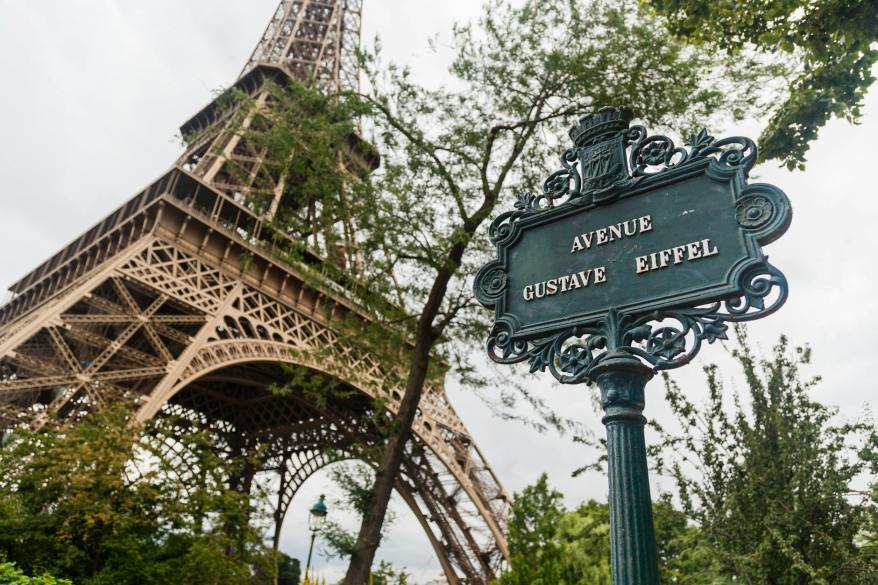
31 marzo 1889: inaugurata la Torre Eiffel tra critiche feroci e un destino inaspettato
🇮🇹Il 31 marzo 1889 segna una data destinata a cambiare per sempre il volto di Parigi e dell’immaginario collettivo globale: viene inaugurata la Torre Eiffel, l’opera più audace e discussa del suo tempo… 🇬🇧March 31, 1889 marks a date destined to change the face of Paris and the global collective imagination forever: the Eiffel Tower,…
-
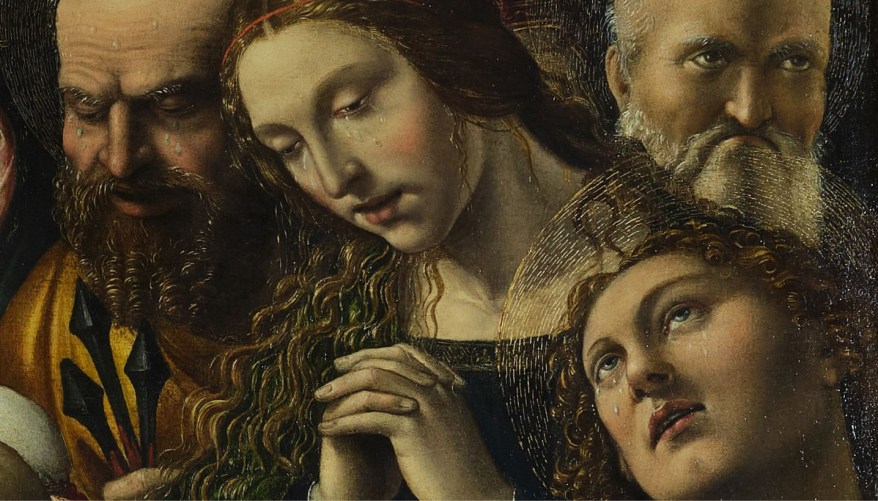
Sodoma in mostra a Torino: il Rinascimento al Museo Accorsi-Ometto
🇮🇹Al Museo di Arti Decorative Accorsi-Ometto arriva una mostra dedicata al Sodoma: oltre 50 opere, alcune mai viste prima, raccontano la formazione dell’artista e il suo dialogo con maestri come Pinturicchio… 🇬🇧An exhibition dedicated to Sodoma arrives at the Accorsi-Ometto Museum of Decorative Arts: over 50 works, some never before seen, recount the artist’s development…
-
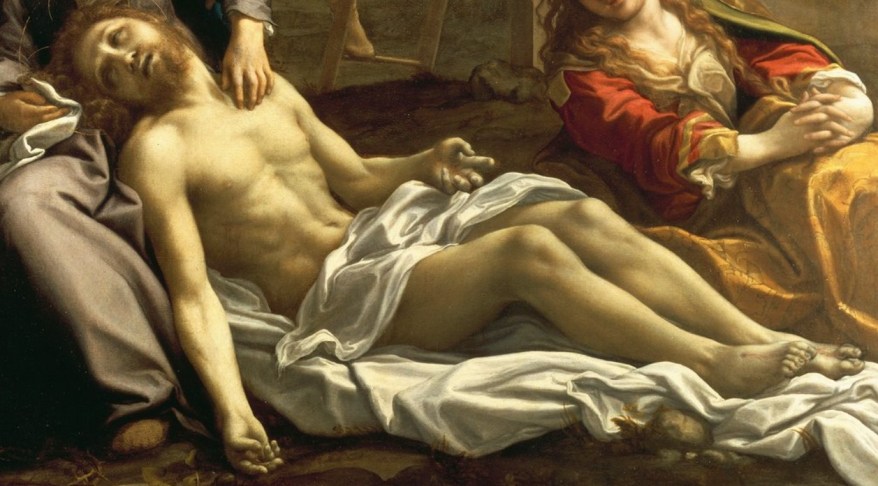
Il Compianto sul Cristo morto di Correggio: pathos e devozione
🇮🇹Con l’inizio della Settimana Santa, vi propongo il Compianto sul Cristo morto di Antonio Allegri, più noto come il Correggio: uno dei vertici assoluti della pittura emiliana del Cinquecento… 🇬🇧With the beginning of Holy Week, I propose the Lamentation over the Dead Christ by Antonio Allegri, better known as Correggio: one of the absolute peaks…
Condividi:


Questo sono io





sostienici

Sostienici – Support Us
Se questo blog ti piace e ti appassiona, puoi aiutarci a farlo crescere sempre più sostenendoci in modo concreto condividendo i post, seguendo le pagine social e con un contributo che ci aiuta ad andare avanti con il nostro lavoro di divulgazione. . ENGLISH: If you like and are passionate about this blog, you can help us make it grow more and more by supporting us in a concrete way by sharing posts, following social pages and with a contribution that helps us to move forward with our dissemination work.
€10,00


1 commento »