

Capri: inaugurato il nuovo Museo Archeologico con un viaggio nell’Epoca degli Imperatori
Sono oltre 120 i reperti esposti nel nuovo Museo Archeologico di Capri con la mostra Un Viaggio Immersivo nell’Epoca degli Imperatori.
Allestito all’interno negli spazi del Quarto del Priore della Certosa di San Giacomo, propone ai visitatori un’esperienza immersiva nell’epoca degli imperatori romani, in particolare Augusto e Tiberio che scelsero l’isola come loro rifugio.

Otto le sale che si susseguono esponendo pregiate sculture in marmo, affreschi, vasellame in ceramica e argento ma anche pregiati elementi architettonici.
Ogni oggetto racconta un pezzo di storia di Capri, nel suo momento di massimo splendore. Fulcro del nuovo museo archeologico sono i reperti rinvenuti sull’isola, finora custoditi nei depositi della Certosa di San Giacomo e del Museo Archeologico Nazionale di Napoli.
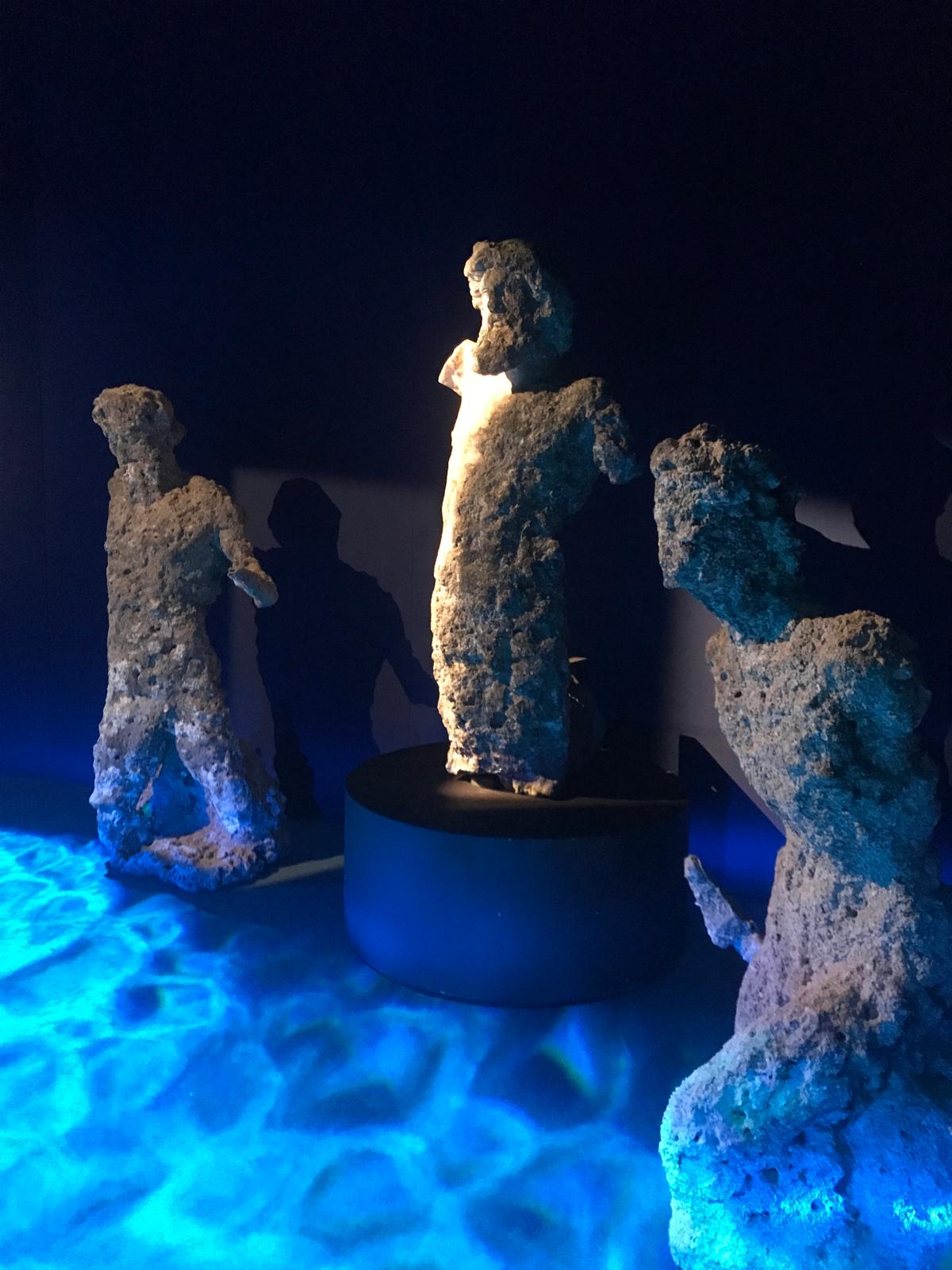
A questi si aggiungono numerosi oggetti della stessa epoca provenienti da varie aree della Campania e recuperati grazie all’operato del Comando Carabinieri Tutela Patrimonio Culturale, tra cui tre bellissime coppe in argento rientrate dagli Stati Uniti e un affresco suggestivo proveniente dall’area vesuviana che riproduce un tempio.
Per garantire un’esperienza inclusiva, il museo ha integrato supporti multimediali che consentono di esplorare le dodici ville imperiali ricordate dalle fonti antiche e di approfondirne la storia ma anche gli scavi e la fortuna.

La natura selvaggia di Capri
La prima sala introduce il visitatore alla bellezza selvaggia dell’isola, evocata da un maestoso quadro e da una proiezione che rimanda alla natura odierna.
La battaglia di Azio e l’ascesa di Augusto
La seconda sala narra la battaglia di Azio, evento cruciale che portò Augusto al potere e che segnò l’inizio di un nuovo sistema politico.

La vita quotidiana sull’isola
Le sale successive offrono uno spaccato della vita quotidiana a Capri, con reperti che vanno dai gioielli alle attrezzi da lavoro.
Le ville degli imperatori
Un’intera sezione è dedicata alle ville degli imperatori, con ricostruzioni e modelli che permettono di immaginare la magnificenza di queste residenze estive.

Oltre ai reperti rinvenuti nel territorio isolano, con “Un Viaggio Immersivo nell’Epoca degli Imperatori” si restituiscono alla pubblica fruizione altri oggetti utili a completare il racconto museale, conservati nei depositi di altri musei o provenienti da recuperi condotti dai Carabinieri.
La nuova apertura del Museo Archeologico di Capri rappresenta un importante passo nella valorizzazione del patrimonio culturale dell’isola e un’occasione per conoscere meglio l’isola sia da parte dei residenti che dei turisti.

Per il momento il sempre vostro Michelangelo Buonarroti vi saluta dandovi appuntamento ai prossimi post e sui social.

Sostienici – Support Us
Se questo blog ti piace e ti appassiona, puoi aiutarci a farlo crescere sempre più sostenendoci in modo concreto condividendo i post, seguendo le pagine social e con un contributo che ci aiuta ad andare avanti con il nostro lavoro di divulgazione. . ENGLISH: If you like and are passionate about this blog, you can help us make it grow more and more by supporting us in a concrete way by sharing posts, following social pages and with a contribution that helps us to move forward with our dissemination work.
10,00 €

Capri: the new archaeological museum has been inaugurated with a journey into the Age of the Emperors
There are over 120 finds on display in the new Archaeological Museum of Capri with the exhibition An Immersive Journey into the Age of the Emperors.
Set up inside the spaces of the Quarto del Priore of the Certosa di San Giacomo, it offers visitors an immersive experience into the age of the Roman emperors, in particular Augustus and Tiberius who chose the island as their refuge.
Eight rooms that follow one another exhibiting precious marble sculptures, frescoes, ceramic and silver pottery but also precious architectural elements.
Each object tells a piece of Capri’s history, in its moment of maximum splendor. The fulcrum of the new archaeological museum are the finds discovered on the island, until now kept in the deposits of the Certosa di San Giacomo and the National Archaeological Museum of Naples.
In addition to these, there are numerous objects from the same period from various areas of Campania and recovered thanks to the work of the Carabinieri Command for the Protection of Cultural Heritage, including three beautiful silver cups returned from the United States and an evocative fresco from the Vesuvian area that reproduces a temple.
To ensure an inclusive experience, the museum has integrated multimedia supports that allow you to explore the twelve imperial villas mentioned in ancient sources and to delve into their history but also their excavations and fortune.
The wild nature of Capri
The first room introduces the visitor to the wild beauty of the island, evoked by a majestic painting and a projection that refers to today’s nature.
The Battle of Actium and the rise of Augustus
The second room narrates the Battle of Actium, a crucial event that brought Augustus to power and marked the beginning of a new political system.
Daily life on the island
The following rooms offer a glimpse of daily life on Capri, with finds ranging from jewelry to work tools.
The Emperors’ Villas
An entire section is dedicated to the emperors’ villas, with reconstructions and models that allow you to imagine the magnificence of these summer residences.
In addition to the finds discovered in the island territory, with “An Immersive Journey into the Age of Emperors” other objects useful for completing the museum story are returned to public use, preserved in the deposits of other museums or from recoveries conducted by the Carabinieri.
The new opening of the Archaeological Museum of Capri represents an important step in the enhancement of the island’s cultural heritage and an opportunity for both residents and tourists to get to know the island better.
For the moment, your ever Michelangelo Buonarroti bids you farewell, making an appointment with you in the next posts and on social media.
Sostienici – Support Us
Se questo blog ti piace e ti appassiona, puoi aiutarci a farlo crescere sempre più sostenendoci in modo concreto condividendo i post, seguendo le pagine social e con un contributo che ci aiuta ad andare avanti con il nostro lavoro di divulgazione. . ENGLISH: If you like and are passionate about this blog, you can help us make it grow more and more by supporting us in a concrete way by sharing posts, following social pages and with a contribution that helps us to move forward with our dissemination work.
10,00 €
-
Venerdì Santo: gli “Ecce Homo” più intensi della storia dell’arte
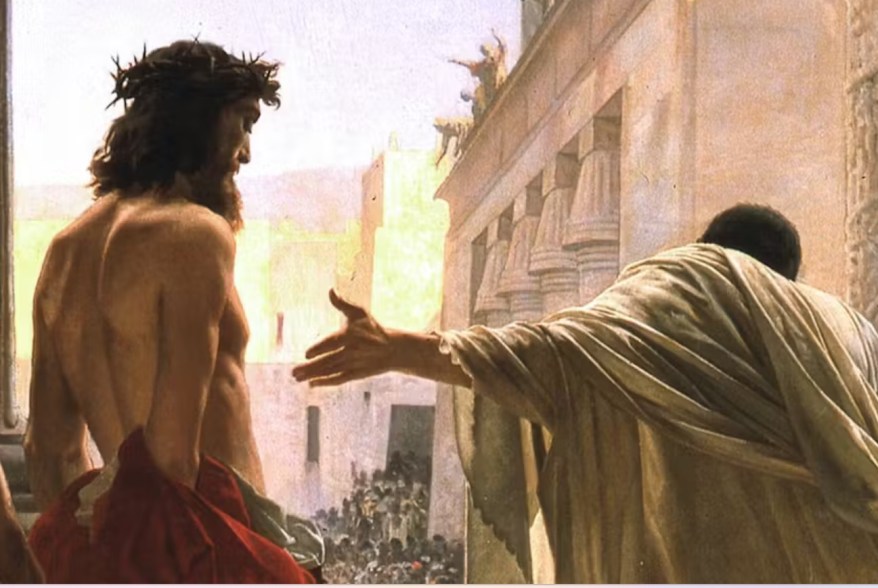
🇮🇹Ecce Homo. Da Antonello da Messina a Tintoretto, fino al sorprendente capolavoro di Antonio Ciseri, questo soggetto ha attraversato i secoli raccontando dolore, umanità e coscienza… 🇬🇧Ecce Homo. From Antonello da Messina to Tintoretto, to Antonio Ciseri’s astonishing masterpiece, this subject has spanned the centuries, recounting pain, humanity, and conscience…
-
Attacco hacker agli Uffizi: rubati dati sensibili, mappe e codici di sicurezza
🇮🇹Attacco hacker alle Gallerie degli Uffizi: rubati dati sensibili, mappe e sistemi di sicurezza. A rischio opere, archivi e cybersicurezza del patrimonio artistico… 🇬🇧Hacker attack on the Uffizi Galleries: sensitive data, maps, and security systems stolen. Works of art, archives, and the cybersecurity of the artistic heritage are at risk…
-
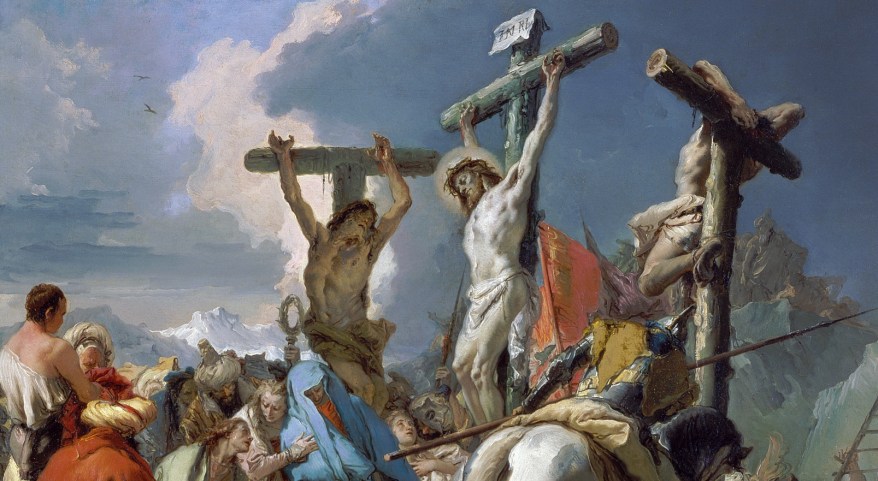
Venerdì Santo: la Crocifissione secondo Tiepolo
🇮🇹Nel giorno del Venerdì Santo, c’è un’opera che riesce ancora a scuotere lo sguardo. La Crocifissione di Giambattista Tiepolo non è come le altre: niente simmetrie perfette, niente distanza. Qui si entra dentro la scena, da un punto di vista obliquo, tra movimento, tensione e umanità… 🇬🇧On Good Friday, there’s a work that still manages…
Condividi:


Questo sono io





sostienici

Sostienici - Support Us
Se questo blog ti piace e ti appassiona, puoi aiutarci a farlo crescere sempre più sostenendoci in modo concreto condividendo i post, seguendo le pagine social e con un contributo che ci aiuta ad andare avanti con il nostro lavoro di divulgazione. . ENGLISH: If you like and are passionate about this blog, you can help us make it grow more and more by supporting us in a concrete way by sharing posts, following social pages and with a contribution that helps us to move forward with our dissemination work.
€10,00


