
Etruschi: artisti e artigiani a Bolzano
È in preparazione la mostra “Etruschi. Artisti e artigiani” a Bolzano, presso il Centro Trevilab, organizzata in stretta collaborazione con il Museo Nazionale Etrusco di Villa Giulia, museo che conserva la più importante raccolta di reperti etruschi al mondo.
L’a mostra’esposizione, curata da Maria Paola Guidobaldi e da Valentina Belfiore, responsabili scientifiche e curatrici del museo romani, rientra nella seconda tappa della rassegna “Storie dell’arte con i grandi musei”: un percorso pluriennale mirato a far scoprire le grandi civiltà antiche e moderne.
Non si tratta dell’ennesima mostra assai generica sugli Etruschi, ma è la proposta di un’indagine specifica della loro grande civiltà ovvero quella della produzione artistica e artigianale che caratterizza queste antiche popolazioni.
“Le manifestazioni dell’“artigianato artistico rappresentano un medium privilegiato per accostarsi alla conoscenza e allo studio degli Etruschi
Nella necessaria selezione di oggetti significativi per l’argomento trattato, la mostra intende offrire un excursus tanto sintetico quanto evocativo dei capolavori e delle più caratteristiche produzioni dell’artigianato, del pantheon etrusco e delle forme di devozione diffuse a vari livelli della società. Al tempo stesso, l’occasione si configura come una straordinaria possibilità di conoscere alcuni documenti solitamente conservati nei depositi, che non sono da meno rispetto a quelli abitualmente esposti”
afferma la curatrice Guidobaldi

Saranno otto le sezioni della mostra.
Il percorso inizia dai reperti legati al rito funerario, per offrire poi un excursus sulle produzioni artigianali più tipiche, e tra queste, in particolare, i buccheri.
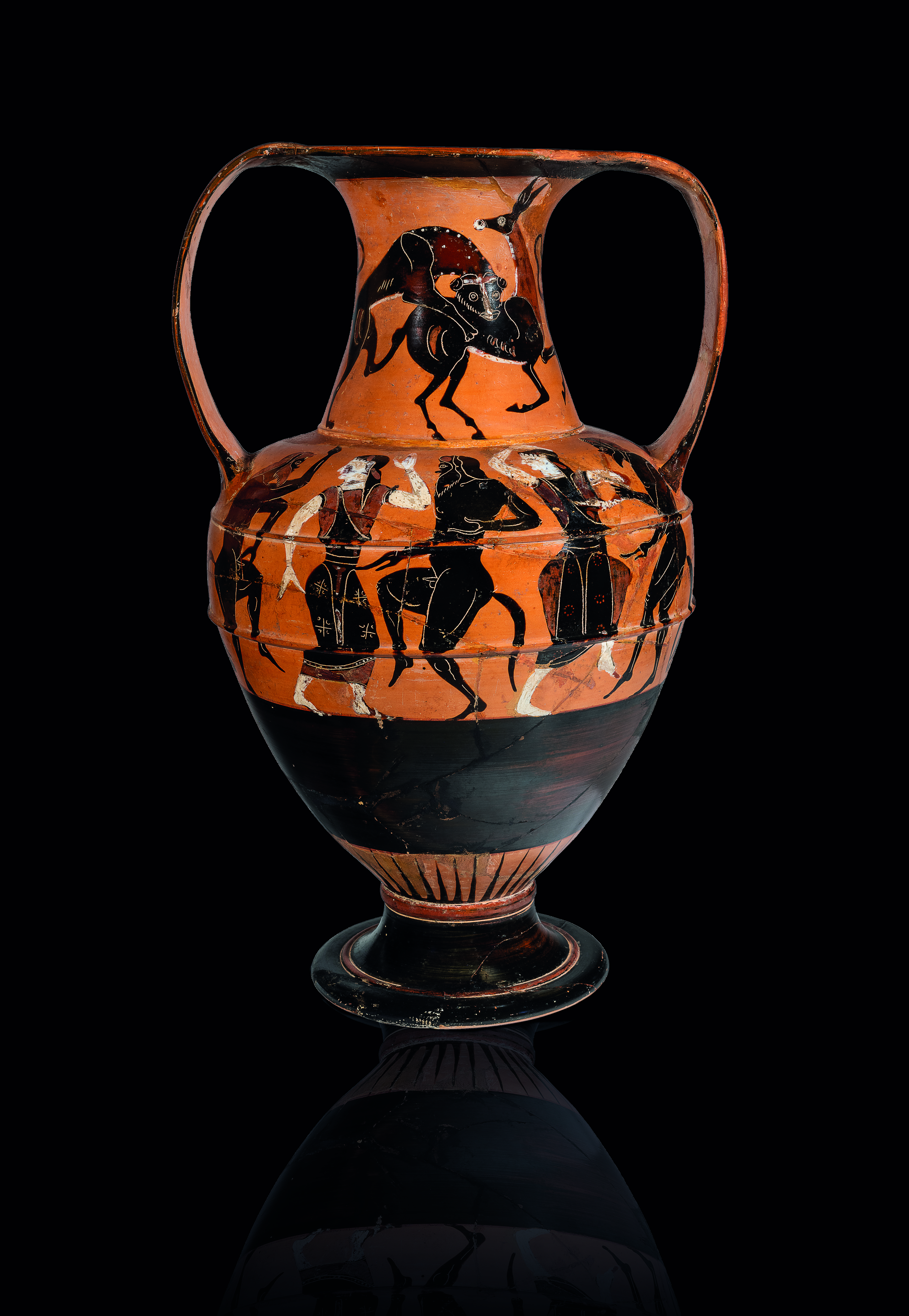
Un focus specifico viene riservato alle ceramiche istoriate e tra esse le anfore a figure nere di fattura greca, firmate da Nikosthenes, realizzate dal celebre maestro greco appositamente per la migliore clientela etrusca.
La successiva sezione è interamente dedicata alle creazioni di artisti e artigiani etruschi che, come i loro “colleghi” greci, firmano le loro creazioni. Ceramisti, bronzisti, coroplasti che creano, e personalizzano, opere per una clientela di élite.
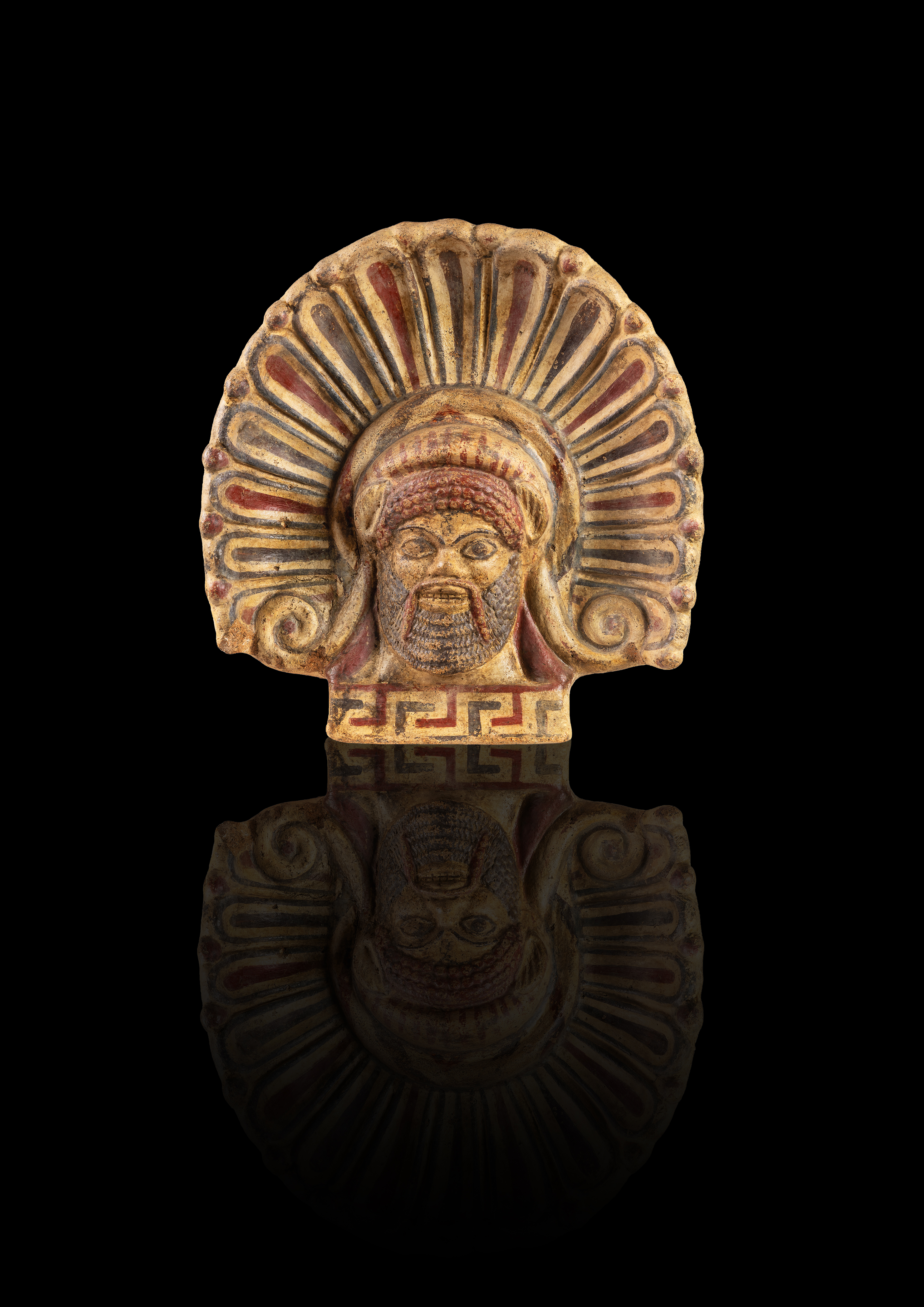
Accanto ai capolavori di celebrati maestri, riservati a pochi, in mostra anche esempi della produzione accessibile a tutti: vasellame da mensa e tutto ciò che serve al banchetto o alla toeletta. La lavorazione del bronzo, in cui gli Etruschi seppero primeggiare, era applicata anche alla forgiatura e cesellatura delle armature. In mostra esemplari altissimi di elmi etrusco-italici: non solo dunque la quotidianità, i banchetti, le feste, le guerre, ma anche il sacro e il culto dei morti.
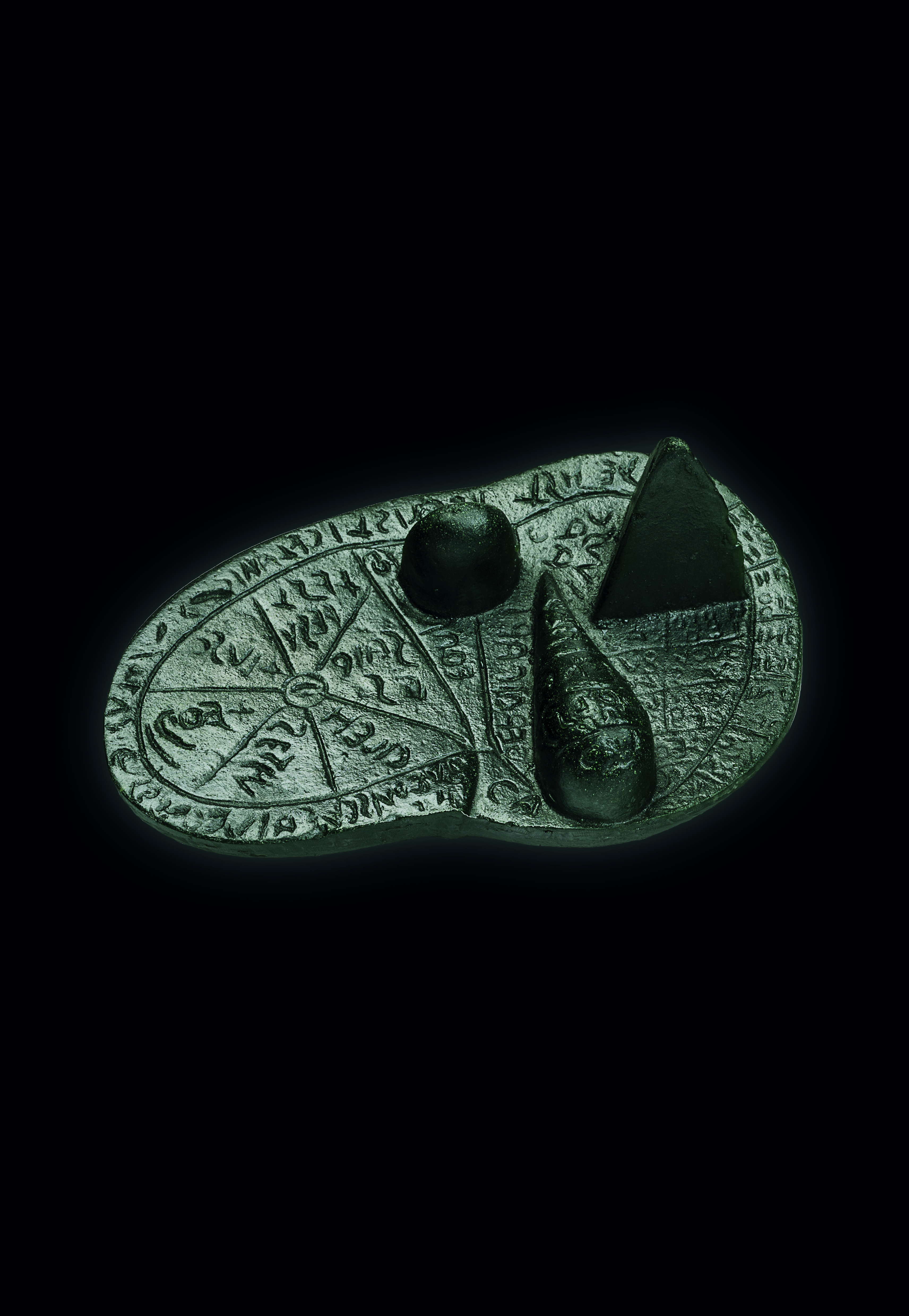
L’’ottava e ultima sezione della mostra è focalizzata sulla sfera del sacro con testimonianze di dediche, bronzetti votivi, offerte e strumenti per il culto e per l’esercizio di pratiche divinatorie.
I reperti selezionati per questa esposizione sono accompagnati da ampi apparati illustrativi e da una linea del tempo che consentono di inserire i singoli reperti nel più ampio contesto al quale erano in originale destinati e, al medesimo momento di seguire l’evoluzione di una civiltà che ha segnato la storia della penisola e dell’Europa e che come poche affascina e colpisce, duemila anni dopo, il pubblico.
ETRUSCHI. Artisti e artigiani
Bolzano, Centro Trevi-Trevilab. Dal 24 ottobre 2024 al 2 febbraio 2025
Per il momento il sempre vostro Michelangelo Buonarroti vi saluta dandovi appuntamento ai prossimi post e sui social.

Sostienici – Support Us
Se questo blog ti piace e ti appassiona, puoi aiutarci a farlo crescere sempre più sostenendoci in modo concreto condividendo i post, seguendo le pagine social e con un contributo che ci aiuta ad andare avanti con il nostro lavoro di divulgazione. . ENGLISH: If you like and are passionate about this blog, you can help us make it grow more and more by supporting us in a concrete way by sharing posts, following social pages and with a contribution that helps us to move forward with our dissemination work.
10,00 €
Etruscans: artists and craftsmen in Bolzano
The exhibition “Etruscans. Artists and artisans” in Bolzano, at the Trevilab Center, organized in close collaboration with the National Etruscan Museum of Villa Giulia, a museum that preserves the most important collection of Etruscan finds in the world.
The exhibition, curated by Maria Paola Guidobaldi and Valentina Belfiore, scientific managers and curators of the Roman museum, is part of the second stage of the “History of art with great museums” review: a multi-year journey aimed at discovering the great ancient and modern civilizations.
This is not yet another very generic exhibition on the Etruscans, but is the proposal for a specific investigation of their great civilization or that of the artistic and artisanal production that characterizes these ancient populations.
“The manifestations of artistic craftsmanship represent a privileged medium for approaching the knowledge and study of the Etruscans
In the necessary selection of significant objects for the topic covered, the exhibition intends to offer an excursus as synthetic as it is evocative of the masterpieces and the most characteristic productions of craftsmanship, of the Etruscan pantheon and of the forms of devotion widespread at various levels of society. At the same time, the occasion presents itself as an extraordinary opportunity to learn about some documents usually kept in deposits, which are no less than those usually displayed”; says curator Guidobaldi.
There will be eight sections of the exhibition.
The itinerary begins with the finds linked to the funerary rite, to then offer an excursus on the most typical artisanal productions, and among these, in particular, buccheri.
A specific focus is reserved for historiated ceramics and among them the black-figure amphorae of Greek workmanship, signed by Nikosthenes, created by the famous Greek master specifically for the best Etruscan clientele.
The next section is entirely dedicated to the creations of Etruscan artists and craftsmen who, like their Greek “colleagues”, sign their creations. Ceramists, bronze workers, coroplasts who create and personalize works for an elite clientele.
Alongside the masterpieces of celebrated masters, reserved for a few, also on display are examples of production accessible to all: tableware and everything needed for a banquet or toilet. Bronze working, in which the Etruscans excelled, was also applied to the forging and chiseling of armour. On display are very tall examples of Etruscan-Italic helmets: therefore not only everyday life, banquets, parties, wars, but also the sacred and the cult of the dead.
The eighth and final section of the exhibition focuses on the sphere of the sacred with evidence of dedications, votive bronzes, offerings and instruments for worship and for the exercise of divination practices.
The finds selected for this exhibition are accompanied by extensive illustrative apparatus and a time line that allow the individual finds to be inserted into the broader context for which they were originally intended and, at the same time, to follow the evolution of a civilization that has marked the history of the peninsula and of Europe and which fascinates and strikes the public like few others, two thousand years later.
ETRUSCANS. Artists and craftsmen
Bolzano, Trevi-Trevilab Center. From 24 October 2024 to 2 February 2025
For the moment, your always Michelangelo Buonarroti greets you and will meet you in the next posts and on social media.
Sostienici – Support Us
Se questo blog ti piace e ti appassiona, puoi aiutarci a farlo crescere sempre più sostenendoci in modo concreto condividendo i post, seguendo le pagine social e con un contributo che ci aiuta ad andare avanti con il nostro lavoro di divulgazione. . ENGLISH: If you like and are passionate about this blog, you can help us make it grow more and more by supporting us in a concrete way by sharing posts, following social pages and with a contribution that helps us to move forward with our dissemination work.
10,00 €
-
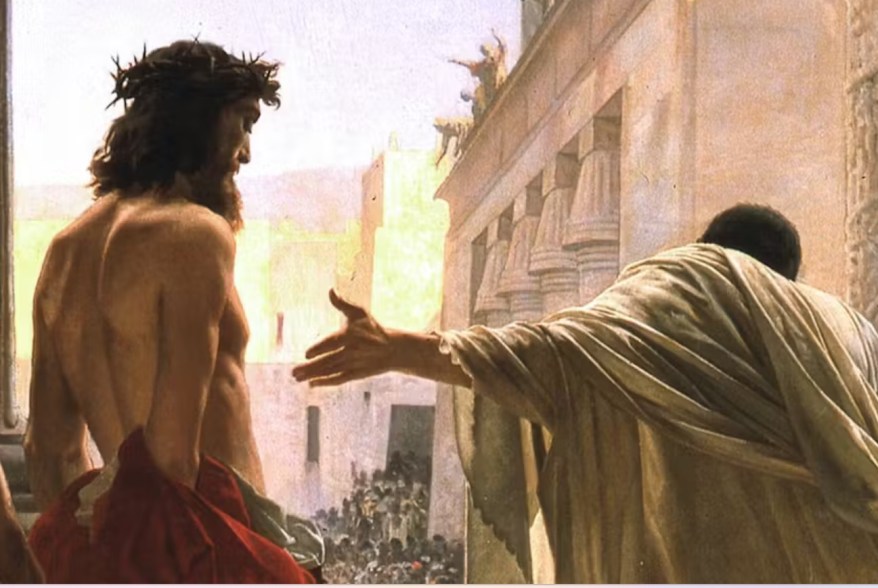
Venerdì Santo: gli “Ecce Homo” più intensi della storia dell’arte
🇮🇹Ecce Homo. Da Antonello da Messina a Tintoretto, fino al sorprendente capolavoro di Antonio Ciseri, questo soggetto ha attraversato i secoli raccontando dolore, umanità e coscienza… 🇬🇧Ecce Homo. From Antonello da Messina to Tintoretto, to Antonio Ciseri’s astonishing masterpiece, this subject has spanned the centuries, recounting pain, humanity, and conscience…
-
Attacco hacker agli Uffizi: rubati dati sensibili, mappe e codici di sicurezza
🇮🇹Attacco hacker alle Gallerie degli Uffizi: rubati dati sensibili, mappe e sistemi di sicurezza. A rischio opere, archivi e cybersicurezza del patrimonio artistico… 🇬🇧Hacker attack on the Uffizi Galleries: sensitive data, maps, and security systems stolen. Works of art, archives, and the cybersecurity of the artistic heritage are at risk…
-
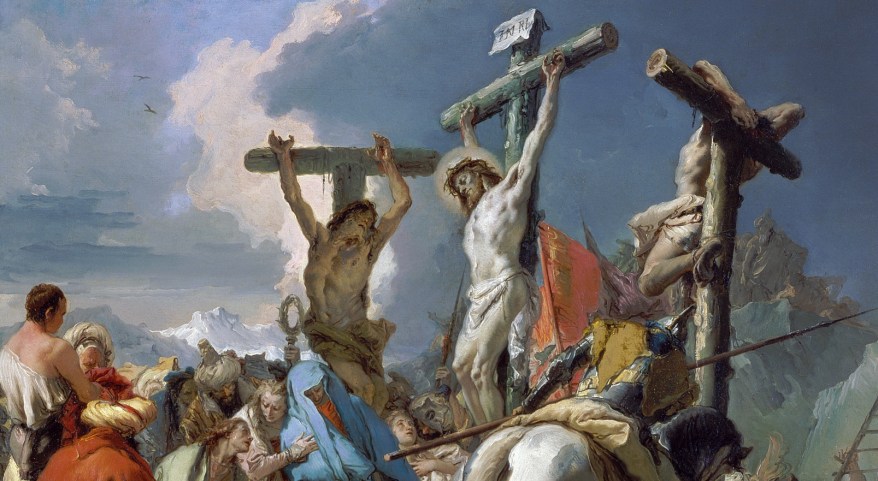
Venerdì Santo: la Crocifissione secondo Tiepolo
🇮🇹Nel giorno del Venerdì Santo, c’è un’opera che riesce ancora a scuotere lo sguardo. La Crocifissione di Giambattista Tiepolo non è come le altre: niente simmetrie perfette, niente distanza. Qui si entra dentro la scena, da un punto di vista obliquo, tra movimento, tensione e umanità… 🇬🇧On Good Friday, there’s a work that still manages…
Condividi:


Questo sono io





sostienici

Sostienici - Support Us
Se questo blog ti piace e ti appassiona, puoi aiutarci a farlo crescere sempre più sostenendoci in modo concreto condividendo i post, seguendo le pagine social e con un contributo che ci aiuta ad andare avanti con il nostro lavoro di divulgazione. . ENGLISH: If you like and are passionate about this blog, you can help us make it grow more and more by supporting us in a concrete way by sharing posts, following social pages and with a contribution that helps us to move forward with our dissemination work.
€10,00


Che mostra affascinante sugli Etruschi a Bolzano! È meraviglioso vedere come l’esposizione “Etruschi: artisti e artigiani” esplori in dettaglio l’artigianato e la produzione artistica di questa antica civiltà. La collaborazione con il Museo Nazionale Etrusco di Villa Giulia e la cura di Guidobaldi e Belfiore promettono un’esperienza educativa e coinvolgente.
"Mi piace""Mi piace"