

29 aprile: la giornata Internazionale della Danza, per Canova sinonimo di grazia, bellezza e movimento
Oggi 29 aprile è la Giornata Internazionale della Danza. Chi meglio di Canova ha saputo interpretare quest’arte con le sue sculture?
Per Canova la danza era sinonimo di grazia, bellezza e movimento. La leggiadria delle giovani e dei giovani protagonisti delle sue opere che si elevano sulle punte muovendosi al ritmo dei cembali o danzando fra di loro come nel bassorilievo custodito nella Gypsoteca di Possagno, mostrano quanto l’artista amasse questa disciplina.

Per Canova la danza divenne un indispensabile linguaggio per comunicare espressività e far muovere i protagonisti delle sue opere, scolpite o dipinte che fossero.
E’ ricorrente il tema della danza nella produzione artistica del più rappresentativo scultore Neoclassico.
Sentendo poi una grande propensione al ballo, ne avrebbe appreso i principj, se l’amore per l’arte non l’avesse trattenuto. Ricordo che talvolta andavamo passeggiando nei giorni festivi nelle Regioni dei Monti e di Trastevere a veder ballare quelle fanciulle della plebe; ballo che nella innocenza di quelle danzatrici molto lo dilettava, ricavandovi sempre la sua morale per alcune osservazioni sulle naturali mosse di quelle ragazze a profitto dell’arte sua.
Così scrisse Antonio d’Este nelle “Memorie di Antonio Canova”, 1864
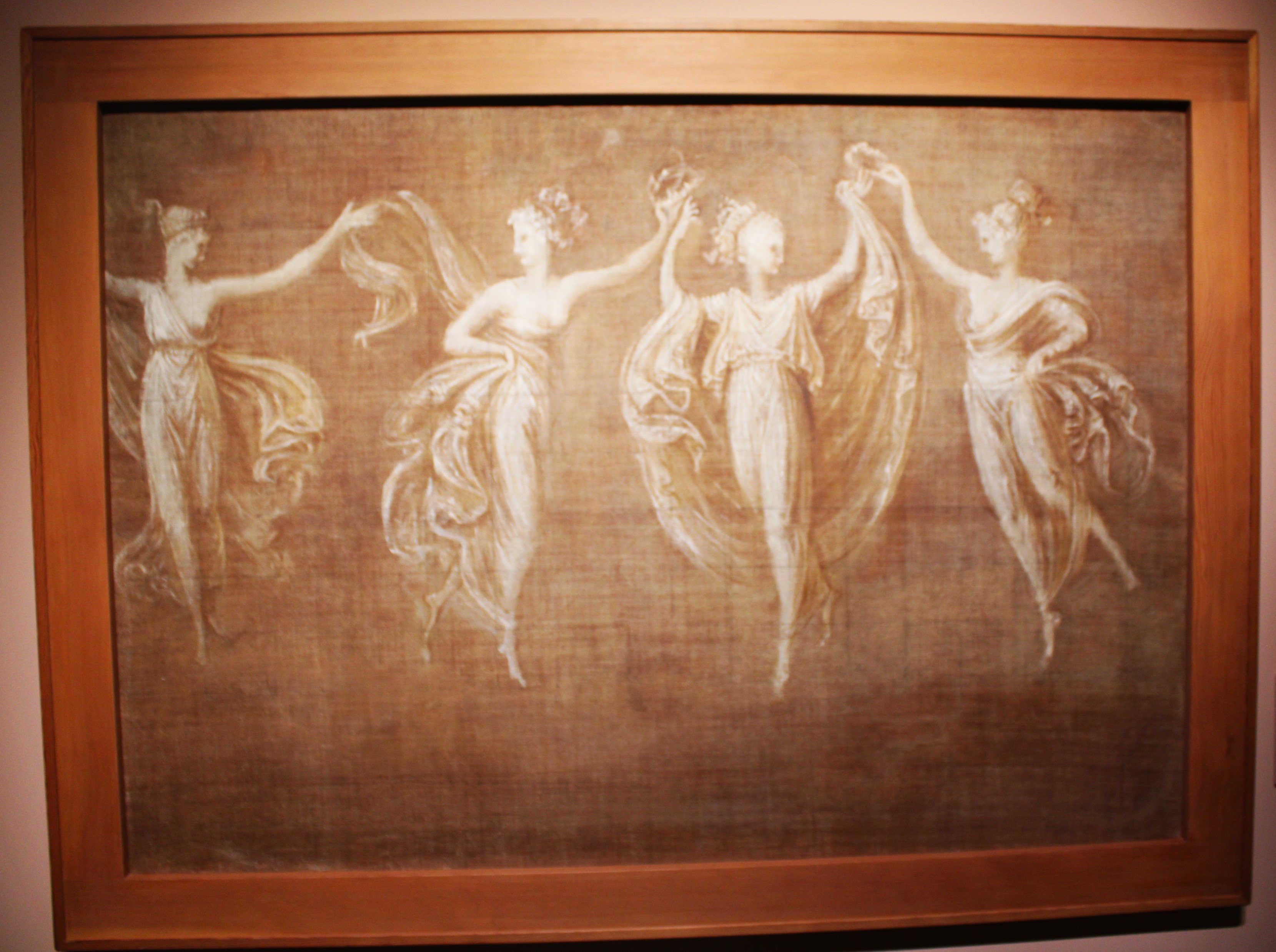
Bassano del Grappa, Musei Civici
Canova scolpendo le danzatrici le libera del peso del corpo.
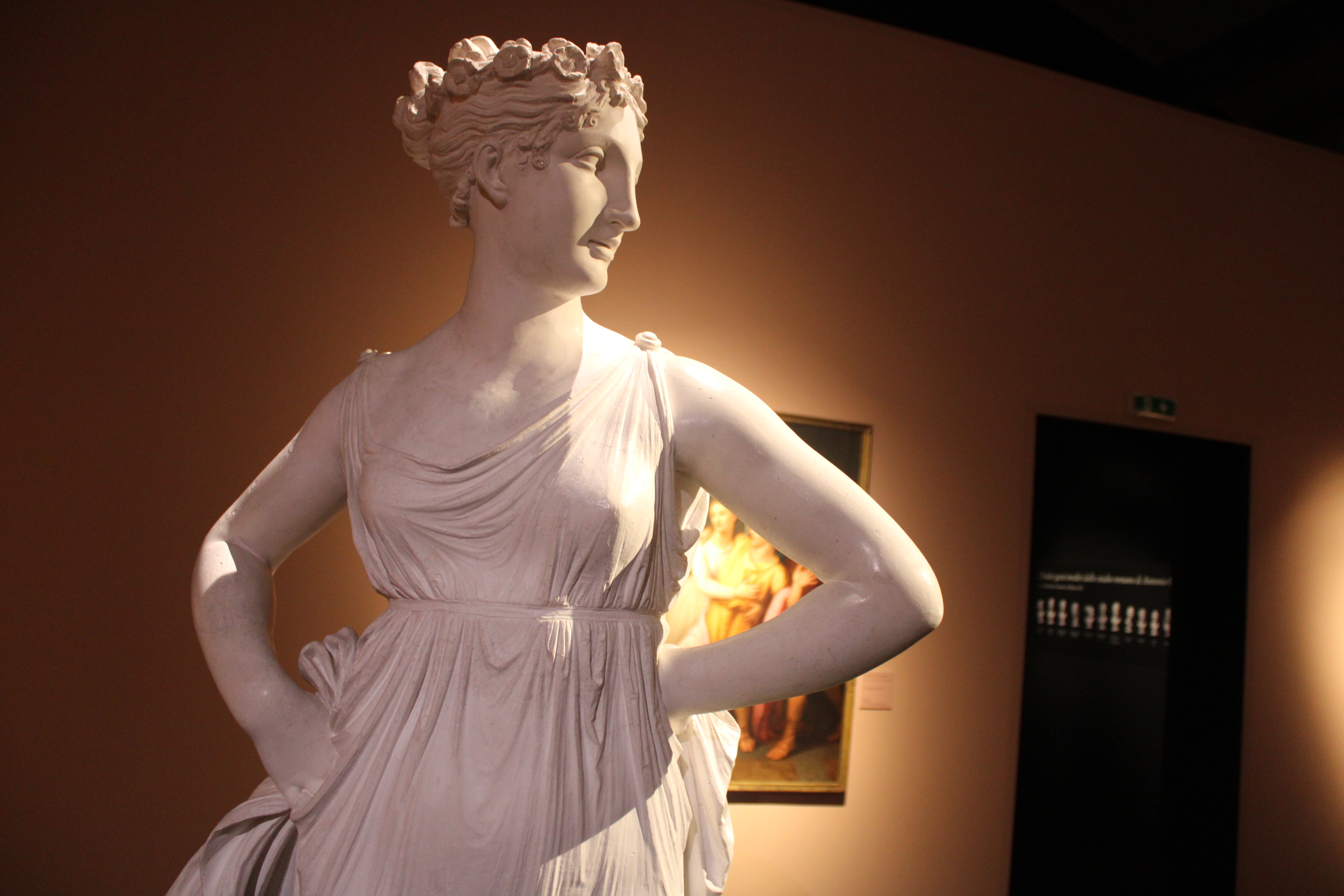
Basta pensare alla Danzatrice con le mani sui fianchi, a quella con il dito al mento o a quella con i cembali per avere ben chiaro quanto all’artista stesse a cuore la raffinatezza dei movimenti e la loro resa nel marmo.
Per il momento il vostro Michelangelo Buonarroti vi saluta dandovi appuntamento ai prossimi post e sui social.

April 29: International Dance Day, for Canova synonymous with grace, beauty and movement
Today, April 29, is International Dance Day. Who better than Canova knew how to interpret this art with his sculptures?
For Canova, dance was synonymous with grace, beauty and movement. The gracefulness of the young men and women protagonists of his works who rise on tiptoe moving to the rhythm of the cymbals or dancing among themselves as in the bas-relief kept in the Gypsoteca of Possagno show how much the artist loved this discipline.
For Canova, dance became an indispensable language for communicating expressiveness and making the protagonists of his works move, whether sculpted or painted.
The theme of dance is recurring in the artistic production of the most representative Neoclassical sculptor.
Then feeling a great propensity for dancing, he would have learned the principles if his love for art had not held him back. I remember that sometimes we went walking on holidays in the Monti and Trastevere regions to see those plebeian girls dance; dance which delighted him greatly in the innocence of those dancers, always drawing his moral from it through some observations on the natural moves of those girls for the benefit of his art.
Thus wrote Antonio d’Este in the “Memoirs of Antonio Canova”, 1864
Canova, by sculpting the dancers, frees them from the weight of their bodies.
Just think of the Dancer with her hands on her hips, the one with her finger on her chin or the one with the cymbals to be clear how much the artist cared about the refinement of the movements and their rendering in the marble.
For the moment, your Michelangelo Buonarroti greets you and will meet you in future posts and on social media.

Sostienici – Support Us
Se questo blog ti piace e ti appassiona, puoi aiutarci a farlo crescere sempre più sostenendoci in modo concreto condividendo i post, seguendo le pagine social e con un contributo che ci aiuta ad andare avanti con il nostro lavoro di divulgazione. . ENGLISH: If you like and are passionate about this blog, you can help us make it grow more and more by supporting us in a concrete way by sharing posts, following social pages and with a contribution that helps us to move forward with our dissemination work.
8,00 €
-
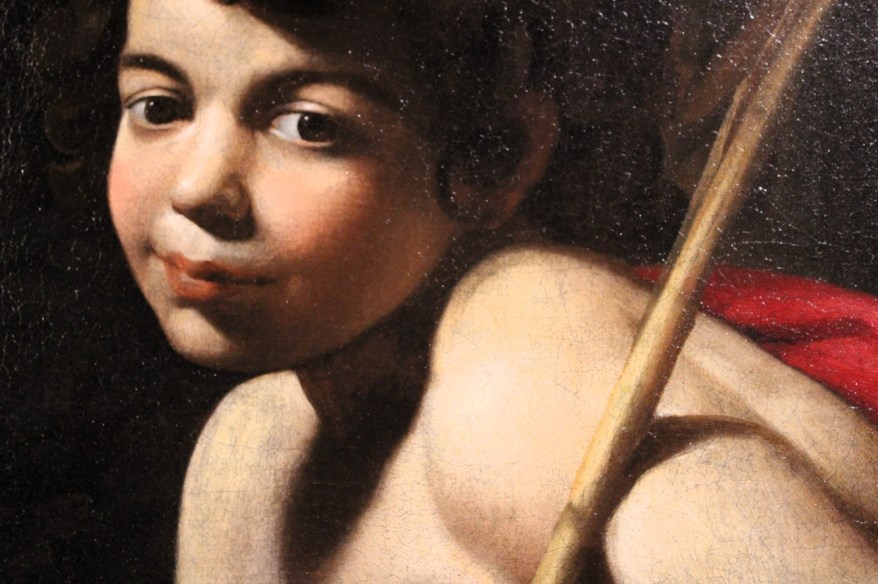
Pittura a Napoli dopo Caravaggio: a Forte dei Marmi il Seicento napoletano
🇮🇹 Il Seicento napoletano arriva in Toscana. Dal 27 marzo al 27 settembre 2026, il Forte Pietro Leopoldo I ospita ‘Pittura a Napoli dopo Caravaggio. Il Seicento nella collezione della Fondazione De Vito’, una mostra unica che racconta la rivoluzione della luce e del naturalismo caravaggesco… 🇬🇧 Seventeenth-century Neapolitan art comes to Tuscany. From March…
-
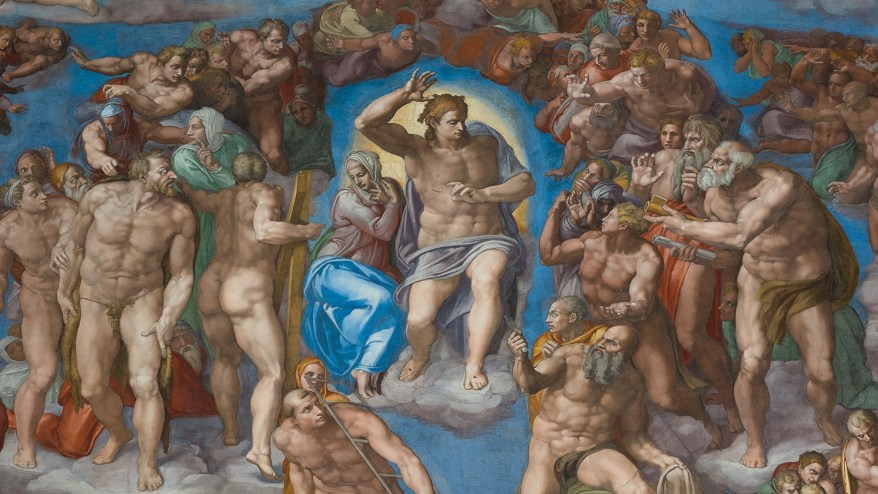
Il Giudizio Universale torna alla luce dopo l’intervento
🇮🇹Colori più brillanti dopo la patina biancastra rimossa: è terminato l’intervento di manutenzione relativo al Giudizio Universale che torna a essere visibile senza ponteggi… 🇬🇧Brighter colors after the whitish patina was removed: the maintenance work on the Last Judgement has been completed and it is now visible again without scaffolding…
-
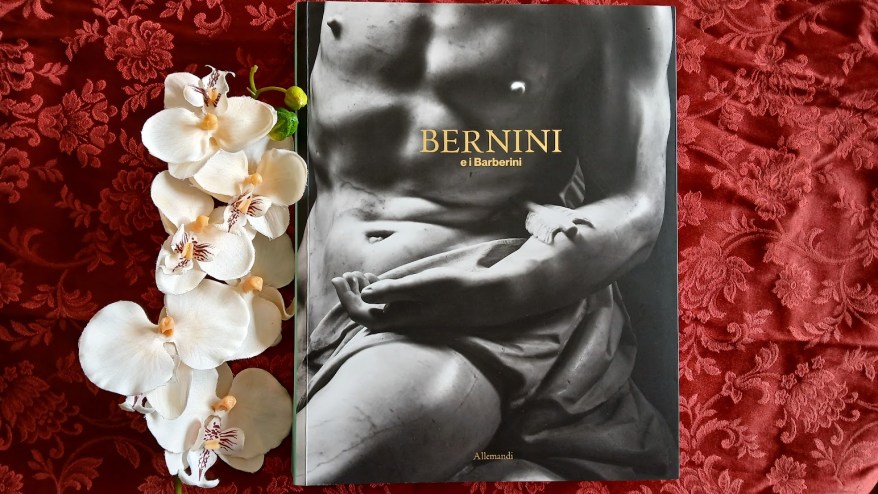
Dentro il catalogo di Bernini e i Barberini: arte, potere e immagini mozzafiato
Arte, storia e immagini sorprendenti: il catalogo “Bernini e i Barberini” racconta il legame tra Bernini e Urbano VIII in modo unico.
Condividi:


Questo sono io





sostienici

Sostienici - Support Us
Se questo blog ti piace e ti appassiona, puoi aiutarci a farlo crescere sempre più sostenendoci in modo concreto condividendo i post, seguendo le pagine social e con un contributo che ci aiuta ad andare avanti con il nostro lavoro di divulgazione. . ENGLISH: If you like and are passionate about this blog, you can help us make it grow more and more by supporting us in a concrete way by sharing posts, following social pages and with a contribution that helps us to move forward with our dissemination work.
€10,00


