
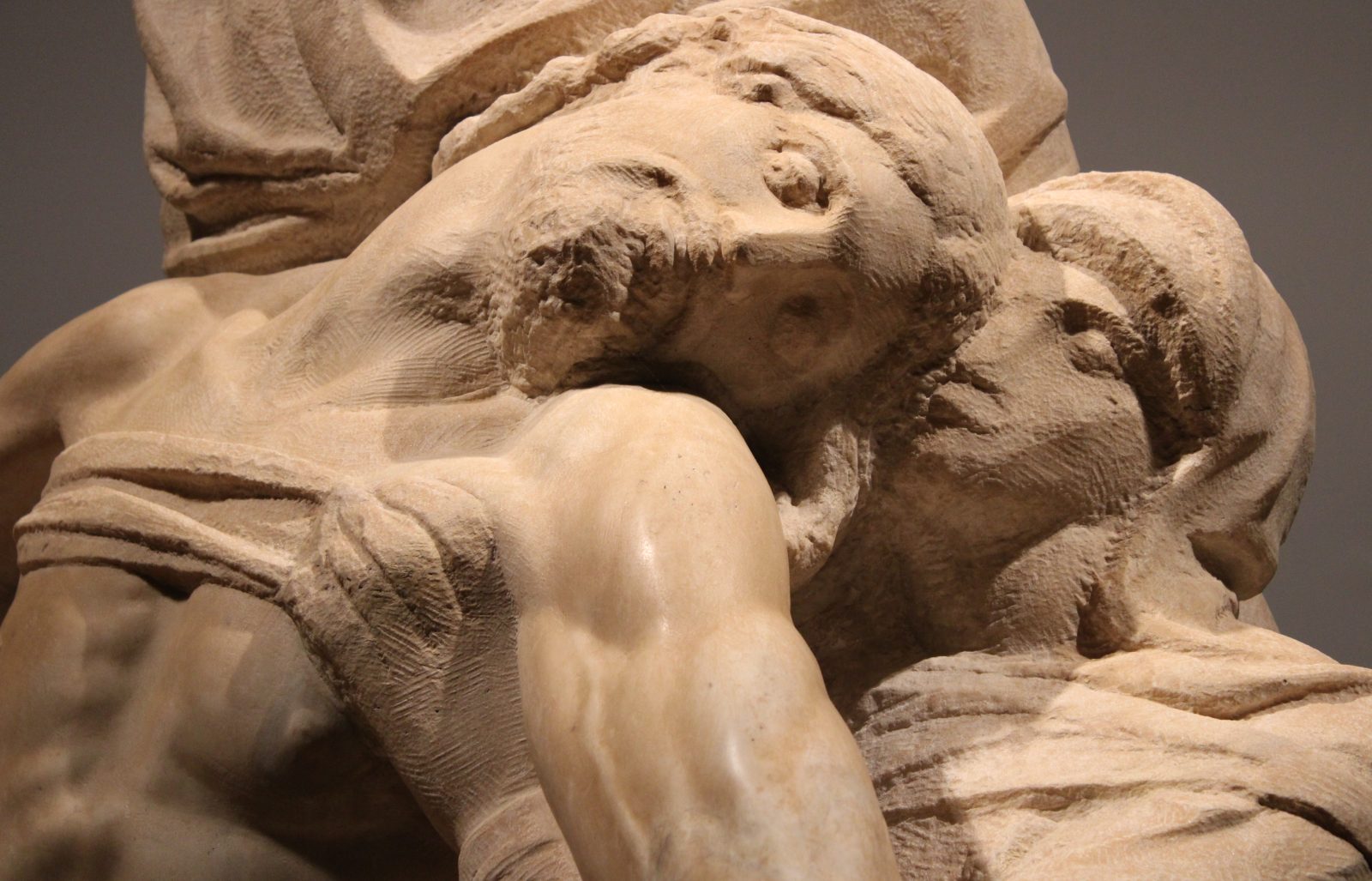
Quella Madonna altamente rifinita e disegnata con insolita delicatezza
Nel corso di tutta la mia produzione artistica, ricorre il tema della Madonna con il Figlio.
Disegnai e scolpii sia la giovane Madre con il Gesù Bambino che il commiato estremo della Vergine con il Cristo morto fra le braccia.
Vi basti pensare per esempio alla prima opera scultorea giunta fino a voi e all’ultima: la Madonna della Scala di Casa Buonarroti e l’opera alla quale lavorai fino a una manciata di giorni prima di morire, ovvero la Pietà Rondanini.

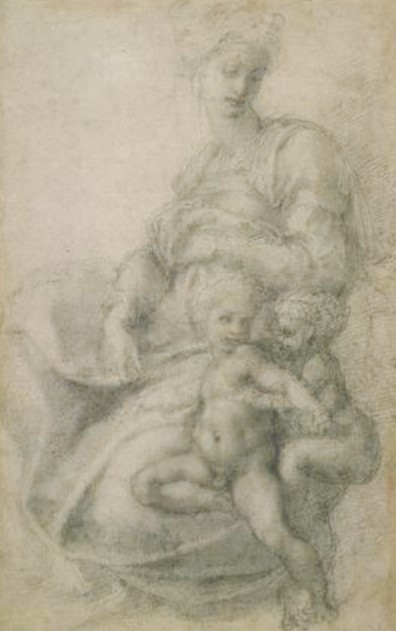
Quello che vi propongo è il disegno con la Vergine, il Figlio e San Giovanni Battista bambino, patrono di Firenze.
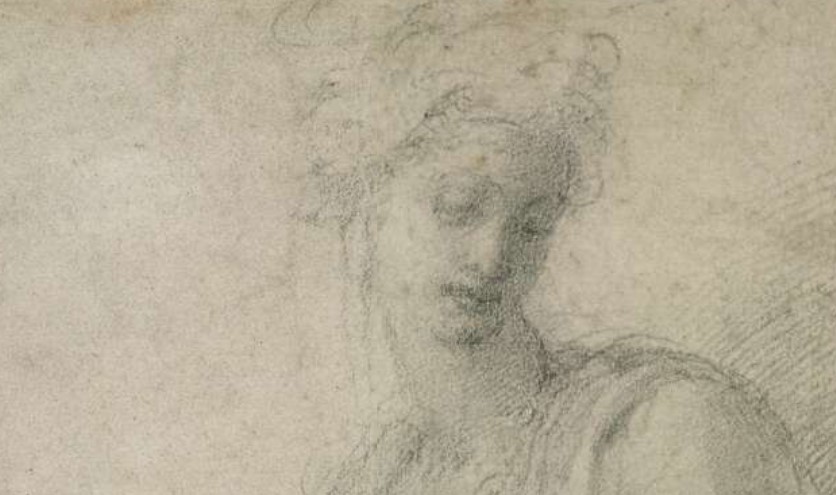
Jhoannes Wilde definì il disegno “altamente rifinito e disegnato con insolita delicatezza” indicando non rinforzai i contorni, nonostante mostrino diversi pentimenti.
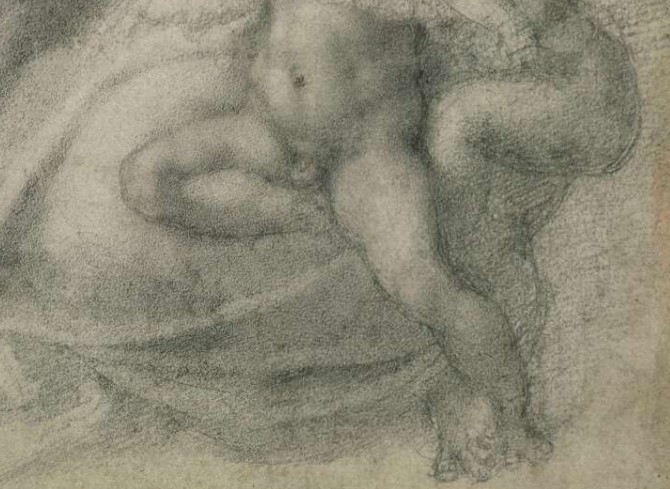
Mentre la Madonna la disegnai scegliendo di dare tridimensionalità quasi esclusivamente con i toni, il corpo del Figlio è modellato in modo più netto tanto da poter apparire come scolpito nel marmo.
Meno definito è il San Giovannino con un volto che mostra diversi pentimenti nel suo posizionamento.
In merito a questo studio, Wilde ha ipotizzato potesse trattarsi di un disegno che avrei realizzato per un amico artista con lo scopo di trarne un dipinto. Lo collegò direttamente a una commissione che risale al 1533 affidata da don Ferrante Gonzaga a Sebastiano del Piombo.
Sempre Wilde ipotizza che la posa che usai per la Vergine sia derivata da una delle figure che affrescai nella volta della Sistina e precisamente per una delle lunette con gli antenati di Cristo.
A proposito, il disegno in questione appartiene alle collezioni del British Museum. Perdonatemi ma non ho colpe se i miei eredi han venduto troppa roba mia.
Per il momento il sempre vostro Michelangelo Buonarroti vi saluta dandovi appuntamento ai prossimi post e sui social.

That Madonna highly refined and drawn with unusual delicacy
Throughout my artistic production, the theme of the Madonna with her Son recurs.
I designed and sculpted both the young Mother with the Baby Jesus and the final farewell of the Virgin with the dead Christ in her arms. Just think of the first sculptural work that reached you, the Madonna della Scala by Casa Buonarroti, and the last sculpture on which I worked until a few days before my death: the Pietà Rondanini.
What I propose to you is the drawing with the Virgin, the Son and Saint John the Baptist as a child, patron saint of Florence.
Jhoannes Wilde called the drawing “highly finished and drawn with unusual delicacy” indicating that I did not reinforce the outlines, although they show various repentances. While I drew the Madonna choosing to give her three-dimensionality almost exclusively with tones, the body of the Son is modeled in a more clear way so much so that it can appear as if carved in marble.
Less defined is the little Saint John with a face that shows various repentances in its positioning.
Regarding this study, Wilde hypothesized that it could be a drawing that I made for an artist friend with the aim of making a painting from it, directly connecting it to a commission dating back to 1533 entrusted by Don Ferrante Gonzaga to Sebastiano del Piombo.
Wilde also hypothesizes that the pose I used of the Madonna was derived from one of the figures I frescoed in the vault of the Sistine Chapel and precisely for one of the lunettes with the ancestors of Christ.
By the way, the drawing in question belongs to the collections of the British Museum. Forgive me but I’m not to blame if my heirs sold too much of my stuff.
For the moment, your always Michelangelo Buonarroti greets you and will meet you in the next posts and on social media.

Sostienici – Support Us
Se questo blog ti piace e ti appassiona, puoi aiutarci a farlo crescere sempre più sostenendoci in modo concreto condividendo i post, seguendo le pagine social e con un contributo che ci aiuta ad andare avanti con il nostro lavoro di divulgazione. . ENGLISH: If you like and are passionate about this blog, you can help us make it grow more and more by supporting us in a concrete way by sharing posts, following social pages and with a contribution that helps us to move forward with our dissemination work.
8,00 €
-
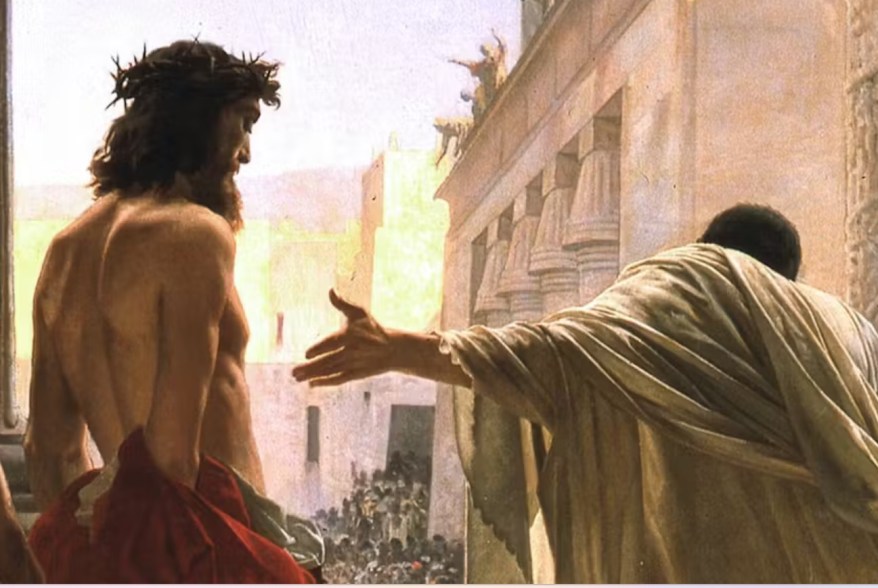
Venerdì Santo: gli “Ecce Homo” più intensi della storia dell’arte
🇮🇹Ecce Homo. Da Antonello da Messina a Tintoretto, fino al sorprendente capolavoro di Antonio Ciseri, questo soggetto ha attraversato i secoli raccontando dolore, umanità e coscienza… 🇬🇧Ecce Homo. From Antonello da Messina to Tintoretto, to Antonio Ciseri’s astonishing masterpiece, this subject has spanned the centuries, recounting pain, humanity, and conscience…
-
Attacco hacker agli Uffizi: rubati dati sensibili, mappe e codici di sicurezza
🇮🇹Attacco hacker alle Gallerie degli Uffizi: rubati dati sensibili, mappe e sistemi di sicurezza. A rischio opere, archivi e cybersicurezza del patrimonio artistico… 🇬🇧Hacker attack on the Uffizi Galleries: sensitive data, maps, and security systems stolen. Works of art, archives, and the cybersecurity of the artistic heritage are at risk…
-
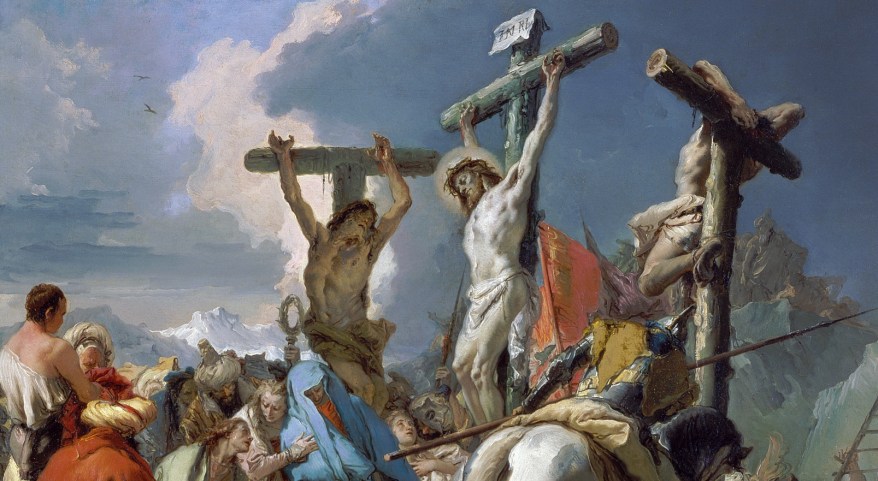
Venerdì Santo: la Crocifissione secondo Tiepolo
🇮🇹Nel giorno del Venerdì Santo, c’è un’opera che riesce ancora a scuotere lo sguardo. La Crocifissione di Giambattista Tiepolo non è come le altre: niente simmetrie perfette, niente distanza. Qui si entra dentro la scena, da un punto di vista obliquo, tra movimento, tensione e umanità… 🇬🇧On Good Friday, there’s a work that still manages…
Condividi:


Questo sono io





sostienici

Sostienici - Support Us
Se questo blog ti piace e ti appassiona, puoi aiutarci a farlo crescere sempre più sostenendoci in modo concreto condividendo i post, seguendo le pagine social e con un contributo che ci aiuta ad andare avanti con il nostro lavoro di divulgazione. . ENGLISH: If you like and are passionate about this blog, you can help us make it grow more and more by supporting us in a concrete way by sharing posts, following social pages and with a contribution that helps us to move forward with our dissemination work.
€10,00


