
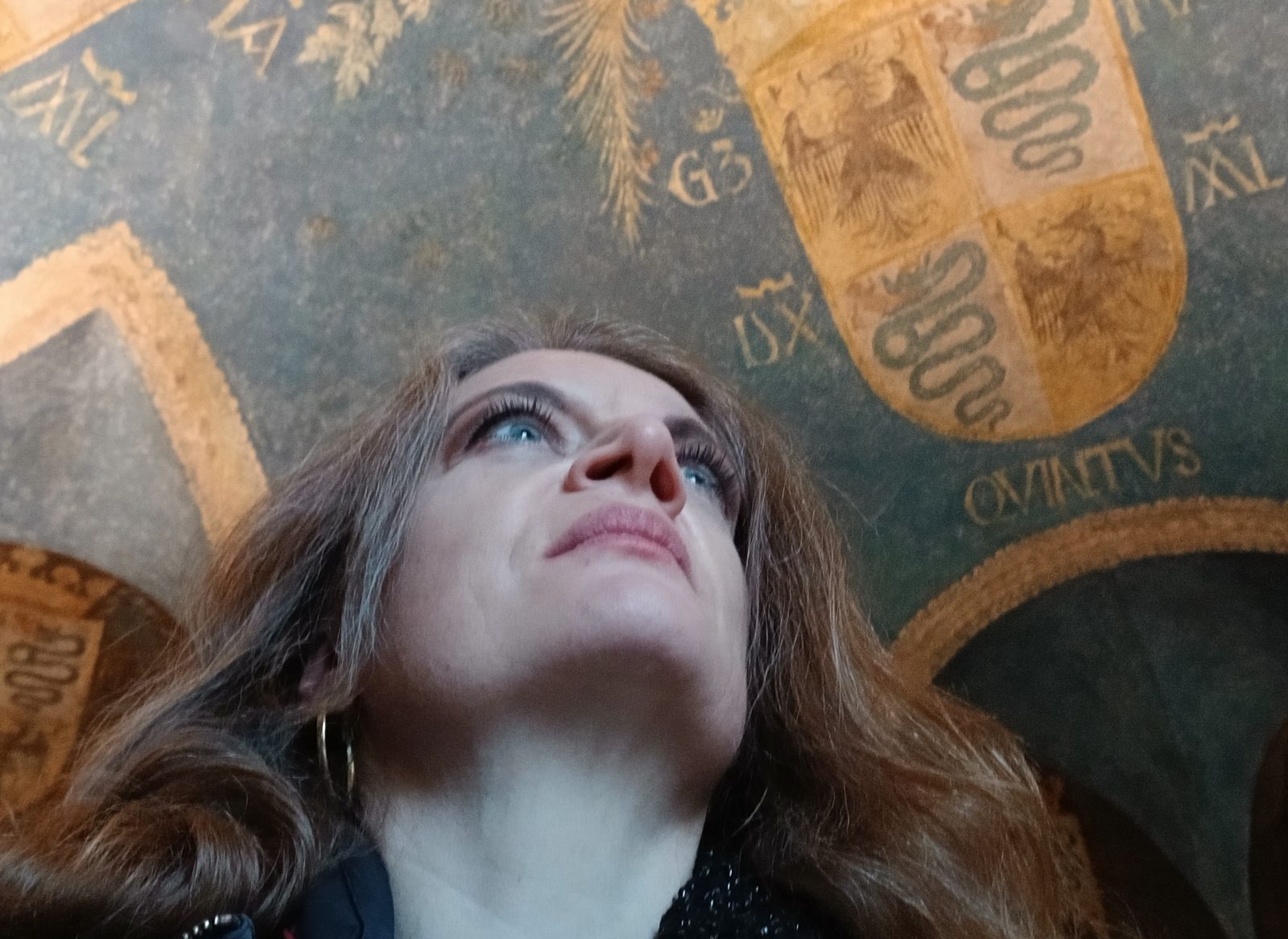
Lo studio per la Testa della Vergine con quel corpicapo che somiglia a un elmo esotico
Quello che vi propongo è uno studio per una testa di una giovane donna che indossa un raro copricapo che ricorda un elmo esotico.
La bellezza austera e quel cappello così inusuale ha indotto a pensare nel corso dei secoli che potessi aver disegnato un giovane guerriero e che lo avessi realizzato per far imparare Tommaso de’ Cavalieri a disegnare agli inizi degli anni Trenta del Cinquecento.
L’identità del soggetto è stata poi rivista mediante un foglio appartenente a una collezione privata, copia di un mio originale perduto. In quel foglio è rappresentata la Vergine che culla tra le braccia il Figlio e la testa della donna è identica a quella che tracciai nel disegno in questione.
Potrei aver ideato la composizione per farla successivamente dipingere a qualcun altro.
Se di fate caso, noterete che quasi tutte le Madonne che disegnai indossano sempre un copricapo elaborato. Quello che indossa la figura che vi propongo oggi è del tipo sfoggiato dalla sequenza di disegni dell’Annunciazione che progettai per Marcello Venusti. QUesti disegni oggi appartengono alle collezioni del British Museum, degli Uffizi e della Morgan Library.

Sul verso del foglio è presente un altro studio di testa di donna, disegnato in modo più sommario e con un modellato appena percettibile. La tipologia e la posa della testa, inclinata e con gli occhi bassi, ricorda fortemente gli studi di Verrocchio e Leonardo realizzati decenni prima.
Sempre sul verso è presente la scritta MAngolo. 1.4. Si tratta di un’aggiunta effettuata dal mercante inglese del Seicento William Gibson, le cui iscrizioni e i caratteristici codici dei prezzi si ritrovano su una cinquantina di fogli appartenenti alla Royal Collection Trust.
Come molti altri disegni di provenienza inglese del XVII secolo, anche questo foglio è stato ritagliato negli angoli superiori, forse per inserirlo in una montatura decorativa.
Questo ritaglio potrebbe essere indicativo di un particolare collezionista o potrebbe rappresentare una moda più generale adottata dai collezionisti inglesi dell’epoca. È probabile che questo disegno, assieme agli altri che presentano la medesima caratteristica, siano stati acquisiti per la Collezione Reale nel Seicento, durante il regno di Carlo II.
Il disegno della mia testa della Vergine appartiene alla Royal Collection Trust.
Per il momento il sempre vostro Michelangelo Buonarroti vi saluta dandovi appuntamento ai prossimi post e sui social.
The study for the Head of the Virgin with that head body that resembles an exotic helmet
What I propose to you is a study for the head of a young woman wearing a headdress that resembles an exotic helmet.
The austere beauty and that unusual hat have led us to think over the centuries that I might have drawn a young warrior and that I had created him to help Tommaso de’ Cavalieri learn to draw. at the beginning of the 1530s.
The identity of the subject was then revised using a sheet belonging to a private collection, a copy of a lost original of mine. That sheet shows the Virgin cradling her Son in her arms and the woman’s head is identical to the one I traced in the drawing in question.
I may have designed the composition to then have someone else paint it. If you pay attention, you will notice that almost all the Madonnas I drew always wear an elaborate headdress. The one wearing the figure I propose to you today is the type shown in the sequence of drawings of the Annunciation that I designed for Marcello Venusti. These drawings today belong to the collections of the British Museum, the Uffizi and the Morgan Library.
On the reverse of the sheet there is another study of a woman’s head, drawn in a more summary way and with barely perceptible modeling. The typology and pose of the head, inclined and with lowered eyes, strongly recalls the studies of Verrocchio and Leonardo carried out decades earlier.
Also on the reverse is the writing MAngolo. 1.4. This is an addition made by the seventeenth-century English merchant William Gibson, whose inscriptions and characteristic price codes are found on around fifty sheets belonging to the Royal Collection Trust.
Like many other drawings of 17th century English origin, this sheet has also been cut out in the upper corners, perhaps to insert it into a decorative mount. This clipping could be indicative of a particular collector or it could represent a more general fashion adopted by English collectors of the time. It is probable that this drawing, together with the others showing the same characteristic, were acquired for the Royal Collection in the seventeenth century, during the reign of Charles II.
The drawing of my head of the Virgin belongs to the Royal Collection Trust.
For the moment, your always Michelangelo Buonarroti greets you and will meet you in the next posts and on social media.

Sostienici – Support Us
Se questo blog ti piace e ti appassiona, puoi aiutarci a farlo crescere sempre più sostenendoci in modo concreto condividendo i post, seguendo le pagine social e con un contributo che ci aiuta ad andare avanti con il nostro lavoro di divulgazione. . ENGLISH: If you like and are passionate about this blog, you can help us make it grow more and more by supporting us in a concrete way by sharing posts, following social pages and with a contribution that helps us to move forward with our dissemination work.
8,00 €
-
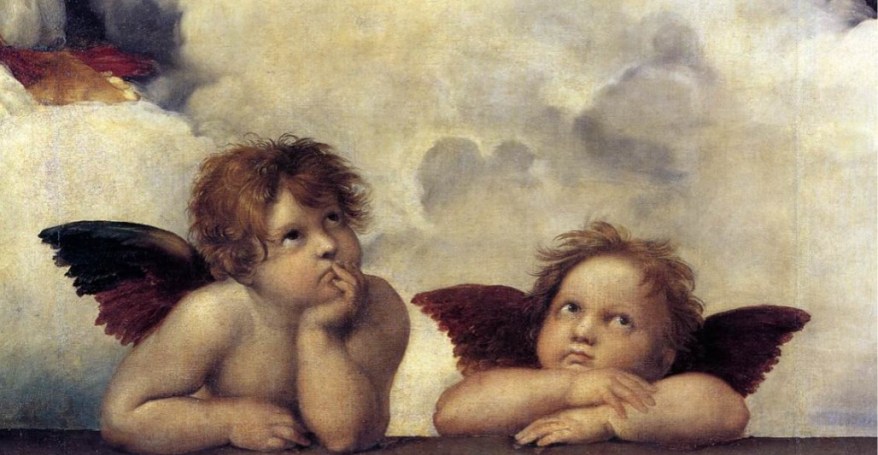
6 aprile 1520: la morte di Raffaello Sanzio e la nascita di un mito immortale
🇮🇹“Qui giace Raffaello: da lui, quando visse, la natura temette d’essere vinta, ora che egli è morto, teme di morire”. Il 6 aprile 1520 Raffaello morì a soli 37 anni… 🇬🇧“Here lies Raphael: when he lived, nature feared to be conquered by him, now that he is dead, she fears to die.” On April 6,…
-
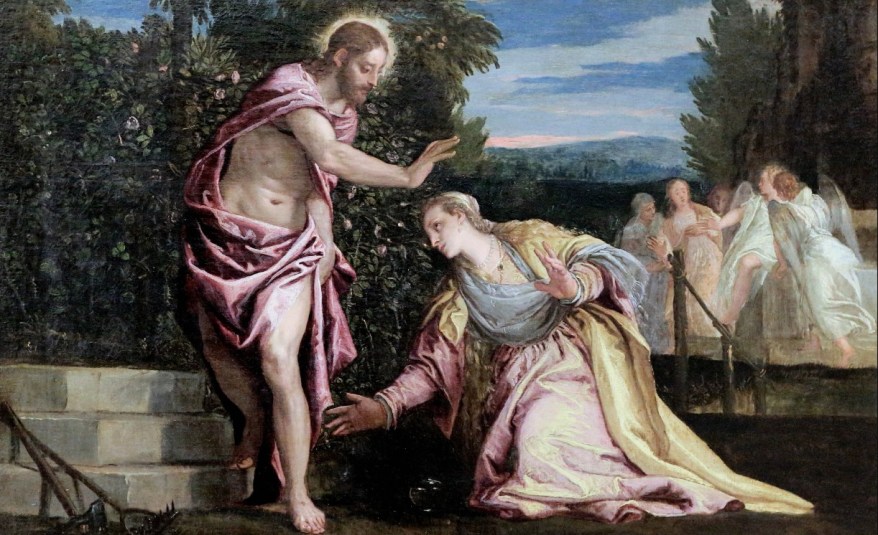
Pasquetta, tra spiritualità e arte: il significato del Lunedì dell’Angelo e i capolavori del “Noli me tangere”
🇮🇹Il Lunedì dell’Angelo racchiude uno dei momenti più intensi del Vangelo: l’incontro tra Gesù risorto e Maria Maddalena, raccontato nel celebre “Noli me tangere”. Un episodio che nei secoli ha ispirato artisti straordinari, dando vita a opere cariche di emozione, spiritualità e bellezza. .. 🇬🇧Easter Monday encompasses one of the most intense moments in the…
-
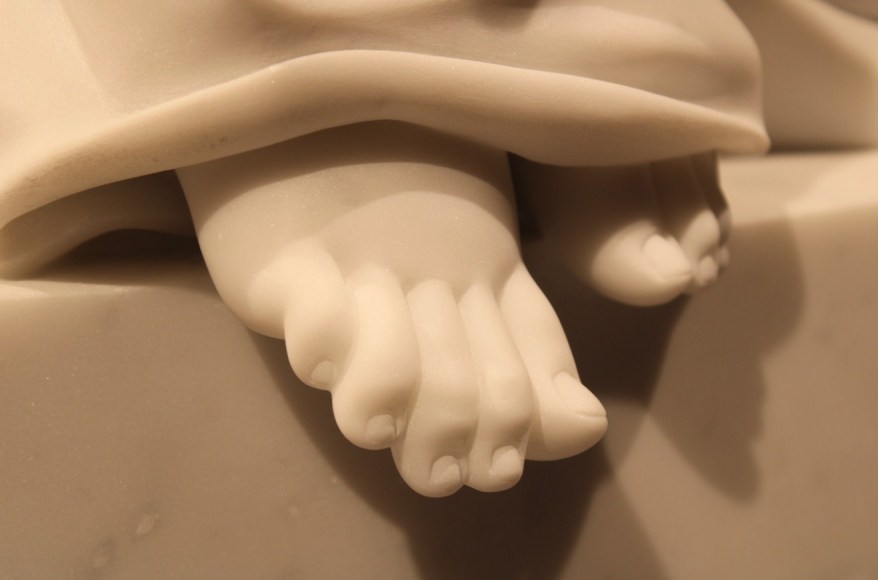
La Pietà di Tincolini: a Pontedera l’arte torna a fare domande scomode
🇮🇹“Pietà”, la scultura di Filippo Tincolini, insieme alle parole di Federico Quaranta e Andrea Pezzi, non è stato solo uno spettacolo. È stata una domanda lanciata in faccia al pubblico, impossibile da evitare: siamo ancora capaci di provare pietà? 🇬🇧 “Pietà,” Filippo Tincolini’s sculpture, along with the words of Federico Quaranta and Andrea Pezzi, wasn’t…
Condividi:


Questo sono io





sostienici

Sostienici - Support Us
Se questo blog ti piace e ti appassiona, puoi aiutarci a farlo crescere sempre più sostenendoci in modo concreto condividendo i post, seguendo le pagine social e con un contributo che ci aiuta ad andare avanti con il nostro lavoro di divulgazione. . ENGLISH: If you like and are passionate about this blog, you can help us make it grow more and more by supporting us in a concrete way by sharing posts, following social pages and with a contribution that helps us to move forward with our dissemination work.
€10,00


