
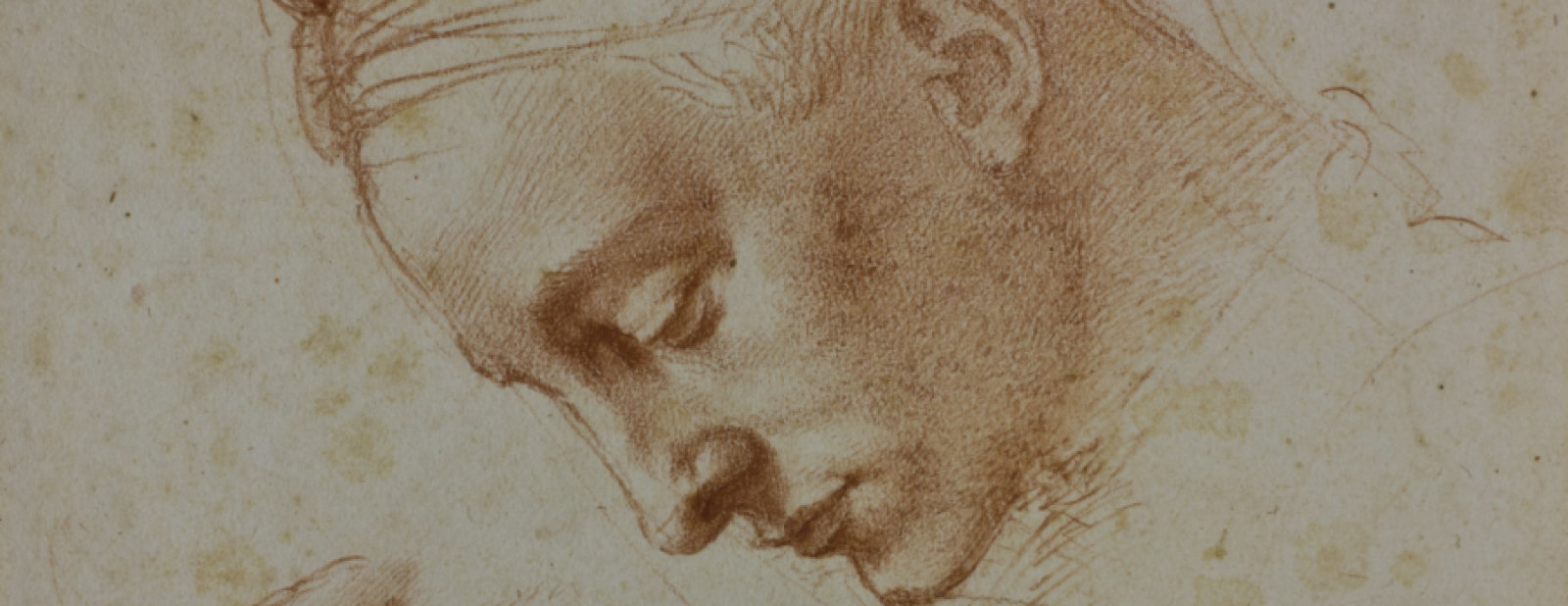
La Scultura del giorno: un insolito Amore che taglia le proprie ali di Bonnassieux
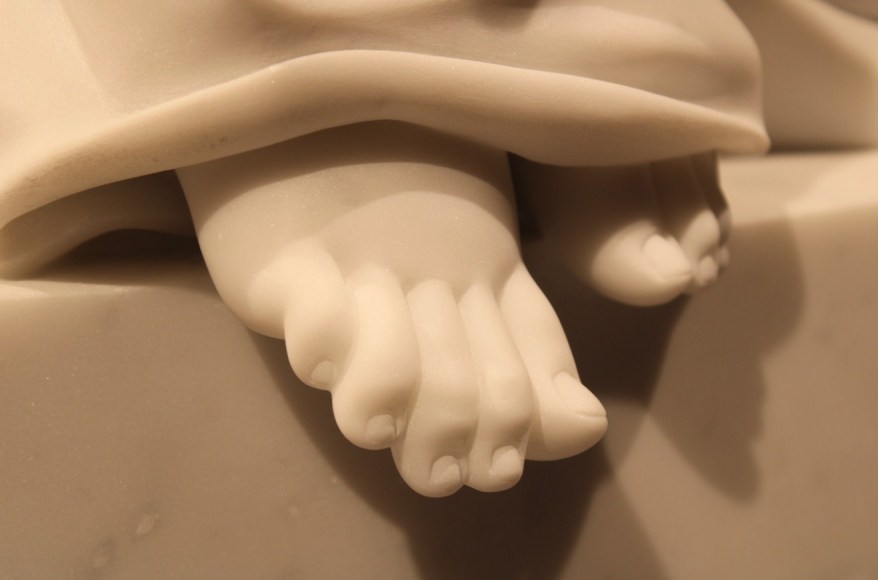
La scultura del giorno che vi propongo oggi è un insolito Amore che taglia le sue ali, opera in marmo di Carrara realizzata dall’artista francese Jean-Marie Bonnassieux Benaimé, nel 1841.
Lo scultore Bonnassieux nacque a Panissières il 18 settembre del 1810 e fu particolarmente apprezzato per le sue opere a tema religioso. Aveva cominciato la sua carriera artistica studiando a Lione nell’aterlier di Legendre-Hèral e successivamente a bottega da Auguste Dumondt, a Parigi.
Quando scolpì Amore che taglia le sue ali, Bonnassieux si trovava a Roma. Aveva acquistato quel blocco di marmo candido nel settembre del 1838 e finalmente decise di metterci mano per realizzare unas cultura che fosse degna di essere presentata al Salone di Parigi.
La scultura ultimata fu inviata alla volta della capitale francese il 3 giugno del 1841 e presentata dall’artista l’anno successivo al Salone.
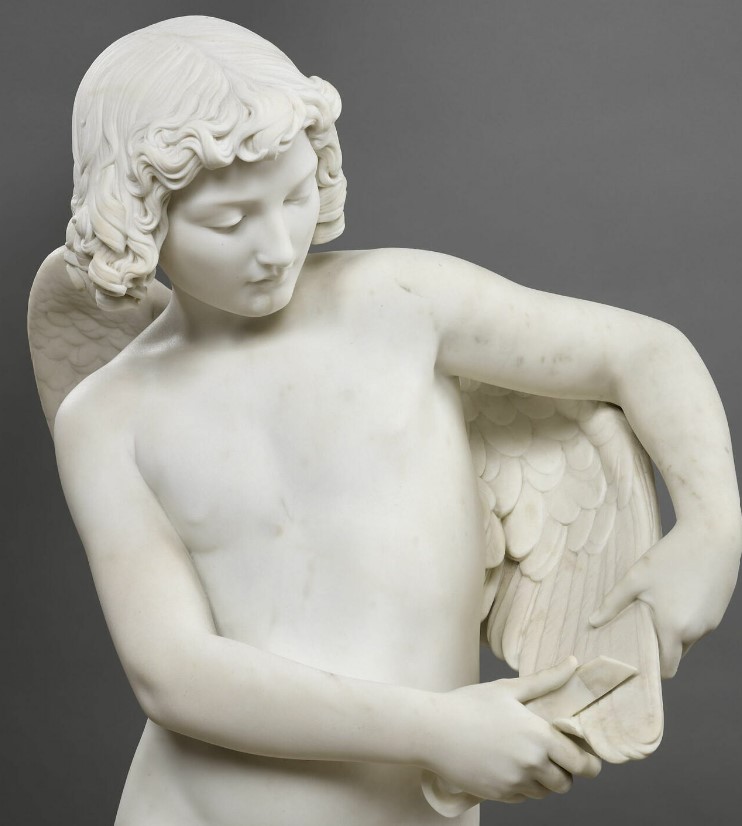
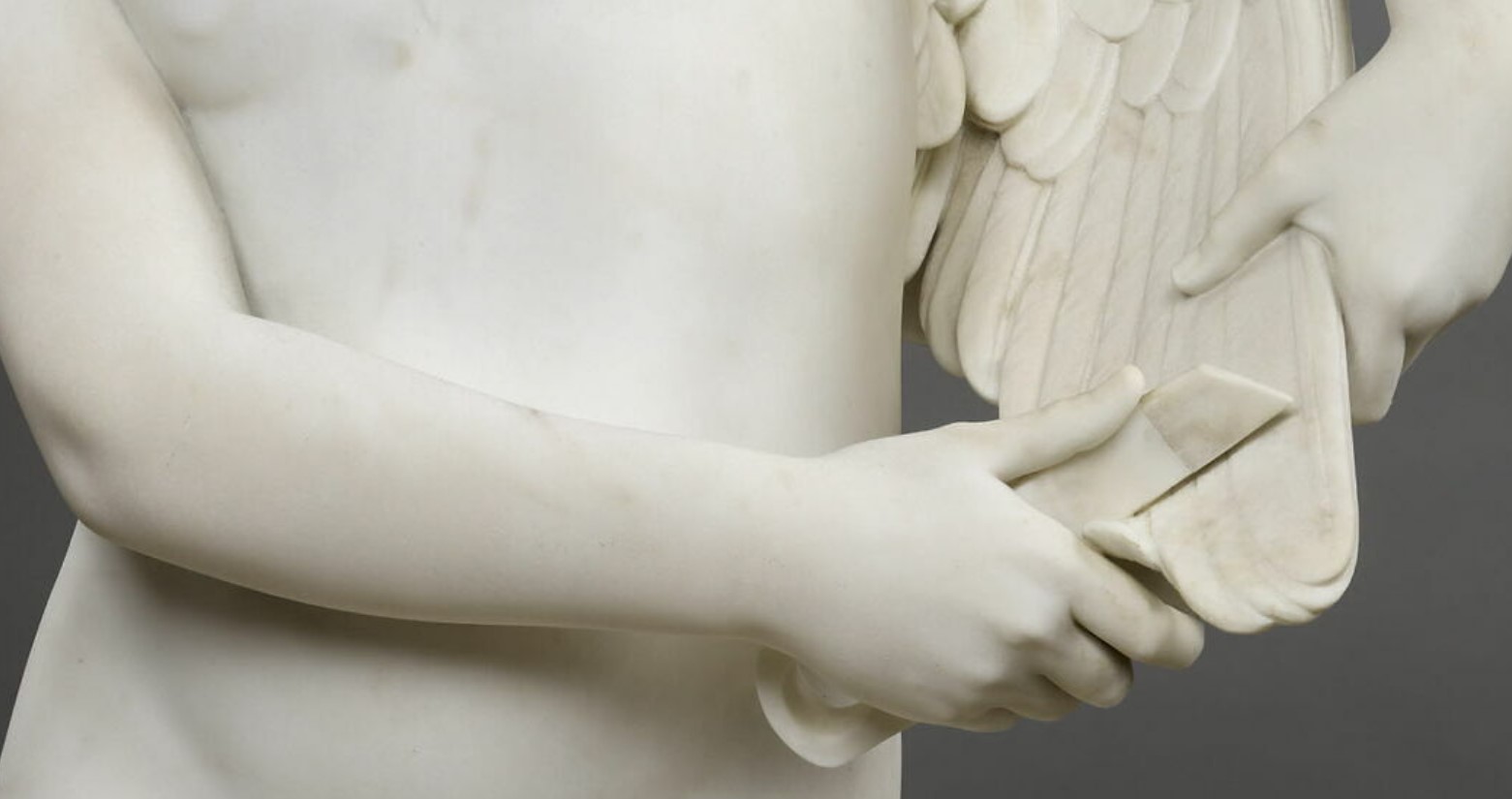
L’iconografia scelta da Bonnassieux è originale. Mentre abitualmente è Chronos, il tempo, a tagliare le ali a Eros, in questo caso lui stesso compie in piena autonomia questa operazione.
La simbologia però rimane la medesima. Dall’amore etereo e che aveva le ali e volava alto, il sentimento diventa più realistico, con i piedi ben piantati a terra.
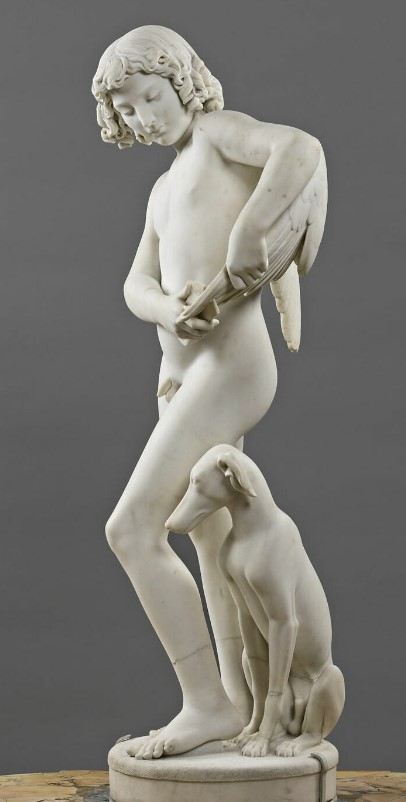
Non a caso Amore viene raffigurato con un cane, simbolo della fedeltà.
La scultura è stata firmata dall’artista sulla base, nell’anello che forma la coda del cane con la dicitura BONNASSIEUX / ROMA / 1841

L’opera è entrata a far parte delle collezioni del Louvre a partire dal novembre del 1892.
Per il momento il sempre vostro Michelangelo Buonarroti vi saluta dandovi appuntamento ai prossimi post e sui social.

Sculpture of the day: an unusual Love clipping its wings by Bonnassieux
The sculpture of the day that I propose to you today is an unusual Love cutting its wings, a work in Carrara marble created by the French artist Jean-Marie Bonnassieux Benaimé, in 1841.
The sculptor Bonnassieux was born in Panissières on 18 September 1810 and was particularly appreciated for his religious-themed works. He began his artistic career by studying in Lyon in the Legendre-Hèral aterlier and subsequently in Auguste Dumondt’s workshop in Paris.
When he sculpted Love Cutting His Wings, he was in Rome. He had purchased that block of white marble in September 1838 and finally decided to put his hand to creating a culture worthy of being presented at the Paris Salon.
The completed sculpture was sent to the French capital on 3 June 1841 and presented by the artist the following year at the Salon.
The iconography chosen by Bonnassieux is original. While usually it is Chronos, time, who cuts Eros’ wings, in this case he carries out this operation alone.
However, the symbolism remains the same. From the ethereal love that had wings and flew high, the feeling becomes more realistic, with its feet firmly planted on the ground.
It is no coincidence that Love is depicted with a dog, a symbol of fidelity.
The sculpture was signed by the artist on the base, in the ring that forms the dog’s tail with the words BONNASSIEUX / ROMA / 1841
The work became part of the Louvre collections starting from November 1892.
For the moment, your always Michelangelo Buonarroti greets you and will meet you in the next posts and on social media.

Sostienici – Support Us
Se questo blog ti piace e ti appassiona, puoi aiutarci a farlo crescere sempre più sostenendoci in modo concreto condividendo i post, seguendo le pagine social e con un contributo che ci aiuta ad andare avanti con il nostro lavoro di divulgazione. . ENGLISH: If you like and are passionate about this blog, you can help us make it grow more and more by supporting us in a concrete way by sharing posts, following social pages and with a contribution that helps us to move forward with our dissemination work.
8,00 €
-
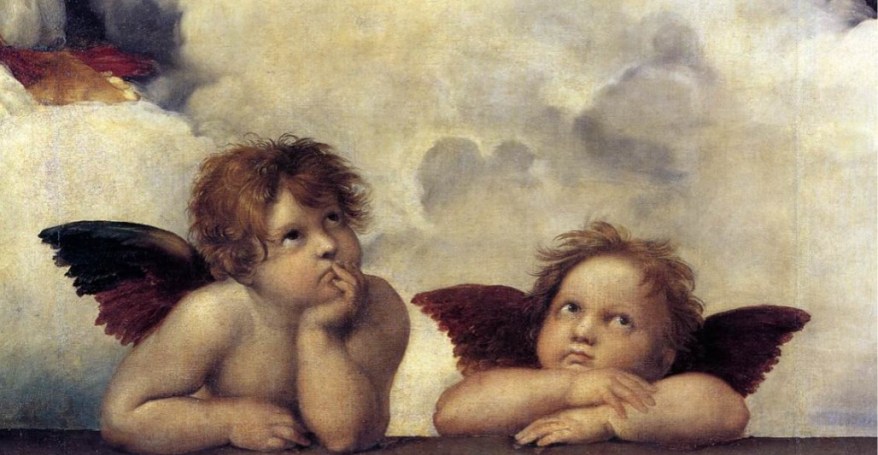
6 aprile 1520: la morte di Raffaello Sanzio e la nascita di un mito immortale
🇮🇹“Qui giace Raffaello: da lui, quando visse, la natura temette d’essere vinta, ora che egli è morto, teme di morire”. Il 6 aprile 1520 Raffaello morì a soli 37 anni… 🇬🇧“Here lies Raphael: when he lived, nature feared to be conquered by him, now that he is dead, she fears to die.” On April 6,…
-
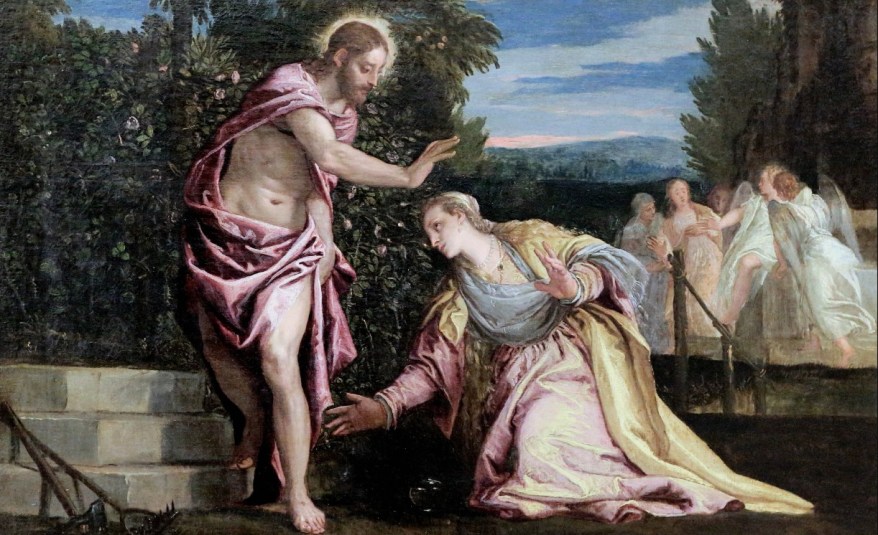
Pasquetta, tra spiritualità e arte: il significato del Lunedì dell’Angelo e i capolavori del “Noli me tangere”
🇮🇹Il Lunedì dell’Angelo racchiude uno dei momenti più intensi del Vangelo: l’incontro tra Gesù risorto e Maria Maddalena, raccontato nel celebre “Noli me tangere”. Un episodio che nei secoli ha ispirato artisti straordinari, dando vita a opere cariche di emozione, spiritualità e bellezza. .. 🇬🇧Easter Monday encompasses one of the most intense moments in the…
-
La Pietà di Tincolini: a Pontedera l’arte torna a fare domande scomode
🇮🇹“Pietà”, la scultura di Filippo Tincolini, insieme alle parole di Federico Quaranta e Andrea Pezzi, non è stato solo uno spettacolo. È stata una domanda lanciata in faccia al pubblico, impossibile da evitare: siamo ancora capaci di provare pietà? 🇬🇧 “Pietà,” Filippo Tincolini’s sculpture, along with the words of Federico Quaranta and Andrea Pezzi, wasn’t…
Condividi:


Questo sono io





sostienici

Sostienici - Support Us
Se questo blog ti piace e ti appassiona, puoi aiutarci a farlo crescere sempre più sostenendoci in modo concreto condividendo i post, seguendo le pagine social e con un contributo che ci aiuta ad andare avanti con il nostro lavoro di divulgazione. . ENGLISH: If you like and are passionate about this blog, you can help us make it grow more and more by supporting us in a concrete way by sharing posts, following social pages and with a contribution that helps us to move forward with our dissemination work.
€10,00


