
La Madonna del Rosario del Guercino: prestito eccezionale alla mostra dedicata al pittore
È appena arrivata nelle Sale Chiablese in via del tutto straordinaria la grande pala d’altare della Madonna del Rosario ì, giunta direttamente dalla chiesa di San Domenico di Torino.
Collocata a una notevole altezza da terra nell’omonima cappella, fino al momento non era stato più possibile vedere questa tela del Guercino a distanza ravvicinata dalla fine degli anni sessanta del Novecento.

Un’opera di grande impatto emotivo, teatrale e che rende bene l’idea della potenza scenografica della pittura dell’artista mettendo in luce la propria fama nel ducato sabaudo.
E’ proprio l’arrivo della pala a rendere ancora più preziosa la mostra dedicata al Guercino e al mestiere del pittore nel Seicento, in programma nelle Sale Chiablese dei Musei Reali di Torino che verrà inaugurata il 22 marzo prossimo.
La grande tela è alta quasi quattro metri e larga due e mezzo (3,78 x 2,55 ). Fu realizzata dal Guercino nel 1637 per la chiesa di San Domenico a Torino, patrimonio del Fondo Edifici di Culto gestito dal Ministero dell’Interno.
Solo alla fine degli anni sessanta del secolo scorso, in occasione della mostra rivelatrice realizzata da Sir Denis Mahon a Bologna (1968), era stato possibile ammirare da vicino la splendida pala, altrimenti posta nella cappella del Rosario della chiesa di San Domenico, a un’altezza di circa 4 metri da terra, che rende difficile la visione dei particolari e della qualità dell’opera.

Già prima del 1623 il cardinale Alessandro Ludovisi, nunzio apostolico presso lo stato sabaudo, aveva omaggiato il duca Carlo Emanuele I di Savoia con il Ritorno del figliol prodigo che Guercino gli aveva consegnato nel 1617; mentre un’altra opera dell’artista emiliano raffigurante la Samaritana era elencata nell’inventario delle collezioni sabaude del 1635.
La monumentale pala della chiesa di San Domenico che in occasione dell’esposizione è stata precedentemente sottoposta a un intervento conservativo del Centro Conservazione e Restauro La Venaria Reale, costò alla Confraternita del Santissimo Rosario di Torino ben 600 ducatoni. Fu il marchese Amedeo Dal Pozzo di Voghera a prendere contatti, per conto della stessa, attraverso Ludovico Mastri, intermediario che avrebbe poi gestito l’incarico e i pagamenti all’artista emiliano.

Nel dipinto la Vergine abbraccia il Bambino e porge il Rosario a san Domenico affiancato da santa Caterina. Alle spalle della Santa si vede un arco dal quale si affaccia la folla.
Nella parte superiore dell’opera si vedono tre angeli che si confrontano sull’intonazione del canto, nello stesso momento in cui un quarto angelo sembra planare sulla scena accompagnato da due puttini.
Per il momento il sempre vostro Michelangelo Buonarroti vi saluta dandovi appuntamento ai prossimi post e sui social.
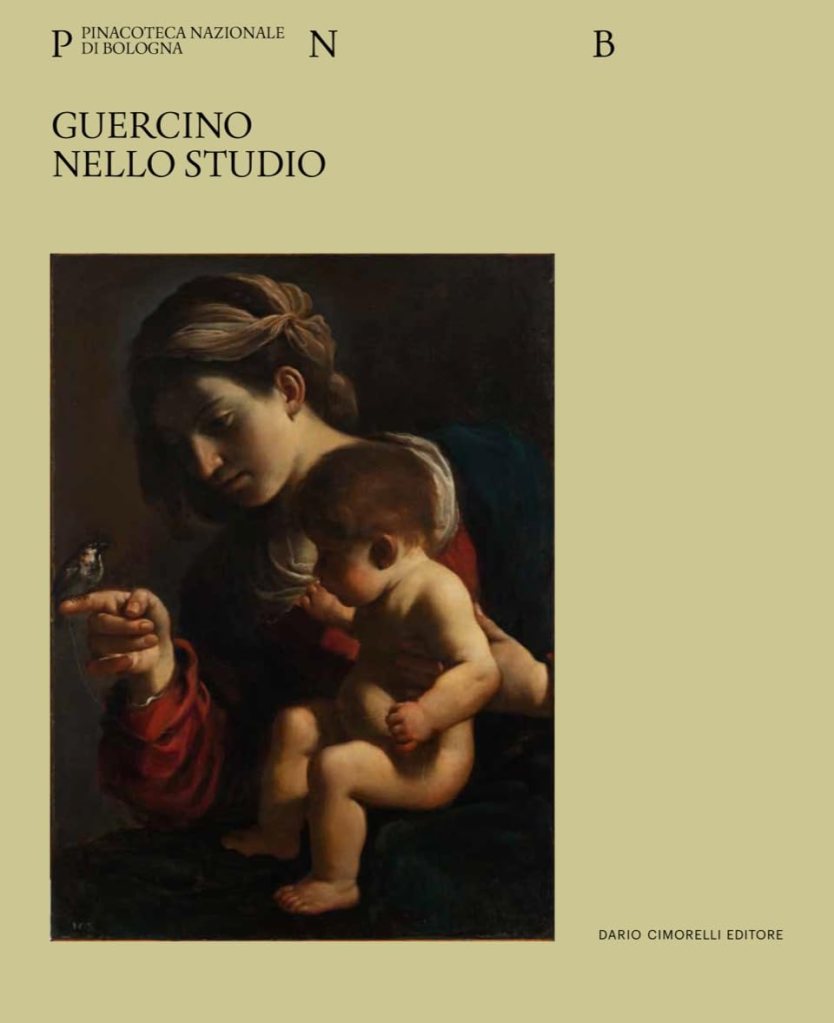
The Madonna of the Rosary by Guercino: exceptional loan to the exhibition dedicated to the painter
The large altarpiece of the Madonna del Rosario has just arrived in the Chiablese Halls in a completely extraordinary way, arriving directly from the church of San Domenico in Turin.
Located at a considerable height from the ground in the chapel of the same name, until now it had not been possible to see this canvas by Guercino at close range since the end of the 1960s.
A work of great emotional and theatrical impact which gives a good idea of the scenographic power of the artist’s painting and highlights his fame in the Savoy duchy.
It is precisely the arrival of the altarpiece that makes the exhibition dedicated to Guercino and the painter’s profession in the seventeenth century even more precious, scheduled in the Chiablese Rooms of the Royal Museums of Turin which will be inaugurated on March 22nd.
The large canvas is almost four meters high and two and a half meters wide (3.78 x 2.55). It was created by Guercino in 1637 for the church of San Domenico in Turin, heritage of the Cult Buildings Fund managed by the Ministry of the Interior.
Only at the end of the sixties of the last century, on the occasion of the revealing exhibition organized by Sir Denis Mahon in Bologna (1968), was it possible to admire the splendid altarpiece up close, otherwise located in the Rosary chapel of the church of San Domenico, at a Height of approximately 4 meters from the ground, which makes it difficult to see the details and quality of the work.
Even before 1623, Cardinal Alessandro Ludovisi, apostolic nuncio to the Savoy state, had paid homage to Duke Carlo Emanuele I of Savoy with the Return of the Prodigal Son that Guercino had given him in 1617; while another work by the Emilian artist depicting the Samaritan woman was listed in the inventory of the Savoy collections of 1635.
The monumental altarpiece of the church of San Domenico, which on the occasion of the exhibition was previously subjected to a conservative intervention by the La Venaria Reale Conservation and Restoration Centre, cost the Confraternity of the Santissimo Rosario of Turin as many as 600 ducatons. It was the Marquis Amedeo Dal Pozzo of Voghera who made contact, on its behalf, through Ludovico Mastri, an intermediary who would then manage the assignment and payments to the Emilian artist.
In the painting the Virgin embraces the Child and hands the Rosary to Saint Dominic flanked by Saint Catherine. Behind the Saint you can see an arch from which the crowd looks out.
In the upper part of the work, three angels are seen discussing the intonation of the song, at the same time as a fourth angel seems to glide onto the scene accompanied by two putti.
For the moment, your always Michelangelo Buonarroti greets you and will meet you in the next posts and on social media.

Sostienici – Support Us
Se questo blog ti piace e ti appassiona, puoi aiutarci a farlo crescere sempre più sostenendoci in modo concreto condividendo i post, seguendo le pagine social e con un contributo che ci aiuta ad andare avanti con il nostro lavoro di divulgazione. . ENGLISH: If you like and are passionate about this blog, you can help us make it grow more and more by supporting us in a concrete way by sharing posts, following social pages and with a contribution that helps us to move forward with our dissemination work.
8,00 €
-
Festival La Versiliana 2026: tra musica, teatro e grandi narrazioni
Dal 17 luglio al 23 agosto 2026, la pineta di Marina di Pietrasanta ospiterà la 47ª edizione del Festival La Versiliana. Una kermesse aperta a tutti nella quale linguaggi diversi dialogano tra loro in un equilibrio tra tradizione e contemporaneità.
-
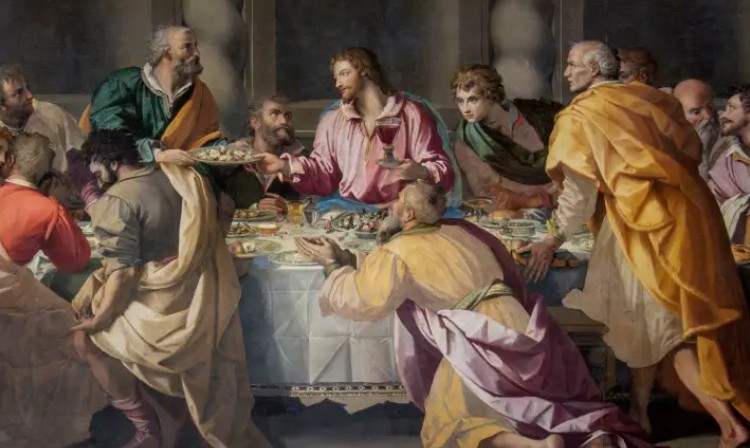
Giovedì Santo: l’Ultima Cena di Allori che pochi conoscono a Firenze
🇮🇹Nel cuore di Museo di Santa Maria Novella, a Firenze, si conserva una delle interpretazioni più affascinanti e meno note dell’Ultima Cena: quella realizzata da Alessandro Allori nel 1584… 🇬🇧In the heart of the Santa Maria Novella Museum in Florence, one of the most fascinating and least-known interpretations of the Last Supper is preserved: the…
-
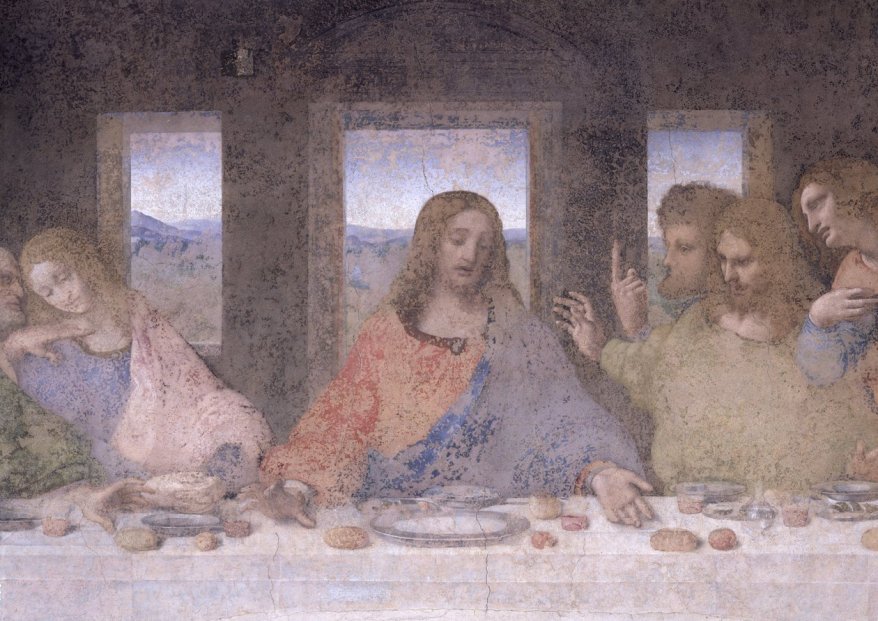
Cenacolo di Leonardo: i dettagli che raccontano il tradimento
🇮🇹Nel Cenacolo di Leonardo da Vinci, custodito a Santa Maria delle Grazie, Cristo annuncia il tradimento e il tempo si ferma… 🇬🇧In Leonardo da Vinci’s Last Supper, housed in Santa Maria delle Grazie, Christ announces the betrayal and time stands still…
Condividi:


Questo sono io





sostienici

Sostienici - Support Us
Se questo blog ti piace e ti appassiona, puoi aiutarci a farlo crescere sempre più sostenendoci in modo concreto condividendo i post, seguendo le pagine social e con un contributo che ci aiuta ad andare avanti con il nostro lavoro di divulgazione. . ENGLISH: If you like and are passionate about this blog, you can help us make it grow more and more by supporting us in a concrete way by sharing posts, following social pages and with a contribution that helps us to move forward with our dissemination work.
€10,00


