
Riapre al pubblico il Giardino di Ninfa, a Latina
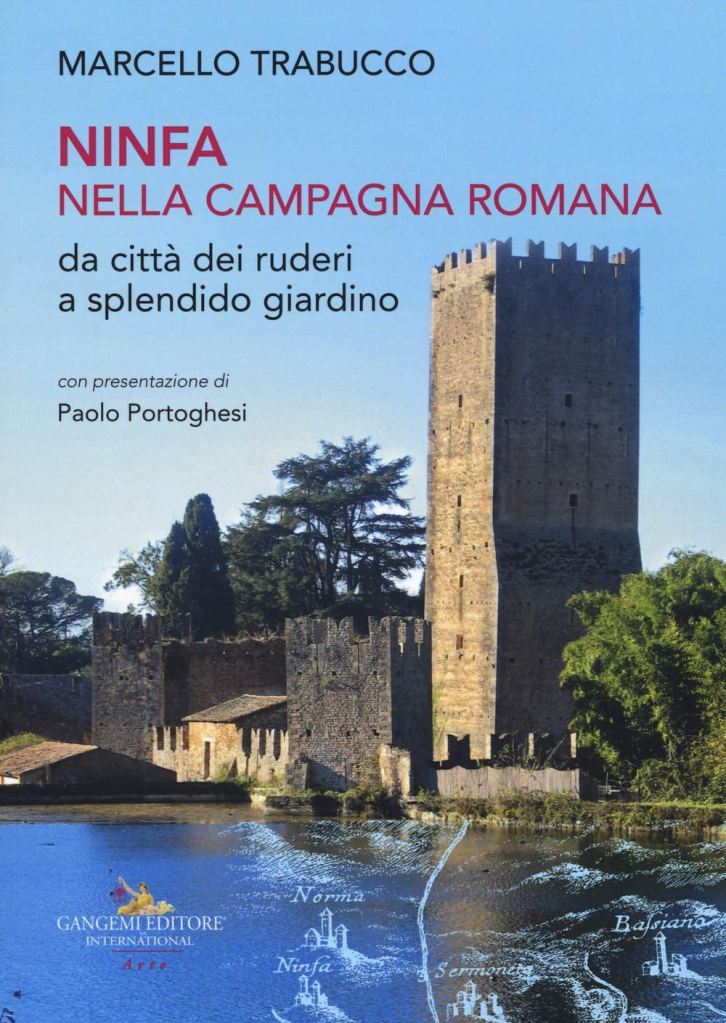
Il meraviglioso Giardino di Ninfa riapre il cancelli al pubblico.
Finalmente sabato 16 e domenica 17 marzo, sarà possibile apprezzare la prima fioritura delle magnolie che colora uno dei giardini più belli al mondo, ubicato in provincia di Latina, e ogni anno visitato da oltre 75mila persone.
Le visite al momento sono già state programmate durante i fine settimana e per le prossime festività del 1 maggio, 2 giugno e 15 agosto fino al 3 novembre; dal 19 luglio all’11 agosto.
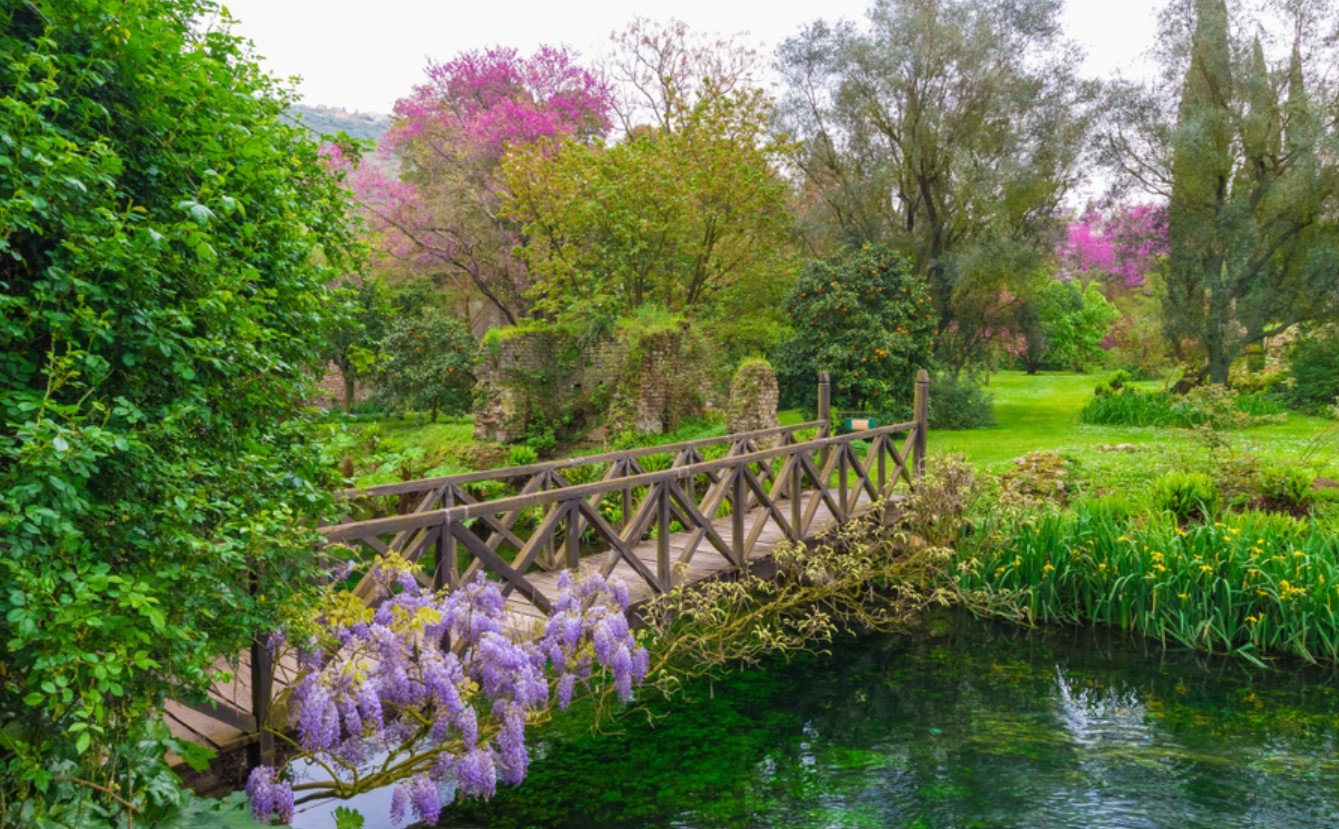
Il nome Ninfa deriva dal tempio pagano edificato in epoca pagana che si trovava nei paraggi ed era dedicato alle divinità delle acque sorgive. Il Giardino di Ninfa, come accennato prima, è stato allestito fra le rovine della città medievale. E’ attraversato dal fiume Ninfa e si estende su circa 8 ettari. Venne aperto al pubblico per la prima volta nel 1920 dalla famiglia Caetani che si fece carico di apportare alcune modifiche all’impianto originale, in linea con i propri gusti personali.
La storia della cittadina di Ninfa è lunga e complessa e comprende un gran numero di passaggi di proprietà e cessioni. Nel 1369 Ninfa venne comprata dai Caetani di Fondo, guidati da Onorato I di Fondi. Onorato pagò i conti e i debiti lasciati dai suoi predecessori e riuscì a rimettere in sesto la cinta muraria.

La sorte gli fu benevola per poco dato che ebbe si l’appoggio di Clemente VII, il papa di Avignone ma si inimicò così facendo il pontefice di Roma Urbano VI. Il papa romano, dopo aver scomunicato Onorato, fece assediare nel 1380 Ninfa. Un anno dopo venne depredata e distrutta a colpi di piccone. Da allora non fu più riedificata.
Scrisse nelle sue Passeggiate Romane Ferdinand Gregorovius: “Ecco Ninfa, ecco le favolose rovine di una città che con le sue mura, torri, chiese, conventi e abitati giace mezzo sommersa nella palude, sepolta sotto l’edera foltissima. In verità questa località è più graziosa della stessa Pompei, le cui case s’innalzano rigide come mummie tratte fuori dalle ceneri vulcaniche.”
Cosa vedere nel Giardino di Ninfa
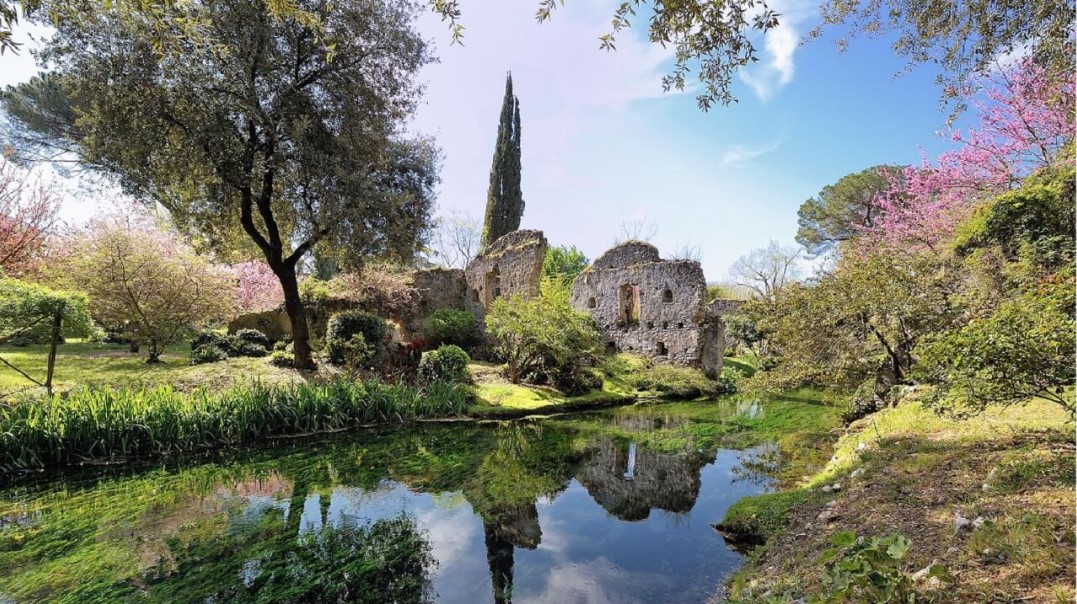
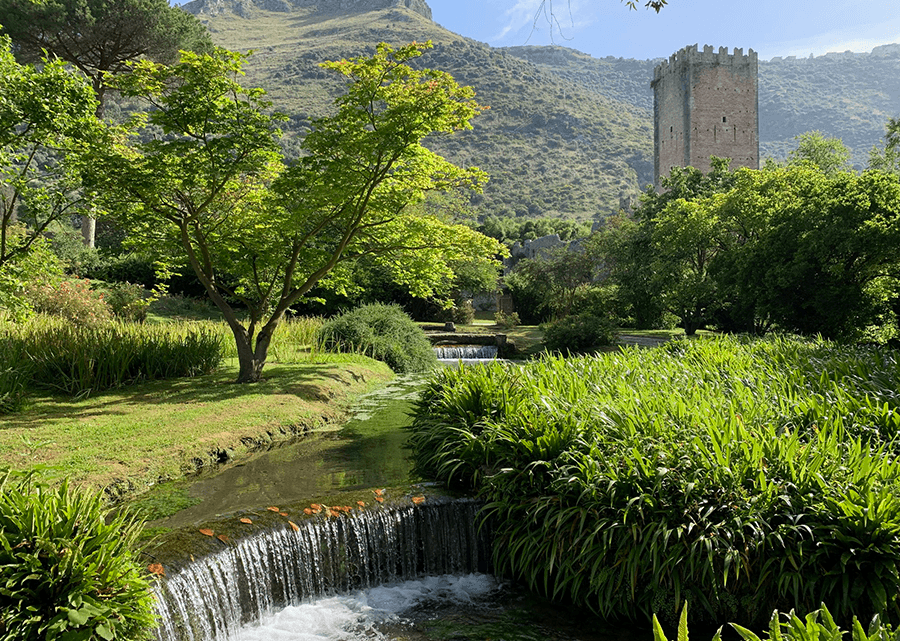
Il Giardino di Ninfa è uno dei luoghi più romantici del mondo. Qui vive una particolare specie di trota importata dal continente africano centinaia di anni fa e nel laghetto ne potrete vedere diversi esemplari. Passeggiando per i sentieri vi ritroverete fra rovine di chiese e campanili, resti di edifici e un castello con tanto di torre.
Le oltre 1300 piante diverse regalano al giardino un aspetto sempre differente a seconda della stagione dell’anno. Ci sono varietà che regalano rosee fioriture in primavera e altre che danno il meglio di sé con l’abbassarsi delle temperature. Ciliegi, aceri giapponesi, meli ornamentali, rigogliose magnolie e rose rampicanti che si aggrappano tenacemente alle rovine trasformandole in supporti perfetti per i loro profumatissimi fiori nel mese di maggio
Chi ha fortuna potrà avvistare qualche airone cinerino o il falco pellegrino. Più difficile da vedere è il barbagianni che si fa vivo solo dopo il calar del sole.
Potete trovare le disponibilità, il modulo di prenotazione e i biglietti di ingresso per tutto il 2024 sul sito ufficiale www.giardinodininfa.eu.
Per i momento il sempre vostro Michelangelo Buonarroti vi saluta dandovi appuntamento ai prossimi post e sui social.
The Garden of Ninfa, in Latina, reopens to the public
The wonderful Garden of Ninfa reopens its gates to the public.
Finally on Saturday 16th and Sunday 17th March, it will be possible to appreciate the first flowering of the magnolias which colors one of the most beautiful gardens in the world, located in the province of Latina, and visited by over 75 thousand people every year.
The visits have currently already been scheduled during weekends and for the upcoming holidays of May 1st, June 2nd and August 15th until November 3rd; from 19 July to 11 August.
The name Ninfa derives from the pagan temple built in pagan times which was nearby and was dedicated to the divinities of the spring waters. The Garden of Ninfa, as mentioned before, was set up among the ruins of the medieval city. It is crossed by the Ninfa river and extends over approximately 8 hectares. It was opened to the public for the first time in 1920 by the Caetani family who took it upon themselves to make some changes to the original layout, in line with their personal tastes.
The history of the town of Ninfa is long and complex and includes a large number of changes of ownership and sales. In 1369 Ninfa was bought by the Caetani di Fondo, led by Onorato I di Fondi. Onorato paid the bills and debts left by his predecessors and managed to restore the city walls.
Fate was kind to him for a short while as he had the support of Clement VII, the Pope of Avignon, but in doing so he antagonized the Pope of Rome Urban VI. The Roman Pope, after having excommunicated Onorato, had Ninfa besieged in 1380. A year later it was looted and destroyed with pickaxes. Since then it has never been rebuilt.
Ferdinand Gregorovius wrote in his Roman Walks: “Here is Ninfa, here are the fabulous ruins of a city which with its walls, towers, churches, convents and settlements lies half submerged in the swamp, buried under the thick ivy. In truth this place is prettier than Pompeii itself, whose houses rise stiffly like mummies taken out of volcanic ash.”
What to see in the Garden of Ninfa
The Garden of Ninfa is one of the most romantic places in the world. A particular species of trout lives here, imported from the African continent hundreds of years ago and you can see several specimens in the lake. Walking along the paths you will find yourself among ruins of churches and bell towers, remains of buildings and a castle complete with a tower.
The over 1300 different plants give the garden an always different appearance depending on the season of the year. There are varieties that give rosy blooms in spring and others that give their best as temperatures drop. Cherry trees, Japanese maples, ornamental apple trees, lush magnolias and climbing roses that tenaciously cling to the ruins transforming them into perfect supports for their fragrant flowers in the month of May
Those who are lucky may spot some gray herons or peregrine falcons. More difficult to see is the barn owl which only appears after dark.
You can find availability, the booking form and entrance tickets for the whole of 2024 on the official website www.giardinodininfa.eu.
For the moment, your always Michelangelo Buonarroti greets you and will meet you in the next posts and on social media.

Sostienici – Support Us
Se questo blog ti piace e ti appassiona, puoi aiutarci a farlo crescere sempre più sostenendoci in modo concreto condividendo i post, seguendo le pagine social e con un contributo che ci aiuta ad andare avanti con il nostro lavoro di divulgazione. . ENGLISH: If you like and are passionate about this blog, you can help us make it grow more and more by supporting us in a concrete way by sharing posts, following social pages and with a contribution that helps us to move forward with our dissemination work.
10,00 €
-
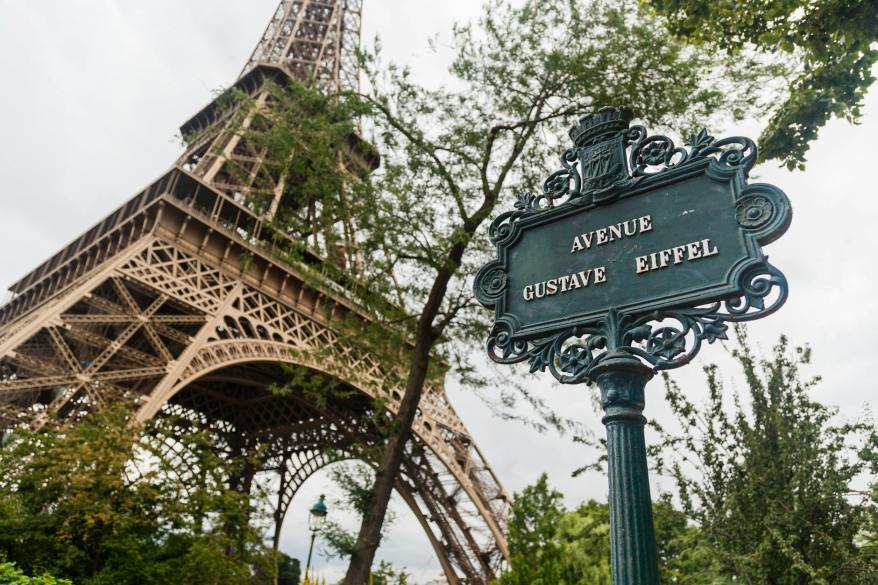
31 marzo 1889: inaugurata la Torre Eiffel tra critiche feroci e un destino inaspettato
🇮🇹Il 31 marzo 1889 segna una data destinata a cambiare per sempre il volto di Parigi e dell’immaginario collettivo globale: viene inaugurata la Torre Eiffel, l’opera più audace e discussa del suo tempo… 🇬🇧March 31, 1889 marks a date destined to change the face of Paris and the global collective imagination forever: the Eiffel Tower,…
-
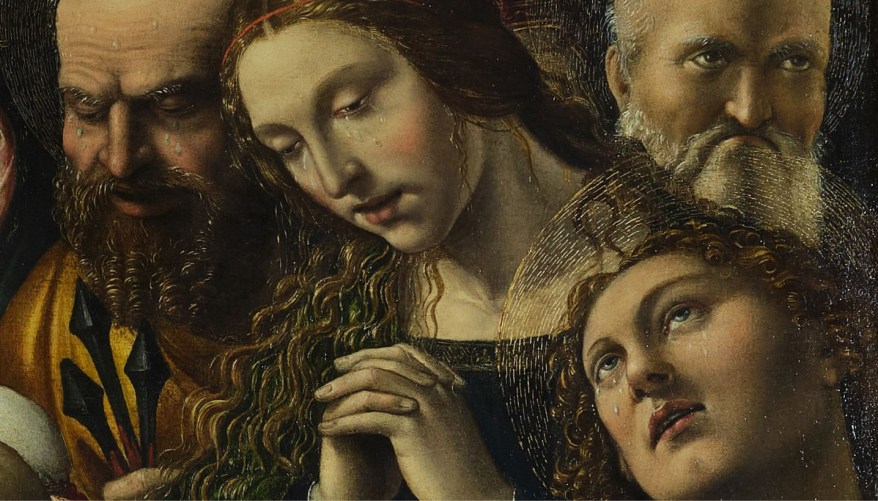
Sodoma in mostra a Torino: il Rinascimento al Museo Accorsi-Ometto
🇮🇹Al Museo di Arti Decorative Accorsi-Ometto arriva una mostra dedicata al Sodoma: oltre 50 opere, alcune mai viste prima, raccontano la formazione dell’artista e il suo dialogo con maestri come Pinturicchio… 🇬🇧An exhibition dedicated to Sodoma arrives at the Accorsi-Ometto Museum of Decorative Arts: over 50 works, some never before seen, recount the artist’s development…
-
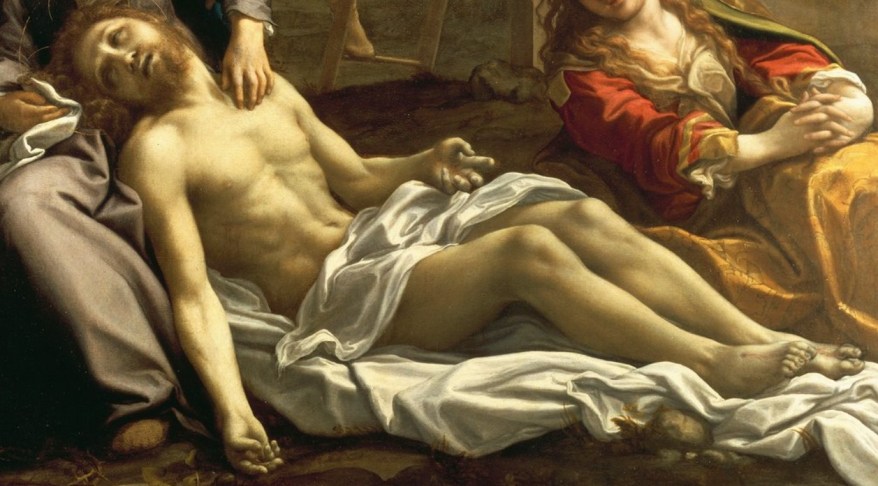
Il Compianto sul Cristo morto di Correggio: pathos e devozione
🇮🇹Con l’inizio della Settimana Santa, vi propongo il Compianto sul Cristo morto di Antonio Allegri, più noto come il Correggio: uno dei vertici assoluti della pittura emiliana del Cinquecento… 🇬🇧With the beginning of Holy Week, I propose the Lamentation over the Dead Christ by Antonio Allegri, better known as Correggio: one of the absolute peaks…
Condividi:


Questo sono io





sostienici

Sostienici - Support Us
Se questo blog ti piace e ti appassiona, puoi aiutarci a farlo crescere sempre più sostenendoci in modo concreto condividendo i post, seguendo le pagine social e con un contributo che ci aiuta ad andare avanti con il nostro lavoro di divulgazione. . ENGLISH: If you like and are passionate about this blog, you can help us make it grow more and more by supporting us in a concrete way by sharing posts, following social pages and with a contribution that helps us to move forward with our dissemination work.
€10,00


