

Non ha l’ottimo artista alcun concetto
“Non ha l’ottimo artista alcun concetto…”, comincia così uno dei miei più celebri sonetti, con una definizione netta dell’arte della scultura, ripresa poi dal Varchi nell’orazione funebre che scrisse per le mie esequie di luglio.
Il superchio è il blocco che di per sé contiene l’opera, ovvero il concetto, l’idea stessa dell’opera che ne verrà tratta fuori per forza di levare, scalpellata dopo scalpellata, con la mano guidata dall’artista.
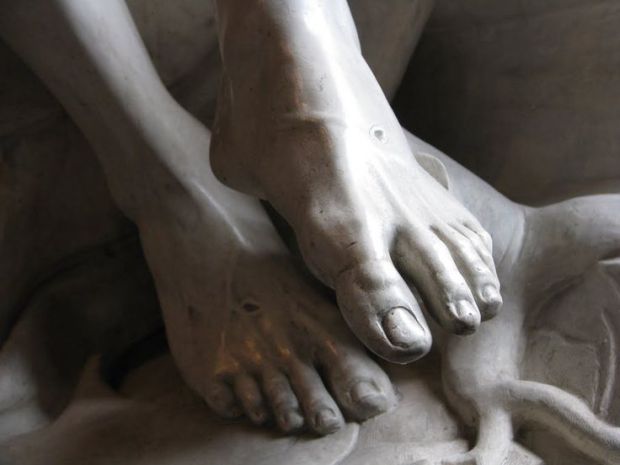
Nella seconda quartina che ha inizio col verso “Il mal ch’io fuggo, e ’l ben ch’io mi prometto…” comparai la scultura a una donna poiché quello che si nasconde in essa come il concetto sta dentro il marmo, viene rivelato dal poeta anche se io, in quell’arte ero capace di trarre solo quello che non desideravo, ovvero “Il mal che io fuggo”.
Portai a termine il sonetto scrivendo che la colpa del mio male non era di per sé l’amore né la bellezza di lei o la sua crudeltà, dello sdegno né del mio destino.

A seguire vi propongo l’intero sonetto originale.
Non ha l’ottimo artista alcun concetto
c’un marmo solo in sé non circonscriva
col suo superchio, e solo a quello arriva
la man che ubbidisce all’intelletto.
Il mal ch’io fuggo, e ’l ben ch’io mi prometto,
in te, donna leggiadra, altera e diva,
tal si nasconde; e perch’io più non viva,
contraria ho l’arte al disïato effetto.
Amor dunque non ha, né tua beltate
o durezza o fortuna o gran disdegno
del mio mal colpa, o mio destino o sorte;
se dentro del tuo cor morte e pietate
porti in un tempo, e che ’l mio basso ingegno
non sappia, ardendo, trarne altro che morte.
Per il momento il sempre vostro Michelangelo Buonarroti vi saluta dandovi appuntamento ai prossimi post e sui social.

The excellent artist has no concept
“The excellent artist has no concept…”, thus begins one of my most famous sonnets, with a clear definition of the art of sculpture, later taken up by Varchi in the funeral oration he wrote for my funeral in July.
The superchio is the block which in itself contains the work, or rather the concept, the very idea of the work which will be removed by force of removal, chiselled after chiselled, with the hand guided by the artist.
In the second quatrain which begins with the verse “The evil that I flee, and the good that I promise myself…” I compared the sculpture to a woman since what is hidden in it as the concept is inside the marble, is revealed from the poet even if, in that art, I was only able to draw what I did not desire, that is, “The evil that I flee”.
I completed the sonnet by writing that the fault of my illness was not in itself love, nor her beauty, nor her cruelty, nor her indignation nor my fate.
Below I propose the entire original sonnet.
For the moment, your always Michelangelo Buonarroti greets you and will meet you in the next posts and on social media.

Sostienici – Support Us
Se questo blog ti piace e ti appassiona, puoi aiutarci a farlo crescere sempre più sostenendoci in modo concreto condividendo i post, seguendo le pagine social e con un contributo che ci aiuta ad andare avanti con il nostro lavoro di divulgazione. . ENGLISH: If you like and are passionate about this blog, you can help us make it grow more and more by supporting us in a concrete way by sharing posts, following social pages and with a contribution that helps us to move forward with our dissemination work.
8,00 €
-
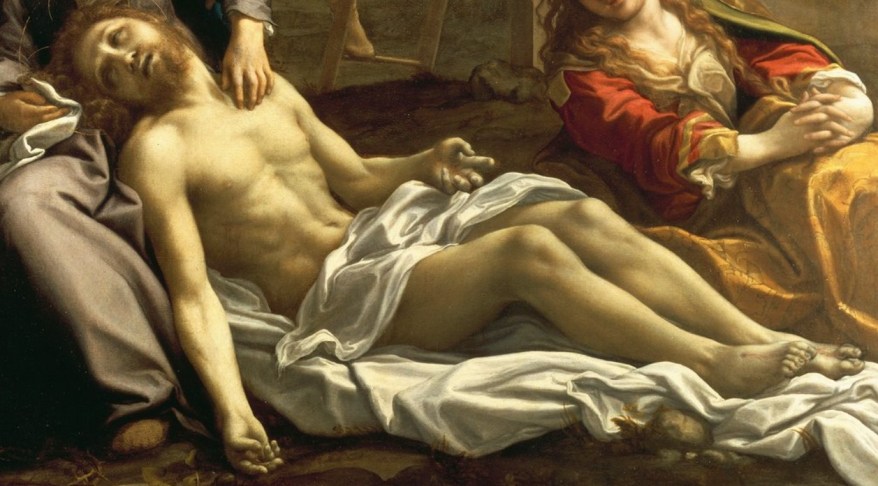
Il Compianto sul Cristo morto di Correggio: pathos e devozione
🇮🇹Con l’inizio della Settimana Santa, vi propongo il Compianto sul Cristo morto di Antonio Allegri, più noto come il Correggio: uno dei vertici assoluti della pittura emiliana del Cinquecento… 🇬🇧With the beginning of Holy Week, I propose the Lamentation over the Dead Christ by Antonio Allegri, better known as Correggio: one of the absolute peaks…
-
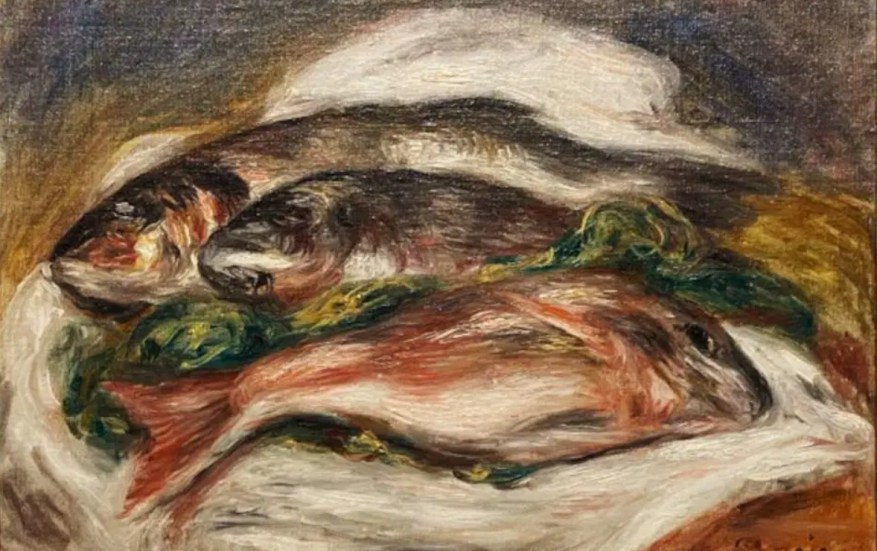
Furto milionario alla Magnani Rocca: rubati Renoir, Cézanne e Matisse
🇮🇹‼Tre capolavori storici spariti in meno di tre minuti: Les Poissons di Renoir, Tasse et plat de cerises di Cézanne e Odalisque sur la terrasse di Matisse sono stati rubati nella dalla Fondazione Magnani Rocca a Mamiano di Traversetolo, nel Parmense… 🇬🇧‼Three historic masterpieces disappeared in less than three minutes: Renoir’s Les Poissons, Cézanne’s Tasse…
-
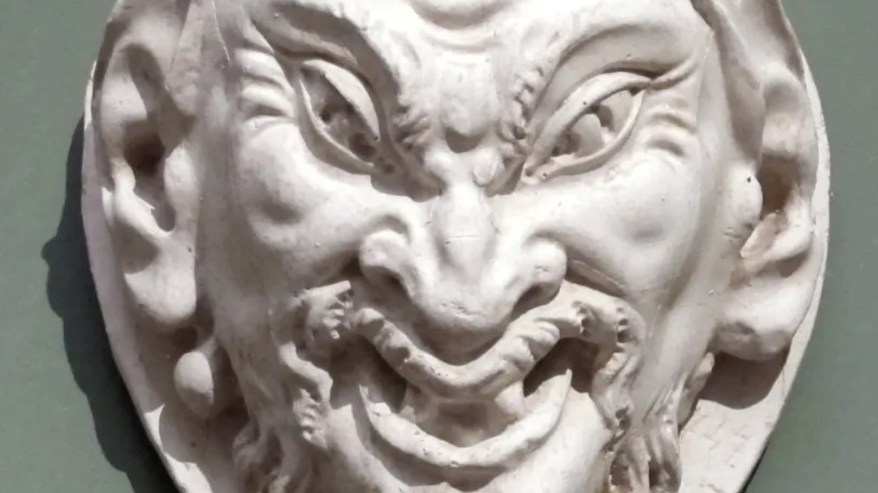
Fauno rubato: 15.000$ per ritrovarlo dopo 80 anni
🇮🇹Ero un ragazzino quando scolpii il Mascherone del Fauno sdentato. Oggi quel volto è perduto, rubato nella notte della guerra e da oltre 80 anni nessuno sa dove sia. Ora una ricompensa di 15.000$ riaccende la ricerca… 🇬🇧I was a boy when I sculpted the Toothless Faun Mask. Today that face is lost, stolen on…
Condividi:


Questo sono io





sostienici

Sostienici - Support Us
Se questo blog ti piace e ti appassiona, puoi aiutarci a farlo crescere sempre più sostenendoci in modo concreto condividendo i post, seguendo le pagine social e con un contributo che ci aiuta ad andare avanti con il nostro lavoro di divulgazione. . ENGLISH: If you like and are passionate about this blog, you can help us make it grow more and more by supporting us in a concrete way by sharing posts, following social pages and with a contribution that helps us to move forward with our dissemination work.
€10,00


