
La Scultura del giorno: Agar e Ismaele di Lodovico Caselli
La scultura del giorno che vi propongo oggi è Agar e Ismaele, l’opera più bella e intensa dell’artista senese Lodovico Caselli, scolpita nel 1850.
La scultura, firmata e datata sulla base, appartiene a una collezione privata e a lungo è stata dimenticata. La sua riscoperta ha posto nova luce sull’artista che fino al momento era noto solo per aver realizzato la scultura di Paolo Mascagni, noto anatomista che fu anche professore di anatomia pittorica all’Accademia di Belle Arti di Firenze.

Caselli fu allievo sia di Pampaloni che del Costoli all’Accademia di Firenze. Nel 1840 conquistò il primo premio per la scultura a pari merito con Dupré grazie a un bassorilievo in gesso che raffigurava il Giudizio di Paride.
Lo scultore presentò il gruppo di Agar e Ismaele all’esposizione che venne organizzata in Accademia nel settembre del 1842. Sempre a quella esposizione Dupré aveva inviato il modello in gesso dell’opera che poi divenne celeberrima dell‘Abele morente.

La scultura del 1850 è una rielaborazione successiva del modello proposto in mostra dall’artista.
Caselli, rivale di Dupré, volle confrontarsi con un tema che gli permetteva di mettere in evidenza tutto il suo virtuosismo nel dar forma al corpo nudo di Ismaele, in netto contrasto con quello panneggiato e coperto dalla testa ai piedi di Agar.

Sfinito dalla sete, Ismaele è sollevato su un fianco mentre la madre gli tiene il capo sollevando con infinita tenerezza e preoccupazione.
L’artista seppe rendere con una profondità notevole l’episodio biblico molto conosciuto e riprodotto al suo tempo. Il dramma della madre che appena terminata l’acqua disponibile deve sopportare la dolorosa vista del figlio che sta morendo è straziante.

Caselli seppe rendere in scultura un tema molto in voga in ambito pittorico fra artisti come Guercino, Van Dyck e Batoni in precedenza e poi Horace Vernet, Ary Scheffer, Piccio e Overbeck fra gli artisti a lui contemporanei.
Tutta l’acqua dell’otre era venuta a mancare. Allora essa depose il fanciullo sotto un cespuglio e andò a sedersi di fronte, alla distanza di un tiro d’arco, perché diceva: “Non voglio veder morire il fanciullo!”. Quando gli si fu seduta di fronte, egli alzò la voce e pianse.
Ma Dio udì la voce del fanciullo e un angelo di Dio chiamò Agar dal cielo e le disse: “Che hai, Agar? Non temere, perché Dio ha udito la voce del fanciullo là dove si trova. Alzati, prendi il fanciullo e tienilo per mano, perché io ne farò una grande nazione”.
Dio le aprì gli occhi ed essa vide un pozzo d’acqua. Allora andò a riempire l’otre e fece bere il fanciullo. E Dio fu con il fanciullo, che crebbe e abitò nel deserto e divenne un tiratore d’arco. Egli abitò nel deserto di Paran dove sua madre gli prese una moglie del paese d’Egitto.
Genesi

Per il momento il sempre vostro Michelangelo Buonarroti vi saluta dandovi appuntamento ai prossimi post e sui social.

Sculpture of the day: Hagar and Ishmael by Lodovico Caselli
The sculpture of the day that I propose to you today is Hagar and Ishmael, the most beautiful and intense work by the Sienese artist Lodovico Caselli, sculpted in 1850.
The sculpture, signed and dated on the base, belongs to a private collection and has long been forgotten. The rediscovery of the work has shed new light on the artist who until now was known only for having created the sculpture of Paolo Mascagni, a well-known anatomist who was also a professor of pictorial anatomy at the Academy of Fine Arts in Florence.
Caselli created that sculpture for the series of illustrious men that appears in the Uffizi Loggia.
Caselli was a pupil of both Pampaloni and Costoli at the Academy of Florence. In 1840 he won first prize for sculpture jointly with Dupré thanks to a plaster bas-relief depicting the Judgment of Paris.
The sculptor presented the group of Hagar and Ishmael at the exhibition that was organized at the Academy in September 1842. It was also at that exhibition that Dupré had sent the plaster model of the work that later became famous of the Dying Abel.
The 1850 sculpture is a later reworking of the model proposed in the exhibition by the artist.
Caselli, Dupré’s rival, wanted to deal with a theme that allowed him to highlight all his virtuosity in giving shape to Ishmael’s naked body, in stark contrast to the draped body covered from head to toe of Hagar.
Exhausted by thirst, Ishmael is raised on his side while his mother holds his head and lifts it with infinite tenderness and concern.
The artist was able to render with remarkable depth the biblical episode that was very well known and reproduced in his time. The drama of the mother who, as soon as the available water runs out, has to endure the painful sight of her dying son is heartbreaking.
Aselli was able to translate into sculpture a theme that was very popular in the pictorial field among artists such as Guercino, Van Dyck and Batoni previously and then Horace Vernet, Ary Scheffer, Piccio and Overbeck among his contemporary artists.
All the water in the skin had disappeared. Then she placed the boy under a bush and went to sit in front of him, at a distance of a bow shot, because she said: “I don’t want to see the boy die!”. When she sat down opposite him, he raised his voice and cried.
But God heard the voice of the child, and an angel of God called Hagar from heaven and said to her: “What is the matter, Hagar? Do not be afraid, because God has heard the voice of the child where he is. Rise, take the child and hold him by the hand, because I will make him a great nation.”
God opened her eyes and she saw a well of water. Then she went to fill the skin and made the boy drink. And God was with the child, who grew up and lived in the desert and became an archer. He lived in the desert of Paran where his mother took him a wife from the land of Egypt.
Genesis
For the moment, your always Michelangelo Buonarroti greets you and will meet you in the next posts and on social media.

Sostienici – Support Us
Se questo blog ti piace e ti appassiona, puoi aiutarci a farlo crescere sempre più sostenendoci in modo concreto condividendo i post, seguendo le pagine social e con un contributo che ci aiuta ad andare avanti con il nostro lavoro di divulgazione. . ENGLISH: If you like and are passionate about this blog, you can help us make it grow more and more by supporting us in a concrete way by sharing posts, following social pages and with a contribution that helps us to move forward with our dissemination work.
8,00 €
-
31 marzo 1889: inaugurata la Torre Eiffel tra critiche feroci e un destino inaspettato
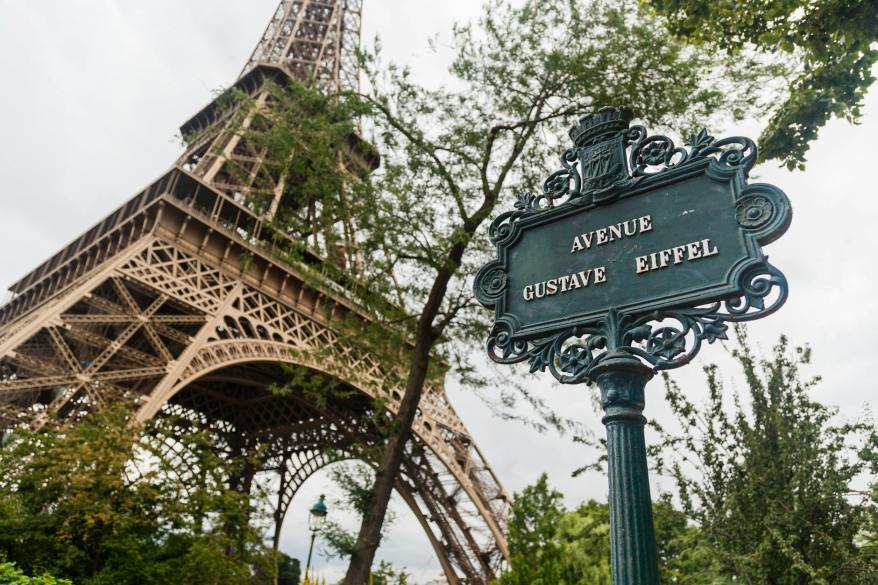
🇮🇹Il 31 marzo 1889 segna una data destinata a cambiare per sempre il volto di Parigi e dell’immaginario collettivo globale: viene inaugurata la Torre Eiffel, l’opera più audace e discussa del suo tempo… 🇬🇧March 31, 1889 marks a date destined to change the face of Paris and the global collective imagination forever: the Eiffel Tower,…
-
Sodoma in mostra a Torino: il Rinascimento al Museo Accorsi-Ometto
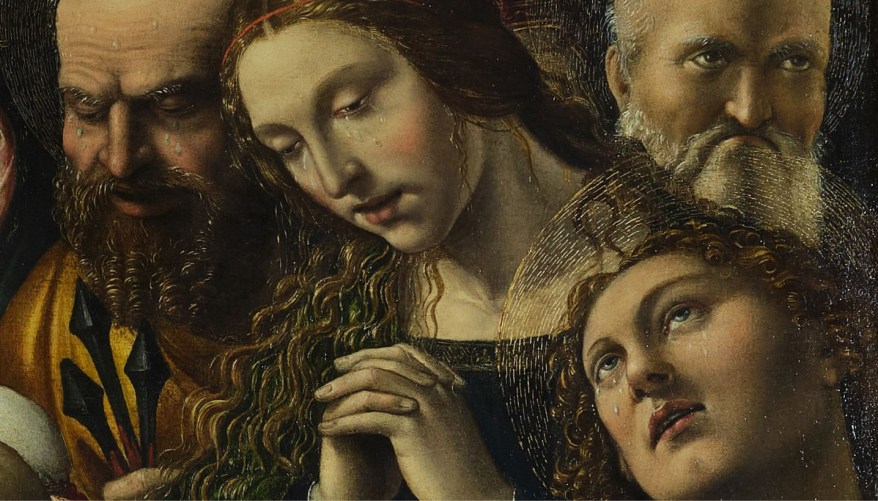
🇮🇹Al Museo di Arti Decorative Accorsi-Ometto arriva una mostra dedicata al Sodoma: oltre 50 opere, alcune mai viste prima, raccontano la formazione dell’artista e il suo dialogo con maestri come Pinturicchio… 🇬🇧An exhibition dedicated to Sodoma arrives at the Accorsi-Ometto Museum of Decorative Arts: over 50 works, some never before seen, recount the artist’s development…
-
Il Compianto sul Cristo morto di Correggio: pathos e devozione
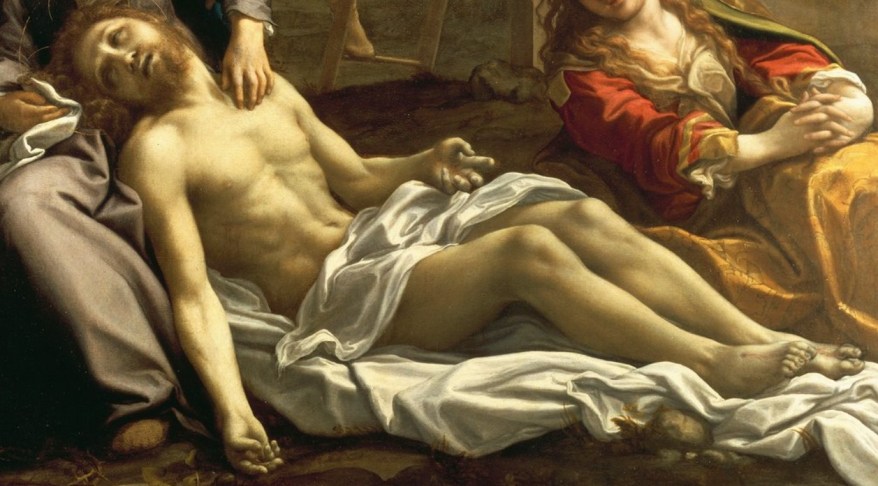
🇮🇹Con l’inizio della Settimana Santa, vi propongo il Compianto sul Cristo morto di Antonio Allegri, più noto come il Correggio: uno dei vertici assoluti della pittura emiliana del Cinquecento… 🇬🇧With the beginning of Holy Week, I propose the Lamentation over the Dead Christ by Antonio Allegri, better known as Correggio: one of the absolute peaks…
Condividi:


Questo sono io





sostienici

Sostienici – Support Us
Se questo blog ti piace e ti appassiona, puoi aiutarci a farlo crescere sempre più sostenendoci in modo concreto condividendo i post, seguendo le pagine social e con un contributo che ci aiuta ad andare avanti con il nostro lavoro di divulgazione. . ENGLISH: If you like and are passionate about this blog, you can help us make it grow more and more by supporting us in a concrete way by sharing posts, following social pages and with a contribution that helps us to move forward with our dissemination work.
€10,00


