
1 marzo 1445: nasce Sandro Botticelli
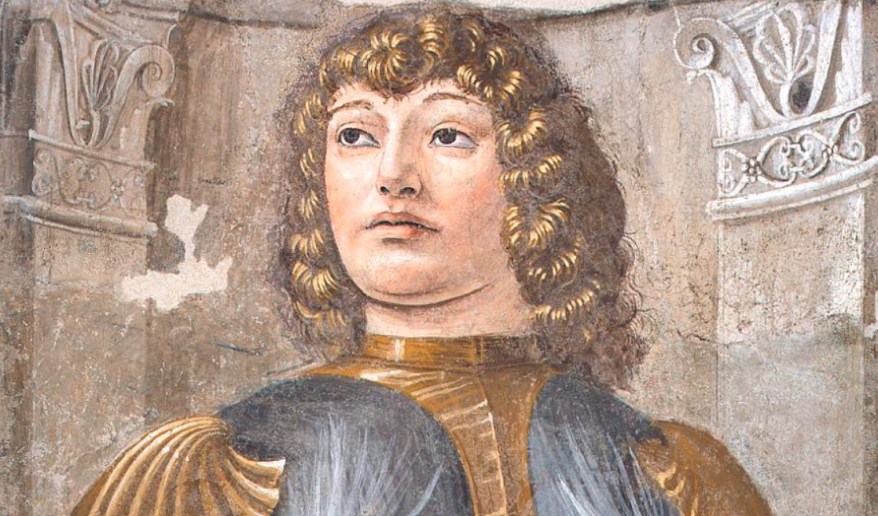
Il 1 marzo del 1445 venne al mondo in quel di Firenze Sandro Botticelli, al secolo Alessandro di Mariano di Vanni Filipepi.
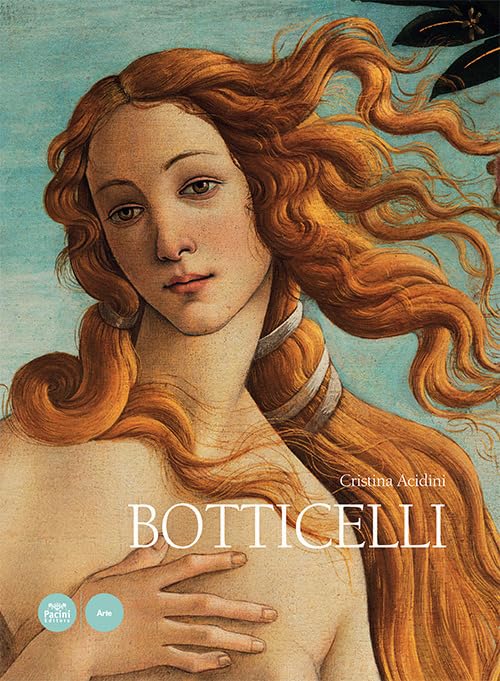
Chi l’avrebbe mai detto che di lì a qualche anno, quel bambino sarebbe divenuto uno dei più grandi pittori del Rinascimento e che avrebbe legato per sempre il suo nome a opere divenute iconiche come la Nascita di Venere e la Primavera?

Figlio di un conciatore di pelli, Botticelli nacque in quella che oggi si chiama Via del Porcellana, in Borgo Ognissanti e fu l’ultimo di quattro fratelli.
Iniziò la sua formazione artistica come orafo, probabilmente sotto la guida del fratello Antonio che già praticava il mestiere da qualche anno. Dovete sapere che al tempo nelle botteghe orafe non ci si occupava di lavorare esclusivamente i metalli ma si producevano anche sculture e pitture di dimensioni contenute.
Il su babbo si rese presto conto che il ragazzo era in gamba e negli anni Sessanta del Quattrocento lo mise a bottega da Filippo Lippi.
A bottega i garzoni imparavano a disegnare e a dipingere passando prima per un lungo apprendistato che prevedeva l’apprendimento di altri lavori collegati al mestiere come la preparazione delle tavole, il macinare i colori e il metodo corretto per stendere la foglia d’oro.

Botticelli rimase a bottega da Filippo Lippi dal 1464 fino al 1467. Affiancò poi il maestro, assieme ad altri allievi, durante il lavoro delle Storie di Santo Stefano e San Giovanni Battista a Prato, nella cappella più grande del Duomo.

Era il 1470 quando finalmente Sandro Botticelli riuscì ad aprire una propria bottega a Firenze e iniziò a ricevere le prime importanti commissioni.
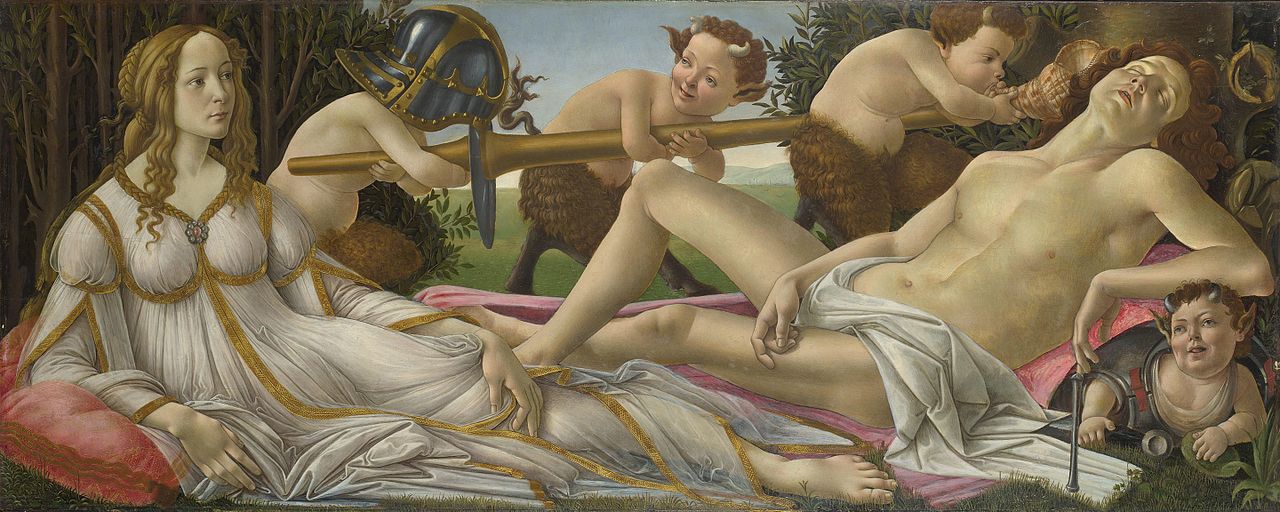
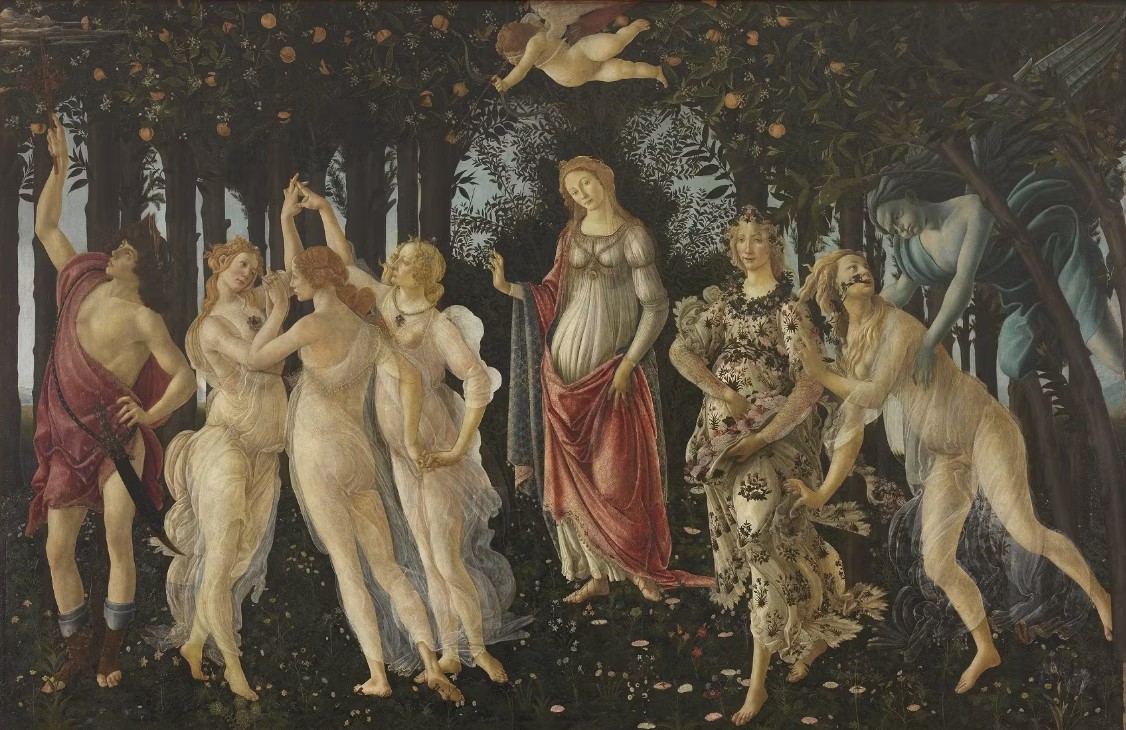
Fra le opere più celebri riconducibili a quel periodo vale la pena ricordare la Primavera del 1482 circa, la Nascita di Venere dipinta fra il 1484 e il 1486 e l’Adorazione dei Magi del 1481.
Giorgio Vasari lo volle raccontare come un “cervello stravagante e sempre inquieto”, ma anche una persona piacevole e allegra che “fece molte burle ai suoi discepoli et amici”.
Lorenzo il Magnifico, nel suo poema scherzoso Simposio volle citare la sua golosità: “Botticel la cui fama non è fosca, Botticel dico; Botticello ingordo ch’e più impronto e più ghiotto ch’una mosca”.

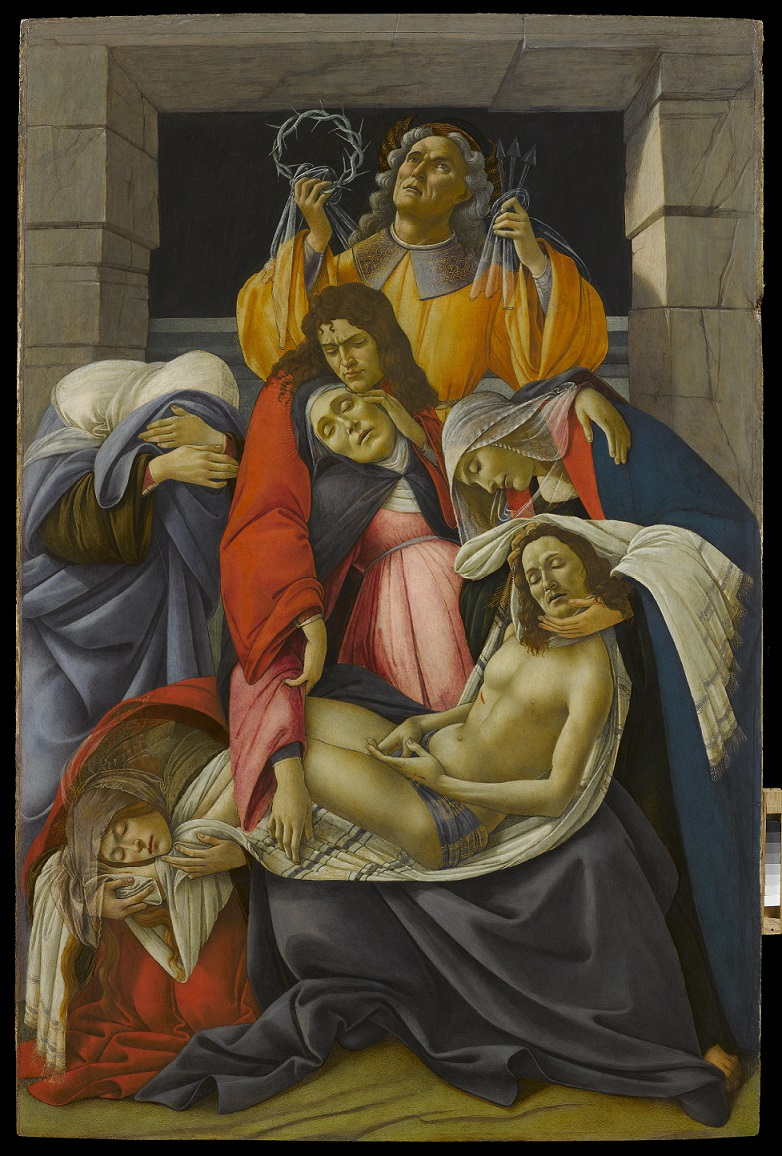
Divenne pittore ufficiale della corte medicea, ottenendo grande fama e successo per la sua bellezza eterea, l’uso raffinato del colore e la perfezione del disegno.
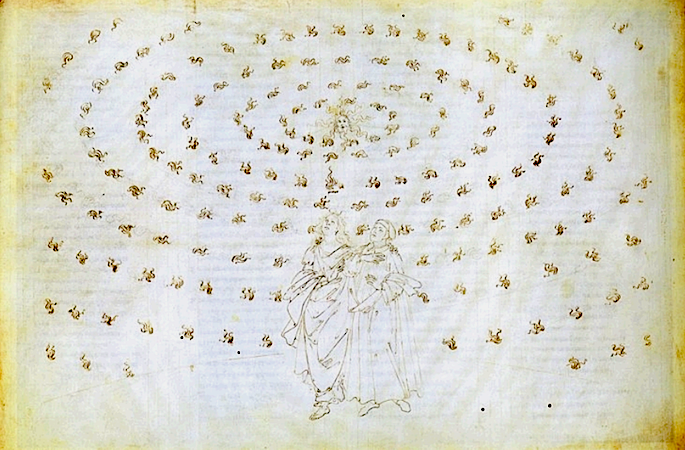
Appassionato della Divina Commedia di Dante, realizzò fra il 1490 e il 1496 per Lorenzo il Popolano le illustrazioni per la stessa su pergamena, oggi ubicati fra la Biblioteca Apostolica Vaticana e il Kupferstichkabinett di Berlino.
Con la caduta dei Medici nel 1494, Botticelli perse il suo principale committente e con il passare del tempo, subendo la fascinazione delle prediche savonaroliane, si dedicò a temi religiosi, con uno stile più severo e introspettivo.
L‘artista passò a miglior vita il 17 maggio del 1510 ma il suo stile continuò a influenzare le generazioni successive di artisti.
Per il momento i l sempre vostro Michelangelo Buonarroti vi saluta dandovi appuntamento ai prossimi post e sui social.


March 1, 1445: Sandro Botticelli was born
On March 1, 1455, Sandro Botticelli, born Alessandro di Mariano di Vanni Filipepi, was born in Florence.
Who would have thought that within a few years, that child would become one of the greatest painters of the Renaissance and that his name would forever be linked to works that have become iconic such as the Birth of Venus and Spring?
The son of a leather tanner, Botticelli was born in what is now called Via del Porcellana, in Borgo Ognissanti and was the last of four brothers.
He began his artistic training as a goldsmith, probably under the guidance of his brother Antonio who had already been practicing the trade for a few years. You should know that at the time the goldsmiths’ workshops did not exclusively work with metals but also produced small-sized sculptures and paintings.
His father quickly realized that the boy was clever and in the 1460s he put him in Filippo Lippi’s workshop.
In the workshop the apprentices learned to draw and paint by first going through a long apprenticeship which involved learning other jobs related to the trade such as preparing the boards, grinding the colors and the correct method for spreading the gold leaf.
Botticelli remained in Filippo Lippi’s workshop from 1464 until 1467. He then joined the master, together with other students, during the work of the Stories of Saint Stephen and Saint John the Baptist in Prato, in the largest chapel of the Cathedral.
It was 1470 when Sandro Botticelli finally managed to open his own workshop in Florence and began to receive his first important commissions.
Among the most famous works attributable to that period it is worth mentioning the Primavera of around 1482, the Birth of Venus painted between 1484 and 1486 and the Adoration of the Magi of 1481.
Giorgio Vasari wanted to describe him as an “extravagant and always restless brain”, but also a pleasant and cheerful person who “played many pranks on his disciples and friends”.
Lorenzo the Magnificent, in his joking poem Symposium, wanted to mention his gluttony: “Botticel whose fame is not gloomy, Botticel I say; Botticello greedy who is more imprudent and more greedy than a fly”.
He became the official painter of the Medici court, achieving great fame and success for his ethereal beauty, refined use of color and perfection of drawing.
Passionate about Dante’s Divine Comedy, he created the illustrations for the same on parchment between 1490 and 1496 for Lorenzo il Popolano, today located between the Vatican Apostolic Library and the Kupferstichkabinett in Berlin.
With the fall of the Medici in 1494, Botticelli lost his main client and over time, suffering the fascination of Savonarola’s sermons, he dedicated himself to religious themes, with a more severe and introspective style.
The artist passed away on 17 May 1510 but his style continued to influence subsequent generations of artists.
For the moment, your always Michelangelo Buonarroti greets you and will meet you in the next posts and on social media.

Sostienici – Support Us
Se questo blog ti piace e ti appassiona, puoi aiutarci a farlo crescere sempre più sostenendoci in modo concreto condividendo i post, seguendo le pagine social e con un contributo che ci aiuta ad andare avanti con il nostro lavoro di divulgazione. . ENGLISH: If you like and are passionate about this blog, you can help us make it grow more and more by supporting us in a concrete way by sharing posts, following social pages and with a contribution that helps us to move forward with our dissemination work.
10,00 €
-
Quando Cleopatra umiliò Roma: il significato nascosto del celebre dipinto di Tiepolo
🇮🇹 Il dipinto che vi propongo è pura teatralità, lusso e strategia. Cleopatra scommette con Marco Antonio di poter offrire il banchetto più sontuoso della storia e per vincere compie un gesto folle… 🇬🇧 The painting I propose is pure theatricality, luxury, and strategy. Cleopatra bets Mark Antony that she can offer the most sumptuous…
-
Il mio primo soggiorno a Bologna e l’incontro con Giovan Francesco Aldrovandi
🇮🇹Fuggii da Firenze a soli 19 anni. Senza certezze, senza protezioni. Solo con il mio talento. A Bologna trovai rifugio nella casa di Giovan Francesco Aldrovandi… 🇬🇧I fled Florence at just 19. Without certainties, without protection. Only with my talent. In Bologna, I found refuge in the home of Giovan Francesco Aldrovandi…
-
11 aprile 1514: muore Donato Bramante, il genio della scala elicoidale
🇮🇹Era l’11 aprile 1514 quando Donato Bramante morì a Roma. La sua scomparsa non cancellò però le tensioni, le rivalità e i giudizi contrastanti che avevano accompagnato tutta la sua carriera… 🇬🇧It was April 11, 1514, when Donato Bramante died in Rome. His passing, however, did not erase the tensions, rivalries, and conflicting opinions that…
Condividi:


Questo sono io





sostienici

Sostienici – Support Us
Se questo blog ti piace e ti appassiona, puoi aiutarci a farlo crescere sempre più sostenendoci in modo concreto condividendo i post, seguendo le pagine social e con un contributo che ci aiuta ad andare avanti con il nostro lavoro di divulgazione. . ENGLISH: If you like and are passionate about this blog, you can help us make it grow more and more by supporting us in a concrete way by sharing posts, following social pages and with a contribution that helps us to move forward with our dissemination work.
€10,00


