

I Prigioni poggiano sulle basi realizzate nel 2001
I Prigioni e il San Matteo, dislocati lungo il corridoio della Galleria dell’Accademia che porta alla tribuna del David, sono sostenuti da solide basi create con blocchi di pietra saldamente collegati fra di loro con delle staffe.
Queste basi però sono assai recenti: furono infatti realizzate nel 2001 per sostituire quelle che sostenevano le sculture dal 1909.
Perché furono sostituite?
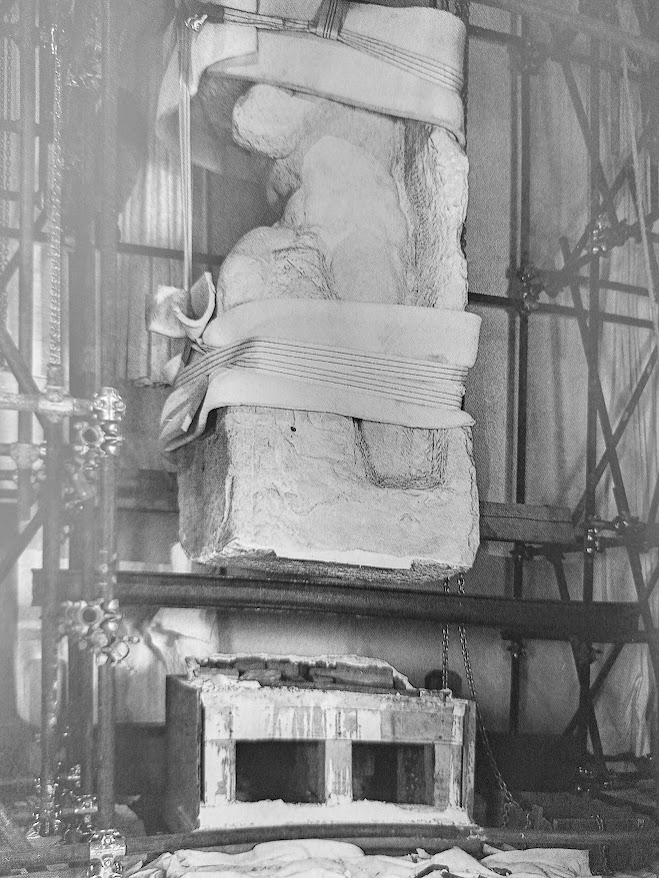
Quelle basi, come risulta dai documenti, erano state costruite con tronchi di legno ed erano chiuse sui quattro lati da lastre di pietra assai sottili per dare l’impressione che i Prigioni posassero su blocchi compatti. Il piano d’appoggio era poi stato stuccato in modo tale da non mostrare l’interno ligneo.
Dopo un secolo però quelle strutture iniziarono a presentare preoccupanti segni di cedimento così si decise di sostituirle con nuove basi più solide e resistenti.
Le attuali basi che sostengono i Prigioni dal 2001 sono state costruite in loco con blocchi di pietra legati direttamente fra di loro per mezzo di staffe, tiranti in acciaio inossidabile e hanno lo stesso aspetto che avevano le precedenti.
Fra la scultura e il basamento è stata interposta una lastra di piombo che potesse attenuare le irregolarità del blocco, fornendo così un piano di appoggio migliorato.

Scommetto che questa curiosità ancora non la conscevate.
Per il momento il vostro Michelangelo Buonarroti vi saluta dandovi appuntamento ai prossimi post e sui social.

Sostienici – Support Us
Se questo blog ti piace e ti appassiona, puoi aiutarci a farlo crescere sempre più sostenendoci in modo concreto condividendo i post, seguendo le pagine social e con un contributo che ci aiuta ad andare avanti con il nostro lavoro di divulgazione. . ENGLISH: If you like and are passionate about this blog, you can help us make it grow more and more by supporting us in a concrete way by sharing posts, following social pages and with a contribution that helps us to move forward with our dissemination work.
8,00 €
The Prisons rest on the foundations built in 2001
The Prisons and the San Matteo located along the corridor of the Accademia Gallery leading to the David tribune are supported by solid bases created with stone blocks firmly connected to each other with brackets.
These bases, however, are very recent: they were in fact built in 2001 to replace those that had supported the sculptures since 1909.
Why were they replaced?
Those bases, as shown by the documents, had been built with wooden trunks and were closed on all four sides by very thin stone slabs to give the impression that the Prisoners were resting on compact blocks. The support surface was then plastered in such a way as not to show the wooden interior.
After a century, however, those structures began to show worrying signs of failure so it was decided to replace them with new, more solid and resistant bases.
The current bases that have supported the Prisons since 2001 were built on site with stone blocks linked directly to each other by means of brackets, stainless steel tie rods and have the same appearance as the previous ones.
I bet you don’t know this curiosity yet.
For the moment, your Michelangelo Buonarroti greets you and will meet you in future posts and on social media.
Sostienici – Support Us
Se questo blog ti piace e ti appassiona, puoi aiutarci a farlo crescere sempre più sostenendoci in modo concreto condividendo i post, seguendo le pagine social e con un contributo che ci aiuta ad andare avanti con il nostro lavoro di divulgazione. . ENGLISH: If you like and are passionate about this blog, you can help us make it grow more and more by supporting us in a concrete way by sharing posts, following social pages and with a contribution that helps us to move forward with our dissemination work.
8,00 €
-
Festival La Versiliana 2026: tra musica, teatro e grandi narrazioni
Dal 17 luglio al 23 agosto 2026, la pineta di Marina di Pietrasanta ospiterà la 47ª edizione del Festival La Versiliana. Una kermesse aperta a tutti nella quale linguaggi diversi dialogano tra loro in un equilibrio tra tradizione e contemporaneità.
-
Giovedì Santo: l’Ultima Cena di Allori che pochi conoscono a Firenze
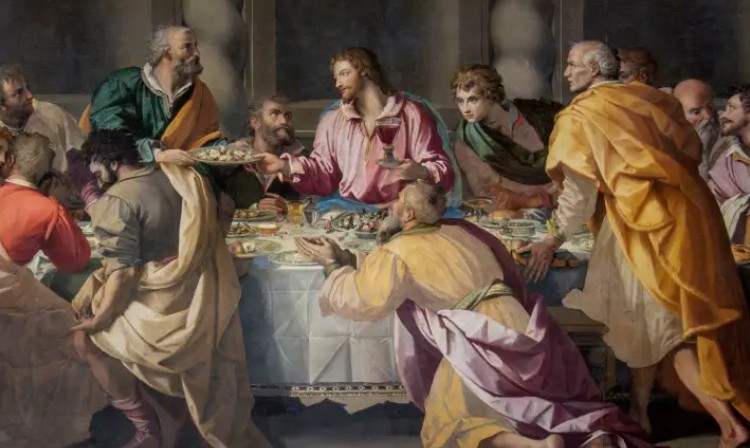
🇮🇹Nel cuore di Museo di Santa Maria Novella, a Firenze, si conserva una delle interpretazioni più affascinanti e meno note dell’Ultima Cena: quella realizzata da Alessandro Allori nel 1584… 🇬🇧In the heart of the Santa Maria Novella Museum in Florence, one of the most fascinating and least-known interpretations of the Last Supper is preserved: the…
-
Cenacolo di Leonardo: i dettagli che raccontano il tradimento
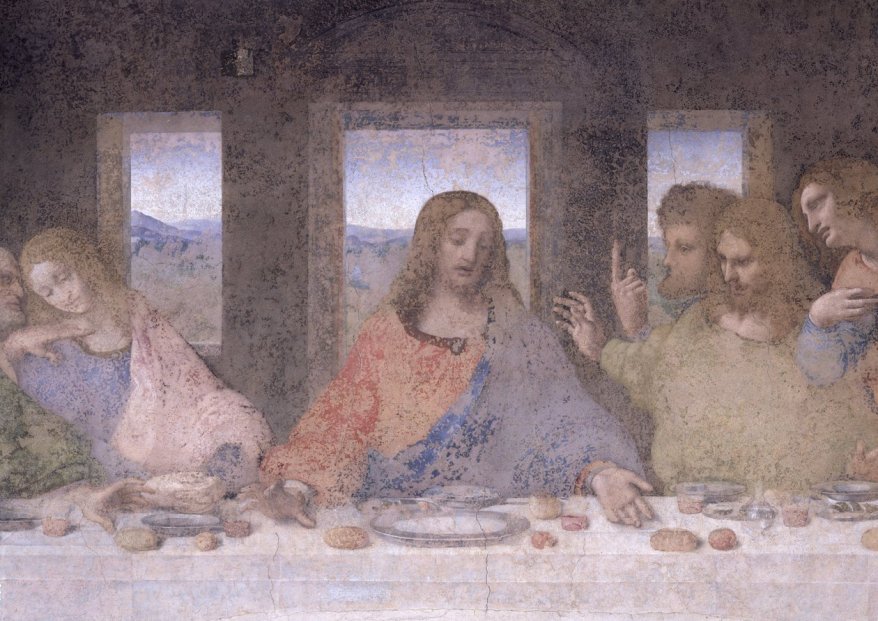
🇮🇹Nel Cenacolo di Leonardo da Vinci, custodito a Santa Maria delle Grazie, Cristo annuncia il tradimento e il tempo si ferma… 🇬🇧In Leonardo da Vinci’s Last Supper, housed in Santa Maria delle Grazie, Christ announces the betrayal and time stands still…
Condividi:


Questo sono io





sostienici

Sostienici – Support Us
Se questo blog ti piace e ti appassiona, puoi aiutarci a farlo crescere sempre più sostenendoci in modo concreto condividendo i post, seguendo le pagine social e con un contributo che ci aiuta ad andare avanti con il nostro lavoro di divulgazione. . ENGLISH: If you like and are passionate about this blog, you can help us make it grow more and more by supporting us in a concrete way by sharing posts, following social pages and with a contribution that helps us to move forward with our dissemination work.
€10,00


