
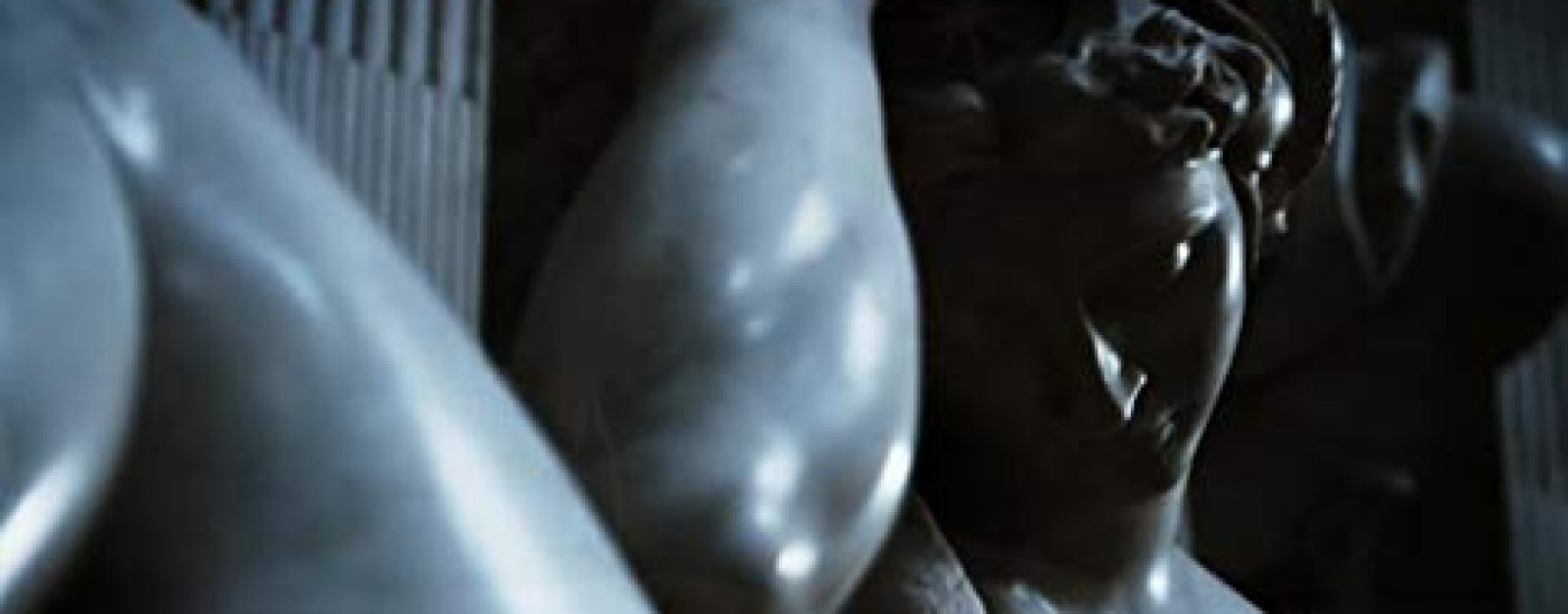
Per dar forza ai corpi altrui, persi la mia
“Nulla si crea, nulla si distrugge, tutto si trasforma” enunciò alla fine del Settecento Lavoisier nella legge della conservazione della massa. Io quella cosa lì l’avevo sperimentata sulla mia pelle un paio di secoli prima.
Quanto più ero impegnato a dar energia ai corpi che scolpivo, disegnavo, fondevo o affrescavo, tanto più diminuivo nel corpo. Per dar forma a loro, forza e gloria, a farne le spese era il mio di corpo, quasi come se quelle figure le tirassi fuori dalle mie di viscere.
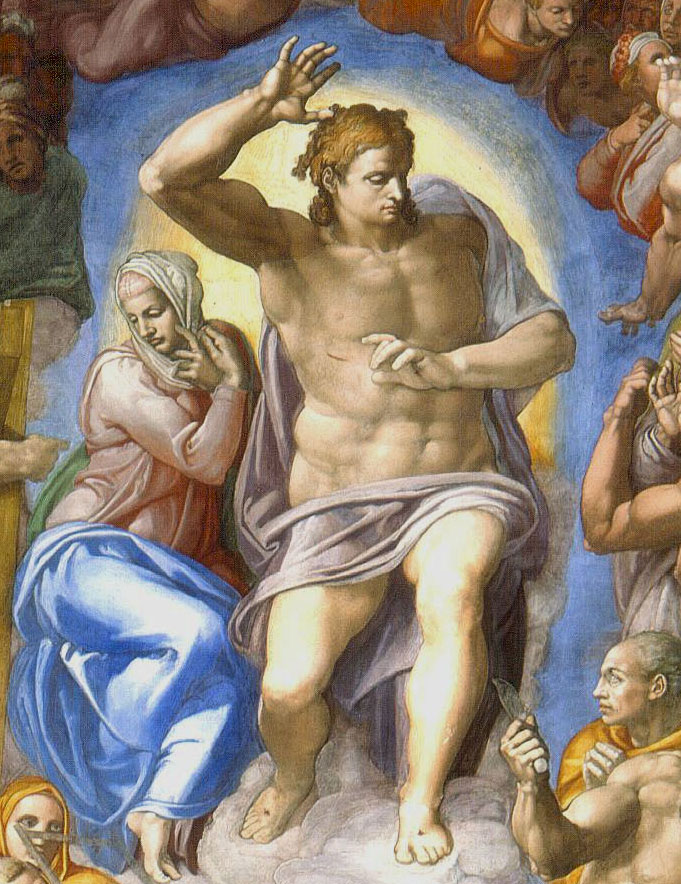
L’eccesso di lavoro era sempre accompagnata dal poco tempo e forse nemmeno dalla voglia di sedermi a tavola e mangiare come si deve.
I tormenti della mente si rispecchiavani nel corpo ed era facile vedere se fossi impegnato o meno con qualcosa di grandioso: quanto più ero occupato a portare avanti un lavoro, tanto più il nutrire il corpo e il riposare passavano in secondo piano.
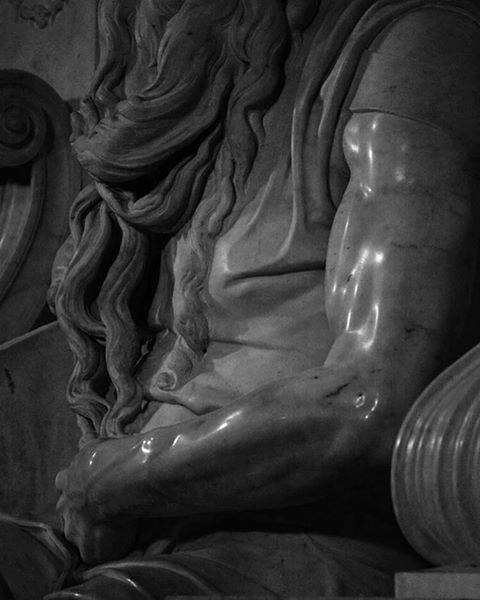
Mi ricordo per esempio che quando ero a Bologna, impegnato con la titanica fusione del Giulio II in bronzo commissiontami dal papa in persona, scrissi in una lettera “Appena posso pligliare tempo da mangiare” e pochi anni dopo, nel 1509, quando a tenermi occupato erano gli affreschi della volta sistina, la situazione non era certo migliore, anzi: “E non ho temo che io possa mangiare el bisonio mio”.
La semplicità dei costumi fu sempre mia abitudine, questo è vero. E’ altrettanto vero però che nei momenti di maggior lavoro, i miei modi morigerati lo divenivano in modo quasi esasperato così a fronte delle mie grandiose creazioni, a farne le spese era il mio corpo.
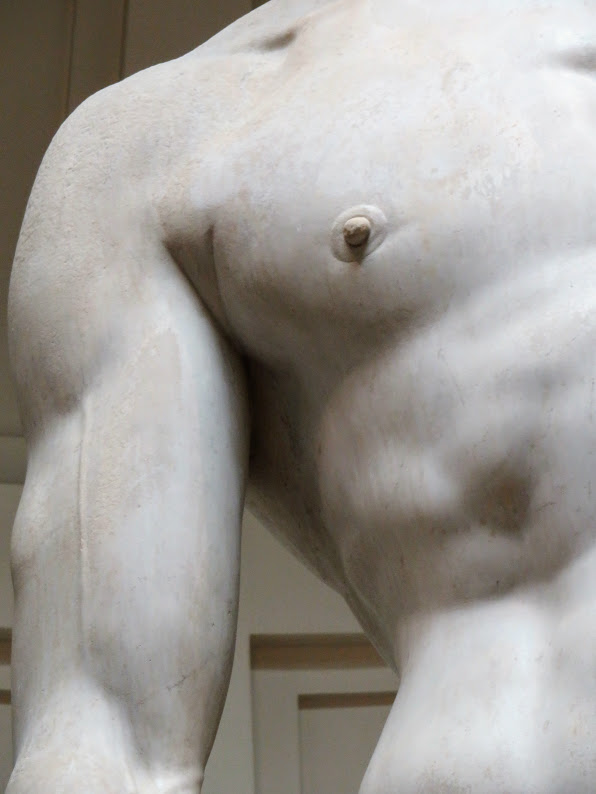
“Et si come è stato di poco cibo, così di poco sonno, il quale secondo ch’egli dice rade volte gli ha fatto prò, come quello che dormendo patisce dolor di capo quasi sempre, anzi il troppo dormire gli fa cattivo stomaco”, così annotò il Condivi raccontando il mio modo di vivere frugale.
Per il momento il sempre vostro Michelangelo Buonarroti vi saluta dandovi appuntamento ai prossimi post e sui social.
To give strength to other people’s bodies, I lost mine
“Nothing is created, nothing is destroyed, everything is transformed” Lavoisier enunciated at the end of the eighteenth century in the law of conservation of mass. I had experienced that thing firsthand a couple of centuries earlier.
The more I was busy giving energy to the bodies I sculpted, drew, cast or frescoed, the more I diminished in the body. To give them shape, strength and glory, it was my body that paid the price, almost as if I were pulling them out of my bowels.
The excess of work was always accompanied by little time and perhaps not even the desire to sit at the table and eat properly. The torments of the mind were reflected in the body and it was easy to see whether or not I was busy with something great: the more I was busy carrying out work, the more nourishing the body and resting always took a back seat.
I remember, for example, that when I was in Bologna, busy with the titanic casting of Julius II in bronze commissioned by the Pope himself, I wrote in a letter “As soon as I can find time to eat” and a few years later, in 1509, when I was busy the frescoes of the Sistine vault, the situation was certainly no better, on the contrary: “And I’m not afraid that I might eat my bisonio”.
“And just as he has had little food, so has little sleep, which according to him he says has rarely done him any good, as someone who almost always suffers from headaches while sleeping, indeed too much sleep gives him a bad stomach”, Condivi noted this when describing my frugal way of living.
Simplicity of costumes has always been my habit, this is true. It is equally true, however, that in the moments of greatest work, my modest ways became almost exasperated, so in the face of my grandiose creations, it was my body that paid the price.
For the moment, your always Michelangelo Buonarroti greets you and will meet you in the next posts and on social media.

Sostienici – Support Us
Se questo blog ti piace e ti appassiona, puoi aiutarci a farlo crescere sempre più sostenendoci in modo concreto condividendo i post, seguendo le pagine social e con un contributo che ci aiuta ad andare avanti con il nostro lavoro di divulgazione. . ENGLISH: If you like and are passionate about this blog, you can help us make it grow more and more by supporting us in a concrete way by sharing posts, following social pages and with a contribution that helps us to move forward with our dissemination work.
8,00 €
-
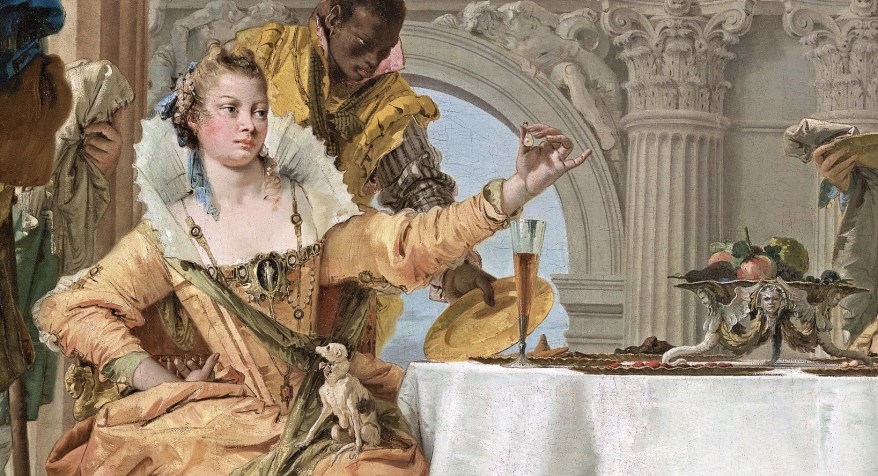
Quando Cleopatra umiliò Roma: il significato nascosto del celebre dipinto di Tiepolo
🇮🇹 Il dipinto che vi propongo è pura teatralità, lusso e strategia. Cleopatra scommette con Marco Antonio di poter offrire il banchetto più sontuoso della storia e per vincere compie un gesto folle… 🇬🇧 The painting I propose is pure theatricality, luxury, and strategy. Cleopatra bets Mark Antony that she can offer the most sumptuous…
-
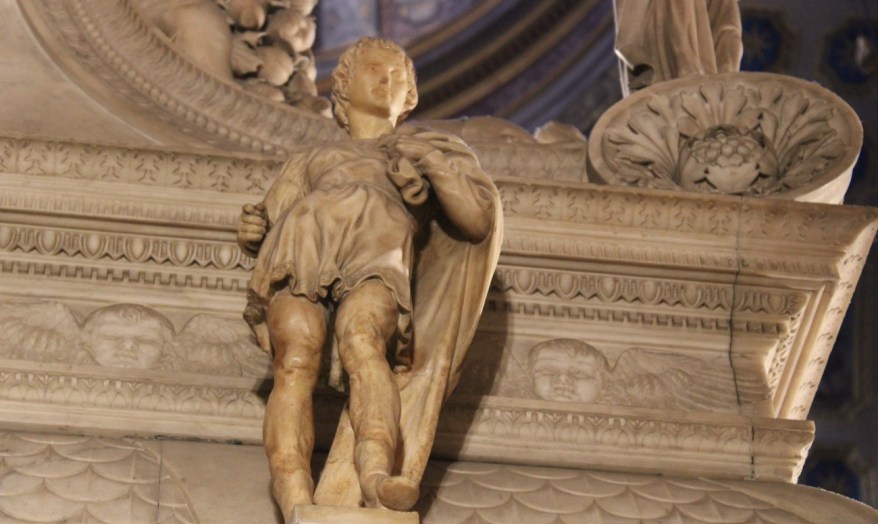
Il mio primo soggiorno a Bologna e l’incontro con Giovan Francesco Aldrovandi
🇮🇹Fuggii da Firenze a soli 19 anni. Senza certezze, senza protezioni. Solo con il mio talento. A Bologna trovai rifugio nella casa di Giovan Francesco Aldrovandi… 🇬🇧I fled Florence at just 19. Without certainties, without protection. Only with my talent. In Bologna, I found refuge in the home of Giovan Francesco Aldrovandi…
-
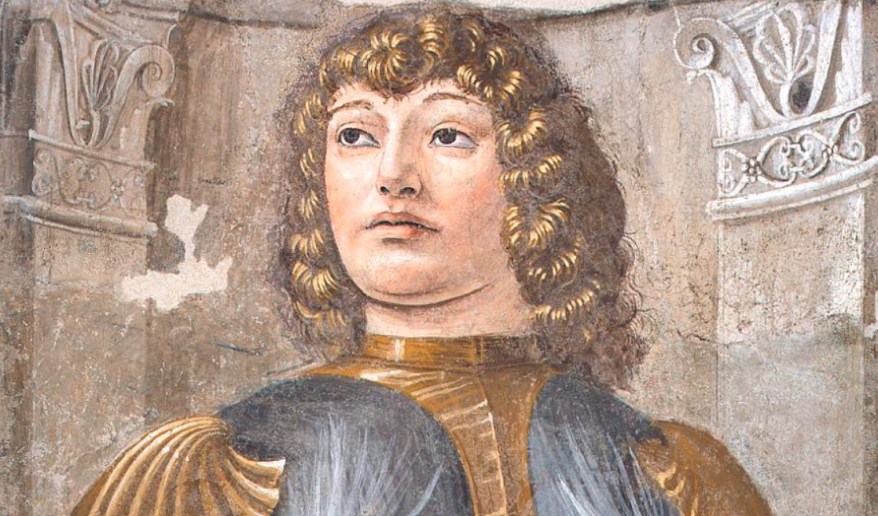
11 aprile 1514: muore Donato Bramante, il genio della scala elicoidale
🇮🇹Era l’11 aprile 1514 quando Donato Bramante morì a Roma. La sua scomparsa non cancellò però le tensioni, le rivalità e i giudizi contrastanti che avevano accompagnato tutta la sua carriera… 🇬🇧It was April 11, 1514, when Donato Bramante died in Rome. His passing, however, did not erase the tensions, rivalries, and conflicting opinions that…
Condividi:


Questo sono io





sostienici

Sostienici – Support Us
Se questo blog ti piace e ti appassiona, puoi aiutarci a farlo crescere sempre più sostenendoci in modo concreto condividendo i post, seguendo le pagine social e con un contributo che ci aiuta ad andare avanti con il nostro lavoro di divulgazione. . ENGLISH: If you like and are passionate about this blog, you can help us make it grow more and more by supporting us in a concrete way by sharing posts, following social pages and with a contribution that helps us to move forward with our dissemination work.
€10,00


