

5 gennaio 1589: muore Caterina de’ Medici
Il 5 gennaio del 1589, Caterina de’ Medici passò a miglior vita dopo aver regnato sul trono di Francia ed essere stata moglie e madre di re.
Era nata nel palazzo di Via Larga a Firenze il 13 aprile del 1519 da Lorenzo de’ Medici duca di Urbino, oggi sepolto nella Sagrestia Nuova nel sarcofago che feci per lui e da Madeleine de la Tour d’Auvergne.
Morti entrambi i genitori poche settimane dopo la sua nascita, Caterina rimase rimase erede unica del ramo cadetto dei Medici, essendo il fratello Alessandro e il cugino Ippolito, futuro cardinale, figli illegittimi.
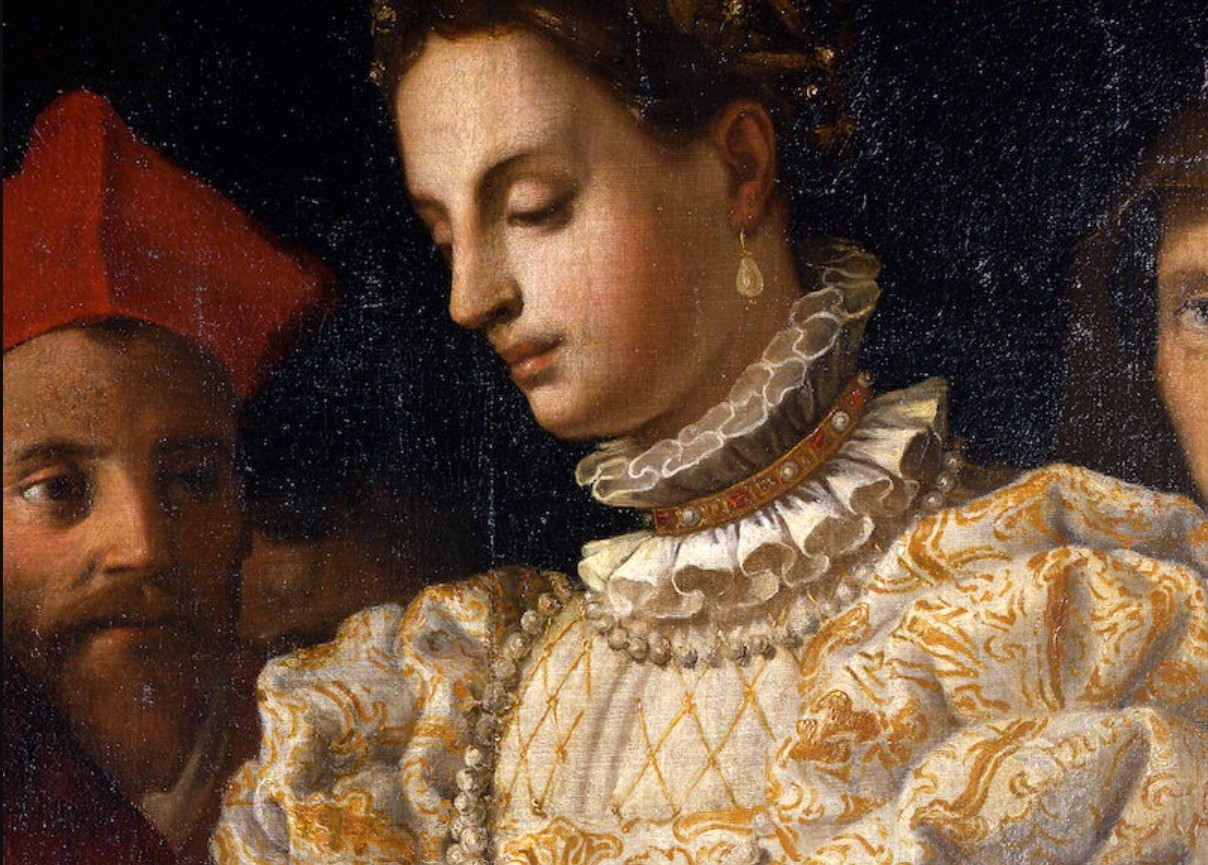
Fu affidata alle cure della nonna Alfonsina Orsini e, per desiderio del prozio Leone X, fu condotta a Roma prima che avesse compiuto l’anno di età. Alla morte del papa avvenuta nel 1521, il cardinale Giulio de’ Medici che poi sarebbe stato eletto pontefice nel 1523 col nome di Clemente VII, si fece carico della tutela.
Fu lui che si occupò di combinare il suo matrimonio e nel 1533 la fece convolare a nozze con il duca di Orleans, futuro re di Francia Enrico II.
Messa da parte del marito per la favorita Diana de Poitiers, quando morì il consorte e poi i primogenito Francesco II nel 1560, governò come tutrice del troppo giovane secondogenito re Carlo IX.
Mostrò di essere un’abile stratega essendo più sensibile al fattore politico che al fattore religioso. Nel 1561 e poi nel 1563 tentò una conciliazione con i calvinisti per avvicinarsi all’Inghilterra e ai principi protestanti dei tedeschi per contrastare il predominio spagnolo.
La sua influenza sul regno di Francia precipitò quando, a partire dal 1580, suo figlio Enrico III prese le redini del potere.
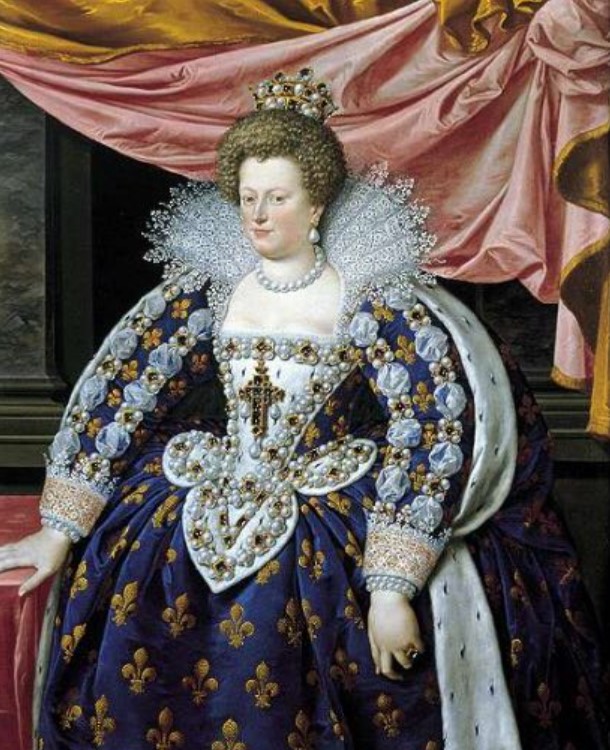
L’influenza di Caterina de’ Medici in terra francese fu notevole non solo per questioni politiche. Portò a corte i pasticceri e i cuochi che avevano lavorato per lei a Firenze modificando così la cucina d’oltralpe. Introdusse l’arte profumiera fiorentina e l’utilizzo a corte delle mutande, fino ad allora sconosciute in Francia.
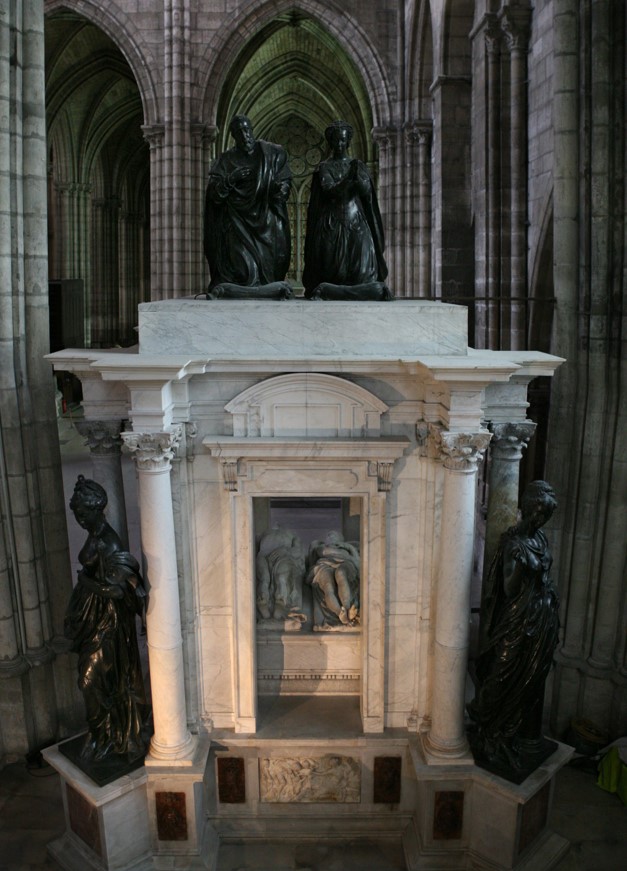
Caterina de’ Medici morì nel Castello di Blois il 5 gennaio del 1589 e fu sepolta, rispettando le sue volontà, nella basilica di Saint-Denis al fianco del marito Enrico II, all’interno della tomba nella rotonda dei Valois realizzata da Germain Polon.
Per il momento il vostro Michelangelo Buonarroti vi saluta dandovi appuntamento ai prossimi post e sui social.
5 January 1589: Caterina de’ Medici dies
On January 5, 1589, Catherine de’ Medici passed away after having reigned on the throne of France and been the wife and mother of kings.
She was born in the palace on Via Larga in Florence on 13 April 1519 to Lorenzo de’ Medici, Duke of Urbino, today buried in the New Sacristy in the sarcophagus I made for him, and to Madeleine de la Tour d’Auvergne. Both parents died a few weeks after her birth, Caterina remained the sole heir of the cadet branch of the Medici, her brother Alessandro and her cousin Ippolito, her future cardinal, being her illegitimate children.
She was entrusted to the care of her grandmother Alfonsina Orsini and, at the wish of her great-uncle Leo Upon the pope’s death in 1521, Cardinal Giulio de’ Medici who would later be elected pontiff in 1523 with the name of Clement VII, took charge of the protection.
It was he who took care of arranging her marriage and in 1533 arranged for her to marry the Duke of Orleans, future King Henry II of France.
Set aside by her husband for his favorite Diana de Poitiers, when her husband and then her eldest son Francis II died in 1560, she ruled as guardian of her too young second son King Charles IX.
She showed herself to be a skilled strategist as she was more sensitive to the political factor than to the religious factor. In 1561 and then in 1563 she attempted a conciliation with the Calvinists to get closer to England and the Protestant principles of the Germans to counter Spanish dominance.
Her influence on the kingdom of France plummeted when, starting in 1580, her son Henry III took the reins of power.
Catherine de’ Medici’s influence on French soil was notable not only for political reasons. He brought to court the pastry chefs and cooks who had worked for her in Florence, thus modifying the cuisine beyond the Alps. She introduced the Florentine art of perfumery and introduced the use of underpants at court, until then unknown in France.
Catherine de’ Medici died in the Castle of Blois on 5 January 1589 and was buried, respecting her wishes, in the basilica of Saint-Denis alongside her husband Henry II, inside the tomb in the Valois rotunda created by Germain Polon .
For the moment, your Michelangelo Buonarroti greets you and will meet you in future posts and on social media.

Sostienici – Support Us
Se questo blog ti piace e ti appassiona, puoi aiutarci a farlo crescere sempre più sostenendoci in modo concreto condividendo i post, seguendo le pagine social e con un contributo che ci aiuta ad andare avanti con il nostro lavoro di divulgazione. . ENGLISH: If you like and are passionate about this blog, you can help us make it grow more and more by supporting us in a concrete way by sharing posts, following social pages and with a contribution that helps us to move forward with our dissemination work.
8,00 €
-
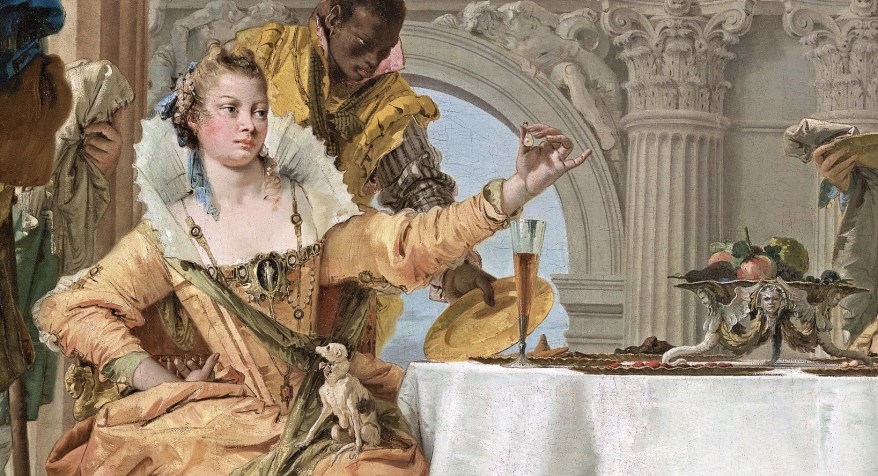
Quando Cleopatra umiliò Roma: il significato nascosto del celebre dipinto di Tiepolo
🇮🇹 Il dipinto che vi propongo è pura teatralità, lusso e strategia. Cleopatra scommette con Marco Antonio di poter offrire il banchetto più sontuoso della storia e per vincere compie un gesto folle… 🇬🇧 The painting I propose is pure theatricality, luxury, and strategy. Cleopatra bets Mark Antony that she can offer the most sumptuous…
-
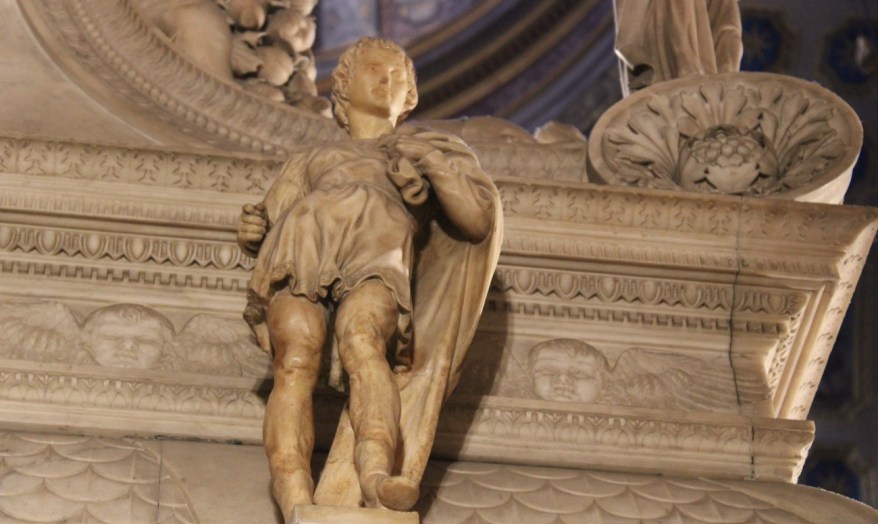
Il mio primo soggiorno a Bologna e l’incontro con Giovan Francesco Aldrovandi
🇮🇹Fuggii da Firenze a soli 19 anni. Senza certezze, senza protezioni. Solo con il mio talento. A Bologna trovai rifugio nella casa di Giovan Francesco Aldrovandi… 🇬🇧I fled Florence at just 19. Without certainties, without protection. Only with my talent. In Bologna, I found refuge in the home of Giovan Francesco Aldrovandi…
-
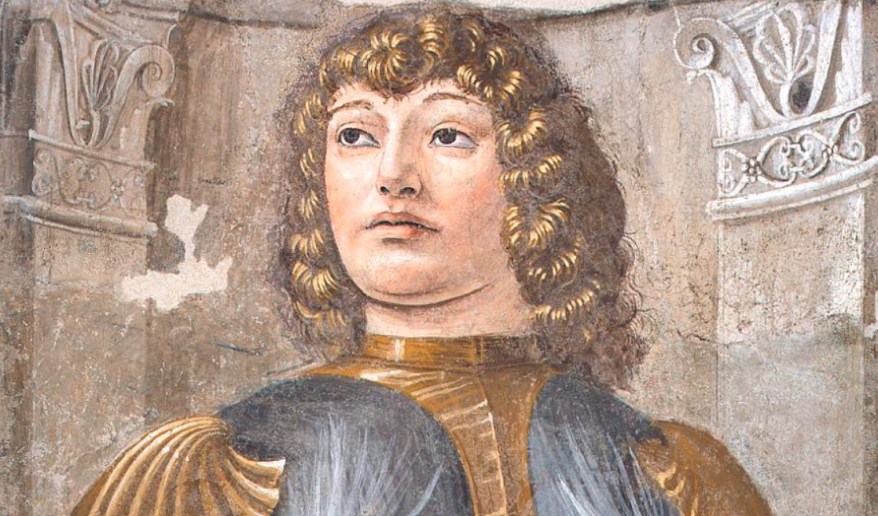
11 aprile 1514: muore Donato Bramante, il genio della scala elicoidale
🇮🇹Era l’11 aprile 1514 quando Donato Bramante morì a Roma. La sua scomparsa non cancellò però le tensioni, le rivalità e i giudizi contrastanti che avevano accompagnato tutta la sua carriera… 🇬🇧It was April 11, 1514, when Donato Bramante died in Rome. His passing, however, did not erase the tensions, rivalries, and conflicting opinions that…
Condividi:


Questo sono io





sostienici

Sostienici – Support Us
Se questo blog ti piace e ti appassiona, puoi aiutarci a farlo crescere sempre più sostenendoci in modo concreto condividendo i post, seguendo le pagine social e con un contributo che ci aiuta ad andare avanti con il nostro lavoro di divulgazione. . ENGLISH: If you like and are passionate about this blog, you can help us make it grow more and more by supporting us in a concrete way by sharing posts, following social pages and with a contribution that helps us to move forward with our dissemination work.
€10,00


