
Studio per le fortificazioni di una porta di Firenze
Questo che vi propongo è un attento studio planimetrico che realizzai fra il 1526 e il 1527 per la fortificazione
di una porta della città di Firenze, presumibilmente Porta a Prato.
Lo tracciai su carta a penna e inchiostro e, per rendere l’idea dei diversi livelli del terreno così come delle sezioni murarie, adoperai ampie lavature di inchiostro stese a pennello.
Questo foglio presenta caratteristiche identiche a un gruppo di fogli presenti a casa Buonarroti riconducibili alle fortificazioni fiorentine.

Nello specifico, in questo foglio si nota la presenza di una struttura a bastione a doppio saliente con tanto di passaggio al centro, protetto da una corona centrale a denti di sega, dotata di bocche di fuoco allineate alla divaricazione delle punte.
Le cannoniere aperte ai fianchi sulla cortina urbana sono elementi d’attacco fondamentali per difendere la città. Il doppio livello della struttura muraria, con le bocche d fuoco ubicate all’altezza dei fossati non solo è visibile nel disegno ma viene ribadito dalla scritta che apposi “volta tanto di sotto quanto di sopra”.
Inoltre, a lato, disegnai l’archibugiera abbinandola alla dicitura “fosso”.
Come potete ben vedere, sul medesimo foglio sono riportate altre diciture relative al sito come “ponte”, “fosso” e “terra”.
Gli esperti a lungo hanno dibattuto su quale porta avessi pensato di fortificare in questo modo. Se Charles de Tolnay propendeva per Porta a San Miniato o comunque una porta meridionale di Firenze, altri studiosi in accordo con Ackerman hanno ipotizzato potesse essere Porta a Prato.
Per il momento il vostro Michelangelo Buonarroti vi saluta dandovi appuntamento ai prossimi post e sui social.
Study for the fortifications of a gate in Florence
What I propose to you is a careful planimetric study that I carried out between 1526 and 1527 for the fortification
of a gate in the city of Florence, presumably Porta a Prato.
I traced it on paper in pen and ink and, to convey the idea of the different levels of the ground as well as the wall sections, I used large washes of ink applied with a brush.
This sheet has identical characteristics to a group of sheets present in the Buonarroti house attributable to the Florentine fortifications.
Specifically, in this sheet we note the presence of a double salient bastion structure complete with a passage in the center, protected by a central crown with saw teeth, equipped with fire outlets aligned with the splay of the tips.
The gunboats open at the sides on the urban curtain are fundamental attack elements to defend the city. The double level of the wall structure, with the fire outlets located at the height of the moats, is not only visible in the drawing but is reiterated by the writing that affixes “both below and above”.
Furthermore, on the side, I drew the harquebusier combining it with the wording “ditch”.
As you can clearly see, on the same sheet there are other words relating to the site such as “bridge”, “ditch” and “land”.
Experts have long debated which gate I was thinking of fortifying in this way. If Charles de Tolnay favored Porta a San Miniato or in any case a southern gate of Florence, other scholars in agreement with Ackerman have hypothesized it could be Porta a Prato.
For the moment, your Michelangelo Buonarroti greets you and will meet you in future posts and on social media.

Sostienici – Support Us
Se questo blog ti piace e ti appassiona, puoi aiutarci a farlo crescere sempre più sostenendoci in modo concreto condividendo i post, seguendo le pagine social e con un contributo che ci aiuta ad andare avanti con il nostro lavoro di divulgazione. . ENGLISH: If you like and are passionate about this blog, you can help us make it grow more and more by supporting us in a concrete way by sharing posts, following social pages and with a contribution that helps us to move forward with our dissemination work.
8,00 €
-
Festival La Versiliana 2026: tra musica, teatro e grandi narrazioni
Dal 17 luglio al 23 agosto 2026, la pineta di Marina di Pietrasanta ospiterà la 47ª edizione del Festival La Versiliana. Una kermesse aperta a tutti nella quale linguaggi diversi dialogano tra loro in un equilibrio tra tradizione e contemporaneità.
-
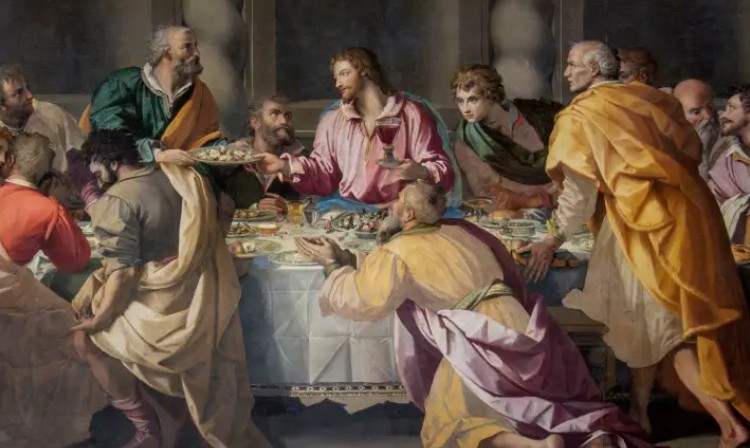
Giovedì Santo: l’Ultima Cena di Allori che pochi conoscono a Firenze
🇮🇹Nel cuore di Museo di Santa Maria Novella, a Firenze, si conserva una delle interpretazioni più affascinanti e meno note dell’Ultima Cena: quella realizzata da Alessandro Allori nel 1584… 🇬🇧In the heart of the Santa Maria Novella Museum in Florence, one of the most fascinating and least-known interpretations of the Last Supper is preserved: the…
-
Cenacolo di Leonardo: i dettagli che raccontano il tradimento
🇮🇹Nel Cenacolo di Leonardo da Vinci, custodito a Santa Maria delle Grazie, Cristo annuncia il tradimento e il tempo si ferma… 🇬🇧In Leonardo da Vinci’s Last Supper, housed in Santa Maria delle Grazie, Christ announces the betrayal and time stands still…
Condividi:


Questo sono io





sostienici

Sostienici – Support Us
Se questo blog ti piace e ti appassiona, puoi aiutarci a farlo crescere sempre più sostenendoci in modo concreto condividendo i post, seguendo le pagine social e con un contributo che ci aiuta ad andare avanti con il nostro lavoro di divulgazione. . ENGLISH: If you like and are passionate about this blog, you can help us make it grow more and more by supporting us in a concrete way by sharing posts, following social pages and with a contribution that helps us to move forward with our dissemination work.
€10,00


