
Io, il Cellini e la moda dei medaglioni appesi al berretto
Era il periodo in cui Firenze era governata da Niccolò Capponi. I Medici cacciati dopo il Sacco, non avevano più le redini della città, sostituiti dall’esperienza repubblicana.
In quel momento Benvenuto Cellini s’era messo a lavorare per conto suo al Mercato Nuovo e aveva una una clientela assai numerosa che in fila, attendeva il proprio turno per potergli richiedere opere di modeste dimensioni ma che a lui permettevano di campar bene.

Fra i clienti ebbe un tal Girolamo Marretti che volle fargli realizzare una medaglia da attaccarsi al berretto che raffigurasse lo scontro fra Ercole e il leone Nemea.
Ero a Firenze anch’io e di tanto in tanto andavo a trovare il Cellini per vedere cosa combinava nel laboratorio. Ebbi modo di apprezzare quel medaglione che mi parve davvero ben fatto, cesellato con maestria e con un’esecuzione a dir poco sbalorditiva.

Il Cellini aveva un talento fuori dal comune. Era capace di creare lavori mai immaginati prima che non potevano lasciare indifferente chi li osservava.
Tanto talentuoso quanto irascibile, quello va detto.
Di quelle mie lodi se ne fece un gran vanto e, dopo aver consegnato la medaglia ultimata al Marretti, a Firenze esplose letteralmente la moda di appendere al cappello ornamenti simili raffiguranti soggetti diversi.
Era frequente veder passeggiare per le strare qualche d’uno con un bel medaglione appeso al berretto ma senza dubbio i più belli era quelli fatti dal Cellini: imparagonabili con tutti gli altri.

Per il momento il vostro Michelangelo Buonarroti vi saluta dandovi appuntamento ai prossimi post e sui social.
Me, Cellini and the fashion for medallions hanging from the cap
It was the period in which Florence was governed by Niccolò Capponi. The Medici, driven out after the Sack, no longer had the reins of the city, replaced by the republican experience.
At that moment Benvenuto Cellini had started working on his behalf at the Mercato Nuovo and had a very large clientele waiting in line to be able to request works of modest dimensions but which allowed him to make a good living.
Among his clients he had a certain Girolamo Marretti who wanted him to make a medal to attach to his cap depicting the battle between Hercules and the Nemean lion.
I was in Florence too and from time to time I went to visit Cellini to see what he was up to in the laboratory. I had the opportunity to appreciate that medallion which seemed to me to be really well made, chiseled with mastery and with a workmanship that was nothing short of astonishing.
Cellini had an uncommon talent: he was capable of creating works never imagined before that could not leave those who observed them indifferent.
As talented as he is irascible, that must be said.
He was very proud of those of mine and, after having delivered the finished medal to Marretti, the fashion of hanging similar ornaments depicting different subjects on the hat literally exploded in Florence.
It was common to see someone walking along the dual streets with a beautiful medallion hanging from his cap but without a doubt the most beautiful were those made by Cellini: incomparable with all the others.
For the moment, your Michelangelo Buonarroti greets you and will meet you in future posts and on social media.

Sostienici – Support Us
Se questo blog ti piace e ti appassiona, puoi aiutarci a farlo crescere sempre più sostenendoci in modo concreto condividendo i post, seguendo le pagine social e con un contributo che ci aiuta ad andare avanti con il nostro lavoro di divulgazione. . ENGLISH: If you like and are passionate about this blog, you can help us make it grow more and more by supporting us in a concrete way by sharing posts, following social pages and with a contribution that helps us to move forward with our dissemination work.
8,00 €
-
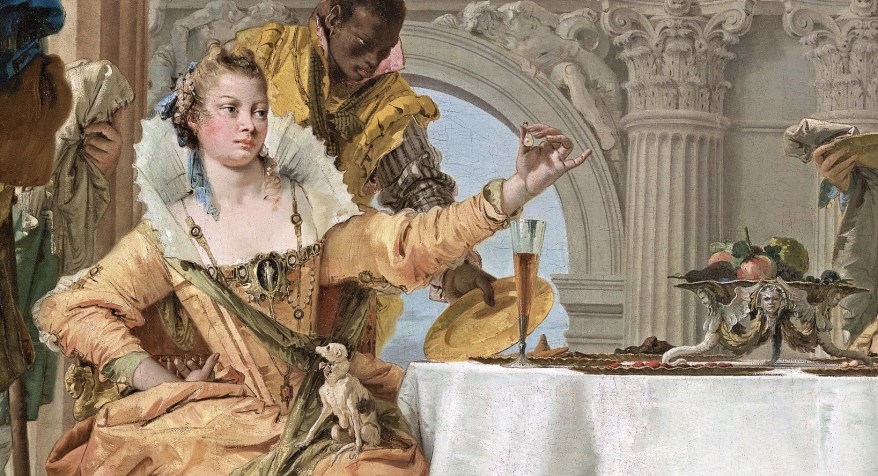
Quando Cleopatra umiliò Roma: il significato nascosto del celebre dipinto di Tiepolo
🇮🇹 Il dipinto che vi propongo è pura teatralità, lusso e strategia. Cleopatra scommette con Marco Antonio di poter offrire il banchetto più sontuoso della storia e per vincere compie un gesto folle… 🇬🇧 The painting I propose is pure theatricality, luxury, and strategy. Cleopatra bets Mark Antony that she can offer the most sumptuous…
-
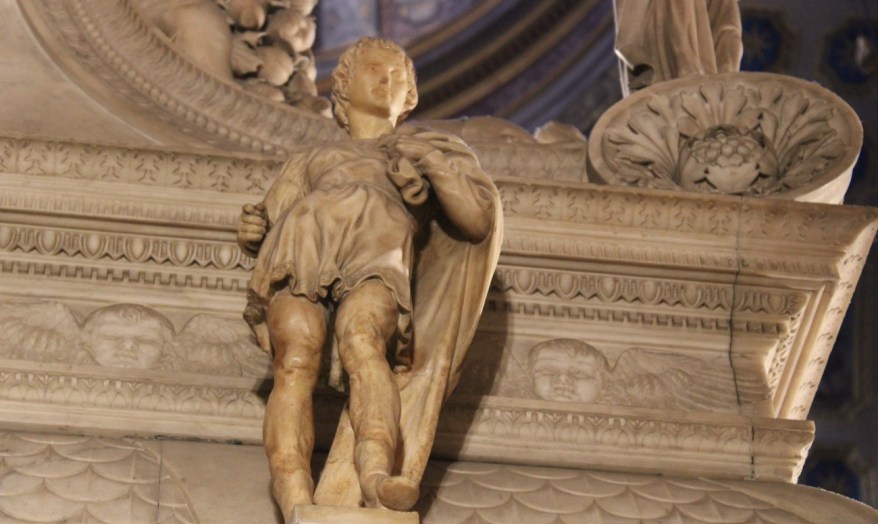
Il mio primo soggiorno a Bologna e l’incontro con Giovan Francesco Aldrovandi
🇮🇹Fuggii da Firenze a soli 19 anni. Senza certezze, senza protezioni. Solo con il mio talento. A Bologna trovai rifugio nella casa di Giovan Francesco Aldrovandi… 🇬🇧I fled Florence at just 19. Without certainties, without protection. Only with my talent. In Bologna, I found refuge in the home of Giovan Francesco Aldrovandi…
-
11 aprile 1514: muore Donato Bramante, il genio della scala elicoidale
🇮🇹Era l’11 aprile 1514 quando Donato Bramante morì a Roma. La sua scomparsa non cancellò però le tensioni, le rivalità e i giudizi contrastanti che avevano accompagnato tutta la sua carriera… 🇬🇧It was April 11, 1514, when Donato Bramante died in Rome. His passing, however, did not erase the tensions, rivalries, and conflicting opinions that…
Condividi:


Questo sono io





sostienici

Sostienici – Support Us
Se questo blog ti piace e ti appassiona, puoi aiutarci a farlo crescere sempre più sostenendoci in modo concreto condividendo i post, seguendo le pagine social e con un contributo che ci aiuta ad andare avanti con il nostro lavoro di divulgazione. . ENGLISH: If you like and are passionate about this blog, you can help us make it grow more and more by supporting us in a concrete way by sharing posts, following social pages and with a contribution that helps us to move forward with our dissemination work.
€10,00


