

Acconciature, donne e potere nel Rinascimento in mostra alle Gallerie d’Italia
Alle Gallerie d’Italia di Vicenza apre da oggi 14 dicembre 2023 al pubblico la mostra dal titolo “Le trecce di Faustina. Acconciature, donne e potere nel Rinascimento” che per la prima volta affronta con un taglio monografico un tema fondamentale per il mondo dell’arte, della cultura e della società rinascimentale: le acconciature femminili.
Le acconciature nel periodo del Rinascimento non erano solo un vezzo estetico irrinunciabile per le dame più facoltose e nemmeno solo intricate pettinature elaborate dalla fantasia degli artisti per arricchire i loro dipinti bensì avevano un ruolo fondamentale nella cultura dell’epoca.

Io, Bronzino, Tiziano, Bellini e tanti altri artisti presenti in mostra, ben sapevamo che le capigliature femminili acconciate erano simbolo di ricchezza e potere e che al contempo avevano importanti simbologie morali, sociali e finanche religiose.
Mediante una selezione di opere che vanno dai busti imperiali a quelli rinascimentali, dai dipinti alle sculture, dalle monete antiche fino alle medaglie moderne, disegni e volumi a stampa,il percorso espositivo mira a ricostruire le complesse vicende delle acconciature quattrocentesche e cinquecentesche, facendo il focus sulla loro importanza.

Il titolo della mostra “Le trecce di Faustina. Acconciature, donne e potere nel Rinascimento” fa diretto riferimento a una delle acconciature più celebri del mondo dell’arte: quella dell’imperatrice Faustina Maggiore, consorte di Antonino Pio, divenuta simbolo di concordia e amore coniugale.
Il suo busto divenne un modello artistico assai celebrato da numerose copie e rielaborazioni nel Rinascimento da artisti celebri come per esempio Lorenzo Ghiberti e Andrea Mantegna. La sua acconciatura fu ripresa da molte donne, soprattutto nel Veneto.
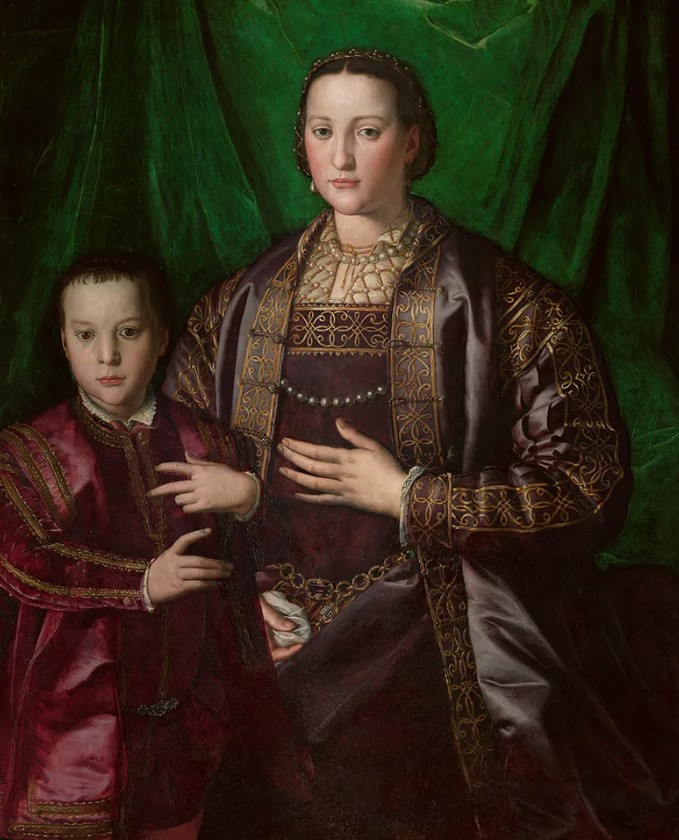
Lo spazio espositivo propone una selezione di ritratti delle protagoniste del Rinascimento, fra i quali Lucrezia Borgia, Isabella d’Este ed Eleonora da Toledo per approfondire il significato e l’espressività delle acconciature nella ritrattistica ufficiale.
La mostra si snoda in sei sezioni. Mentre nella prima vengono proposte acconciature imperiali antiche che rivelano il ruolo che ebbero nella ripresa di quei modelli nel Rinascimento, nella seconda sezione viene proposta la tensione rinascimentale tra i moniti rivolti alle donne per tenere i capelli ben legati e in ordine e il desiderio di scioglierli, recuperandone la dimensione ribelle ed erotica.
La terza sezione del percorso espositivo è incentrata sul confronto fra le acconciature maschili e quelle femminili. Anche quelle degli uomini, sebbene meno elaborate, furono riprese direttamente dall’antichità.
Nella quarta sezione invece offre l’occasione di ammirare da vicino il modo di reinterpretare le pettinature da parte di grandi artisti come me e Raffaello.
La quinta sezione è quella dedicata alle pettinature viste come un codice di costume da decifrare mentre la sesta e ultima sezione documenta come l’acconciatura di Faustina abbia esercitato grande fascino anche in ambito neoclassico, soprattutto nella ritrattistica di Antonio Canova.
Per il momento il vostro Michelangelo Buonarroti vi saluta dandovi appuntamento ai prossimi post e sui social.
DOVE
Gallerie d’Italia- Vicenza
QUANDO
Dal 14 dicembre 2023 al 7 aprile 2024
Da martedì a domenica dalle 10.00 alle 18.00
Lunedì chiuso
Ultimo ingresso 30 minuti prima della chiusura
BIGLIETTI
Intero: 5,00 €, ridotto: 3,00 €, ingresso gratuito per convenzionati, scuole, minori di 18 anni, clienti del Gruppo Intesa Sanpaolo
Hairstyles, women and power in the Renaissance on display at the Gallerie d’Italia
At the Gallerie d’Italia in Vicenza, the exhibition entitled “Faustina’s braids” opens to the public from today 14 December 2023. Hairstyles, women and power in the Renaissance” which for the first time addresses with a monographic approach a fundamental theme for the world of art, culture and Renaissance society: women’s hairstyles.
Hairstyles in the Renaissance period were not just an indispensable aesthetic quirk for the wealthiest ladies and not even just intricate hairstyles elaborated by the imagination of artists to enrich their paintings but rather had a fundamental role in the culture of the time.
I, Bronzino, Titian, Bellini and many other artists present in the exhibition knew well that styled female hair was a symbol of wealth and power and that at the same time it had important moral, social and even religious symbols.
Through a selection of works ranging from imperial busts to Renaissance ones, from paintings to sculptures, from ancient coins to modern medals, drawings and printed volumes, the exhibition aims to reconstruct the complex events of fifteenth and sixteenth century hairstyles, making focus on their importance.
The title of the exhibition “Faustina’s braids. Hairstyles, women and power in the Renaissance” makes direct reference to one of the most famous hairstyles in the art world: that of Empress Faustina Maggiore, wife of Antoninus Pius, which became a symbol of concord and marital love.
Her bust became a highly celebrated artistic model with numerous copies and reworkings in the Renaissance by famous artists such as Lorenzo Ghiberti and Andrea Mantegna. Her hairstyle was taken up by many women, especially in the Veneto.
The exhibition space offers a selection of portraits of the protagonists of the Renaissance, including Lucrezia Borgia, Isabella d’Este and Eleonora da Toledo to delve deeper into the meaning and expressiveness of hairstyles in official portraiture.
The exhibition unfolds in six sections. While the first proposes ancient imperial hairstyles that reveal the role they had in the revival of those models in the Renaissance, the second section proposes the Renaissance tension between the admonitions addressed to women to keep their hair well tied and tidy and the desire to loosen it , recovering its rebellious and erotic dimension.
The third section of the exhibition focuses on the comparison between male and female hairstyles. Even those of men, although less elaborate, were taken directly from antiquity.
In the fourth section, however, it offers the opportunity to admire up close the way great artists like me and Rafaello reinterpret hairstyles.
The fifth section is dedicated to hairstyles seen as a code of custom to be deciphered while the sixth and final section documents how Faustina’s hairstyle also exerted great fascination in the neoclassical context, especially in the portraiture of Antonio Canova.
For the moment, your Michelangelo Buonarroti greets you and will meet you in future posts and on social media.
WHERE
Galleries of Italy – Vicenza
WHEN
From 14 December 2023 to 7 April 2024
From Tuesday to Sunday from 10.00 to 18.00
Monday closed
Last entry 30 minutes before closing
TICKETS
Full price: €5.00, reduced: €3.00, free entry for affiliates, schools, under 18s, Intesa Sanpaolo Group customers

Sostienici – Support Us
Se questo blog ti piace e ti appassiona, puoi aiutarci a farlo crescere sempre più sostenendoci in modo concreto condividendo i post, seguendo le pagine social e con un contributo che ci aiuta ad andare avanti con il nostro lavoro di divulgazione. . ENGLISH: If you like and are passionate about this blog, you can help us make it grow more and more by supporting us in a concrete way by sharing posts, following social pages and with a contribution that helps us to move forward with our dissemination work.
8,00 €
-
Venerdì Santo: gli “Ecce Homo” più intensi della storia dell’arte
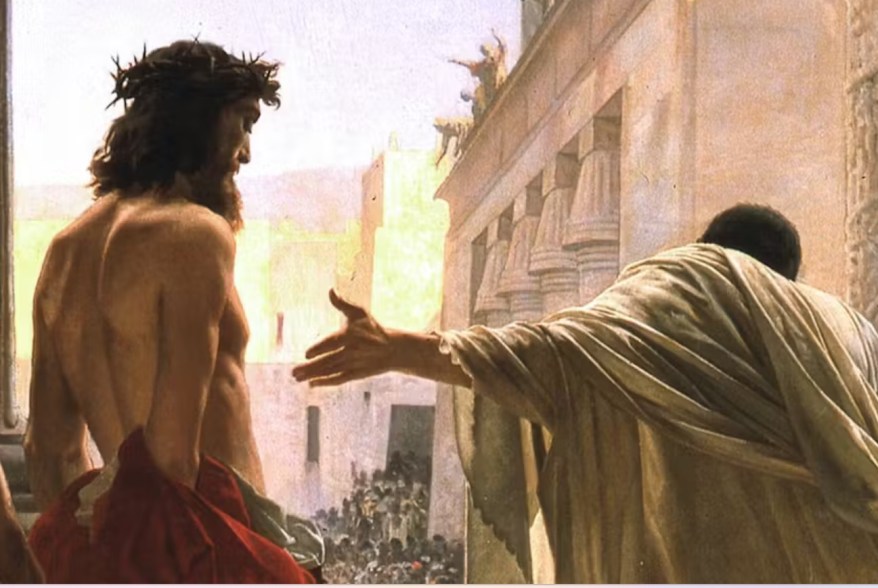
🇮🇹Ecce Homo. Da Antonello da Messina a Tintoretto, fino al sorprendente capolavoro di Antonio Ciseri, questo soggetto ha attraversato i secoli raccontando dolore, umanità e coscienza… 🇬🇧Ecce Homo. From Antonello da Messina to Tintoretto, to Antonio Ciseri’s astonishing masterpiece, this subject has spanned the centuries, recounting pain, humanity, and conscience…
-
Attacco hacker agli Uffizi: rubati dati sensibili, mappe e codici di sicurezza
🇮🇹Attacco hacker alle Gallerie degli Uffizi: rubati dati sensibili, mappe e sistemi di sicurezza. A rischio opere, archivi e cybersicurezza del patrimonio artistico… 🇬🇧Hacker attack on the Uffizi Galleries: sensitive data, maps, and security systems stolen. Works of art, archives, and the cybersecurity of the artistic heritage are at risk…
-
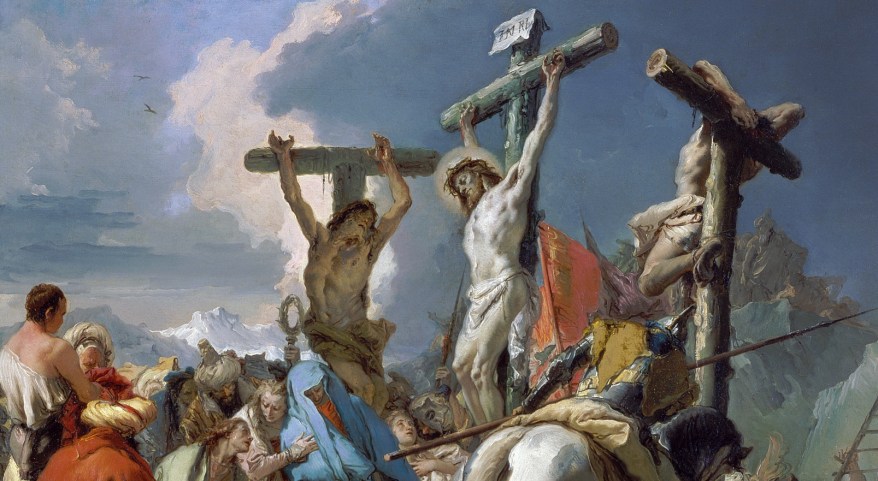
Venerdì Santo: la Crocifissione secondo Tiepolo
🇮🇹Nel giorno del Venerdì Santo, c’è un’opera che riesce ancora a scuotere lo sguardo. La Crocifissione di Giambattista Tiepolo non è come le altre: niente simmetrie perfette, niente distanza. Qui si entra dentro la scena, da un punto di vista obliquo, tra movimento, tensione e umanità… 🇬🇧On Good Friday, there’s a work that still manages…
Condividi:


Questo sono io





sostienici

Sostienici – Support Us
Se questo blog ti piace e ti appassiona, puoi aiutarci a farlo crescere sempre più sostenendoci in modo concreto condividendo i post, seguendo le pagine social e con un contributo che ci aiuta ad andare avanti con il nostro lavoro di divulgazione. . ENGLISH: If you like and are passionate about this blog, you can help us make it grow more and more by supporting us in a concrete way by sharing posts, following social pages and with a contribution that helps us to move forward with our dissemination work.
€10,00


