
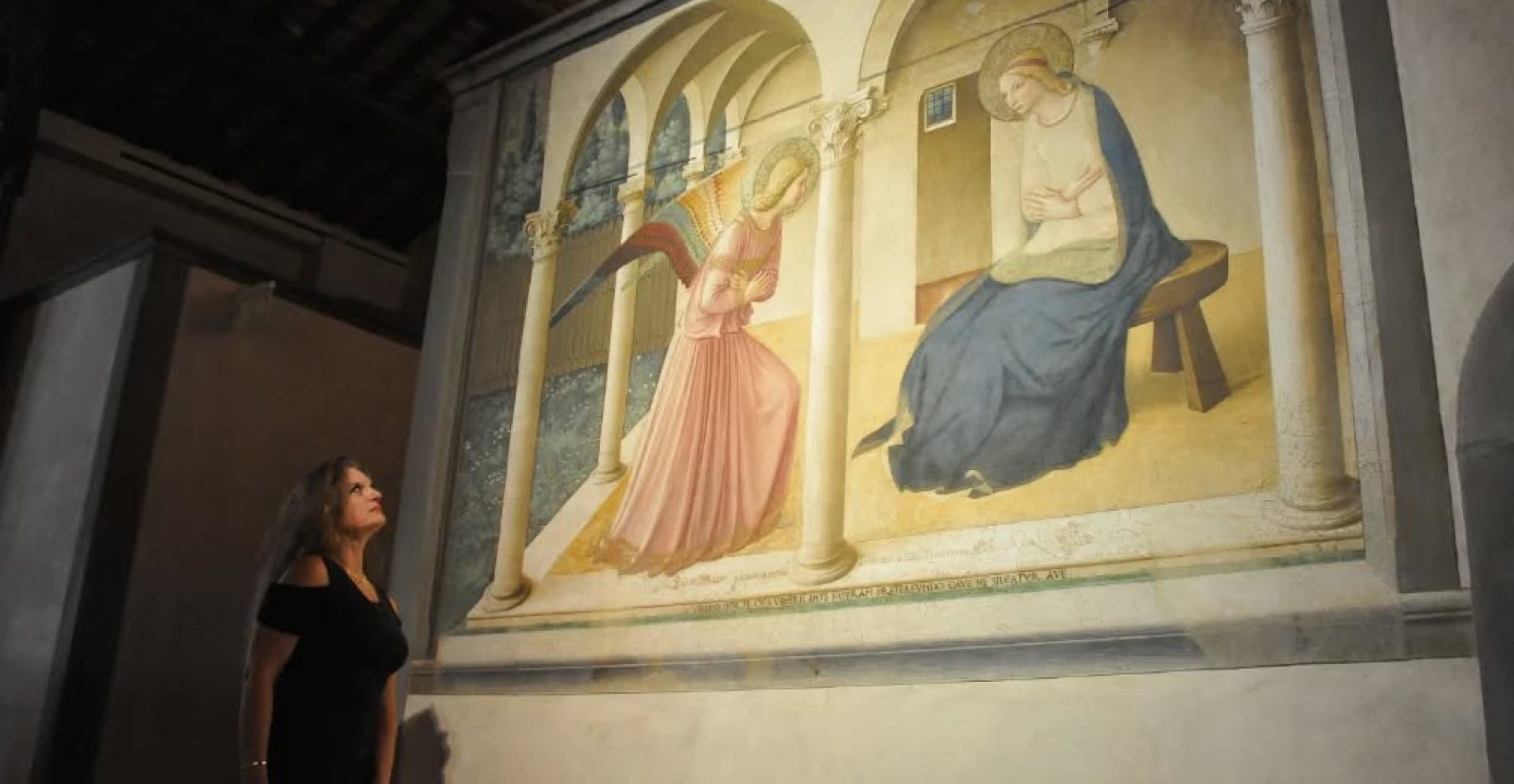
8 dicembre: l’Immacolata Concezione nell’arte
Oggi 8 dicembre si celebra la giornata dedicata all’Immacolata Concezione della Vergine Maria.
La data non fu scelta a caso. L’8 dicembre è il giorno in cui Maria fu concepita dalla madre Anna, poiché la nascita, secondo la tradizione cristiana, avvenne l’8 settembre, ovvero nove mesi dopo
Fu papa Pio IX che proclamò il dogma in tempi relativamente recenti con la bolla pontificia redatta l’8 dicembre del 1854: “La beatissima Vergine Maria nel primo istante della sua concezione, per una grazia ed un privilegio singolare di Dio onnipotente, in previsione dei meriti di Gesù Cristo Salvatore del genere umano, è stata preservata intatta da ogni macchia del peccato originale”.
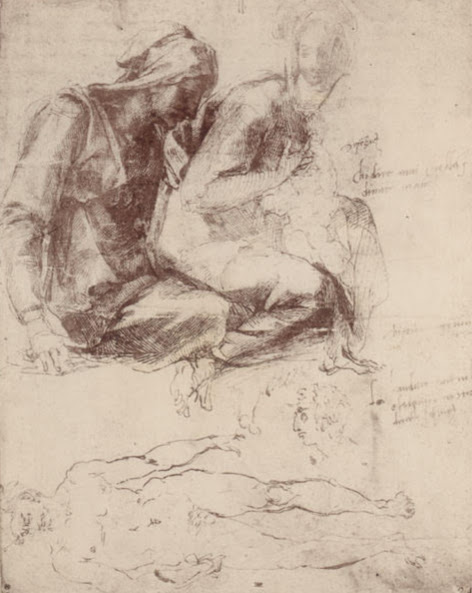
Per quel che mi riguarda non raffigurai Sant’Anna gravida ma preferii affiancare le due donne già adulte in qualche schizzo come quello che vedete nella foto sopra che si trova al Museo del Louvre.
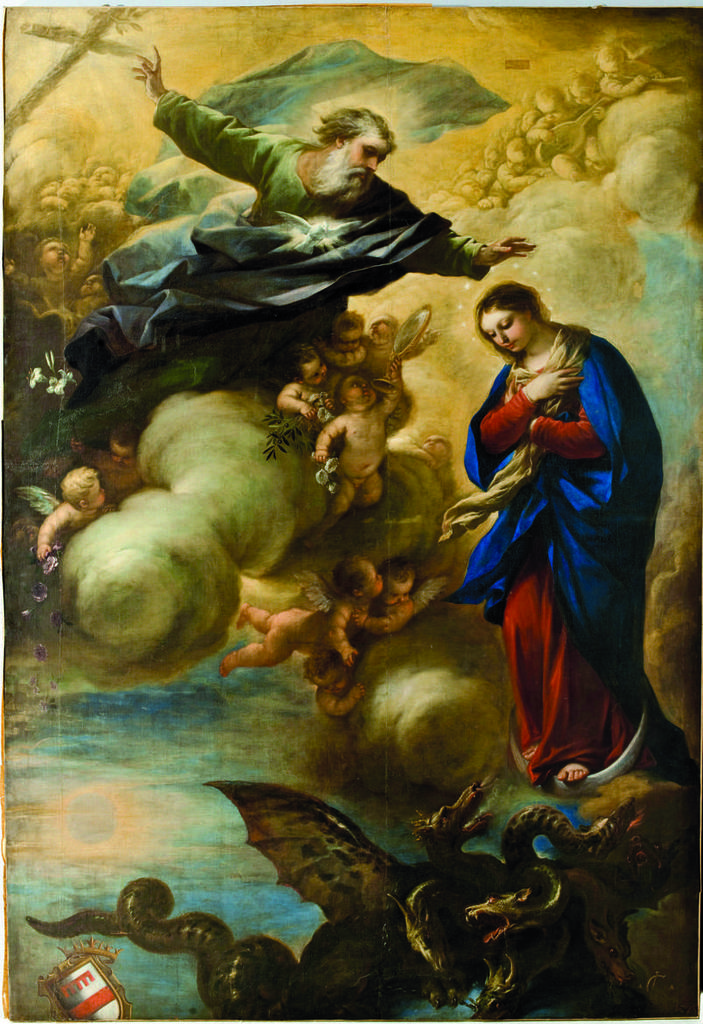
Immacolata Concezione di Luca Giordano
Ci sono però molto altri artisti che hanno voluto dedicare al tema meravigliosi dipinti come ad esempio Luca Giordano. Aveva 31 anni quando i Cappuccini di Cosenza gli commissionarono proprio un dipinto con l’Immacolata Concezione mettendogli in mano un anticipo di 50 ducati.
La Vergine a capo chino riceve Gesù nel grembo attraverso l’imposizione della mano sinistra del Padre Eterno mentre con la sinistra indica la Croce: il destino già segnato del Figlio.
Immacolata Concezione del Vasari
Fu Bindo Altoviti, console di Firenze a Roma, a commissionare nel nel 1540 al mio caro amico Giorgio Vasari una una tavola per la cappella di famiglia, dedicata proprio alla Concezione, per la chiesa dei SS. Apostoli a Firenze.
Il Vasari, titubante nell’affrontare un tema così delicato e non ancora affrontato a piene mani dalla Chiesa ma anche all’epoca ampiamente discusso, volle consultarsi con alcuni letterati del tempo che avevano una conoscenza molto profonda delle Sacre Scritture. Il Vasari stesso si cimentò con un intenso studio dei testi sacri temendo di cadere in errore.

Alla fine il Vasari fece ruotare la scena attorno all’Albero del Bene e del Male che viene avviluppato dalle spire di un serpe che rappresenta un demone con le ali da pipistrello e la testa cornuta. La Vergine in Gloria lo calpesta con un piede mentre i cherubini le volano tutt’attorno mostrando il cartiglio con la scritta “O gloriosa Domina”.
Già a partire dall’opera del Vasari, uno dei simboli iconografici della Immacolata Concezione è la luna è calante con la gobba rivolta verso il basso. Sapete perchè si scelse questo attributo? Ebbene, viene considerato come segno della purezza della Vergine che contrasta l’impero delle tenebre sconfiggendo le resistenze verso Dio.
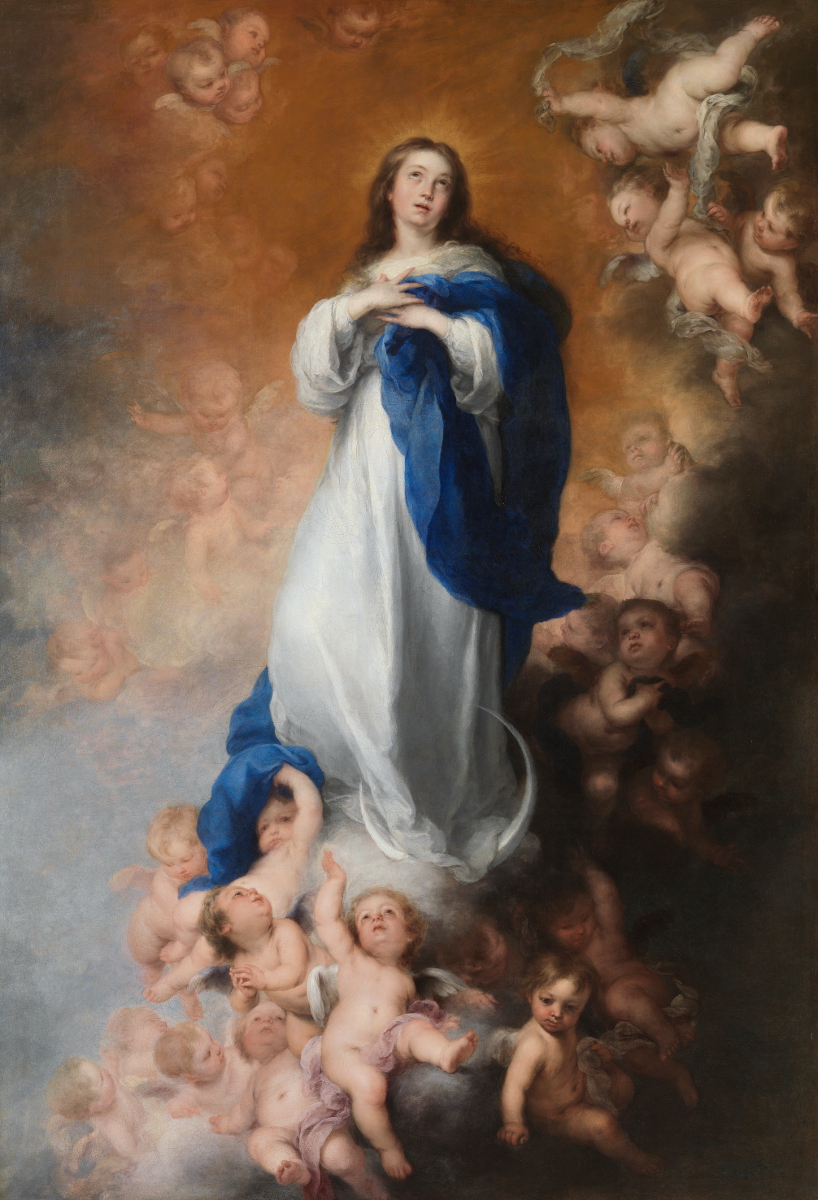
Immacolata Concezione di Bartolomé Esteban Murillo
Al Museo del Prado invece si può ammirare la delicata Immacolata Concezione di Bartolomé Esteban Murillo del 1678. E’ un olio su tela con la Vergine circondata da una spirale di putti tipicamente barocchi.
La Madonna poggia i piedi su una nuvola sospesa e sfoggia una veste bianca e un mantello di un bel blu intenso. Ha i capelli sciolti e l’aureola è formata da una luce che irradia dal suo capo.
Immacolata dipinta a olio su tela da Giambattista Tiepolo
Molto elegante e bella anche l’Immacolata dipinta a olio su tela da Giambattista Tiepolo fra il 1767 e il 1679. La Vergine è circondata da putti mentre calpesta un serpente: simbolo della vittoria sul diavolo. Come in altri dipinti legati a questo tema, si vedono rose e gigli, emblema della purezza, verginità e dell’amore della Madonna.
Questa opera fa parte delle sette pale d’altare che furono richieste al Tiepolo da Carlo III, re di Spagna, nel marzo del 1767, opere che sarebbero state poi collocate all’interno della chiesa di San Pasqual di Aranjuez. Oggi il dipinto fa parte delle collezioni del Museo del Prado.

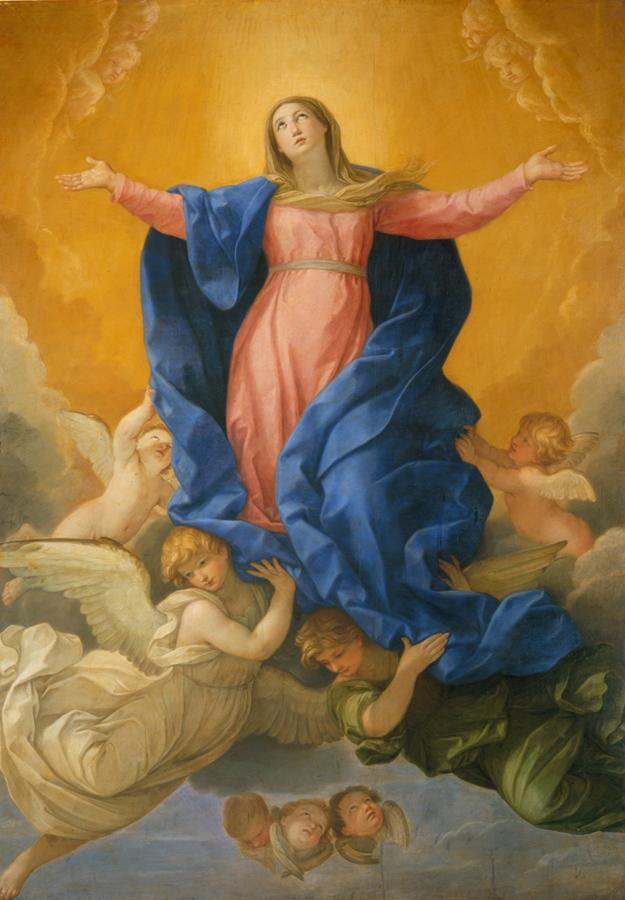
Immacolata Concezione di Guido Reni
Anche Guido Reni dipinse nel 1642 un’Immacolata Concezione che oggi si trova nella chiesa di San Biagio a Forlì.
Per il momento il vostro Michelangelo Buonarroti vi saluta dandovi appuntamento ai prossimi post e sui social.

December 8: the Immaculate Conception in art
Today, December 8th, we celebrate the day dedicated to the Immaculate Conception of the Virgin Mary.
The date was not chosen by chance. December 8th is the day on which Mary was conceived by her mother Anna, as her birth, according to Christian tradition, occurred on September 8th, or nine months later
It was Pope Pius IX who proclaimed the dogma in relatively recent times with the papal bull drawn up on 8 December 1854: “The most blessed Virgin Mary in the first instant of her conception, by a grace and a singular privilege of almighty God, in anticipation of the merits of Jesus Christ, Savior of the human race, has been preserved intact from every stain of original sin”.
As far as I’m concerned, I didn’t depict the pregnant Saint Anne but I preferred to place the two already adult women side by side in some sketch like the one you see in the photo above which is in the Louvre Museum.
Immaculate Conception by Luca Giordano
However, there are many other artists who wanted to dedicate wonderful paintings to the theme, such as Luca Giordano. He was 31 years old when the Capuchins of Cosenza commissioned him to paint the Immaculate Conception, giving him an advance of 50 ducats.
The Virgin with her head bowed receives Jesus in her womb through the imposition of the left hand of the Eternal Father while with her left hand she points to the Cross: the already sealed destiny of the Son.
Immaculate Conception by Vasari
It was Bindo Altoviti, consul of Florence in Rome, who commissioned my dear friend Giorgio Vasari in 1540 to paint a panel for the family chapel, dedicated to the Conception, for the church of SS. Apostles in Florence.
Vasari, hesitant in tackling such a delicate topic which had not yet been fully addressed by the Church but was also widely discussed at the time, wanted to consult with some men of letters of the time who had a very profound knowledge of the Holy Scriptures. Vasari himself attempted an intense study of the sacred texts, fearing he would fall into error.
In the end, Vasari had the scene rotate around the Tree of Good and Evil which is enveloped by the coils of a serpent representing a demon with bat-like wings and a horned head. The Virgin in Glory tramples it with her foot while the cherubs fly all around her showing the scroll with the writing “O gloriosa Domina”.
Already starting from Vasari’s work, one of the iconographic symbols of the Immaculate Conception is the waning moon with the hump facing downwards. Do you know why this attribute was chosen? Well, it is considered as a sign of the purity of the Virgin who counteracts the empire of darkness by defeating resistance towards God.
Immaculate Conception by Bartolomé Esteban Murillo
At the Prado Museum, however, you can admire the delicate Immaculate Conception by Bartolomé Esteban Murillo from 1678. It is an oil on canvas with the Virgin surrounded by a spiral of typically Baroque cherubs.
The Madonna rests her feet on a suspended cloud and sports a white dress and a beautiful deep blue cloak. She has her hair down and the halo is formed by a light radiating from her head.
Immaculate painted in oil on canvas by Giambattista Tiepolo
The Immaculate Conception painted in oil on canvas by Giambattista Tiepolo between 1767 and 1679 is also very elegant and beautiful. The Virgin is surrounded by cherubs while she tramples a snake: symbol of victory over the devil. As in other paintings related to this theme, roses and lilies can be seen, emblems of the purity, virginity and love of the Madonna.
This work is part of the seven altarpieces that were requested from Tiepolo by Charles III, King of Spain, in March 1767, works that would then be placed inside the church of San Pasqual in Aranjuez. Today the painting is part of the collections of the Prado Museum.
Immaculate Conception by Guido Reni
Guido Reni also painted an Immaculate Conception in 1642 which today is found in the church of San Biagio in Forlì.
For the moment, your Michelangelo Buonarroti greets you and will meet you in future posts and on social media.

Sostienici – Support Us
Se questo blog ti piace e ti appassiona, puoi aiutarci a farlo crescere sempre più sostenendoci in modo concreto condividendo i post, seguendo le pagine social e con un contributo che ci aiuta ad andare avanti con il nostro lavoro di divulgazione. . ENGLISH: If you like and are passionate about this blog, you can help us make it grow more and more by supporting us in a concrete way by sharing posts, following social pages and with a contribution that helps us to move forward with our dissemination work.
8,00 €
-
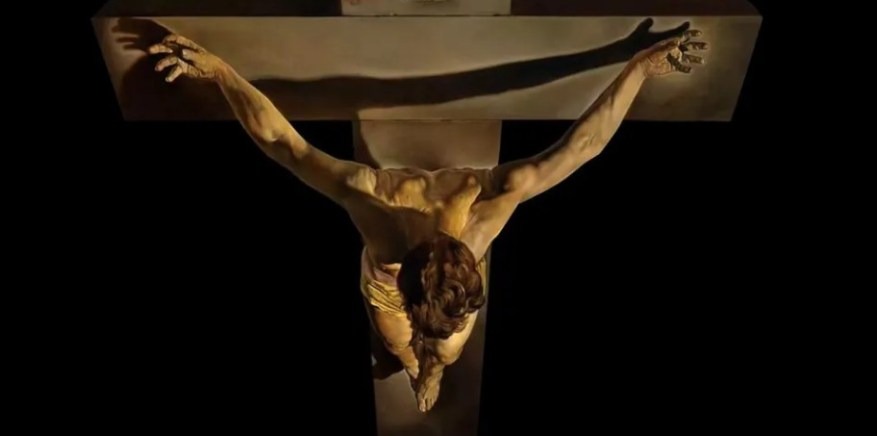
Pasqua nell’arte: 7 capolavori che raccontano la resurrezione tra luce, dramma e speranza
🇮🇹La Pasqua raccontata dai grandi artisti. Dal Rinascimento al Novecento, la resurrezione ha ispirato capolavori straordinari: ecco 7 opere che trasformano luce, dramma e speranza in immagini indimenticabili… Easter as told by great artists. From the Renaissance to the twentieth century, the resurrection has inspired extraordinary masterpieces: here are 7 works that transform light, drama,…
-
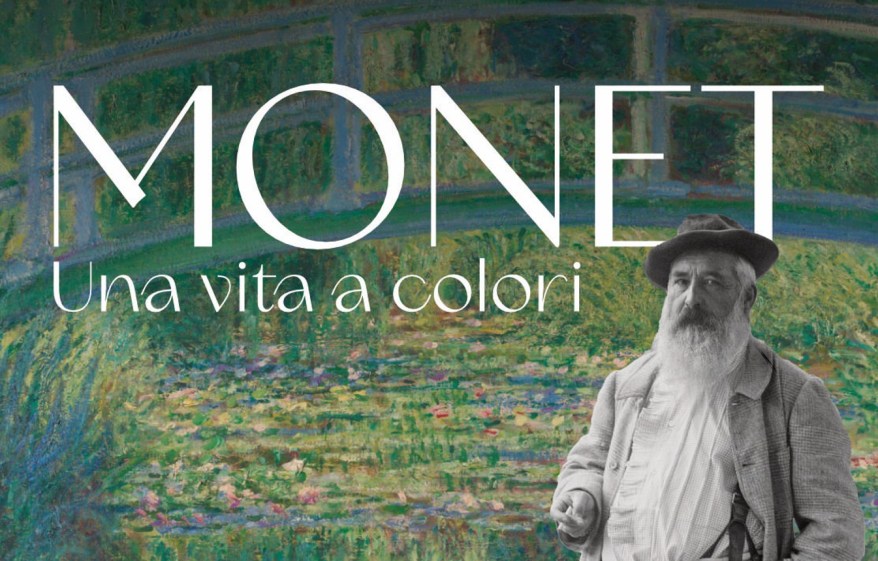
Il mondo di Monet prende vita sul palco: la nuova tournée teatrale che celebra il maestro della luce
🇮🇹Debutta nel 2026 lo spettacolo teatrale “Monet. Una vita a colori” di Marco Goldin: un viaggio immersivo tra arte, musica e immagini per celebrare i 100 anni dalla morte di Claude Monet… 🇬🇧Marco Goldin’s theatrical production “Monet. A Life in Color” will debut in 2026: an immersive journey through art, music, and images to celebrate…
-
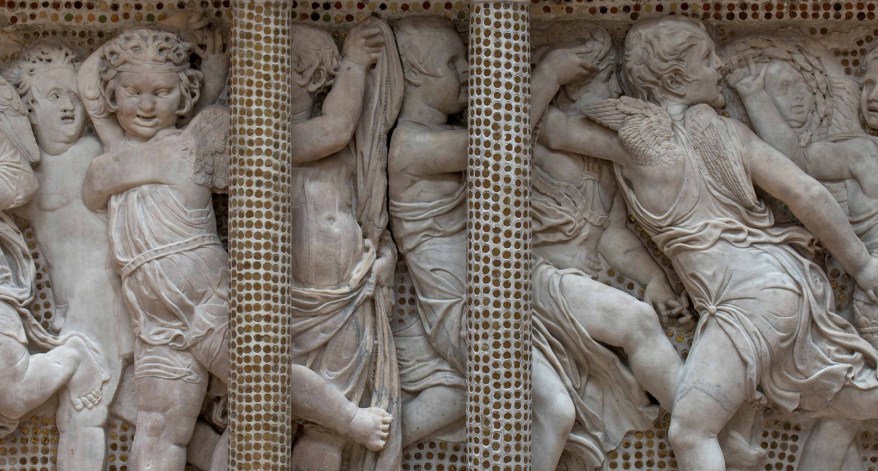
Donatello al Museo: visite guidate ai capolavori del Rinascimento al Museo dell’Opera del Duomo di Firenze
Dal 14 marzo 2026 l’Opera di Santa Maria del Fiore inaugura una nuova esperienza dedicata agli amanti dell’arte: un ciclo di visite guidate alla scoperta dei capolavori di Donatello conservati nel Museo dell’Opera del Duomo di Firenze…
Condividi:


Questo sono io





sostienici

Sostienici – Support Us
Se questo blog ti piace e ti appassiona, puoi aiutarci a farlo crescere sempre più sostenendoci in modo concreto condividendo i post, seguendo le pagine social e con un contributo che ci aiuta ad andare avanti con il nostro lavoro di divulgazione. . ENGLISH: If you like and are passionate about this blog, you can help us make it grow more and more by supporting us in a concrete way by sharing posts, following social pages and with a contribution that helps us to move forward with our dissemination work.
€10,00


