
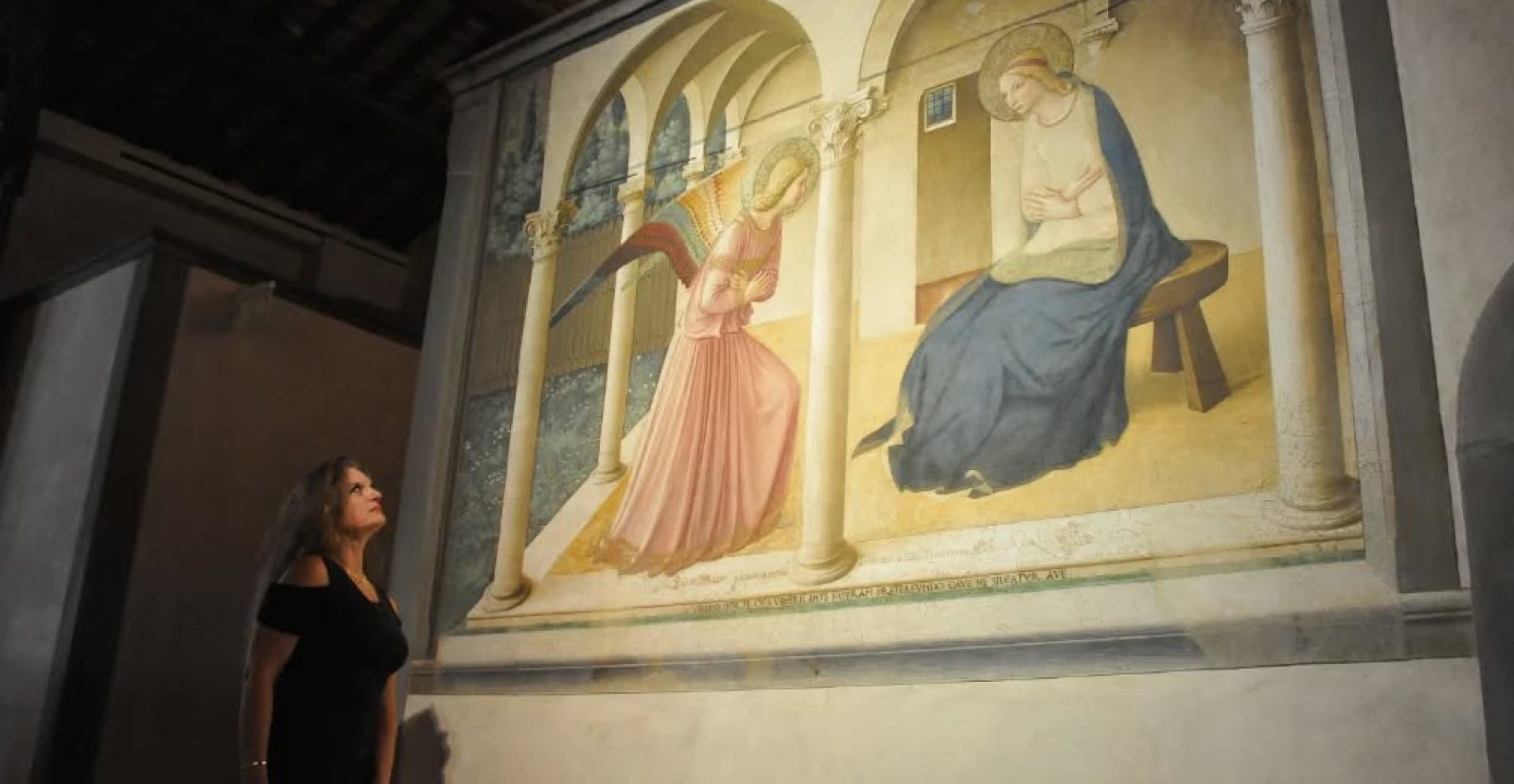
Natale a Palazzo Medici Riccardi con un’opera della bottega di Giovanni della Robbia
Palazzo Medici Riccardi, in occasione delle prossime festività natalizie, celebra la nascita del Presepe proponendo un’opera della bottega di Giovanni della Robbia.
A partire da domani 1° dicembre fino al 16 gennaio 2024 sarà possibile apprezzare all’interno dell’abituale percorso museale una terracotta invetriata arrivata direttamente dalla sagrestia del convento di San Francesco di Fiesole.

L’esposizione dal titolo “La Natività. Sentire e vedere l’Admirabile signum” proporrà ai visitatori una terracotta invetriata della bottega di Giovanni Della Robbia raffigurante la Natività e proveniente dall’antica sagrestia del Convento San Francesco di Fiesole.
Il prezioso manufatto rimarrà esposto dal 1° dicembre al 16 gennaio 2024 all’interno della Sala del Caminetto, ambiente del percorso museale dedicato alle Madonne con Bambino.
L’appuntamento si colloca all’interno del calendario delle celebrazioni per gli otto secoli dalla prima raffigurazione della Natività, che Francesco di Assisi realizzò a Greccio, una cittadina a pochi chilometri da Rieti. Nel 1223, infatti, il Santo patrono d’Italia si fermò nella valle del Reatino, probabilmente di ritorno da Roma, dove il 29 novembre aveva ricevuto da Papa Onorio III la conferma della sua Regola.
Le grotte esistenti nei pressi di Greccio gli ricordavano quelle che aveva visto in Terra Santa e, in modo particolare, lo scenario di Betlemme. Due settimane prima di Natale, raccontano le fonti, Francesco chiamò un uomo di nome Giovanni e gli chiese di aiutarlo a realizzare il suo Presepe per il 25 dicembre, alla presenza di molti frati e la popolazione di Greccio. Da quella esperienza, grazie alla predicazione dei francescani, il Presepe si è diffuso capillarmente tra le case e le piazze di tutto il mondo, giungendo fino ai giorni nostri.
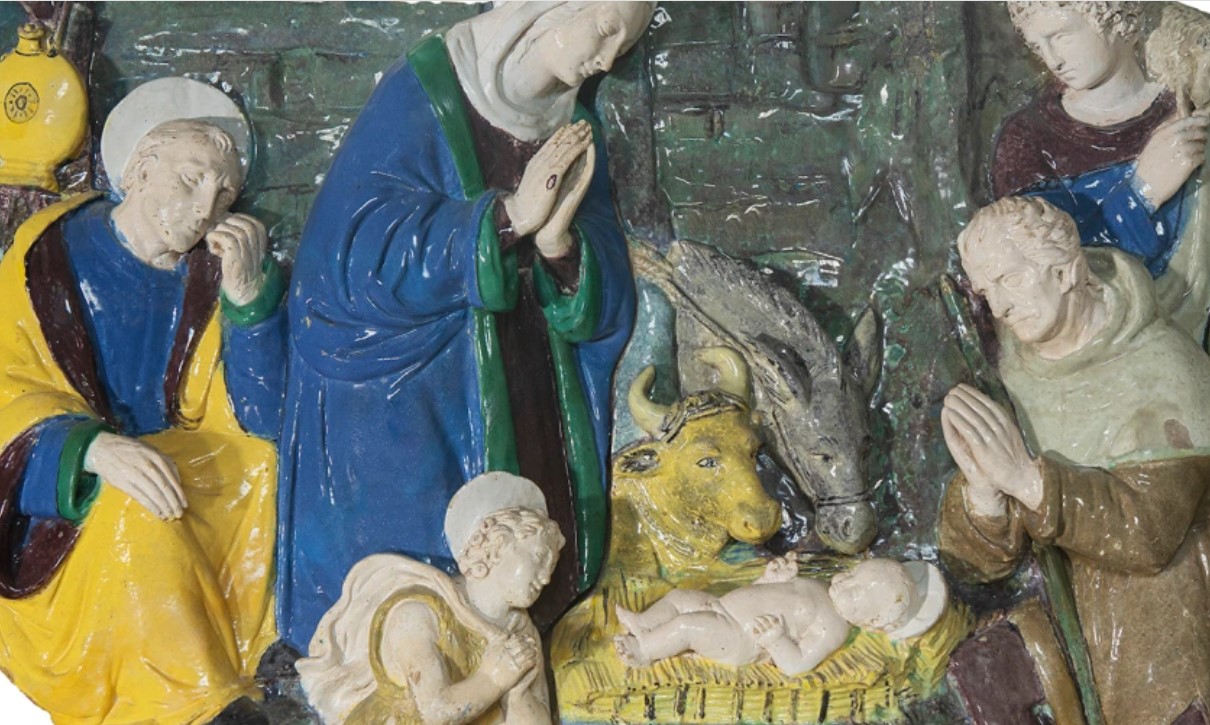
La terracotta invetriata esposta per l’occasione a Palazzo Medici Riccardi realizzata nel primo Cinquecento, testimonia l’attenzione artistica e devozionale che la bottega Della Robbia riservò al tema della Natività e manifesta un’essenzialità rispetto alla ricchezza decorativa, cromatica e compositiva propria di altre opere dello stesso artista.
La sala in cui è esposta custodisce pregevoli sculture e dipinti quattro-cinquecenteschi di soggetto mariano.
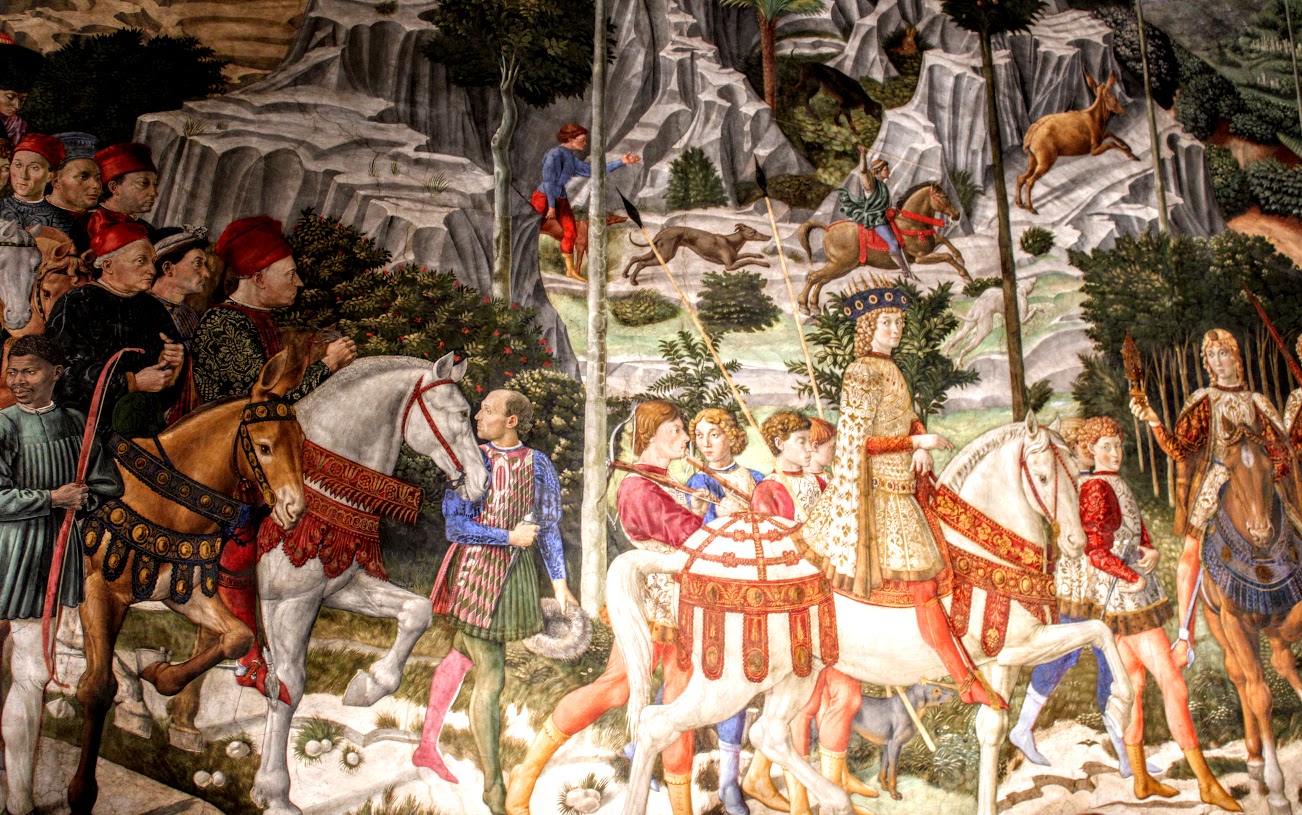
In dialogo ideale con l’opera proposta si pone poi la Cappella dei Magi, che nella nascita di Gesù trova il fulcro dell’intera raffigurazione, presentando ancor oggi sull’altare il dipinto della bottega di Filippo Lippi con Maria adorante, meta del suggestivo viaggio dei Magi affrescato sulle pareti dell’ambiente.
Per il momento il vostro Michelangelo Buonarroti vi saluta dandovi appuntamento ai prossimi post e sui social.

Christmas at Palazzo Medici Riccardi with a work from the workshop of Giovanni della Robbia
Palazzo Medici Riccardi, on the occasion of the upcoming Christmas holidays, celebrates the birth of the Nativity scene by offering a work from the workshop of Giovanni della Robbia.
Starting from tomorrow 1 December until 16 January 2024 it will be possible to appreciate within the usual museum itinerary a glazed terracotta arrived directly from the sacristy of the convent of San Francesco in Fiesole.
The exhibition entitled “The Nativity. Hearing and seeing the Admirabile signum” will offer visitors a glazed terracotta from the workshop of Giovanni Della Robbia depicting the Nativity and coming from the ancient sacristy of the Convent of San Francesco in Fiesole.
The precious artefact will remain on display from 1 December to 16 January 2024 inside the Sala del Caminetto, an area of the museum itinerary dedicated to the Madonnas with Child.
The event is part of the calendar of celebrations for the eight centuries since the first depiction of the Nativity, which Francis of Assisi created in Greccio, a town a few kilometers from Rieti. In 1223, in fact, the patron saint of Italy stopped in the Reatino valley, probably returning from Rome, where on 29 November he had received confirmation of his Rule from Pope Honorius III.
The caves existing near Greccio reminded him of those he had seen in the Holy Land and, in particular, the scenery of Bethlehem. Two weeks before Christmas, the sources say, Francis called a man named Giovanni and asked him to help him create his Nativity scene for December 25, in the presence of many friars and the population of Greccio. From that experience, thanks to the preaching of the Franciscans, the Nativity scene has spread widely among houses and squares all over the world, reaching the present day.
The glazed terracotta exhibited for the occasion at Palazzo Medici Riccardi made in the early sixteenth century, testifies to the artistic and devotional attention that the Della Robbia workshop reserved for the theme of the Nativity and manifests an essentiality compared to the decorative, chromatic and compositional richness of other works by the same artist.
The room in which it is exhibited houses valuable fifteenth-sixteenth century sculptures and paintings of Marian subjects.
The Chapel of the Magi then stands in ideal dialogue with the proposed work, which finds the fulcrum of the entire representation in the birth of Jesus, still presenting on the altar the painting from Filippo Lippi’s workshop with the adoring Mary, the destination of the evocative journey of the Magi frescoed on the walls of the room.
For the moment, your Michelangelo Buonarroti greets you and will meet you in future posts and on social media.

Sostienici – Support Us
Se questo blog ti piace e ti appassiona, puoi aiutarci a farlo crescere sempre più sostenendoci in modo concreto condividendo i post, seguendo le pagine social e con un contributo che ci aiuta ad andare avanti con il nostro lavoro di divulgazione. . ENGLISH: If you like and are passionate about this blog, you can help us make it grow more and more by supporting us in a concrete way by sharing posts, following social pages and with a contribution that helps us to move forward with our dissemination work.
8,00 €
-
La Pietà di Tincolini: a Pontedera l’arte torna a fare domande scomode
🇮🇹“Pietà”, la scultura di Filippo Tincolini, insieme alle parole di Federico Quaranta e Andrea Pezzi, non è stato solo uno spettacolo. È stata una domanda lanciata in faccia al pubblico, impossibile da evitare: siamo ancora capaci di provare pietà? 🇬🇧 “Pietà,” Filippo Tincolini’s sculpture, along with the words of Federico Quaranta and Andrea Pezzi, wasn’t…
-
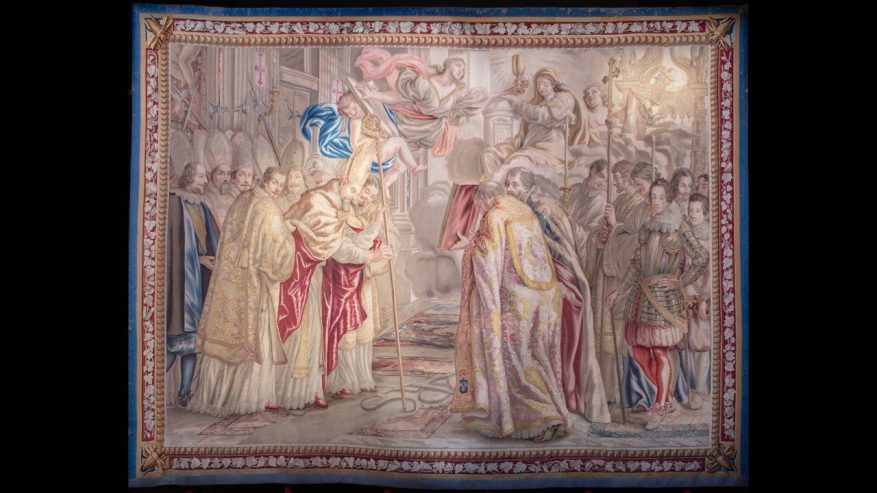
Ai Musei Vaticani i fasti barocchi di Urbano VIII: in mostra gli arazzi della manifattura Barberini
🇮🇹A quattro secoli dalla consacrazione della Basilica di San Pietro, i Musei Vaticani dedicano una mostra all’Arazzeria Barberini, simbolo di una cultura visiva capace di fondere magnificenza estetica e affermazione politica… 🇬🇧Four centuries after the consecration of St. Peter’s Basilica, the Vatican Museums are dedicating an exhibition to the Barberini Tapestry Factory, a symbol of…
-
Le Opere della Pasqua: come la Resurrezione ha ispirato Arte e Cultura
🇮🇹La Pasqua, oltre ad essere una ricorrenza religiosa è un momento in cui la storia, l’arte e la spiritualità si intrecciano per raccontare il fulcro della fede cristiana: la resurrezione di Cristo. .. 🇬🇧Easter, beyond being a religious holiday, is a moment when history, art, and spirituality intertwine to recount the core of the Christian…
Condividi:


Questo sono io





sostienici

Sostienici – Support Us
Se questo blog ti piace e ti appassiona, puoi aiutarci a farlo crescere sempre più sostenendoci in modo concreto condividendo i post, seguendo le pagine social e con un contributo che ci aiuta ad andare avanti con il nostro lavoro di divulgazione. . ENGLISH: If you like and are passionate about this blog, you can help us make it grow more and more by supporting us in a concrete way by sharing posts, following social pages and with a contribution that helps us to move forward with our dissemination work.
€10,00


