

La Scultura del giorno: Pietre miliari di William Hamo Thornycroft
La scultura del giorno che vi propongo oggi è Pietre miliari scolpita da William Hamo Thornycroft alle soglie del Novecento.
L’artista Sir William Hamo Thornycroft nacque il 9 marzo 1850 a Londra e oggi quasi non si sente nemmeno più parlare di lui.
Fu invece un apprezzato scultore del suo tempo e un grande studioso di scultura classica. Cosa non da poco, Thornycroft è stato uno degli artisti più giovani a fare ingresso nella Royal Accademy of Art di Londra, nel 1882, come insegnante.
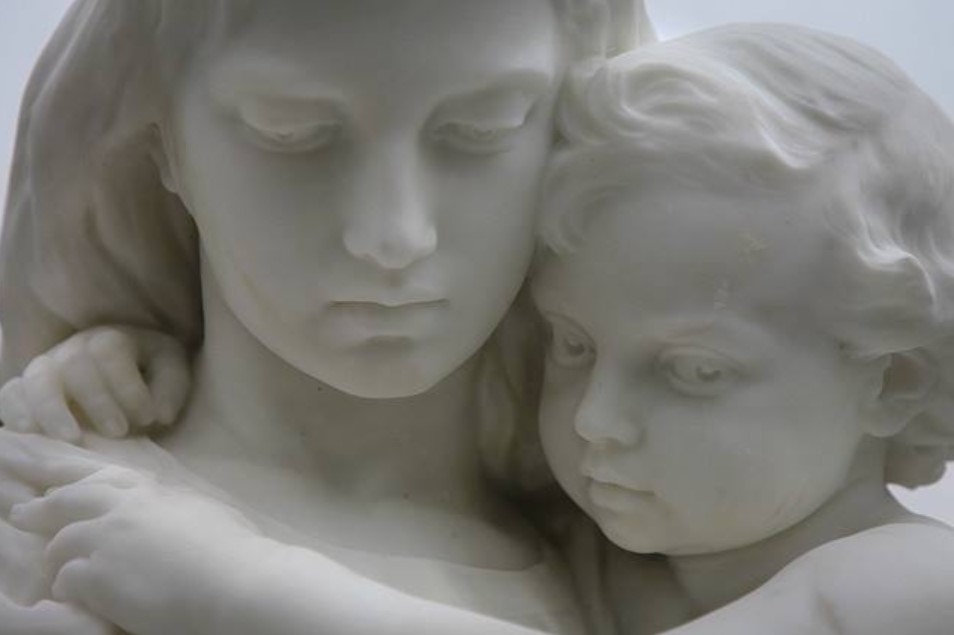
Scultore moderno e illuminato, Thornycroft con la sua opera Pietre miliari, oggi ubicata all’interno del Kibble Palace Botanic Gardens di Glasgow realizzata nel 1878, mostrò ai sui detrattori l’abilità che aveva non tanto nel plasmare il marmo ma nella resa delle emozioni.
Osservate soprattutto i volti della madre e del figlio che le si aggrappa con le mani al collo in cerca di protezione. In questo caso la pietra miliare è proprio la mamma che con la sua fermezza abbinata alla tenerezza infonde fiducia nel piccolo che mostra di sentirsi al sicuro.
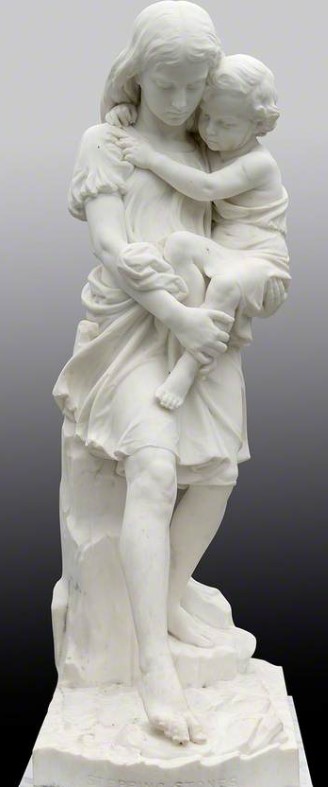
La resa dei due corpi è assai inferiore a quella dei volti molto più realistici e intensi.
Per il momento il vostro Michelangelo Buonarroti vi saluta dandovi appuntamento ai prossimi post e sui social.

Sculpture of the Day: Milestones by William Hamo Thornycroft
The sculpture of the day that I propose to you today is Milestones sculpted by William Hamo Thornycroft on the threshold of the twentieth century.
The artist Sir William Hamo Thornycroft was born on 9 March 1850 in London and today we hardly even hear about him anymore.
Instead, he was an appreciated sculptor of his time and a great scholar of classical sculpture. No small feat, Thornycroft was one of the youngest artists to enter the Royal Academy of Art in London, in 1882, as a teacher.
A modern and enlightened sculptor, Thornycroft with his work Milestones, now located inside the Kibble Palace Botanic Gardens in Glasgow, created in 1878, showed his detractors the ability he had not so much in shaping marble but in rendering emotions .
Observe especially the faces of the mother and her son who clings to her neck with his hands seeking protection. In this case the milestone is the mother who, with her firmness combined with her tenderness, instills confidence in the little one who shows that he feels safe.
The rendering of the two bodies is much lower than that of the much more realistic and intense faces.
For the moment, your Michelangelo Buonarroti greets you and will meet you in future posts and on social media.

Sostienici – Support Us
Se questo blog ti piace e ti appassiona, puoi aiutarci a farlo crescere sempre più sostenendoci in modo concreto condividendo i post, seguendo le pagine social e con un contributo che ci aiuta ad andare avanti con il nostro lavoro di divulgazione. . ENGLISH: If you like and are passionate about this blog, you can help us make it grow more and more by supporting us in a concrete way by sharing posts, following social pages and with a contribution that helps us to move forward with our dissemination work.
8,00 €
-
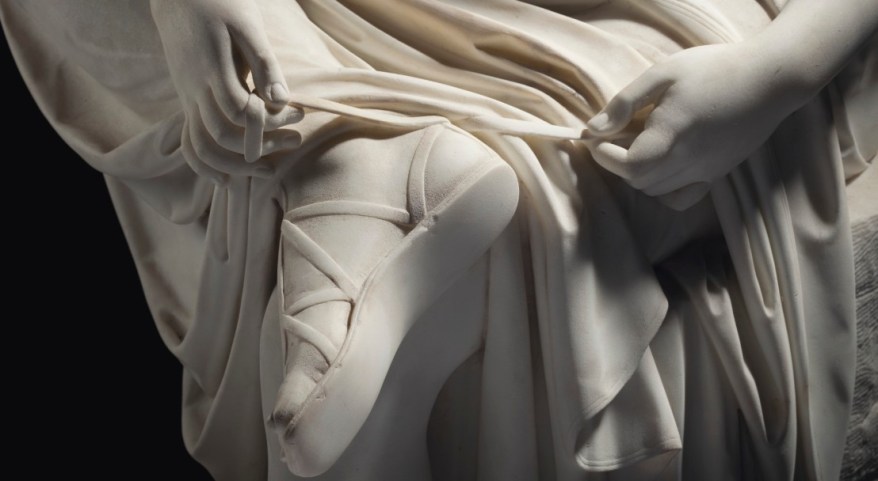
Il gesto intimo della Donna che si allaccia i sandali di Rudolph Schadow
🇮🇹Scolpendo la donna che si allaccia i Sandali, Rudolph Schadow sceglie il quotidiano al posto del mito, trasformando un gesto intimo in un’opera d’arte. Un marmo silenzioso, concentrato, sorprendentemente moderno… 🇬🇧By sculpting the woman tying her sandals, Rudolph Schadow chooses the everyday over the mythical, transforming an intimate gesture into a work of art. A…
-

Velarìa: i grandi velieri trasformano La Spezia in un museo galleggiante del Mediterraneo
🇮🇹Vele, legni antichi, rotte di bellezza. A marzo La Spezia si trasforma in un museo galleggiante: arrivano i grandi velieri e le golette del Mediterraneo. Nasce Velarìa – Scalo alla Spezia, il nuovo Festival Marittimo Internazionale… 🇬🇧Sails, ancient woods, routes of beauty. In March, La Spezia transforms into a floating museum: the great sailing ships…
-
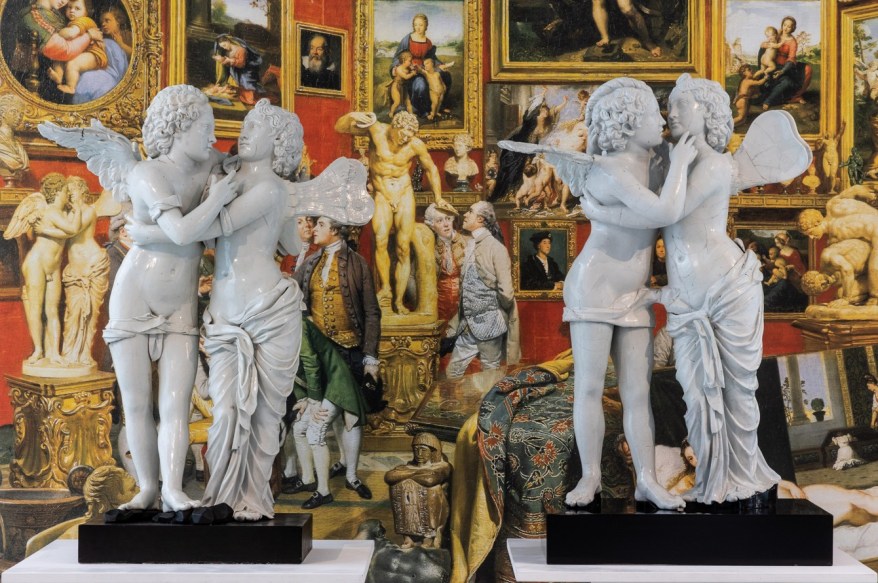
Alchimia Ginori: due secoli di arte, tecnica e sperimentazione in mostra al MIC Faenza
🇮🇹 Quando la porcellana diventa alchimia. Dal 31 gennaio 2026 al MIC Faenza apre Alchimia Ginori 1737–1896, una mostra che racconta due secoli di arte, chimica e sperimentazione della Manifattura Ginori… 🇬🇧 When porcelain becomes alchemy. From January 31, 2026, MIC Faenza will host Alchimia Ginori 1737–1896, an exhibition recounting two centuries of art, chemistry,…
Condividi:


Questo sono io





sostienici

Sostienici – Support Us
Se questo blog ti piace e ti appassiona, puoi aiutarci a farlo crescere sempre più sostenendoci in modo concreto condividendo i post, seguendo le pagine social e con un contributo che ci aiuta ad andare avanti con il nostro lavoro di divulgazione. . ENGLISH: If you like and are passionate about this blog, you can help us make it grow more and more by supporting us in a concrete way by sharing posts, following social pages and with a contribution that helps us to move forward with our dissemination work.
€10,00


