

17 novembre 1770: nasce Berthel Thorvaldsen
Era il 17 novembre del 1770 quando nella città danese di Copenaghen venne al mondo lo scultore Berthel Thorvaldsen.
Origini e formazione
La sua famiglia, originaria dell’Islanda, aveva origini molto umili. Il su babbo per tirare avanti realizzava intagli in legno per i grandi bastimenti e a tutti gli effetti fu il suo primo maestro.
Thorvaldsen da bambino apprese l’arte del padre e a soli 11 anni, nel 1781, fu ammesso al corso di disegno della Royal Academy of Arts e successivamente a quello di modellazione.

La sua abilità e il suo talento non passarono inosservati e, fra i molti premi e riconoscimenti che ottenne, ricevette uno stipendio dalla corona danese che gli avrebbe consentito di portare a termine i suoi studi nella città eterna: Roma.
L’arrivo e il successo a Roma
L’8 marzo del 1797 arrivò a Roma e trovò casa dinnanzi a Piazza di Spagna, in via Sistina e nel corso del tempo riuscì a trovare un grande spazio per mettere su la sua bottega: le scuderie di Palazzo Barberini.

Fu l’archeologo danese Georg Zoega a prendere sotto la sua ala protettrice il giovane ma promettentissimo Thorvaldsen e lo aiutò a farsi largo nel mondo della scultura nonostante i grandi nomi che c’erano al tempo.
Un nome su tutti? Antonio Canova.

Fu proprio Canova a rimanere affascinato dalla bravura del giovane danese e apprezzò in modo particolare il modello del suo Giasone. Le sue opere cominciarono a essere molto ambite e ricevette numerose commissioni tanto che quel Giasone riuscì a tradurlo in scultura e completarlo venticinque anni più tardi.
Thorvaldsen divenne presto un artista molto impegnato tanto che per finire il suo Giasone ci mise 25 anni. Aveva così tanto lavoro che iniziò ad avvalersi del lavoro di numerosi aiutanti per non rimanere troppo indietro con i lavori.

Sono numerose le opere che ha lasciato a voi posteri in eredità come il meraviglioso Ganimede con l’aquila che tanto piace a me o la Danza delle Muse a Helicon o Cupido e Psiche.
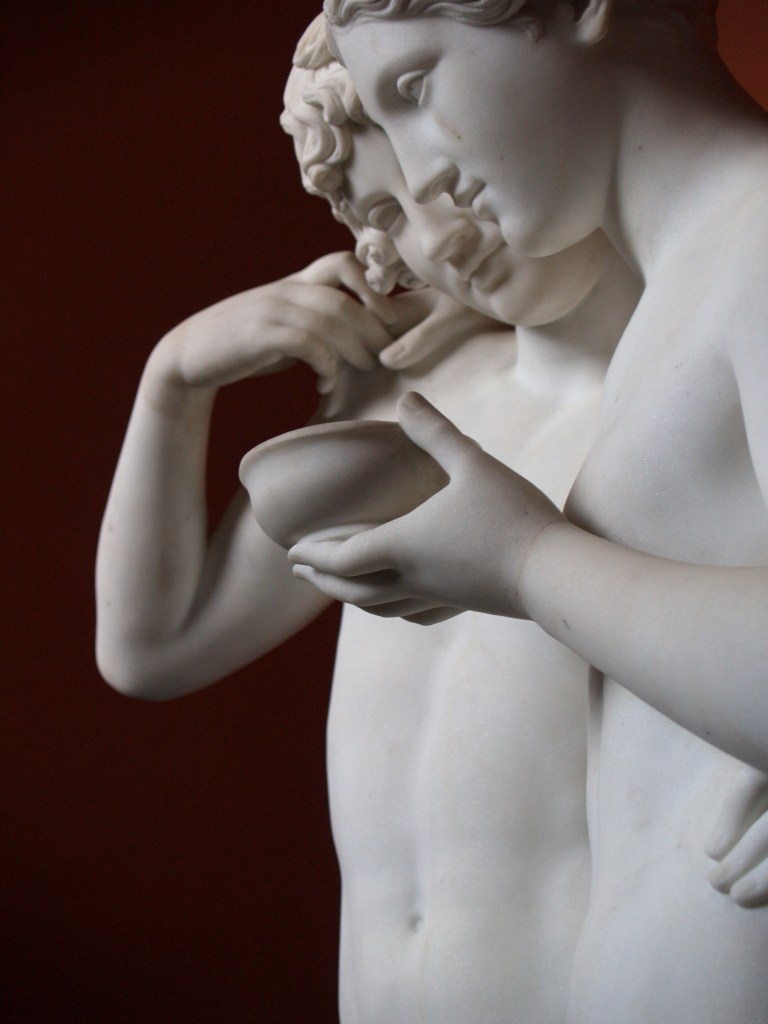
A partire dal 1811 insegnò scultura presso l’Accademia di San Luca a Roma, esercitando una profonda influenza sui giovani scultori italiani e stranieri dell’epoca.
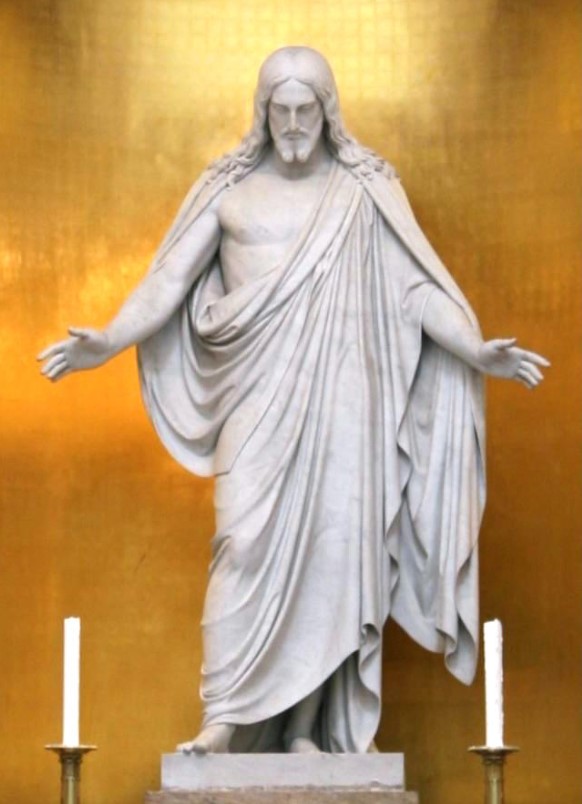
Successivamente, nel 1819 ricevette un’importante commissione dalla sua patria: la grande scultura del Cristo e dei dodici apostoli da collocare nella Vor Frue Kirke.
Quasi vent’anni dopo portò a termine la commissione e rientrò a Copenaghen per consegnare quel grandioso lavoro, oggi custodito nella cattedrale di Nostra Signora di Copenaghen, in Danimarca.
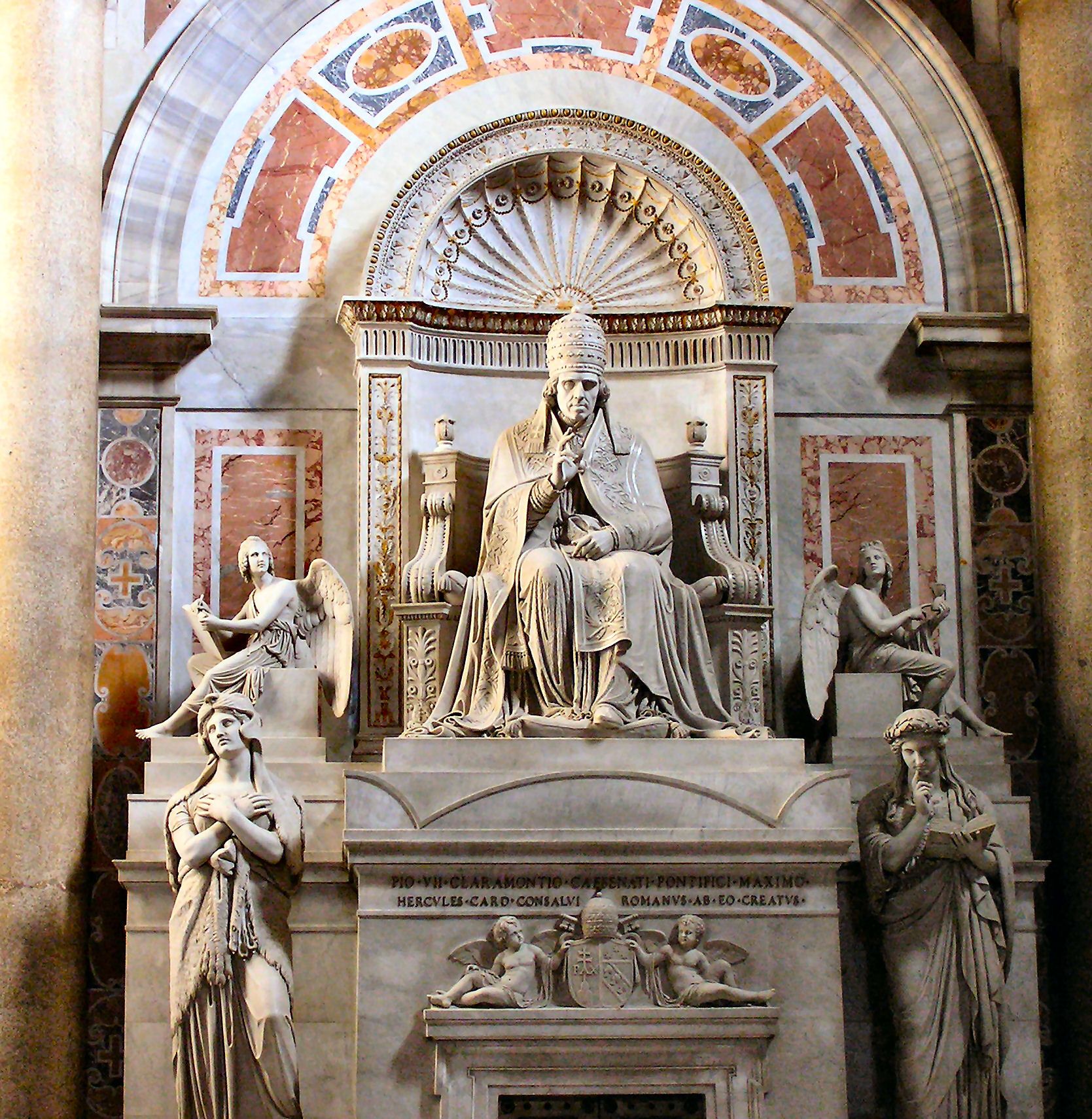
Sapete, a Thorvaldsen spettò anche l’onore di realizzare la tomba di papa Pio VII ed è l’unico artista non italiano ad avere qualcosa di suo nella Basilica di San Pietro.
Thorvaldsen morì improvvisamente il 24 marzo del 1844 mentre se ne stava tranquillo a godersi uno spettacolo teatrale.
Il libro
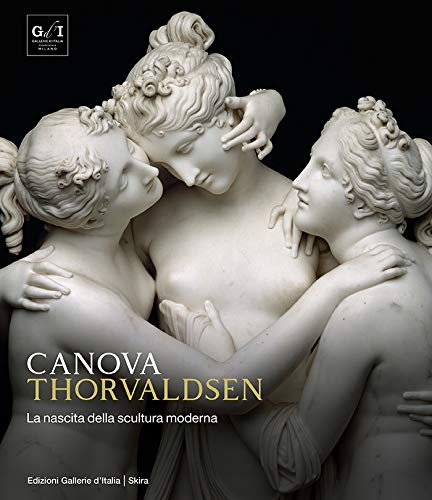
Se volete approfondire la conoscenza di Berthel Thorvaldsen e delle sue opere, vi consiglio il libro Canova-Thorvaldsen, la nascita della scultura moderna. Si tratta del catalogo della mostra che venne organizzata qualche anno fa alle Gallerie d’Italia di Milano che metteva a confronto le opere dei due grandi artisti neoclassici: Canova e Thorvaldsen.
Lo trovate QUA.
Per il momento il sempre vostro Michelangelo Buonarroti vi racconta dandovi appuntamento ai prossimi post e sui social.
November 17, 1770: Berthel Thorvaldsen is born
It was November 17, 1770 when the sculptor Berthel Thorvaldsen was born in the Danish city of Copenhagen.
Origins and formation
His family, originally from Iceland, had very humble origins. To get by, his father made wood carvings for large ships and to all intents and purposes was his first teacher.
Thorvaldsen learned his father’s art as a child and at just 11 years old, in 1781, he was admitted to the drawing course of the Royal Academy of Arts and subsequently to the modeling course.
His skill and talent did not go unnoticed and, among the many prizes and recognitions he obtained, he received a stipend from the Danish crown which would have allowed him to complete his studies in the eternal city: Rome.
The arrival and success in Rome
On 8 March 1797 he arrived in Rome and found a house in front of Piazza di Spagna, in Via Sistina and over time he managed to find a large space to set up his shop: the stables of Palazzo Barberini.
It was the Danish archaeologist Georg Zoega who took the young but very promising Thorvaldsen under his wing and helped him make his way into the world of sculpture despite the big names that were there at the time.
One name above all? Antonio Canova.
It was Canova himself who was fascinated by the skill of the young Dane and particularly appreciated the model of his Jason. His works began to be highly coveted and he received numerous commissions so much so that Jason managed to translate it into sculpture and complete it twenty-five years later.
Thorvaldsen soon became a very busy artist, so much so that it took him 25 years to finish his Jason. He had so much work that he began to employ numerous helpers so as not to fall too far behind on his work.
There are numerous works that he left to you posterity as a legacy such as the wonderful Ganymede with the eagle that I like so much or the Dance of the Muses in Helicon or Cupid and Psyche.
Starting in 1811 he taught sculpture at the Accademia di San Luca in Rome, exerting a profound influence on the young Italian and foreign sculptors of the time.
Subsequently, in 1819 he received an important commission from his homeland: the large sculpture of Christ and the twelve apostles to be placed in the Vor Frue Kirke.
Almost twenty years later he completed the commission and returned to Copenhagen to deliver that grandiose work, now kept in the Cathedral of Our Lady of Copenhagen, in Denmark.
You know, Thorvaldsen also had the honor of creating the tomb of Pope Pius VII and he is the only non-Italian artist to have something by him in St. Peter’s Basilica.
Thorvaldsen died suddenly on March 24, 1844 while sitting quietly enjoying a theater performance.
For the moment, your always Michelangelo Buonarroti will tell you about it, giving you an appointment in the next posts and on social media.

Sostienici – Support Us
Se questo blog ti piace e ti appassiona, puoi aiutarci a farlo crescere sempre più sostenendoci in modo concreto condividendo i post, seguendo le pagine social e con un contributo che ci aiuta ad andare avanti con il nostro lavoro di divulgazione. . ENGLISH: If you like and are passionate about this blog, you can help us make it grow more and more by supporting us in a concrete way by sharing posts, following social pages and with a contribution that helps us to move forward with our dissemination work.
10,00 €
-
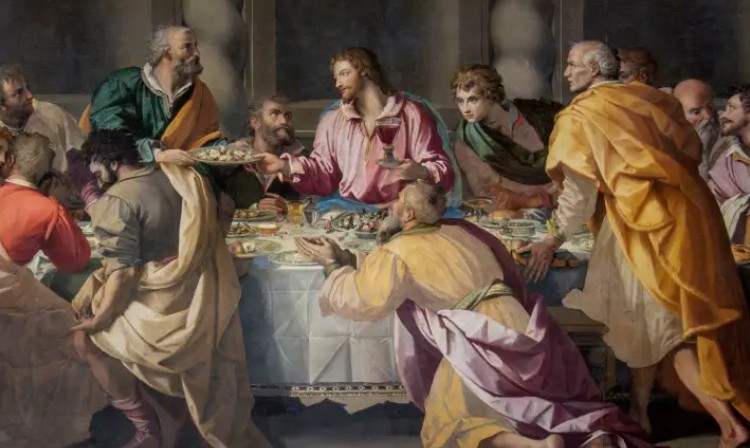
Giovedì Santo: l’Ultima Cena di Allori che pochi conoscono a Firenze
🇮🇹Nel cuore di Museo di Santa Maria Novella, a Firenze, si conserva una delle interpretazioni più affascinanti e meno note dell’Ultima Cena: quella realizzata da Alessandro Allori nel 1584… 🇬🇧In the heart of the Santa Maria Novella Museum in Florence, one of the most fascinating and least-known interpretations of the Last Supper is preserved: the…
-
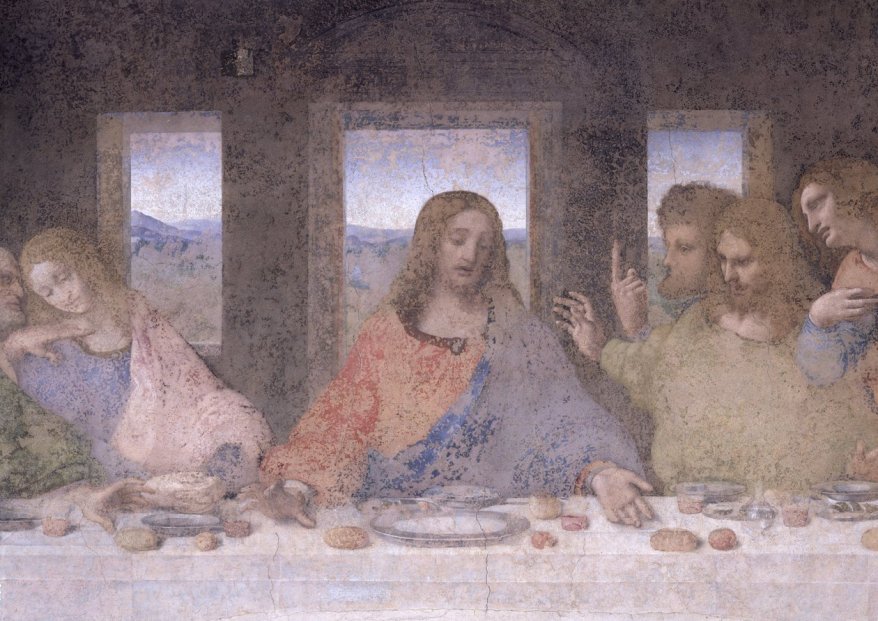
Cenacolo di Leonardo: i dettagli che raccontano il tradimento
🇮🇹Nel Cenacolo di Leonardo da Vinci, custodito a Santa Maria delle Grazie, Cristo annuncia il tradimento e il tempo si ferma… 🇬🇧In Leonardo da Vinci’s Last Supper, housed in Santa Maria delle Grazie, Christ announces the betrayal and time stands still…
-
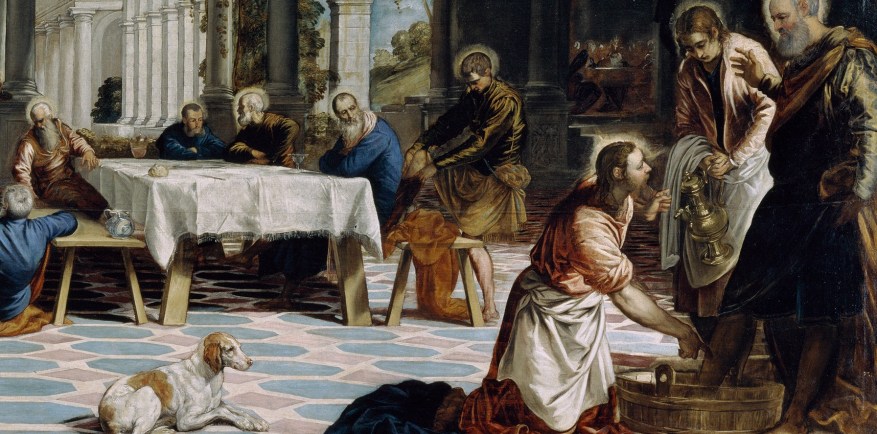
La Lavanda dei Piedi di Tintoretto: Il Capolavoro Veneziano al Prado
🇮🇹Tra i capolavori più affascinanti del Rinascimento veneziano, “La Lavanda dei Piedi” di Jacopo Tintoretto rappresenta un perfetto equilibrio tra spiritualità, innovazione compositiva e straordinaria forza narrativa… 🇬🇧Among the most fascinating masterpieces of the Venetian Renaissance, Jacopo Tintoretto’s “The Washing of the Feet” represents a perfect balance between spirituality, compositional innovation, and extraordinary narrative force…
Condividi:


Questo sono io





sostienici

Sostienici – Support Us
Se questo blog ti piace e ti appassiona, puoi aiutarci a farlo crescere sempre più sostenendoci in modo concreto condividendo i post, seguendo le pagine social e con un contributo che ci aiuta ad andare avanti con il nostro lavoro di divulgazione. . ENGLISH: If you like and are passionate about this blog, you can help us make it grow more and more by supporting us in a concrete way by sharing posts, following social pages and with a contribution that helps us to move forward with our dissemination work.
€10,00


