
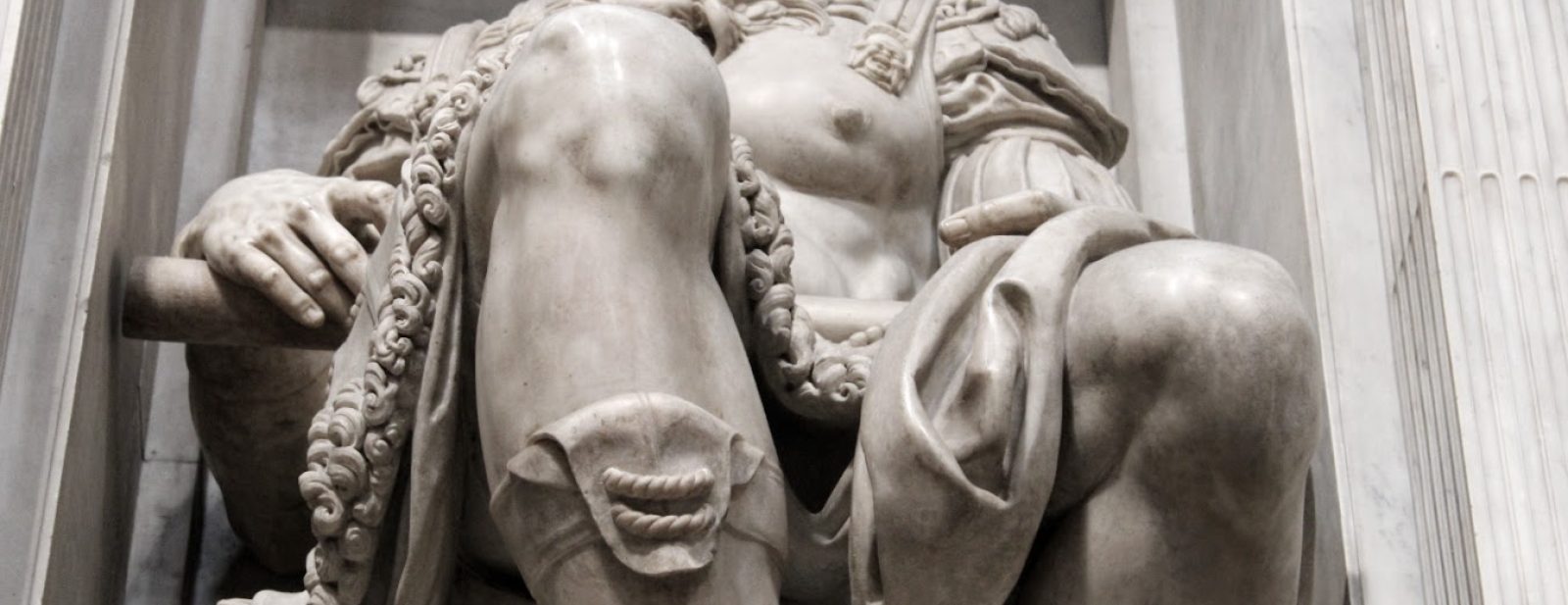
La Scultura del giorno: il drammatico Cristo deposto di Bottiglieri
La scultura del giorno che vi propongo oggi è il mirabile Cristo deposto di Bottiglieri, scolpito dall’artista salernitano nel 1724.
L’opera si trova in una cappella del duomo di Santa Maria Assunta di Capua e suscita sempre un grande impatto emotivo su chi ha la buona sorte di vederlo di persona.
Il corpo di Nostro Signore è adagiato scompostamente sopra il sudario al di sotto del quale si intravede la corona di spine e i chiodi.
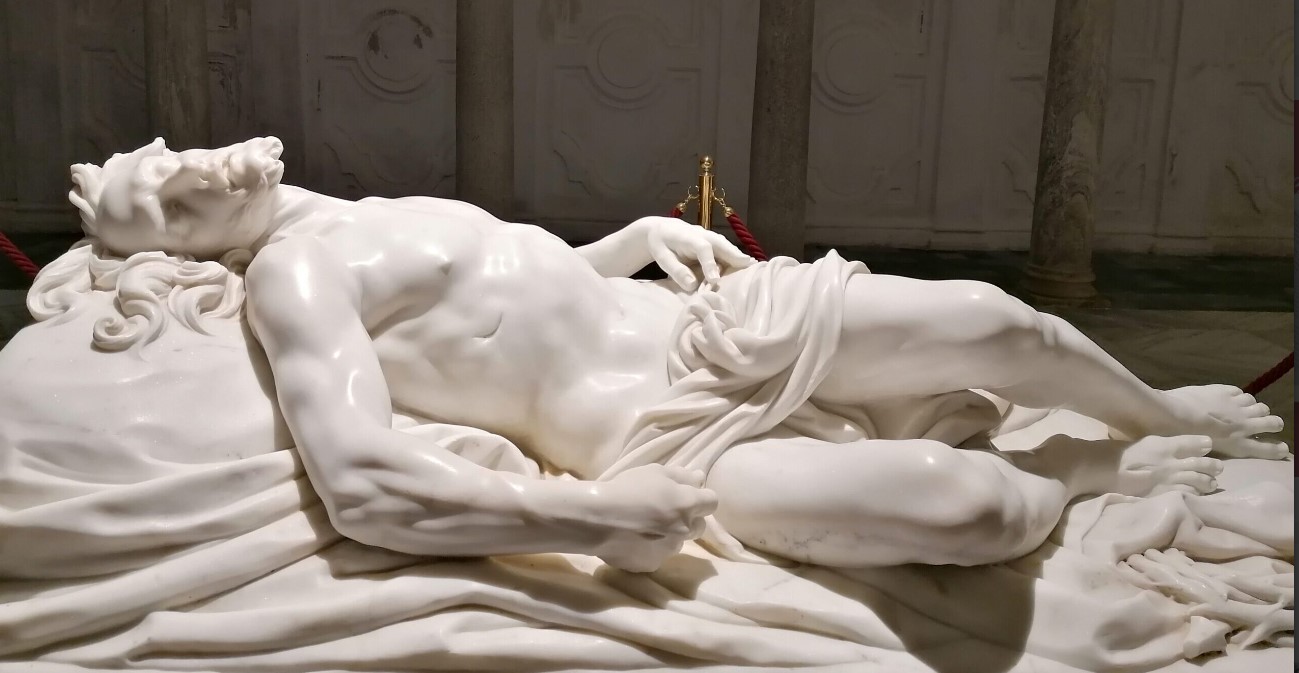
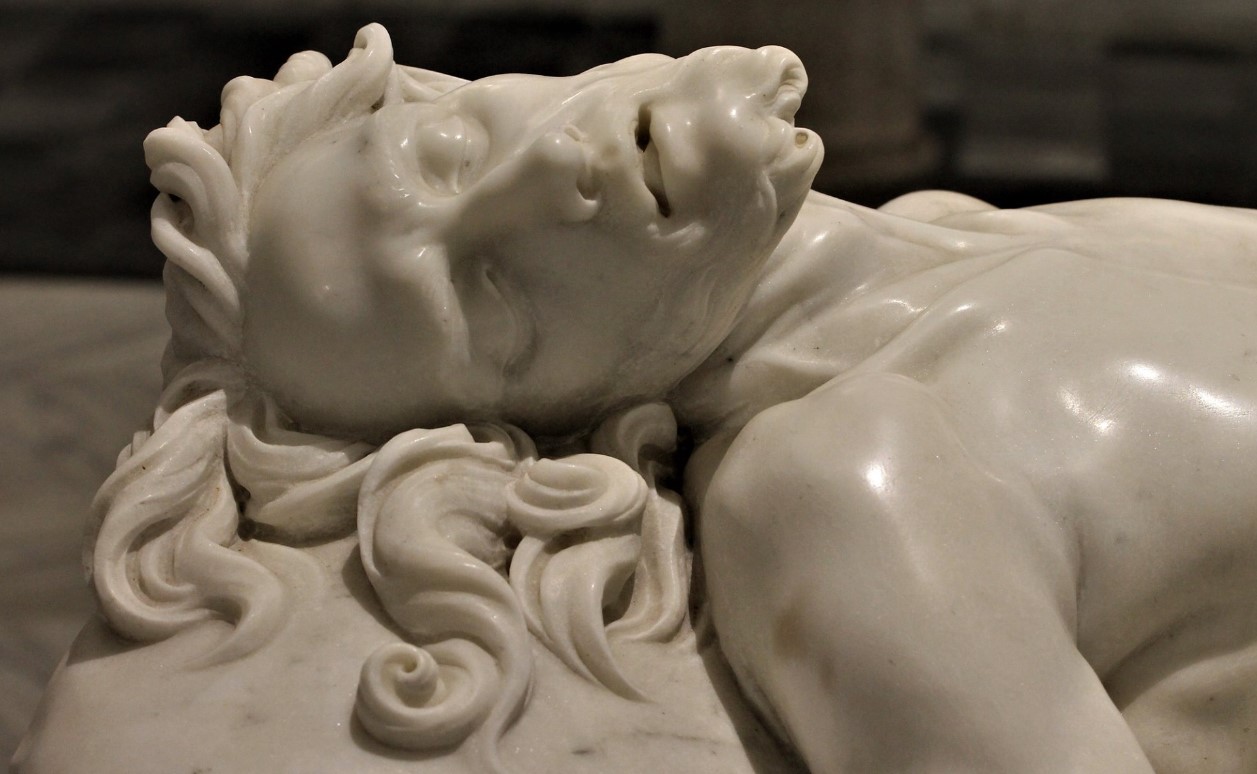
Ha il volto segnato da un’espressione che non ispira pace ma inquietudine. Non è un Cristo che finalmente riposa dopo le torture subite ma ancora appare sofferente. Non c’è niente di estatico né nella posa del corpo né sul suo volto.
La scultura di Buttiglieri è precedente al Cristo Velato del Sanmartino e non è da escludere che il Sanmartino abia visto questo capolavoro prima di mettere mano al suo.
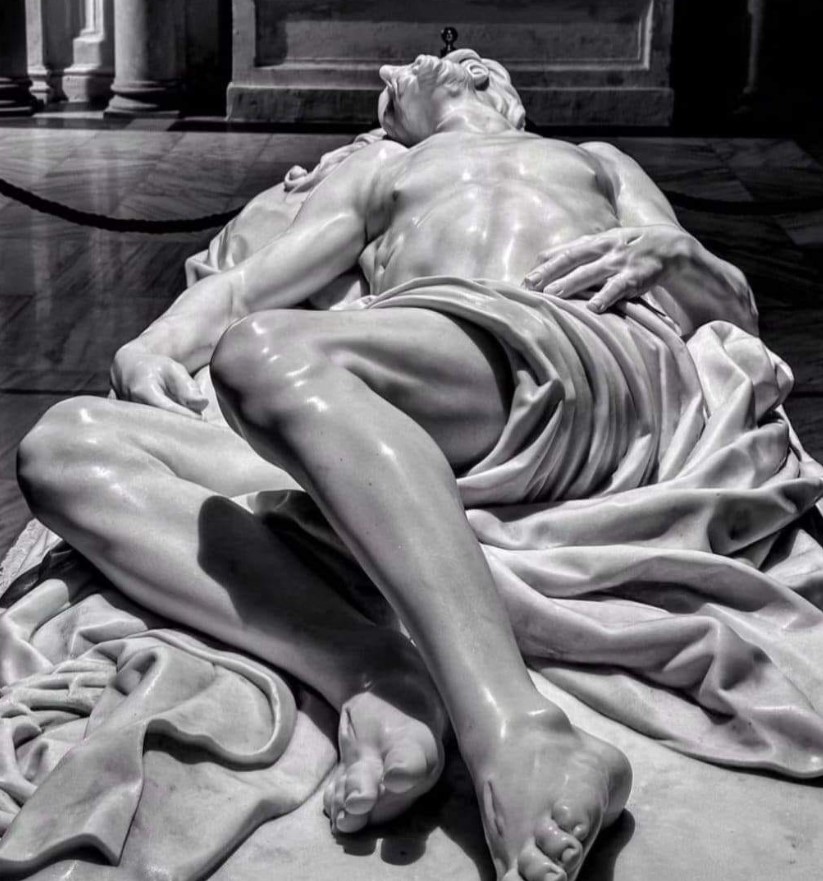
Mentre nell’opera della Cappella di San Severo a Napoli la quiete del corpo è evidente sotto quel velo di marmo che sembra lasciar trasparire le forme di Cristo e del suo viso scolpito con un’espressione ormai serena, quello di Buttiglieri è molto più terreno.
E’ un Cristo che porta sul corpo segni della sofferenza umana. Sembra non voler stare sotto il sudario volutamente: vuole mostrare all’umanità quale sia stato il prezzo del Suo sacrificio, offrendo il corpo per la salvezza di tutti.
Lo scultore Matteo Buttiglieri venne al mondo nel 1684 a Castiglione dei Genovesi, in provincia di Salerno.
Seguendo le orme del grande Bernini realizzò opere memorabili e contribuì in modo determinante alla decorazione della guglia dell’Immacolata in Piazza del Gesù a Spaccanapoli.

Per il momento il vostro Michelangelo Buonarroti vi saluta dandovi appuntamento ai prossimi post e sui social.
Sculpture of the day: Bottiglieri’s dramatic Deposed Christ
The sculpture of the day that I propose to you today is the wonderful Deposed Christ by Bottiglieri, sculpted by the artist from Salerno in 1724.
The work is located in a chapel of the cathedral of Santa Maria Assunta in Capua and always has a great emotional impact on those who are lucky enough to see it in person.
The body of Our Lord is sprawled over the shroud beneath which the crown of thorns and nails can be seen.
His face is marked by an expression that does not inspire peace but anxiety. He is not a Christ who finally rests after the torture suffered but still appears to be suffering. There is nothing ecstatic either in the pose of the body or on his face.
Buttiglieri’s sculpture precedes Sanmartino’s Veiled Christ and it cannot be ruled out that Sanmartino saw this masterpiece before putting his hand to it.
While in the work of the Chapel of San Severo in Naples the stillness of the body is evident under that veil of marble which seems to allow the forms of Christ and his face sculpted with a now serene expression to shine through, that of Buttiglieri is much more earthly .
He is a Christ who bears signs of human suffering on his body. He seems to deliberately not want to stay under the shroud: he wants to show humanity what the price of his sacrifice was, offering his body for the salvation of all.
The sculptor Matteo Buttiglieri was born in 1684 in Castiglione dei Genovesi, in the province of Salerno.
Following in the footsteps of the great Bernini, he created memorable works and contributed significantly to the decoration of the spire of the Immaculate Conception in Piazza del Gesù in Spaccanapoli.
For the moment, your Michelangelo Buonarroti greets you and will meet you in future posts and on social media.

Sostienici – Support Us
Se questo blog ti piace e ti appassiona, puoi aiutarci a farlo crescere sempre più sostenendoci in modo concreto condividendo i post, seguendo le pagine social e con un contributo che ci aiuta ad andare avanti con il nostro lavoro di divulgazione. . ENGLISH: If you like and are passionate about this blog, you can help us make it grow more and more by supporting us in a concrete way by sharing posts, following social pages and with a contribution that helps us to move forward with our dissemination work.
8,00 €
-
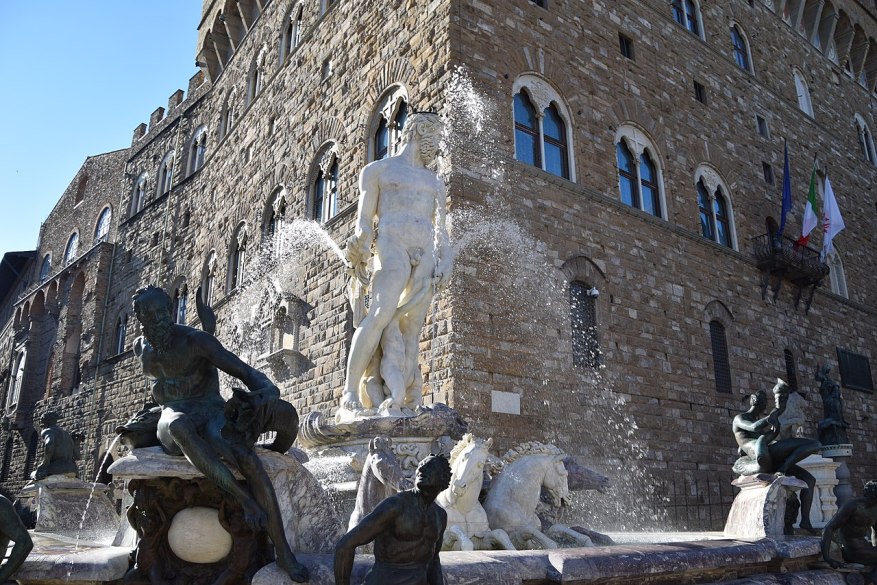
Firenze shock: si arrampica sul Biancone e danneggia la fontana del Nettuno
🇮🇹Firenze, turista si arrampica sul Biancone dell’Ammannati: danneggiamenti alle zampe dei cavalli della fontana e a un fregio… 🇬🇧Florence, a tourist climbs Ammannati’s Biancone fountain: damage to the fountain’s horses’ hooves and a frieze…
-
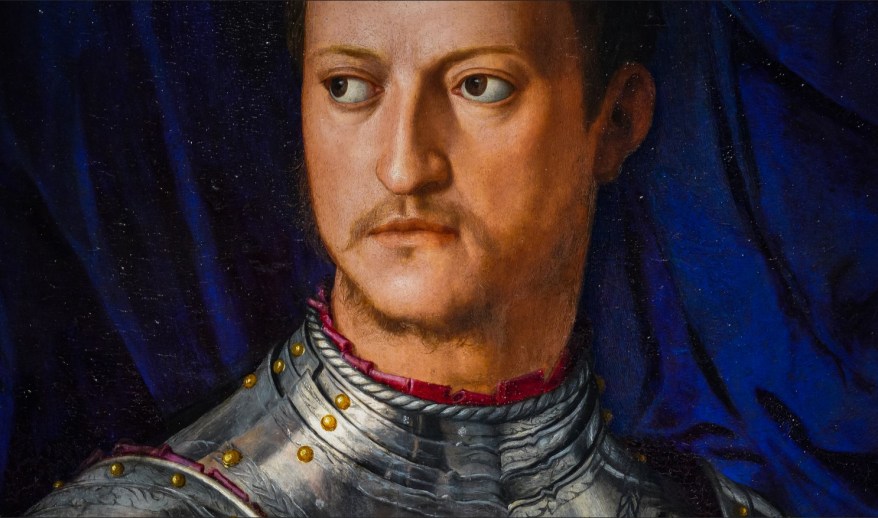
21 aprile 1574: muore Cosimo I de’ Medici, l’uomo che trasformò Firenze in una potenza europea
🇮🇹Il 21 aprile 1574, nella Villa di Castello, moriva a 54 anni Cosimo I de’ Medici, il primo granduca di Toscana, capace di cambiare per sempre il destino politico e culturale di Firenze… 🇬🇧On April 21, 1574, at the Villa di Castello, Cosimo I de’ Medici, the first Grand Duke of Tuscany, died at the…
-
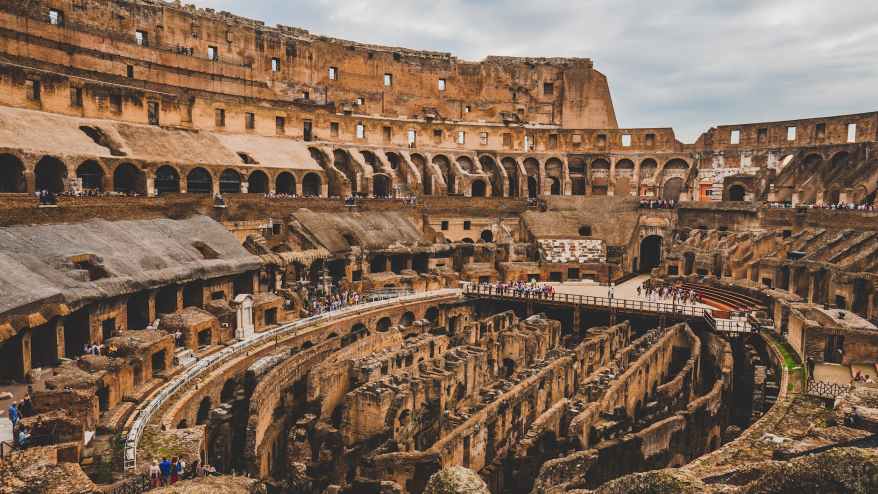
21 aprile, Natale di Roma: il fenomeno del Pantheon che illumina la nascita dell’Impero
🇮🇹Il 21 aprile segna, secondo la tradizione, la fondazione della città eterna: il Natale di Roma. A stabilire questa data fu Marco Terenzio Varrone, che nel I secolo a.C. indicò il 753 a.C. come anno di nascita dell’Urbe… 🇬🇧April 21st marks, according to tradition, the founding of the Eternal City: the Birth of Rome. This…
Condividi:


Questo sono io





sostienici

Sostienici – Support Us
Se questo blog ti piace e ti appassiona, puoi aiutarci a farlo crescere sempre più sostenendoci in modo concreto condividendo i post, seguendo le pagine social e con un contributo che ci aiuta ad andare avanti con il nostro lavoro di divulgazione. . ENGLISH: If you like and are passionate about this blog, you can help us make it grow more and more by supporting us in a concrete way by sharing posts, following social pages and with a contribution that helps us to move forward with our dissemination work.
€10,00


Come sempre questo sito si fa molto apprezzare sia per originalita’ dei soggetti proposti che per il commento snello nella forma ma puntuale e completo .
"Mi piace"Piace a 1 persona
grazie di cuore
"Mi piace""Mi piace"