

La Scultura del giorno: l’Ares Ludovisi con le integrazioni del Bernini
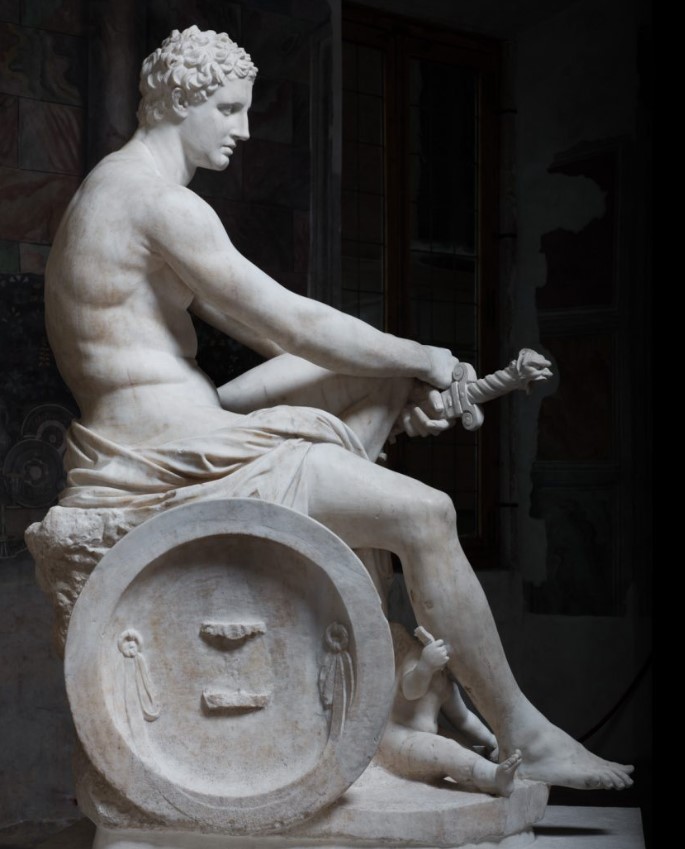
La scultura del giorno che vi propongo oggi è l’Ares Ludovisi, una copia in marmo del II secolo d.C di un originale greco risalente al IV secolo a. C, attribuibile a Lisippo oppure a Skopas.
Ares è il dio greco che in epoca romana divenne Marte. Lo scultore diede forma a un giovane privo di barba e seduto sulle armi appena deposte. Eros che gioca ai suoi piedi sta a significare che il dio della guerra, nei momenti di riposo, è avvicinato dall’amore.

Wincklemann, occupandosi anni or sono della collezione Ludovisi, affermò che l’Ares in questione fosse la migliore raffigurazione di Marte dell’antichità.
La preziosa scultura fu rinvenuta nel 1622 vicino alla chiesa di San Salvatore in Campo. Non è da escludere in origine appartenesse al Tempio di Marte del quale non rimangono che esigue tracce e che era stato eretto nella parte più a Sud del Campo Marzio.

L’opera entrò a far parte della collezione di antichità del facoltoso cardinale Ludovico Ludovisi, niente meno che nipote di papa Gregorio XV, al secolo Alessandro Ludovisi.
La scultura venne poi fatta restaurare a Gian Lorenzo Bernini, all’epoca giovanissimo. Si occupò in primis di rifinire la superficie e poi realizzò l’intero piede destro.

Nel 1901 l’erede di quella preziosissima collezione, il principe Boncompagni Ludovisi, la mise all’asta.
Lo Stato italiano acquistò 96 opere fra le quali l’Ares Ludovisi, oggi ubicato presso Palazzo Altemps che è sede del Museo Nazionale Romano mentre tutte gli altri pezzi d’arte finirono in musei europei e statunitensi.
Per il momento il vostro michelangelo Buonarroti vi saluta dandovi appuntamento ai prossimi post e sui social.
Sculpture of the day: the ancient Ares Ludovisi with Bernini’s additions
The sculpture of the day that I propose to you today is the Ares Ludovisi, a marble copy from the 2nd century AD of a Greek original dating back to the 4th century BC. C, attributable to Lysippus or Skopas.
Ares is the Greek god who became Mars in Roman times. The sculptor gave shape to a young man without a beard and sitting on his newly placed weapons. Eros playing at his feet means that the god of war, in moments of rest, is approached by love.
Wincklemann, dealing with the Ludovisi collection years ago, stated that the Ares in question was the best depiction of Mars in antiquity.
The precious sculpture was found in 1622 near the church of San Salvatore in Campo. It cannot be ruled out that it originally belonged to the Temple of Mars of which only scant traces remain and which was built in the southernmost part of the Campus Martius.
The work became part of the antiquities collection of the wealthy Cardinal Ludovico Ludovisi, none other than nephew of Pope Gregory XV, born Alessandro Ludovisi.
The sculpture was then restored by Gian Lorenzo Bernini, who was very young at the time. He first took care of finishing the surface and then created the entire right foot.
In 1901 the heir of that precious collection, Prince Boncompagni Ludovisi, put it up for auction. The Italian State purchased 96 works including the Ares Ludovisi, now located in Palazzo Altemps which is home to the National Roman Museum, while all the other art pieces ended up in European and American museums.
For the moment, your Michelangelo Buonarroti greets you and will meet you in future posts and on social media.

Sostienici – Support Us
Se questo blog ti piace e ti appassiona, puoi aiutarci a farlo crescere sempre più sostenendoci in modo concreto condividendo i post, seguendo le pagine social e con un contributo che ci aiuta ad andare avanti con il nostro lavoro di divulgazione. . ENGLISH: If you like and are passionate about this blog, you can help us make it grow more and more by supporting us in a concrete way by sharing posts, following social pages and with a contribution that helps us to move forward with our dissemination work.
8,00 €
-
Sotto un cielo di glicine: la magia di Villa Bardini
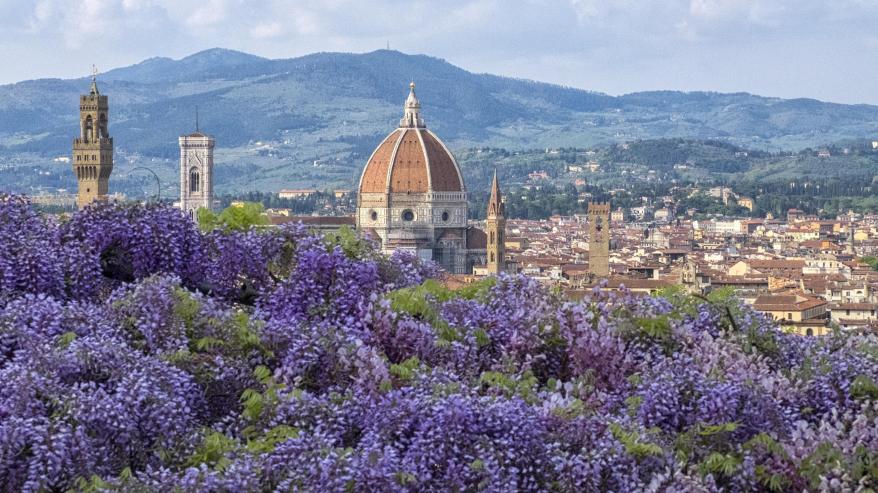
🇮🇹Per pochi giorni all’anno, il pergolato di Villa Bardini si trasforma in un tunnel lilla lungo 70 metri, dove profumo e bellezza si intrecciano sopra una delle viste più romantiche di Firenze… 🇬🇧For a few days a year, the pergola of Villa Bardini transforms into a 70-meter-long lilac tunnel, where scent and beauty intertwine above…
-
Come se la giustizia negata in vita possa compiersi altrove
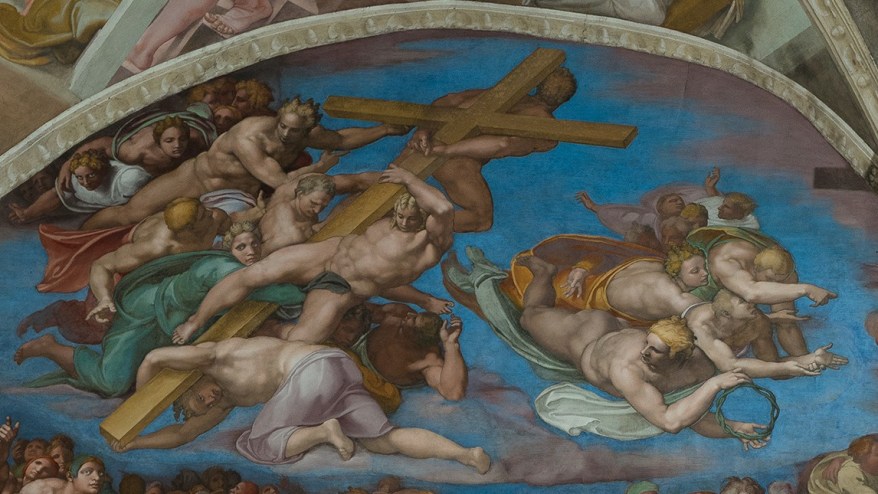
🇮🇹Se davvero l’anima, una volta sciolta dal corpo, ritorna sulla terra per vivere ancora, così mi domando, quale sorte attende chi oggi appare tanto bella ai miei occhi, ma così crudele nel cuore? 🇬🇧If the soul, once freed from the body, truly returns to earth to live again, I ask myself, what fate awaits the…
-
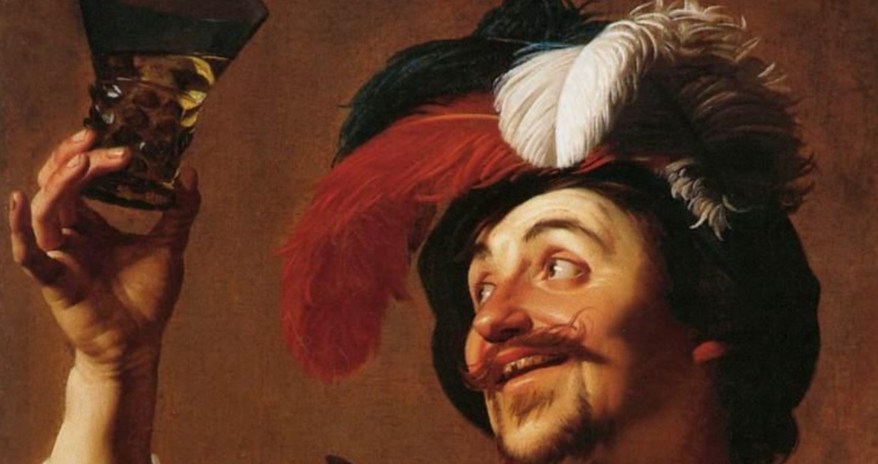
Quel sorriso del violinista felice di Gerrit van Honthorst
🇮🇹Un brindisi, un sorriso, una luce che taglia il buio. Conoscete il dipinto del violinista felice con un bicchiere di vino (1624) di Gerrit van Honthorst?… 🇬🇧A toast, a smile, a light that cuts through the darkness. Are you familiar with the painting of the Happy Violinist with a Glass of Wine (1624) by Gerrit…
Condividi:


Questo sono io





sostienici

Sostienici – Support Us
Se questo blog ti piace e ti appassiona, puoi aiutarci a farlo crescere sempre più sostenendoci in modo concreto condividendo i post, seguendo le pagine social e con un contributo che ci aiuta ad andare avanti con il nostro lavoro di divulgazione. . ENGLISH: If you like and are passionate about this blog, you can help us make it grow more and more by supporting us in a concrete way by sharing posts, following social pages and with a contribution that helps us to move forward with our dissemination work.
€10,00


