

La scultura del giorno: la Bella Addormentata di Stracké
La scultura del giorno che vi propongo oggi è la Bella Addormentata di Frans Stracké, scolpita dall’artista tedesco-olandese nel 1867 e oggi custodita nel Rijksmuseum.
Lo scultore si mise al lavoro per dar forma a una ragazza seduta e addormentata, con la testa appoggiata mollemente sulla mano sinistra che a sua volta fa perno sullo schienale della sedia.
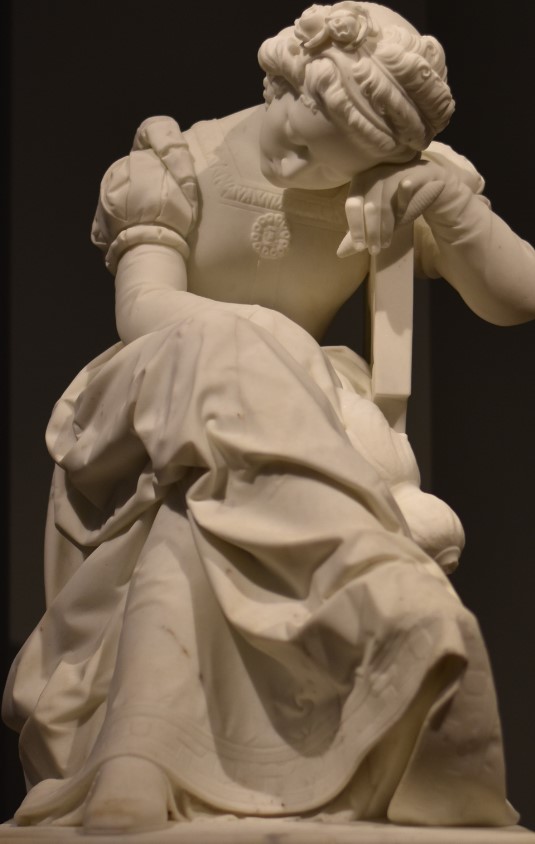
La ragazza è seduta con le gambe accavallate e coperte dalla lunga gonna e stringe con le mani un fuso e un rocchetto. Ha i capelli trattenuti da una ghirlanda di rose e, se guardate bene, noterete la presenza di una colomba rannicchiata vicino alla sedia.
La giovane è la Bella Addormentata che dopo essersi punta con il fuso stregato si addormentò in un sonno profondo che sarebbe durato cento anni se nessuno l’avesse risvegliata.
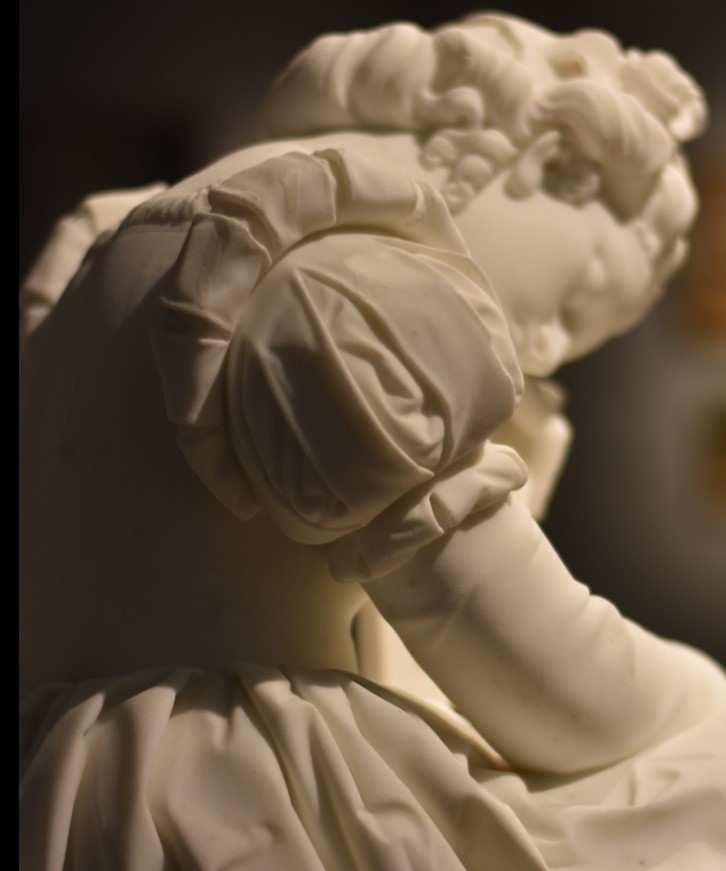
Frans Stracké scolpì per la giovane un abito storico particolarmente dettagliato, formato da un corpetto corto con scollo squadrato con appuntata sul petto una spilla gioiello. Le maniche a sbuffo e la gonna completano l’abito.
Sono pochi gli scultori olandesi che si dedicarono a scolpire soggetti romantici nell’Ottocento e Stracké fece eccezione.

Lo scultore Franciscus Xaverius Stracké nacque nel 1820 a Dorsten, in Germania nel 1820 ed era figlio d’arte: anche suo padre Ignatius Stracké era sia pittore che scultore. La famiglia si trasferì ad Arnhem, in Olanda, quando Franz aveva ventidue anni. Franz si stabilì ad Amsterdam stabilmente nel 1869 e divenne professore all’Accademia di Amsterdam l’anno successivo.
Stracke realizzò imponenti e grandiosi memoriali ma la sua produzione artistica non si fermò lì. Scolpì infatti anche opere intime come Le Due madri.
Per il momento il vostro Michelangelo Buonarroti vi saluta dandovi appuntamento ai prossimi post e sui social.

Sculpture of the day: Sleeping Beauty by Stracké
The sculpture of the day that I propose to you today is the Sleeping Beauty by Frans Stracké, sculpted by the German-Dutch artist in 1867 and today kept in the Rijksmuseum.
The sculptor set to work to give shape to a girl sitting and sleeping, with her head resting limply on her left hand which in turn pivots on the back of the chair.
The girl is sitting with her legs crossed and covered by the long skirt and she is holding a spindle and a spool in her hands. Her hair is held back by a garland of roses and, if you look carefully, you will notice the presence of a dove curled up near the chair.
The young woman is Sleeping Beauty who, after being pricked with the bewitched spindle, fell asleep in a deep sleep that would have lasted a hundred years if no one had awakened her.
Frans Stracké sculpted a particularly detailed historical dress for the young woman, consisting of a short bodice with a square neckline with a jeweled brooch pinned on the chest. The puffed sleeves and her skirt complete the dress.
There are few Dutch sculptors who dedicated themselves to sculpting romantic subjects in the nineteenth century and Stracké was an exception.
The sculptor Franciscus Xaverius Stracké was born in 1820 in Dorsten, Germany in 1820 and was the son of an artist: his father Ignatius Stracké was also both a painter and a sculptor. The family moved to Arnhem, Holland, when Franz was twenty-two. Franz settled in Amsterdam permanently in 1869 and became a professor at the Amsterdam Academy the following year.
Stracke created imposing and grandiose memorials but his artistic production did not stop there. In fact, he also sculpted intimate works such as The Two Mothers.
For the moment, your Michelangelo Buonarroti greets you and will meet you in future posts and on social media.

Sostienici – Support Us
Se questo blog ti piace e ti appassiona, puoi aiutarci a farlo crescere sempre più sostenendoci in modo concreto condividendo i post, seguendo le pagine social e con un contributo che ci aiuta ad andare avanti con il nostro lavoro di divulgazione. . ENGLISH: If you like and are passionate about this blog, you can help us make it grow more and more by supporting us in a concrete way by sharing posts, following social pages and with a contribution that helps us to move forward with our dissemination work.
8,00 €
-
31 marzo 1889: inaugurata la Torre Eiffel tra critiche feroci e un destino inaspettato
🇮🇹Il 31 marzo 1889 segna una data destinata a cambiare per sempre il volto di Parigi e dell’immaginario collettivo globale: viene inaugurata la Torre Eiffel, l’opera più audace e discussa del suo tempo… 🇬🇧March 31, 1889 marks a date destined to change the face of Paris and the global collective imagination forever: the Eiffel Tower,…
-
Sodoma in mostra a Torino: il Rinascimento al Museo Accorsi-Ometto
🇮🇹Al Museo di Arti Decorative Accorsi-Ometto arriva una mostra dedicata al Sodoma: oltre 50 opere, alcune mai viste prima, raccontano la formazione dell’artista e il suo dialogo con maestri come Pinturicchio… 🇬🇧An exhibition dedicated to Sodoma arrives at the Accorsi-Ometto Museum of Decorative Arts: over 50 works, some never before seen, recount the artist’s development…
-
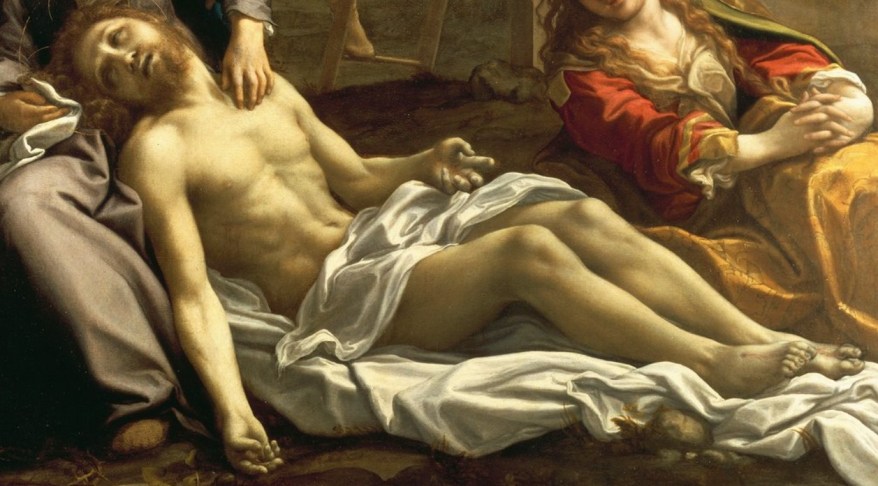
Il Compianto sul Cristo morto di Correggio: pathos e devozione
🇮🇹Con l’inizio della Settimana Santa, vi propongo il Compianto sul Cristo morto di Antonio Allegri, più noto come il Correggio: uno dei vertici assoluti della pittura emiliana del Cinquecento… 🇬🇧With the beginning of Holy Week, I propose the Lamentation over the Dead Christ by Antonio Allegri, better known as Correggio: one of the absolute peaks…
Condividi:


Questo sono io





sostienici

Sostienici – Support Us
Se questo blog ti piace e ti appassiona, puoi aiutarci a farlo crescere sempre più sostenendoci in modo concreto condividendo i post, seguendo le pagine social e con un contributo che ci aiuta ad andare avanti con il nostro lavoro di divulgazione. . ENGLISH: If you like and are passionate about this blog, you can help us make it grow more and more by supporting us in a concrete way by sharing posts, following social pages and with a contribution that helps us to move forward with our dissemination work.
€10,00


1 commento »