
Il dipinto che mi vede assieme a Francesco I de’ Medici: una forzatura
Entrando nella Galleria di Casa Buonarroti vi ritroverete dinnanzi a una serie di dipinti che raccontano per immagini alcuni momenti salienti della mia esistenza.
In una di queste tele Cosimo Gamberucci dipinse fra il 1615 e il 1617 il momento in cui a Roma incontrai Francesco de’ Medici.
Accadde nel 1561, quando io avevo ormai 86 anni e Francesco I era poco più che ventenne.

Gamberucci dipinse il granduca in posizione stante ma, se guardate bene, è evidente che mi abbia appena ceduto la sedia dove fino al momento era assiso. Un atto di cortesia verso un povero vecchio ma anche un grande riconoscimento in termini di stima profonda.
Mentre discorriamo fra di noi in una preziosa loggia delimitata da una balaustra, sullo sfondo si intravedono architetture all’antica. Questo dipinto ribadisce la stima che la famiglia Medici aveva per me ma a dirla tutta pare una forzatura bell’e buona e vi spiego perchè.
Dei Medici stimai solo Lorenzo il Magnifico: i successori non furono alla sua altezza. Non è un segreto e come sapete ci fu un tempo in cui dovetti pure nascondermi da loro per evitare di essere travolto dalle vendette in corso dopo che riconquistarono la città per un breve periodo divenuta repubblicana.

Il mio pronipote Michelangelo Buonarroti il Giovane, committente del dipinto, era molto amico con il granduca Cosimo II de’ Medici e con quest’opera voleva mostrare il legame che univa la nostra famiglia a quella dei Medici, legame che quando ero ancora in vita non fu così idilliaco. Mi commissionarono numerose opere ma ciò non gli fece conquistare la mia stima.
La stima è una cosa preziosa, non avrei potuto farne dono a despoti di quel calibro.
Per il momento il vostro Michelangelo Buonarroti vi saluta dandovi appuntamento ai prossimi post e sui social.
The painting that sees me together with Francesco I de’ Medici: a stretch
Entering the Gallery of Casa Buonarroti you will find yourself in front of a series of paintings that tell in images some salient moments of my existence.
In one of these canvases Cosimo Gamberucci painted between 1615 and 1617 the moment in which I met Francesco de’ Medici in Rome. It happened in 1561, when I was now 86 years old and Francis I was in his early twenties.
Gamberucci painted the Grand Duke in a standing position but, if you look carefully, it is clear that he has just given me the chair where he had been sitting until now. An act of courtesy towards a poor old man but also a great recognition in terms of profound respect.
While we talk to each other in a precious loggia delimited by a balustrade, old-fashioned architecture can be glimpsed in the background. This painting reaffirms the esteem that the Medici family had for me but to be honest it seems like a complete stretch and I’ll explain why.
Of the Medici, I held only Lorenzo the Magnificent in esteem: his successors were not equal to him. It’s not a secret and as you know there was a time when I even had to hide from them to avoid being overwhelmed by the ongoing revenge after they reconquered the city which had become republican for a short period.
My great-grandson Michelangelo Buonarroti the Younger, who commissioned the painting, was a very good friend of Grand Duke Cosimo II de’ Medici and with this work he wanted to show the bond that united our family to that of the Medici, a bond that did not exist when I was still alive. cu so idyllic. They commissioned numerous works from me but this did not win my respect.
Respect is a precious thing, I couldn’t have given it to despots of that caliber.
For the moment, your Michelangelo Buonarroti greets you and will meet you in future posts and on social media.

Sostienici – Support Us
Se questo blog ti piace e ti appassiona, puoi aiutarci a farlo crescere sempre più sostenendoci in modo concreto condividendo i post, seguendo le pagine social e con un contributo che ci aiuta ad andare avanti con il nostro lavoro di divulgazione. . ENGLISH: If you like and are passionate about this blog, you can help us make it grow more and more by supporting us in a concrete way by sharing posts, following social pages and with a contribution that helps us to move forward with our dissemination work.
8,00 €
-
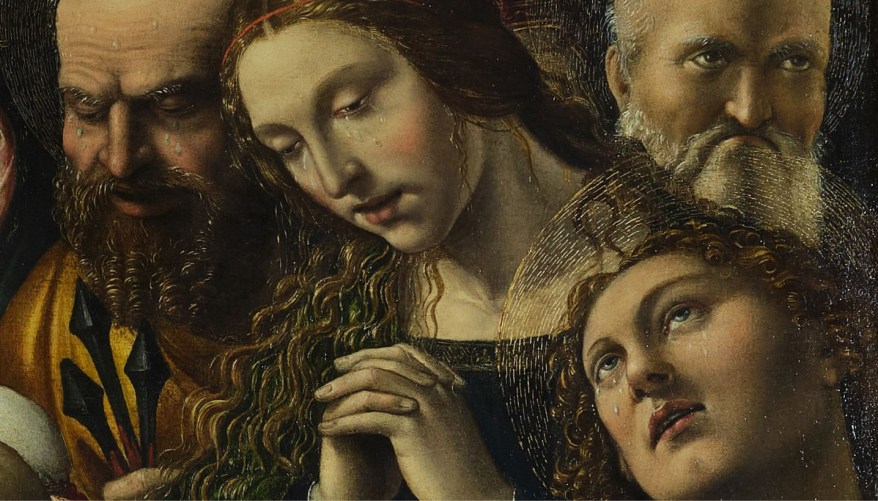
Sodoma in mostra a Torino: il Rinascimento al Museo Accorsi-Ometto
🇮🇹Al Museo di Arti Decorative Accorsi-Ometto arriva una mostra dedicata al Sodoma: oltre 50 opere, alcune mai viste prima, raccontano la formazione dell’artista e il suo dialogo con maestri come Pinturicchio… 🇬🇧An exhibition dedicated to Sodoma arrives at the Accorsi-Ometto Museum of Decorative Arts: over 50 works, some never before seen, recount the artist’s development…
-
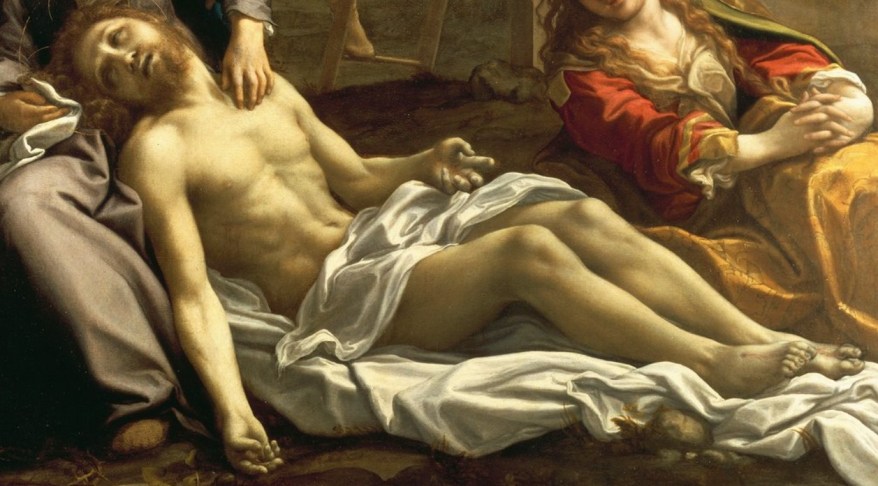
Il Compianto sul Cristo morto di Correggio: pathos e devozione
🇮🇹Con l’inizio della Settimana Santa, vi propongo il Compianto sul Cristo morto di Antonio Allegri, più noto come il Correggio: uno dei vertici assoluti della pittura emiliana del Cinquecento… 🇬🇧With the beginning of Holy Week, I propose the Lamentation over the Dead Christ by Antonio Allegri, better known as Correggio: one of the absolute peaks…
-
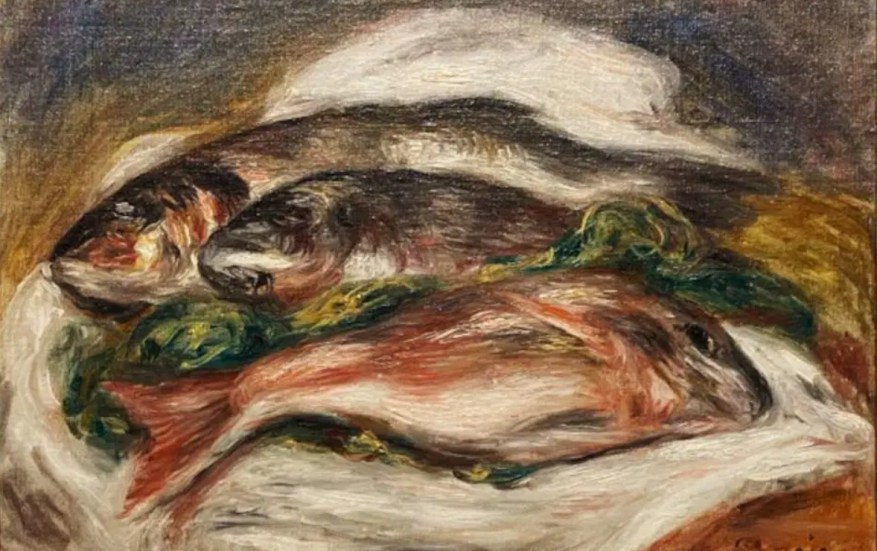
Furto milionario alla Magnani Rocca: rubati Renoir, Cézanne e Matisse
🇮🇹‼Tre capolavori storici spariti in meno di tre minuti: Les Poissons di Renoir, Tasse et plat de cerises di Cézanne e Odalisque sur la terrasse di Matisse sono stati rubati nella dalla Fondazione Magnani Rocca a Mamiano di Traversetolo, nel Parmense… 🇬🇧‼Three historic masterpieces disappeared in less than three minutes: Renoir’s Les Poissons, Cézanne’s Tasse…
Condividi:


Questo sono io





sostienici

Sostienici – Support Us
Se questo blog ti piace e ti appassiona, puoi aiutarci a farlo crescere sempre più sostenendoci in modo concreto condividendo i post, seguendo le pagine social e con un contributo che ci aiuta ad andare avanti con il nostro lavoro di divulgazione. . ENGLISH: If you like and are passionate about this blog, you can help us make it grow more and more by supporting us in a concrete way by sharing posts, following social pages and with a contribution that helps us to move forward with our dissemination work.
€10,00


