

Un’umanità nomade nella volta della Sistina
Nelle lunette e nelle vele della Cappella Sistina, afrescai un’umanità nomade, spossata da quel continuo andare nella ricerca di terre migliori per vivere.
Le quaranta generazioni che hanno preceduto la venuta di Cristo sono uno spaccato di società più remota ma che mettono in luce gli stessi atteggiamenti, le medesime emozioni e perfilo le solite necessità di quella di oggi.
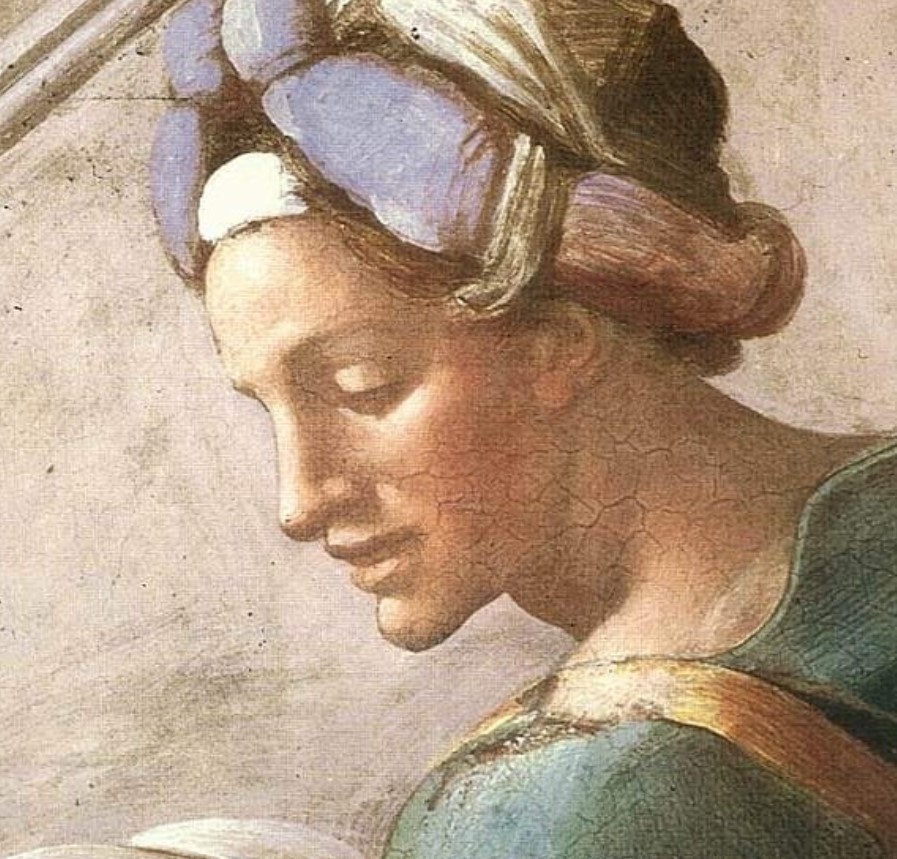
Come ebbe modo di osservare e poi scrivere diversi decenni fa Charles de Tolnay, quei volti appaiono senza speranza.
Non c’è alcuna espressione di letizia fra tutti quei personaggi biblici che affrescai nelle vele e nelle lunette, quasi come se la malinconia serpeggiasse sotto traccia sempre.
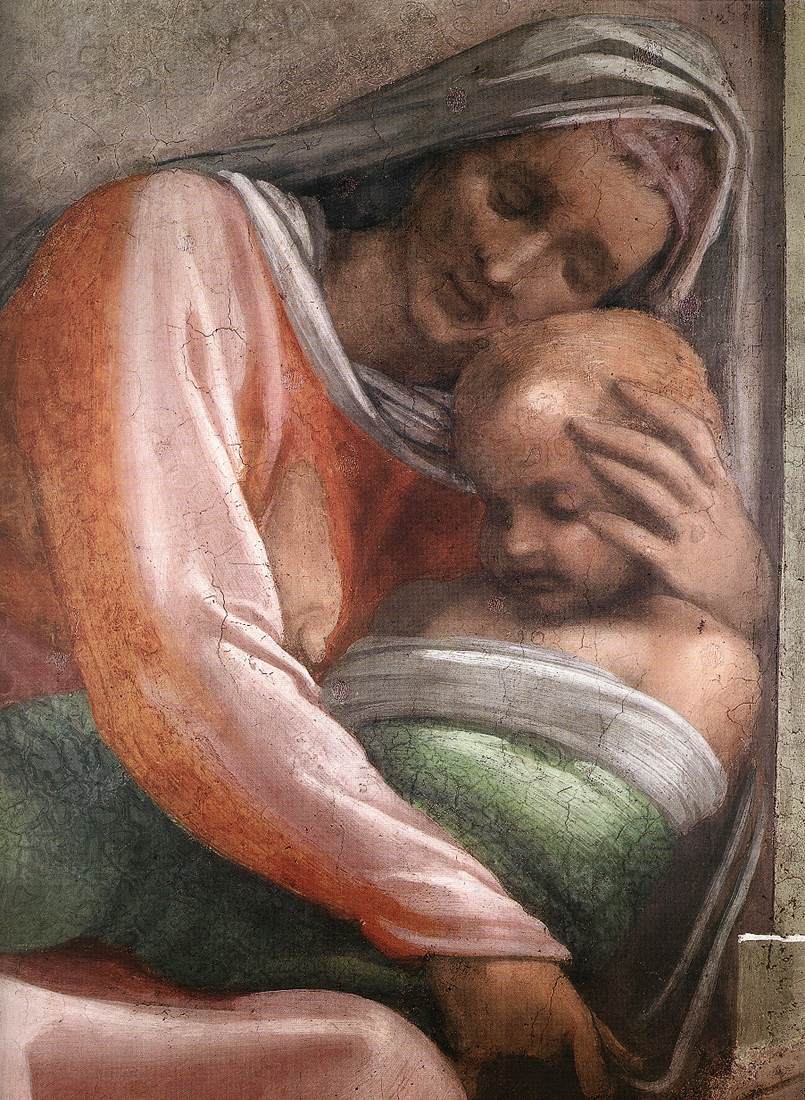
“Negli spazi angusti dei triangoli Michelangelo rappresenta la vita familiare di un’umanità nomade. Tutti sembrano oppressi da una grande stanchezza; le loro anime sono in preda all’angoscia eterna di chi è condannato a peregrinazioni continue, quasi fosse perseguitato.
Nelle lunette dove è rappresentata la vita casalinga delle famiglie, Michelangelo mostra le antinomie del vivere familiare, il contrasto delle età, delle apparenze fisiche, delle posizioni sociali e delle qualità morali tra l’uomo e la donna.

Siamo di fronte all’eterno divenire, un mondo fuggevole, senza ricordi, senza storia, senza speranza e senza scopo.“
Per il momento il vostro Michelangelo Buonarroti vi saluta dandovi appuntamento ai prossimi post e sui social.
A nomadic humanity in the vault of the Sistine Chapel
In the lunettes and vaults of the Sistine Chapel, I frescoed a nomadic humanity, exhausted by that continuous search for better lands to live.
The forty generations that preceded the coming of Christ are a cross-section of more remote societies but which highlight the same attitudes, the same emotions and even the usual needs of today’s.
As Charles de Tolnay observed and then wrote several decades ago, those faces appear hopeless. There is no expression of joy among all those biblical characters that I frescoed in the sails and lunettes, almost as if melancholy was always creeping beneath the surface.
“In the narrow spaces of the triangles Michelangelo represents the family life of a nomadic humanity. Everyone seems oppressed by great tiredness; their souls are prey to the eternal anguish of those condemned to continuous wanderings, as if they were persecuted.
In the lunettes where the home life of families is represented, Michelangelo shows the antinomies of family life, the contrast of ages, physical appearances, social positions and moral qualities between men and women.
We are faced with eternal becoming, a fleeting world, without memories, without history, without hope and without purpose.“
For the moment, your Michelangelo Buonarroti greets you and will meet you in future posts and on social media.

Sostienici – Support Us
Se questo blog ti piace e ti appassiona, puoi aiutarci a farlo crescere sempre più sostenendoci in modo concreto condividendo i post, seguendo le pagine social e con un contributo che ci aiuta ad andare avanti con il nostro lavoro di divulgazione. . ENGLISH: If you like and are passionate about this blog, you can help us make it grow more and more by supporting us in a concrete way by sharing posts, following social pages and with a contribution that helps us to move forward with our dissemination work.
8,00 €
-
Il Compianto sul Cristo morto di Correggio: pathos e devozione
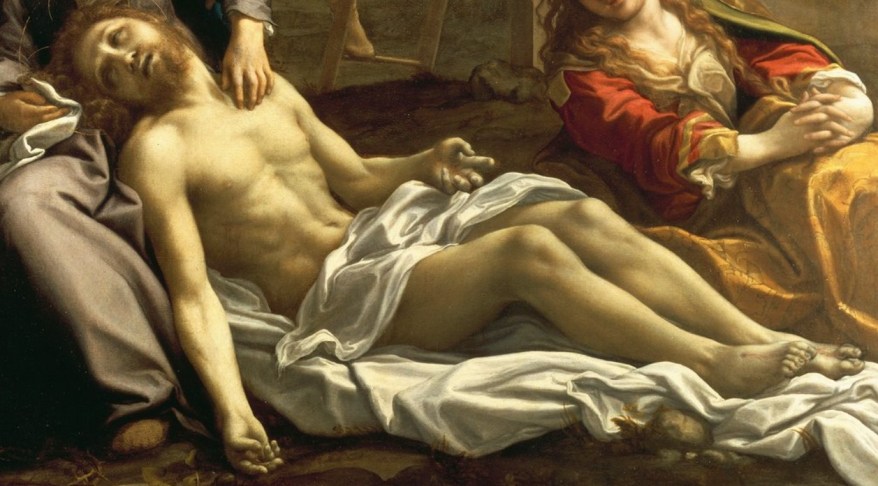
🇮🇹Con l’inizio della Settimana Santa, vi propongo il Compianto sul Cristo morto di Antonio Allegri, più noto come il Correggio: uno dei vertici assoluti della pittura emiliana del Cinquecento… 🇬🇧With the beginning of Holy Week, I propose the Lamentation over the Dead Christ by Antonio Allegri, better known as Correggio: one of the absolute peaks…
-
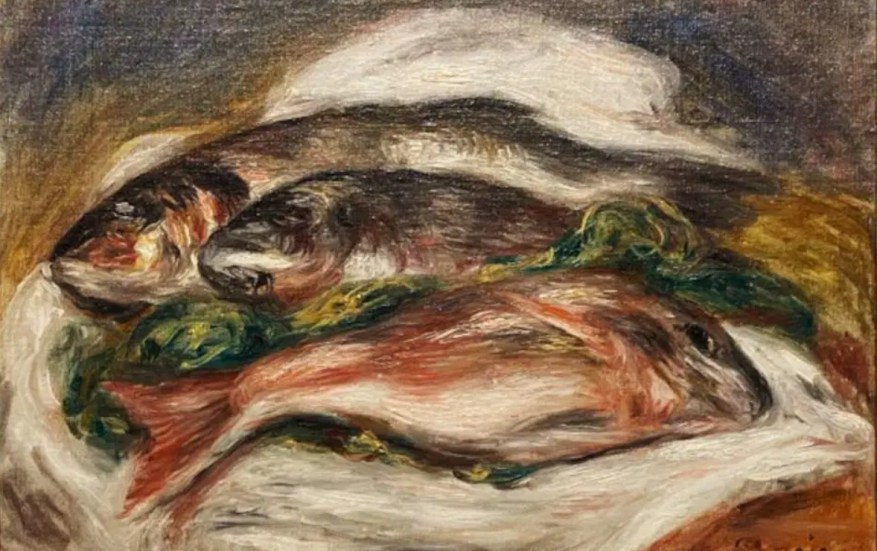
Furto milionario alla Magnani Rocca: rubati Renoir, Cézanne e Matisse
🇮🇹‼Tre capolavori storici spariti in meno di tre minuti: Les Poissons di Renoir, Tasse et plat de cerises di Cézanne e Odalisque sur la terrasse di Matisse sono stati rubati nella dalla Fondazione Magnani Rocca a Mamiano di Traversetolo, nel Parmense… 🇬🇧‼Three historic masterpieces disappeared in less than three minutes: Renoir’s Les Poissons, Cézanne’s Tasse…
-
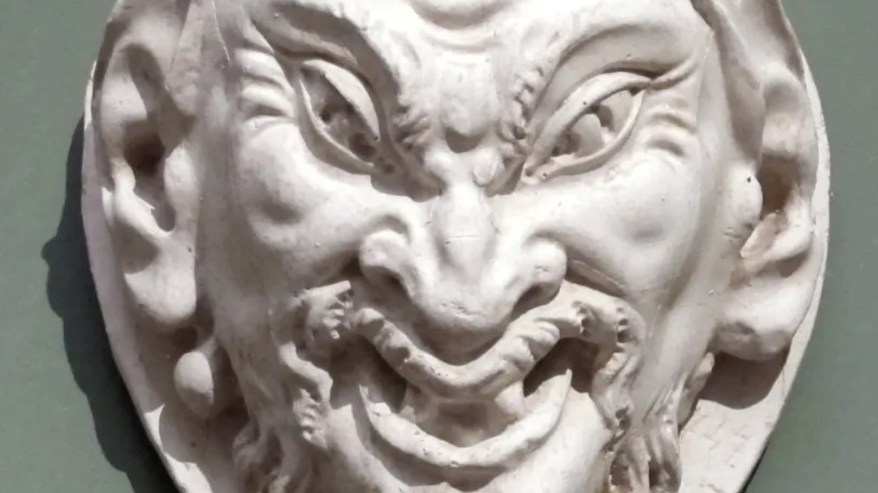
Fauno rubato: 15.000$ per ritrovarlo dopo 80 anni
🇮🇹Ero un ragazzino quando scolpii il Mascherone del Fauno sdentato. Oggi quel volto è perduto, rubato nella notte della guerra e da oltre 80 anni nessuno sa dove sia. Ora una ricompensa di 15.000$ riaccende la ricerca… 🇬🇧I was a boy when I sculpted the Toothless Faun Mask. Today that face is lost, stolen on…
Condividi:


Questo sono io





sostienici

Sostienici – Support Us
Se questo blog ti piace e ti appassiona, puoi aiutarci a farlo crescere sempre più sostenendoci in modo concreto condividendo i post, seguendo le pagine social e con un contributo che ci aiuta ad andare avanti con il nostro lavoro di divulgazione. . ENGLISH: If you like and are passionate about this blog, you can help us make it grow more and more by supporting us in a concrete way by sharing posts, following social pages and with a contribution that helps us to move forward with our dissemination work.
€10,00


