
9 ottobre 1469: muore a Spoleto Filippo Lippi
Il 9 ottobre del 1469 FIlippo Lippi morì a Spoleto e le sue spoglie furono tumulate nella cattedrale della città.
Fu il figlio Filippino Lippi che si occupò di progettare il sepolcro in marmo con il busto raffigurante il padre mentre il letterato Agnolo Poliziano compose per lui l’epitaffio.
Filippo di Tommaso Lippi, più noto come noto come Filippo Lippi, fu uno dei più influenti pittori del Quattrocento. Era nato a Firenze il 23 giugno del 1406 da una famiglia di umili origini.
All’età di otto anni fu costretto a entrare nel convento del Carmine insieme al fratello Giovanni, dove prese i voti come frate carmelitano nel 1421.
Non fu una scelta libera la sua di farsi frate ma dettata dalla miseria: era l’unico modo di farlo sopravvivere e magari pure studiare in un contesto di miseria meno nera rispetto all’ambiente in cui viveva.
L’influenza dei grandi maestri dell’epoca, come Masolino da Panicale, Masaccio, Donatello, Luca della Robbia e Brunelleschi, fu fondamentale per la formazione artistica di Lippi. Nel 1432, si trasferì a Padova, dove ebbe modo di entrare in contatto con la pittura fiamminga e il colore veneto.
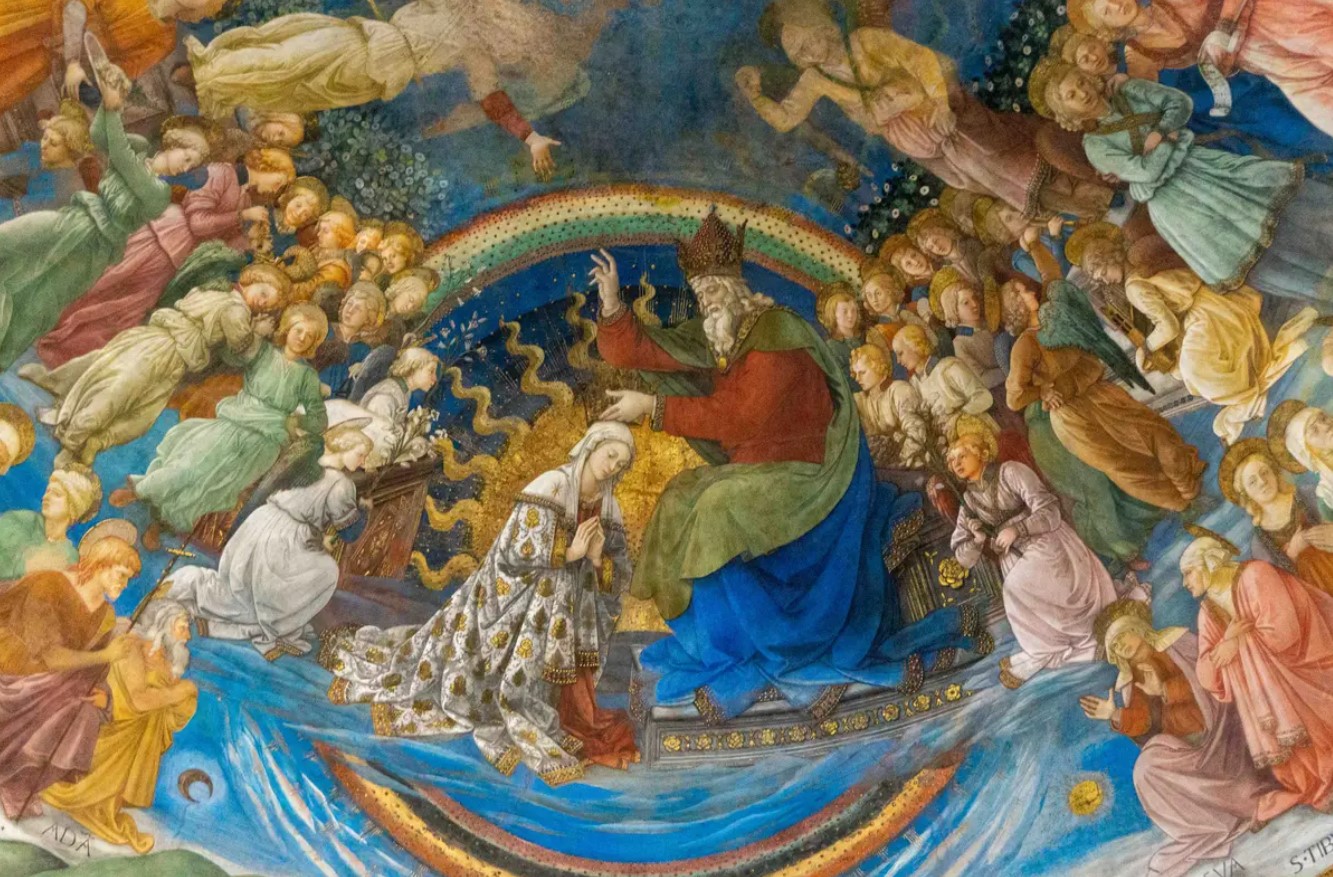
Tornato a Firenze nel 1437, Lippi aprì una propria bottega e dipinse diverse opere significative, tra cui la “Madonna di Tarquinia” e la “Pala Barbadori”. Le sue opere si caratterizzano per la componente lineare, le figure allungate e addolcite, mantenendo comunque una certa plasticità.
Nel 1456, Filippo Lippi che aveva all’epoca una cinquantina d’anni e rivestiva l’incarico di Cappellano presso il convento di Santa Margherita di Prato, era impegnato a realizzare la pala con La Madonna che dà la cintola a San Tommaso.
Per raffigurare Santa Margherita, chiese alla Badessa se potesse dipingere il volto di una suora. Scelse Lucrezia Buti, ventenne e con un viso angelico.
Entrambi costretti a prendere i voti in tenera età più per questioni economiche delle misere famiglie che avevano alle spalle che per credo religioso, si innamorarono. Filippo escogitò un finto rapimento durante una processione e portò nella sua casa di Prato Lucrezia.
La questione destò non poco scandalo ma grazie all’intervento di Cosimo il Vecchio che era particolarmente legato al pittore, papa Pio II gli diede la dispensa dai voti ecclesiastici concedendogli la possibilità di sposarsi per regolarizzare la loro situazione considerata scandalosa per la società dell’epoca.
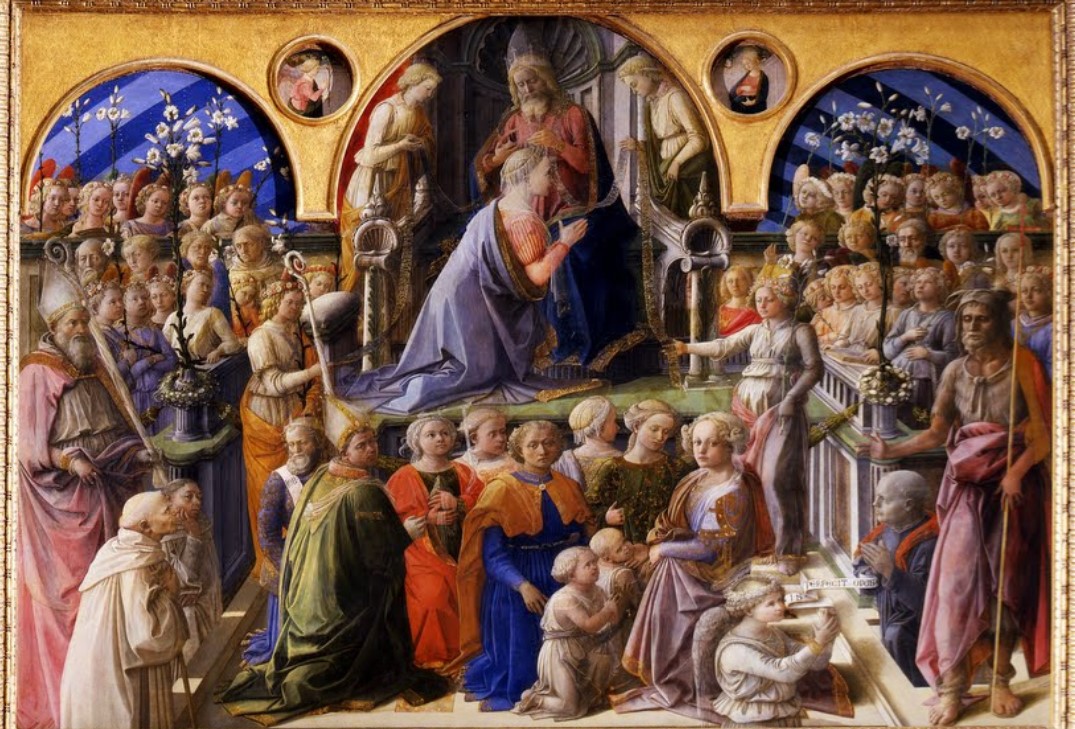
La coppia continuò a vivere assieme decidendo di non sposarsi.
Nel 1457 nacque il loro primo figlio Filippino seguito dalla secondo genita Alessandra. Filippino seguendo le orme del padre divenne un pittore particolarmente ambito dalle corti dell’epoca.
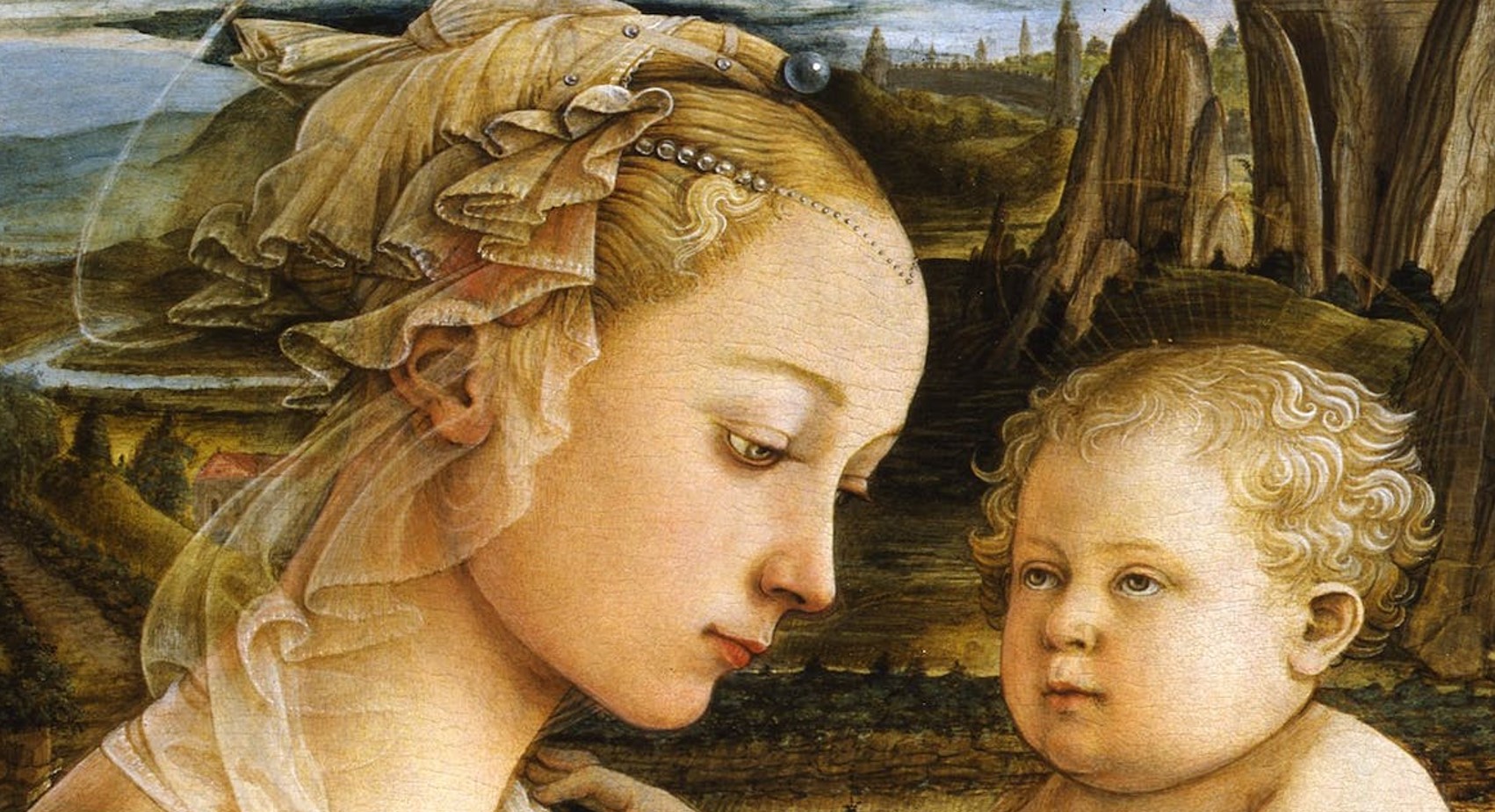
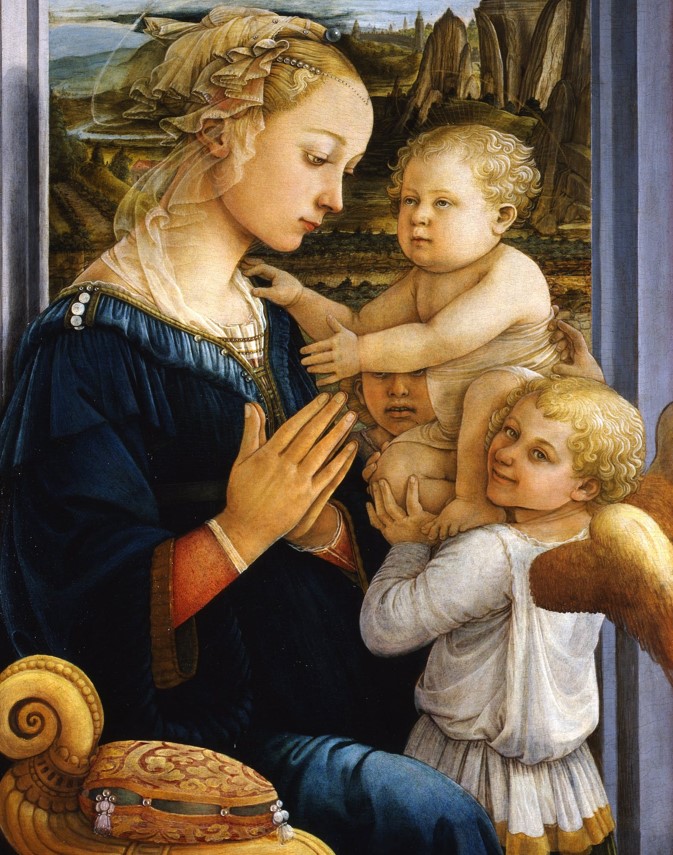
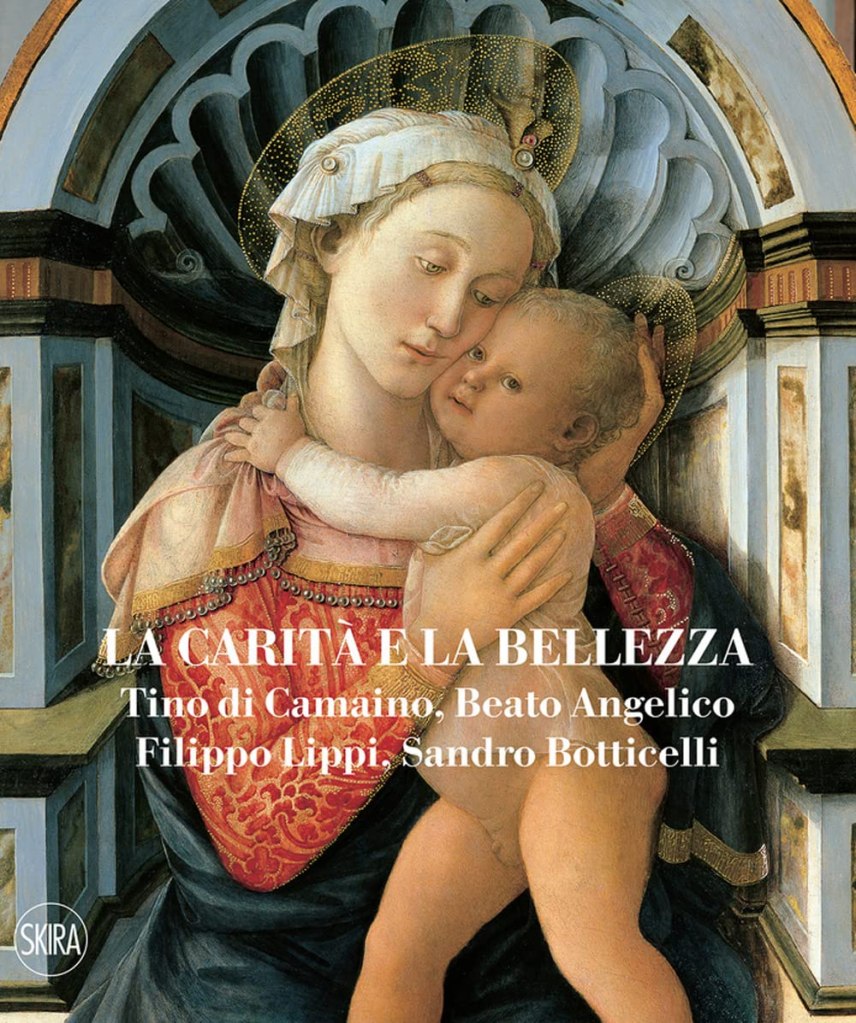
Lucrezia continuò ad essere la musa ispiratrice di Filippo Lippi per il resto della vita e l’opera più celebre che la ritrae è quella che da lungi è conservata nella Galleria degli Uffizi: la “Madonna col Bambino e Angeli”.
Per il momento il vostro Michelangelo Buonarroti vi saluta dandovi appuntamento ai prossimi post e sui social.
9 October 1469: Filippo Lippi dies in Spoleto
On 9 October 1469 Filippo Lippi died in Spoleto and his remains were buried in the city’s cathedral.
It was his son Filippino Lippi who was responsible for designing the marble tomb with the bust depicting his father while the scholar Agnolo Poliziano composed the epitaph for him.
Filippo di Tommaso Lippi, better known as Filippo Lippi, was one of the most influential painters of the fifteenth century. He was born in Florence on 23 June 1406, to a family of humble origins. At the age of eight he was forced to enter the Carmine convent together with his brother Giovanni, where he took his vows as a Carmelite friar in 1421.
It was not a free choice for him to become a friar but one dictated by poverty: it was the only way for him to survive and perhaps even study in a context of less black poverty than the environment in which he lived.
The influence of the great masters of the time, such as Masolino da Panicale, Masaccio, Donatello, Luca della Robbia and Brunelleschi, was fundamental for Lippi’s artistic training. In 1432, he moved to Padua, where he had the opportunity to come into contact with Flemish painting and Venetian colour.
Returning to Florence in 1437, Lippi opened his own workshop and painted several significant works, including the “Madonna di Tarquinia” and the “Barbadori Altarpiece”. His works are characterized by the linear component, the elongated and softened figures, while still maintaining a certain plasticity.
In 1456, Filippo Lippi who was around fifty years old at the time and held the position of Chaplain at the convent of Santa Margherita di Prato, was busy creating the altarpiece with the Madonna giving the girdle to Saint Thomas.
To depict Saint Margaret, he asked the Abbess if he could paint the face of a nun. He chose Lucrezia Buti, twenty years old and with an angelic face.
Both forced to take vows at an early age more for economic reasons of the poor families they had behind them than for religious belief, they fell in love. Filippo devised a fake kidnapping during a procession and took Lucrezia to his house in Prato.
The issue caused quite a scandal but thanks to the intervention of Cosimo the Elder who was particularly close to the painter, Pope Pius II gave him dispensation from ecclesiastical vows granting him the possibility of getting married to regularize their situation considered scandalous for the society of the time .
The couple continued to live together, deciding not to marry.
In 1457 their first son Filippino was born followed by the second daughter Alessandra. Following in his father’s footsteps, Filippino became a painter particularly coveted by the courts of the time.
Lucrezia continued to be Filippo Lippi’s muse for the rest of her life and her most famous work portraying her is the one which is kept far from her in the Uffizi Gallery: the “Madonna with Child and Angels” .
For the moment, your Michelangelo Buonarroti greets you and will meet you in future posts and on social media.

Sostienici – Support Us
Se questo blog ti piace e ti appassiona, puoi aiutarci a farlo crescere sempre più sostenendoci in modo concreto condividendo i post, seguendo le pagine social e con un contributo che ci aiuta ad andare avanti con il nostro lavoro di divulgazione. . ENGLISH: If you like and are passionate about this blog, you can help us make it grow more and more by supporting us in a concrete way by sharing posts, following social pages and with a contribution that helps us to move forward with our dissemination work.
10,00 €
-
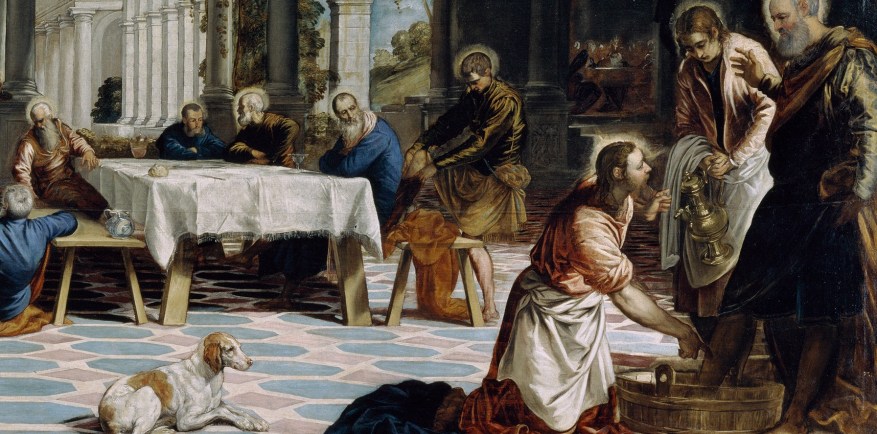
La Lavanda dei Piedi di Tintoretto: Il Capolavoro Veneziano al Prado
🇮🇹Tra i capolavori più affascinanti del Rinascimento veneziano, “La Lavanda dei Piedi” di Jacopo Tintoretto rappresenta un perfetto equilibrio tra spiritualità, innovazione compositiva e straordinaria forza narrativa… 🇬🇧Among the most fascinating masterpieces of the Venetian Renaissance, Jacopo Tintoretto’s “The Washing of the Feet” represents a perfect balance between spirituality, compositional innovation, and extraordinary narrative force…
-
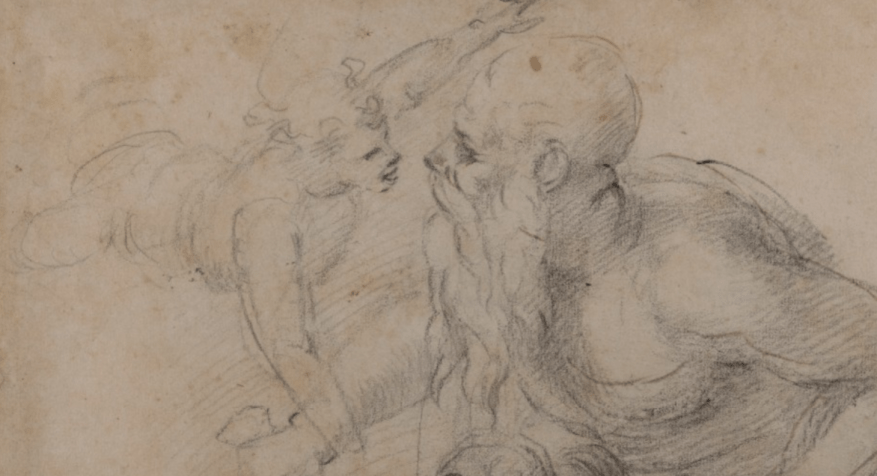
Il Sacrificio di Isacco e quel momento tra la vita e la morte
🇮🇹Oggi voglio raccontarvi alcuni dettagli sul mio disegno del Sacrificio di Isacco, conservato oggi a Casa Buonarroti. Su quel foglio volli tracciare il momento preciso in cui la paura fa spazio al miracolo… 🇬🇧Today I want to tell you some details about my drawing of the Sacrifice of Isaac, now preserved at Casa Buonarroti. On…
-
Mercoledì Santo: il giorno del tradimento di Giuda affrescato da Giotto
🇮🇹Il Mercoledì Santo è il giorno del silenzio, della riflessione e del tradimento. È il momento in cui Giuda sceglie di vendere Gesù per trenta denari, segnando uno dei passaggi più dolorosi della Settimana Santa…. 🇬🇧Holy Wednesday is a day of silence, reflection, and betrayal. ✝It is the moment when Judas chooses to sell Jesus…
Condividi:


Questo sono io





sostienici

Sostienici – Support Us
Se questo blog ti piace e ti appassiona, puoi aiutarci a farlo crescere sempre più sostenendoci in modo concreto condividendo i post, seguendo le pagine social e con un contributo che ci aiuta ad andare avanti con il nostro lavoro di divulgazione. . ENGLISH: If you like and are passionate about this blog, you can help us make it grow more and more by supporting us in a concrete way by sharing posts, following social pages and with a contribution that helps us to move forward with our dissemination work.
€10,00


