
L’uomo che risorge con fatica
Quello che vedete è lo studio di un uomo che sta risorgendo. A fatica solleva con il proprio corpo la lastra tombale e cerca di tornare alla luce nello stesso modo in cui si esce da una piscina. Fa forza sulle braccia spingendosi in avanti e al contempo verso l’alto.
Si tratta di uno dei disegni che tracciai mentre studiavo le differenti figure degli eletti che poi affrescai nella parte sinistra del Giudizio Universale.
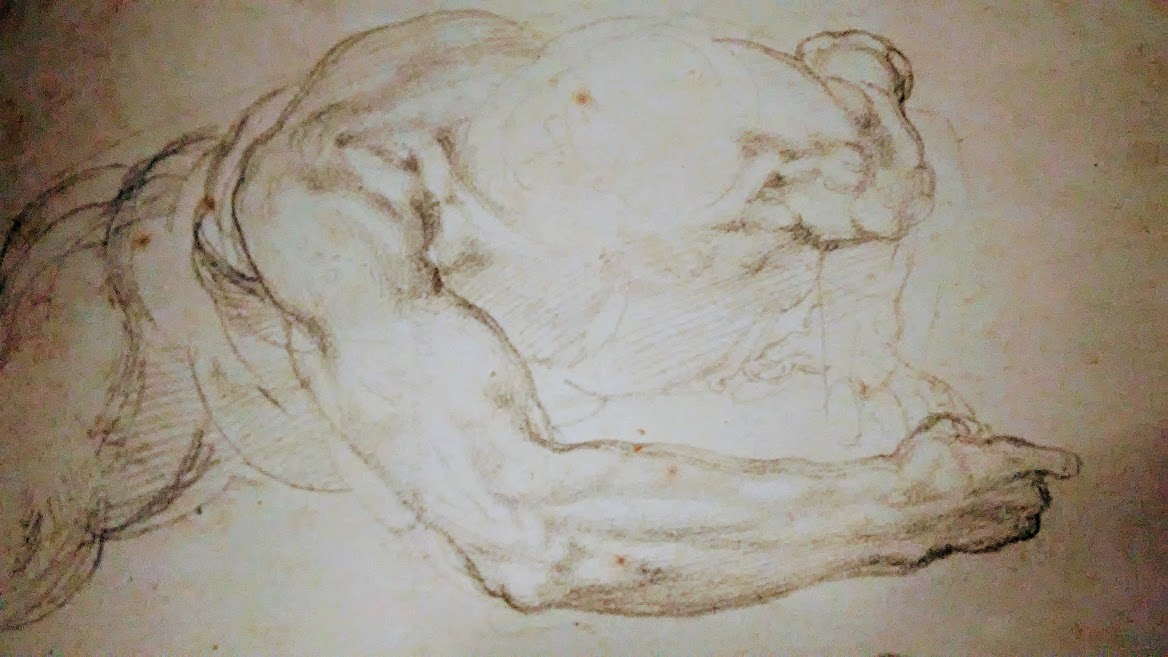
Lo studio è assai dettagliato: si notano addirittura i tendini contratti sottolineati con un sapiente gioco di chiaro scuro.
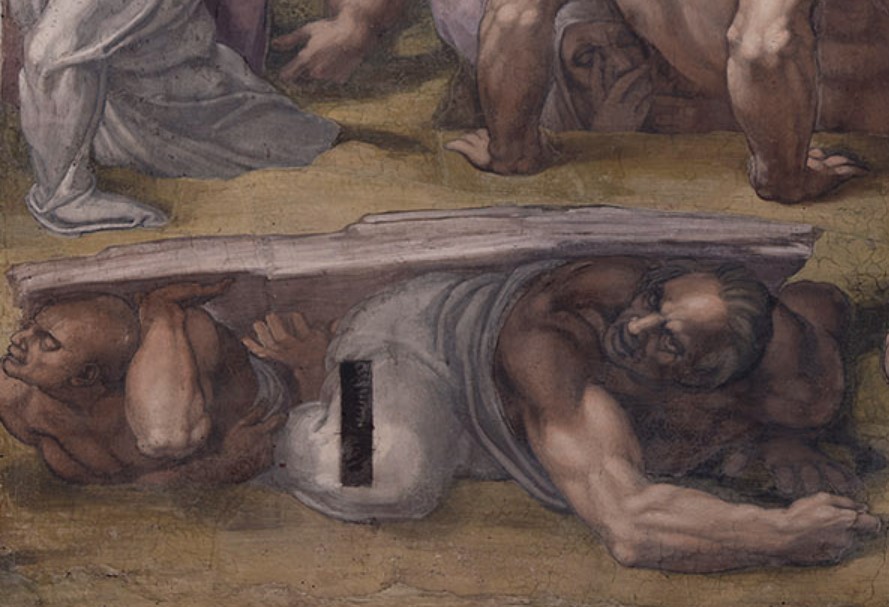
Dopotutto bastavano pochi tratti per definire la potenza e lo sforzo di un corpo mentre stava compiendo un’azione così impegnativa. Se volete ritrovare questa figura nel Giudizio Universale, vi basterà guardare nella porzione all’estrema sinistra, proprio nell’angolo inferiore.

Sulla gamba della trasposizione è possibile apprezzare una striscia scura verticale che interessa la gamba in primo piano. Ebbene, è una porzione di affresco non restaurata, lasciata a testimonianza di come fossero sporchi e oscurati i colori prima dell’ultimo restauro condotto da Colalucci e il suo team di professionisti.
Il disegno in questione appartiene alle prestigiose collezioni dell’Ashmolean Museum di Oxford, acquisiti mediante la cospicua vendita che un mio discendente fece al collezionista Wicar.
Per il momento il vostro Michelangelo Buonarroti vi saluta dandovi appuntamento ai prossimi post e sui social.
The man who rises again with difficulty
What you see is the study of a man who is resurrecting. With difficulty he lifts the tombstone with his body and tries to return to the light in the same way he gets out of a swimming pool. He forces himself on his arms, pushing himself forward and upwards at the same time.
This is one of the drawings that I drew while studying the different figures of the elect which I then frescoed on the left side of the Last Judgment.
The study is very detailed: you can even notice the contracted tendons highlighted with a clever play of light and dark.
After all, a few strokes were enough to define the power and effort of a body while it was carrying out such a demanding action. If you want to find this figure in the Last Judgment, just look at the far left portion, right in the lower corner.
On the leg of the transposition it is possible to appreciate a dark vertical stripe that affects the leg in the foreground. Well, it is an unrestored portion of the fresco, left as evidence of how dirty and darkened the colors were before the last restoration carried out by Colalucci and his team of professionals.
The drawing in question belongs to the prestigious collections of the Ashmolean Museum in Oxford, acquired through the substantial sale that one of my descendants made to the collector Wicar.
For the moment, your Michelangelo Buonarroti greets you and will meet you in future posts and on social media.

Sostienici – Support Us
Se questo blog ti piace e ti appassiona, puoi aiutarci a farlo crescere sempre più sostenendoci in modo concreto condividendo i post, seguendo le pagine social e con un contributo che ci aiuta ad andare avanti con il nostro lavoro di divulgazione. . ENGLISH: If you like and are passionate about this blog, you can help us make it grow more and more by supporting us in a concrete way by sharing posts, following social pages and with a contribution that helps us to move forward with our dissemination work.
8,00 €
-
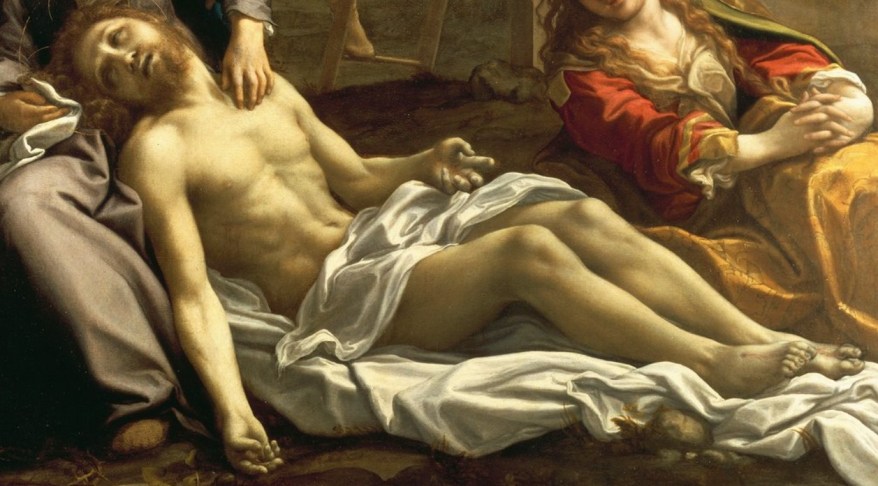
Il Compianto sul Cristo morto di Correggio: pathos e devozione
🇮🇹Con l’inizio della Settimana Santa, vi propongo il Compianto sul Cristo morto di Antonio Allegri, più noto come il Correggio: uno dei vertici assoluti della pittura emiliana del Cinquecento… 🇬🇧With the beginning of Holy Week, I propose the Lamentation over the Dead Christ by Antonio Allegri, better known as Correggio: one of the absolute peaks…
-
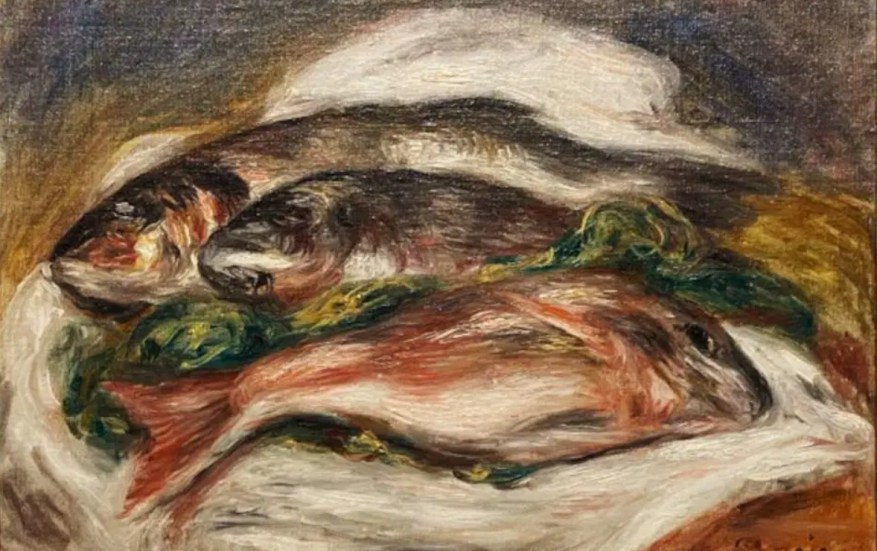
Furto milionario alla Magnani Rocca: rubati Renoir, Cézanne e Matisse
🇮🇹‼Tre capolavori storici spariti in meno di tre minuti: Les Poissons di Renoir, Tasse et plat de cerises di Cézanne e Odalisque sur la terrasse di Matisse sono stati rubati nella dalla Fondazione Magnani Rocca a Mamiano di Traversetolo, nel Parmense… 🇬🇧‼Three historic masterpieces disappeared in less than three minutes: Renoir’s Les Poissons, Cézanne’s Tasse…
-
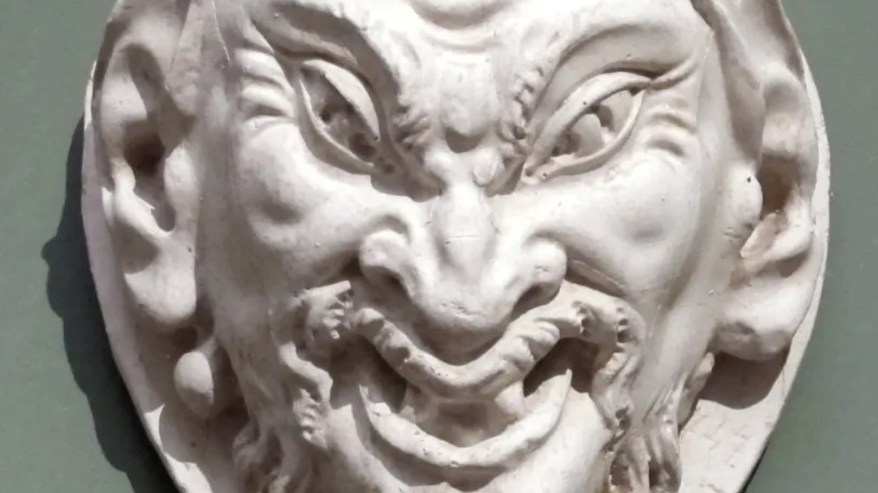
Fauno rubato: 15.000$ per ritrovarlo dopo 80 anni
🇮🇹Ero un ragazzino quando scolpii il Mascherone del Fauno sdentato. Oggi quel volto è perduto, rubato nella notte della guerra e da oltre 80 anni nessuno sa dove sia. Ora una ricompensa di 15.000$ riaccende la ricerca… 🇬🇧I was a boy when I sculpted the Toothless Faun Mask. Today that face is lost, stolen on…
Condividi:


Questo sono io





sostienici

Sostienici – Support Us
Se questo blog ti piace e ti appassiona, puoi aiutarci a farlo crescere sempre più sostenendoci in modo concreto condividendo i post, seguendo le pagine social e con un contributo che ci aiuta ad andare avanti con il nostro lavoro di divulgazione. . ENGLISH: If you like and are passionate about this blog, you can help us make it grow more and more by supporting us in a concrete way by sharing posts, following social pages and with a contribution that helps us to move forward with our dissemination work.
€10,00


