
Deposizione dalla Croce del Rosso Fiorentino: quasi ultimato il restauro
L’impegnativo restauro della Deposizione dalla Croce del Rosso Fiorentino iniziato nel settembre 2021 è quasi giunto al termine ed entro la fine di novembre verranno presentate le novità emerse in questi mesi di intenso lavoro.
Il restauratore Daniele Rossi sta per concludere l’intervento che hanno avuto per protagonista negli ultimi due anni la grande tavola dipinta a olio dal Rosso Fiorentino nel 1521, capolavoro dell’artista custodito nella Pinacoteca Civica di Volterra.
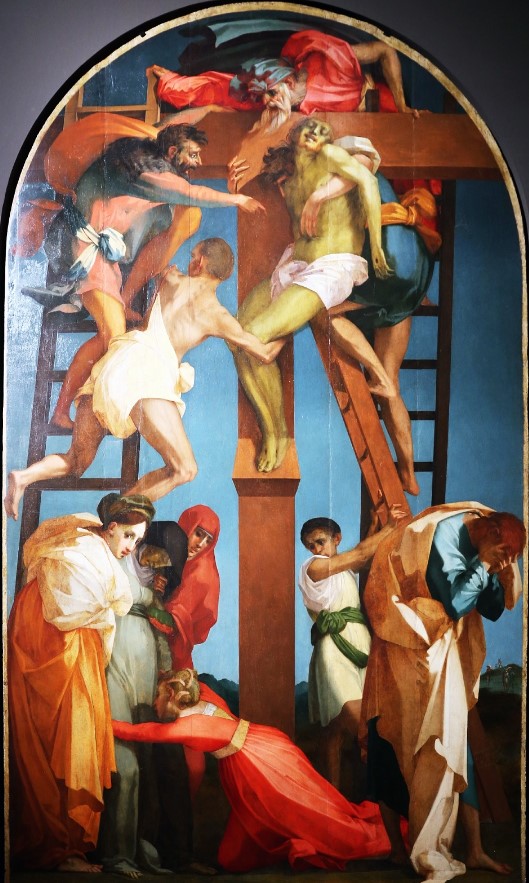
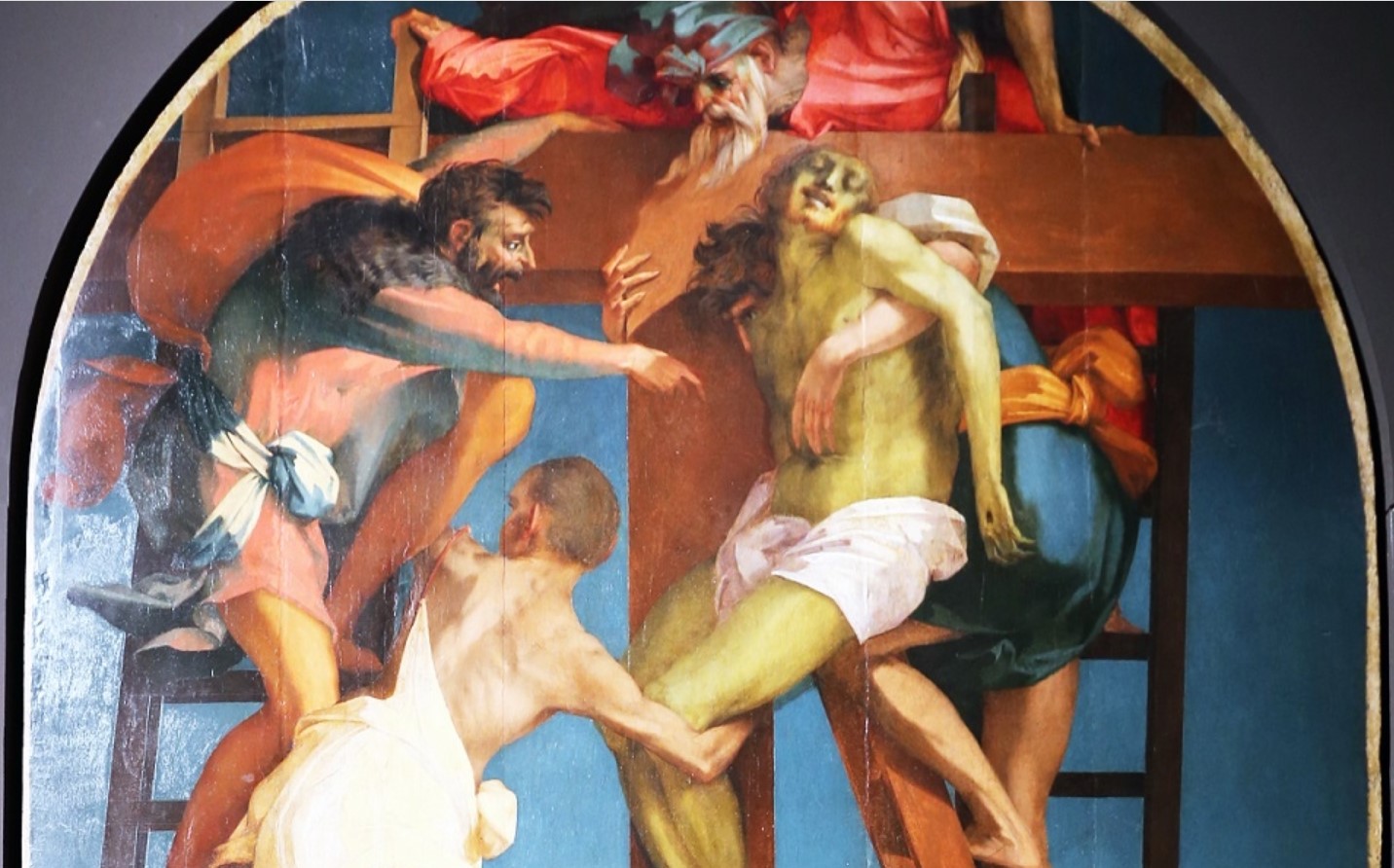
Nella Deposizione di Volterra, il Rosso Fiorentino scelse di adoperare uno stile prettamente drammatico e di grande impatto emotivo.
I personaggi che si muovono nella scena sono caratterizzati da una forte espressività che ha il potere di conferire alla pala una sensazione di tristezza e sconforto. I colori contrastanti e particolarmente intensi sono tipici dello stile del Rosso Fiorentino e contribuiscono a creare un’atmosfera densa di emozioni.
E’ veramente difficile rimanere impassibili dinnanzi alle opere dell’artista: qualcosa dentro l’anima riesce sempre a smuovere.
Gli uomini pregiati che si danno alle virtù, e quelle con tutte le forze loro abbracciano, sono pur qualche volta, quando manco ciò si aspettava, esaltati et onorati eccessivamente nel cospetto di tutto il mondo; come apertamente si può vedere nelle fatiche che il Rosso pittor fiorentino pose nell’arte della pittura…
dalle Vite del Vasari
La pala fu dipinta dal Rosso Fiorentino per la Cappella della Confraternita della Croce di Notte della Chiesa di San Francesco di Volterra ed è datata e firmata dall’artista sul piede della scala in basso: RUBEUS FLOR. A.S. MDXXI.
Non ci rimane che attendere che venga rivelato ciò che è emerso durante la fase diagnostica e durante il restauro.
Per il momento il vostro michelangelo Buonarroti vi saluta dandovi appuntamento ai prossimi post e sui social
Deposition from the Cross by Rosso Fiorentino: restoration almost complete
The demanding restoration of the Deposition from the Cross by Rosso Fiorentino which began in September 2021 is almost over and by the end of November the new features that have emerged in these months of intense work will be presented.
The restorer Daniele Rossi is about to conclude the intervention which has had as its protagonist in the last two years the large panel painted in oil by Rosso Fiorentino in 1521, the artist’s masterpiece kept in the Civic Art Gallery of Volterra.
In the Deposition of Volterra, Rosso Fiorentino chose to use a purely dramatic style with great emotional impact.
The characters who move in the scene are characterized by a strong expressiveness which has the power to give the altarpiece a feeling of sadness and despondency. The contrasting and particularly intense colors are typical of the Rosso Fiorentino style and contribute to creating an atmosphere full of emotions.
It is really difficult to remain impassive in front of the artist’s works: something inside the soul always manages to move.
The altarpiece was painted by Rosso Fiorentino for the Chapel of the Confraternity of the Night Cross of the Church of San Francesco in Volterra and is dated and signed by the artist on the foot of the staircase at the bottom: RUBEUS FLOR. A.S. MDXXI.
We just have to wait for what emerged during the diagnostic phase and during the restoration to be revealed.
For the moment, your Michelangelo Buonarroti greets you and will meet you in future posts and on social media

Sostienici – Support Us
Se questo blog ti piace e ti appassiona, puoi aiutarci a farlo crescere sempre più sostenendoci in modo concreto condividendo i post, seguendo le pagine social e con un contributo che ci aiuta ad andare avanti con il nostro lavoro di divulgazione. . ENGLISH: If you like and are passionate about this blog, you can help us make it grow more and more by supporting us in a concrete way by sharing posts, following social pages and with a contribution that helps us to move forward with our dissemination work.
10,00 €
-
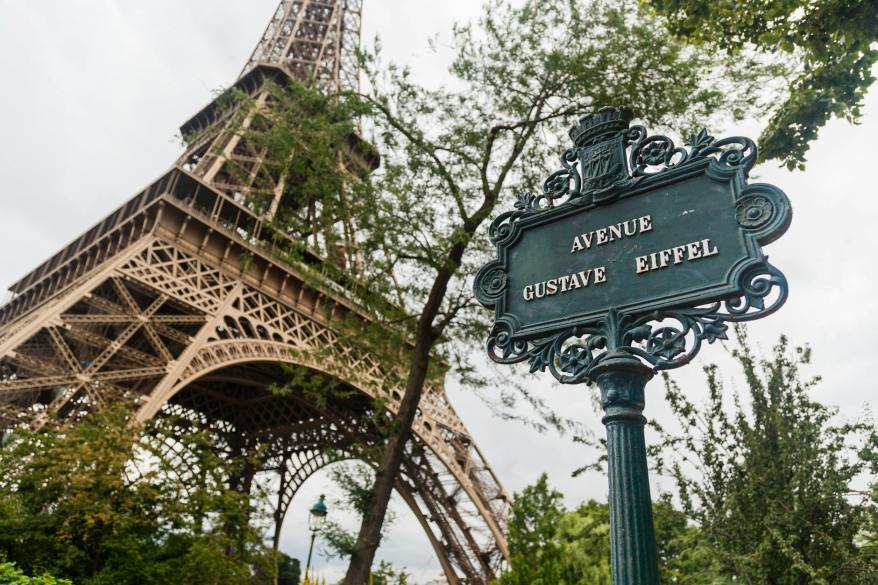
31 marzo 1889: inaugurata la Torre Eiffel tra critiche feroci e un destino inaspettato
🇮🇹Il 31 marzo 1889 segna una data destinata a cambiare per sempre il volto di Parigi e dell’immaginario collettivo globale: viene inaugurata la Torre Eiffel, l’opera più audace e discussa del suo tempo… 🇬🇧March 31, 1889 marks a date destined to change the face of Paris and the global collective imagination forever: the Eiffel Tower,…
-
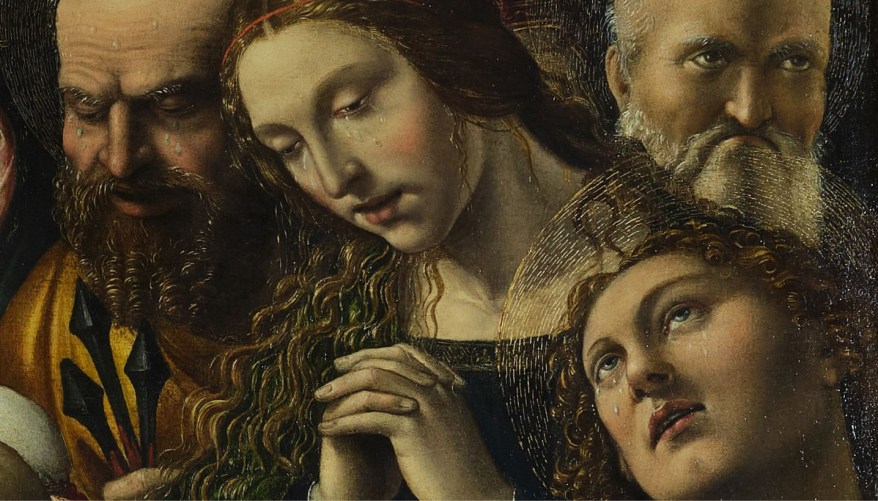
Sodoma in mostra a Torino: il Rinascimento al Museo Accorsi-Ometto
🇮🇹Al Museo di Arti Decorative Accorsi-Ometto arriva una mostra dedicata al Sodoma: oltre 50 opere, alcune mai viste prima, raccontano la formazione dell’artista e il suo dialogo con maestri come Pinturicchio… 🇬🇧An exhibition dedicated to Sodoma arrives at the Accorsi-Ometto Museum of Decorative Arts: over 50 works, some never before seen, recount the artist’s development…
-
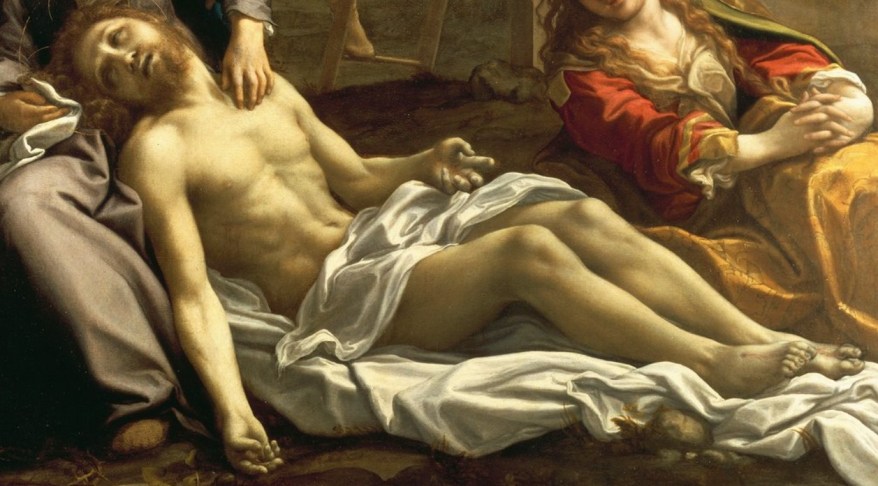
Il Compianto sul Cristo morto di Correggio: pathos e devozione
🇮🇹Con l’inizio della Settimana Santa, vi propongo il Compianto sul Cristo morto di Antonio Allegri, più noto come il Correggio: uno dei vertici assoluti della pittura emiliana del Cinquecento… 🇬🇧With the beginning of Holy Week, I propose the Lamentation over the Dead Christ by Antonio Allegri, better known as Correggio: one of the absolute peaks…
Condividi:


Questo sono io





sostienici

Sostienici – Support Us
Se questo blog ti piace e ti appassiona, puoi aiutarci a farlo crescere sempre più sostenendoci in modo concreto condividendo i post, seguendo le pagine social e con un contributo che ci aiuta ad andare avanti con il nostro lavoro di divulgazione. . ENGLISH: If you like and are passionate about this blog, you can help us make it grow more and more by supporting us in a concrete way by sharing posts, following social pages and with a contribution that helps us to move forward with our dissemination work.
€10,00


