

Settembre a Palazzo Davanzati: apertura prolungata
Palazzo Davanzati accoglie i visitatori nel mese di settembre con un orario di apertura prolungato. Sarà infatti eccezionalmente aperto tutti i fine settimana e il 3 settembre, in occasione della Domenica al Museo, aprirà le porte al pubblico gratuitamente.
Gli affreschi con le storie della Castellana di Vergy e la ricca collezione di merletti, le salette Volpi e la Coperta Guicciardini, l’Armario cinquecentesco senese, recentemente restaurato, il desco da parto e i Trionfi petrarcheschi dello Scheggia oltre ai tanti ambienti unici, preziosa testimonianza della vita domestica fiorentina a cavallo tra Medioevo e Rinascimento, vi aspettano a Palazzo Davanzati.

I duemila metri quadrati del palazzo dislocati su tre livelli, ospitano 450 opere e oltre 2000 raffinati merletti, ricami e disegni per tessili provenienti da donazioni e acquisizioni statali che vanno dal 1600 al 1900.
Nel mese di settembre 2023 il Museo effettuerà aperture straordinarie nelle giornate di sabato e domenica.
Il sabato Palazzo Davanzati aprirà le porte al pubblico dalle ore 9:15 fino alle 18:50 mentre la domenica dalle ore 13:15 alle 18:50, aumentando così le occasioni di visita per scoprirne i tesori.
Il nuovo orario, nei prossimi due mesi vedrà dunque il museo aprire le sue porte al pubblico tutti i giorni ad esclusione del lunedì (giorno di chiusura settimanale).

Il martedì, mercoledì e giovedì sarà aperto dalle 8:15 alle 13:50, il venerdì e la domenica dalle 13:15 alle 18:50 e il sabato dalle 9:15 alle 18:50.
Palazzo Davanzati sarà aperto anche il 3 settembre, prima domenica del mese, giornata in cui i musei statali aderenti partecipano alla Domenica al museo, che permette al pubblico di accedervi gratuitamente. Vi ricordo che domenica 3 settembre saranno aperti gratuitamente anche il Museo Nazionale del Bargello e il Museo delle Cappelle Medicee.

Dovete sapere che Palazzo Davanzati fu fatto costruire dalla famiglia Davizzi nella prima metà del Trecento e nel 1558 passò alla famiglia Davanzati, segnando il passaggio dalla casa torre medievale alla casa mercantile, in uno sviluppo verticale su quattro livelli oltre al piano terra.
Elia Volpi, mercante d’arte e antiquario, agli inizi del ‘900, recuperò il Palazzo nel suo aspetto originario destinandolo a rappresentare la fiorentinità abitativa in epoca rinascimentale, seppur parziale e incompleta.

Il medesimo intento guidò Luciano Berti quando, nel 1956, inaugurò questo museo arredandolo con oggetti provenienti dalle collezioni fiorentine, arricchite successivamente con acquisti e donazioni.

All’interno dei celebri ambienti del Palazzo, dalla Sala dei Pappagalli alla Camera dei Pavoni fino alla camera con le storie tratte dalla leggenda medievale della Castellana di Vergy, accanto ad opere d’arte di Antonio Rossellino, Lorenzo Ghiberti, Maestro di Serumido, Jacopo del Sellaio, Mariotto di Nardo, si fanno spazio opere e arredi dal Trecento e Settecento, completamente riallestiti lo scorso anno, oltre alla sala dedicata ai merletti e ricami, alla sala dedicata all’arte quattrocentesca fiorentina e all’affascinante cucina.

Non perdete l’occasione di visitare questo importante museo: segnatevi gli orari di apertura.
Per il momento il vostro Michelangelo Buonarroti vi saluta dandovi appuntamento ai prossimi post e sui social.

September at Palazzo Davanzati: extended opening
Palazzo Davanzati welcomes visitors in September with extended opening hours. In fact, it will be exceptionally open every weekend and on 3 September, on the occasion of Sunday at the Museum, it will open its doors to the public for free.
The frescoes with the stories of the Castellana di Vergy and the rich collection of laces, the Volpi rooms and the Guicciardini blanket, the recently restored sixteenth-century Sienese Armory, the birthing tray and the Petrarchan Triumphs of the Scheggia as well as the many unique environments, precious testimony of Florentine domestic life between the Middle Ages and the Renaissance, await you at Palazzo Davanzati.
The two thousand square meters of the building spread over three levels, host 450 works and over 2000 refined laces, embroideries and designs for textiles from donations and state acquisitions ranging from 1600 to 1900.
In September 2023 the Museum will make extraordinary openings on Saturdays and Sundays.
On Saturday Palazzo Davanzati will open its doors to the public from 9:15 to 18:50 while on Sundays from 13:15 to 18:50, thus increasing the opportunities for visits to discover its treasures.
The new timetable, in the next two months will therefore see the museum open its doors to the public every day except Monday (weekly closing day).
It will be open on Tuesdays, Wednesdays and Thursdays from 8.15am to 1.50pm, Fridays and Sundays from 1.15pm to 6.50pm and Saturdays from 9.15am to 6.50pm.
Palazzo Davanzati will also be open on 3 September, the first Sunday of the month, the day on which the participating state museums participate in Sunday at the museum, which allows the public to enter it free of charge. I remind you that the Bargello National Museum and the Medici Chapels Museum will also be open free of charge on Sunday 3 September.
You should know that Palazzo Davanzati was built by the Davizzi family in the first half of the fourteenth century and in 1558 it passed to the Davanzati family, marking the transition from the medieval tower house to the merchant house, in a vertical development on four levels in addition to the ground floor.
Elia Volpi, art dealer and antiques dealer, at the beginning of the 20th century, recovered the Palazzo in its original appearance, destining it to represent Florentine housing in the Renaissance era, albeit partial and incomplete.
The same intention guided Luciano Berti when, in 1956, he inaugurated this museum, furnishing it with objects from the Florentine collections, subsequently enriched with purchases and donations.
During 2022 the museum was completely rearranged, carrying out a work of reorganization of the present collection.
Inside the famous rooms of the Palace, from the Sala dei Parrots to the Camera dei Pavoni up to the room with the stories taken from the medieval legend of the Castellana di Vergy, next to works of art by Antonio Rossellino, Lorenzo Ghiberti, Maestro di Serumido, Jacopo del Sellaio, Mariotto di Nardo, works and furnishings from the fourteenth and eighteenth centuries make room, completely rearranged last year, in addition to the room dedicated to lace and embroidery, the room dedicated to fifteenth-century Florentine art and the fascinating cuisine.
Do not miss the opportunity to visit this important museum: note the opening hours.
For the moment, your Michelangelo Buonarroti greets you by making an appointment for the next posts and on social media.

Sostienici – Support Us
Se questo blog ti piace e ti appassiona, puoi aiutarci a farlo crescere sempre più sostenendoci in modo concreto condividendo i post, seguendo le pagine social e con un contributo che ci aiuta ad andare avanti con il nostro lavoro di divulgazione. . ENGLISH: If you like and are passionate about this blog, you can help us make it grow more and more by supporting us in a concrete way by sharing posts, following social pages and with a contribution that helps us to move forward with our dissemination work.
8,00 €
-
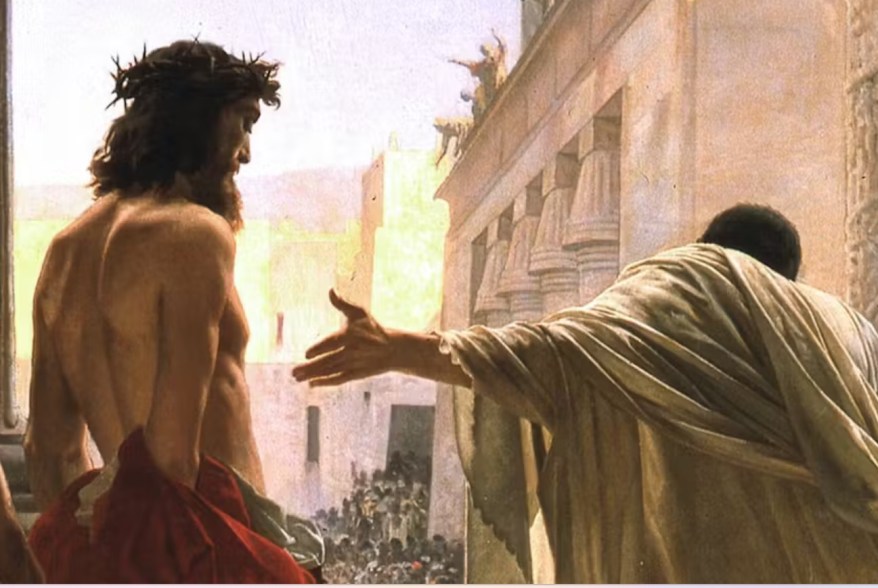
Venerdì Santo: gli “Ecce Homo” più intensi della storia dell’arte
🇮🇹Ecce Homo. Da Antonello da Messina a Tintoretto, fino al sorprendente capolavoro di Antonio Ciseri, questo soggetto ha attraversato i secoli raccontando dolore, umanità e coscienza… 🇬🇧Ecce Homo. From Antonello da Messina to Tintoretto, to Antonio Ciseri’s astonishing masterpiece, this subject has spanned the centuries, recounting pain, humanity, and conscience…
-
Attacco hacker agli Uffizi: rubati dati sensibili, mappe e codici di sicurezza
🇮🇹Attacco hacker alle Gallerie degli Uffizi: rubati dati sensibili, mappe e sistemi di sicurezza. A rischio opere, archivi e cybersicurezza del patrimonio artistico… 🇬🇧Hacker attack on the Uffizi Galleries: sensitive data, maps, and security systems stolen. Works of art, archives, and the cybersecurity of the artistic heritage are at risk…
-
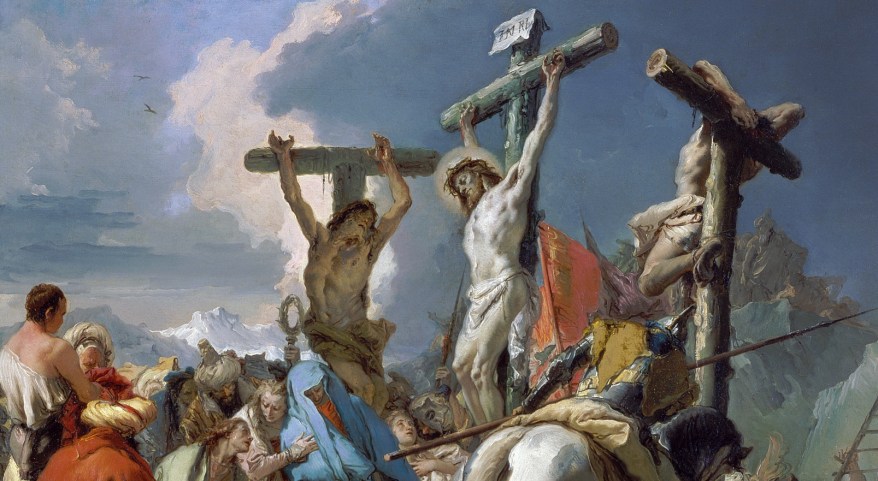
Venerdì Santo: la Crocifissione secondo Tiepolo
🇮🇹Nel giorno del Venerdì Santo, c’è un’opera che riesce ancora a scuotere lo sguardo. La Crocifissione di Giambattista Tiepolo non è come le altre: niente simmetrie perfette, niente distanza. Qui si entra dentro la scena, da un punto di vista obliquo, tra movimento, tensione e umanità… 🇬🇧On Good Friday, there’s a work that still manages…
Condividi:


Questo sono io





sostienici

Sostienici – Support Us
Se questo blog ti piace e ti appassiona, puoi aiutarci a farlo crescere sempre più sostenendoci in modo concreto condividendo i post, seguendo le pagine social e con un contributo che ci aiuta ad andare avanti con il nostro lavoro di divulgazione. . ENGLISH: If you like and are passionate about this blog, you can help us make it grow more and more by supporting us in a concrete way by sharing posts, following social pages and with a contribution that helps us to move forward with our dissemination work.
€10,00


