
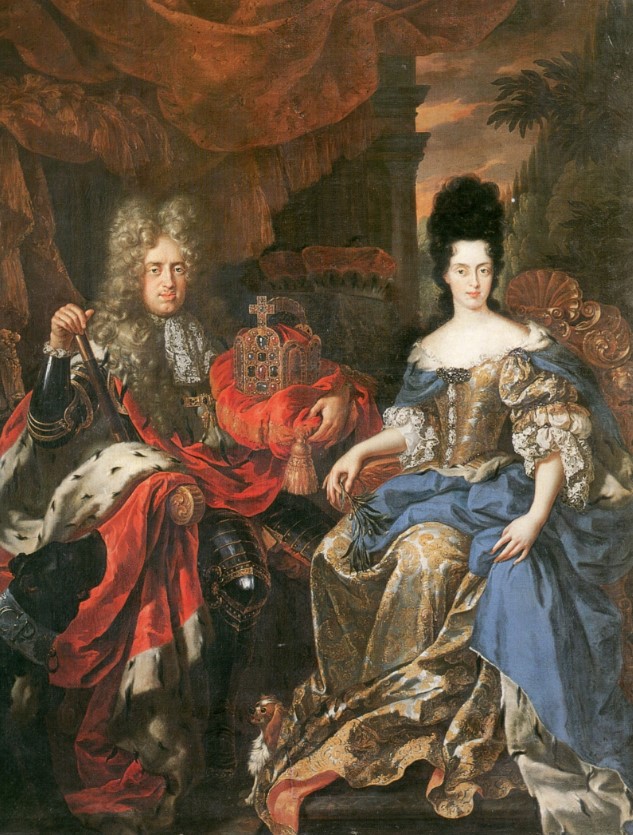
11 agosto 1667: nasce l’Elettrice Palatina, l’ultima discendente del ramo granducale de’ Medici
L’11 agosto del 1667 venne al mondo in quel di Firenze Anna Maria Luisa de’ Medici, l’ultima esponente del ramo granducale della famiglia dei Medici.
Secondogenita del Granduca di Toscana Cosimo III de’ Medici e di Margherita Luisa d’Orleans, il padre scelse di farla sposare con il Principe elettore del Palatinato Giovanni Carlo Guglielmo I e le nozze furono celebrate per procura il 29 aprile del 1691.
Il 6 maggio 1691 Anna Maria Luisa partì alla volta di Düsseldorf per congiungersi al coniuge, accompagnata dal fratello minore Gian Gastone ma Giovanni Guglielmo le andò incontro a Innsbruk per celebrare assieme a lei le nozze in pompa magna.

Nonostante Anna Maria Luisa non ebbe mai modo di governare direttamente, ebbe un ruolo fondamentale negli ultimi anni della dinastia medicea.
Non ebbe figli e non ne ebbe nemmeno suo fratello Gian Gastone, il nuovo granduca. Quando di Gian Gastone morì nel 1737, la principessa divenne di fatto l’ultima discendente della dinastia oramai condannata all’estinzione.
Il padre Cosimo III, prevedendo proprio la situazione che poi si presentò, aveva cercato di modificare le leggi di successione nel Granducato di Toscana, per far sì che anche le donne potessero governare con pieni poteri.
Purtroppo fu ostacolato fortemente da Carlo VI, imperatore del Sacro Romano Impero da cui dipendeva direttamente il Granducato. L’imperatore da parte sua riteneva di avere il pieno diritto di occuparsi della successone del governo della Toscana nel momento in cui fossero mancati eredi diretti, offrendo la successione al proprio genero Francesco di Lorena.
Anna Maria Luisa de’ Medici conservò il titolo di principessa ma non ebbe poteri effettivi.
L’Elettrice Palatina, colta e illuminata, volle fare alla sua amata Firenze il dono più grande. Nel proprio testamento scrisse che l’immensa collezione artistica della famiglia, dopo la sua morte, sarebbe appartenuta al Granducato di Toscana.
Fino a quel momento le opere più preziose venivano acquisite di diritto dalla nuova casata che avrebbe guidato la città. Potevano essere vendute o trasportate altrove per decorare palazzi privati e regge. Spesso venivano adoperate come preziosissima merce di scambio e di loro, nella città che le aveva viste nascere, non ne rimaneva che il vago ricordo di chi aveva la fortuna di averle viste.

L’Elettrice Palatina però aveva avuto un’intuizione straordinaria e formulò quello che oggi è conosciuto come il Patto di Famiglia. Le opere appartenute alla sua famiglia sarebbero passate nelle mani della Toscana con un vincolo imprescindibile: dovevano per sempre rimanere nella città di Firenze e nello Stato di Toscana.
Così grazie alla lungimiranza di Anna Maria Luisa de’ Medici, Firenze ancora conserva capolavori assoluti che se non fossero stati protetti con il Patto di Famiglia da lei siglato il 31 ottobre del 1737, sarebbero state disperse in giro per il mondo.
Per il momento il vostro Michelangelo Buonarroti vi saluta dandovi appuntamento ai prossimi post e sui social.

11 August 1667: the Electress Palatine was born, the last descendant of the Medici grand ducal branch
On 11 August 1667, Anna Maria Luisa de’ Medici, the last exponent of the grand ducal branch of the Medici family, was born in Florence.
Her second child of the Grand Duke of Tuscany Cosimo III de ‘Medici and Margaret Louise of Orleans, her father chose to marry her to the Prince Elector of the Palatinate John Charles William I. The wedding was celebrated by proxy of her on April 29, 1691.
On 6 May 1691 Anna Maria Luisa left for Düsseldorf to join her husband, accompanied by her younger brother Gian Gastone de ‘Medici but Giovanni Guglielmo went to meet her in Innsbruk to celebrate the wedding with her in great pomp.
Although Anna Maria Luisa never governed directly, she played a fundamental role in the last years of the Medici dynasty.
She had no children and neither did her brother Gian Gastone, the new Grand Duke. When di Gian Gastone died in 1737, the princess became in fact the last descendant of the dynasty now doomed to extinction.
Father Cosimo III, foreseeing the very situation that then arose, had tried to modify the laws of succession in the Grand Duchy of Tuscany, to ensure that women too could govern with full powers.
Unfortunately he was strongly hindered by Charles VI, emperor of the Holy Roman Empire on which the Grand Duchy directly depended. The emperor for his part believed that he had the full right to take care of the succession of the government of Tuscany when there were no direct heirs, offering the succession to his son-in-law Francis of Lorraine.
Anna Maria Luisa de’ Medici retained the title of princess but had no effective powers.
The Electress Palatine, cultured and enlightened, wanted to give her beloved Florence her greatest gift. In her will she wrote that the immense artistic collection of the family, after her death, would belong to the Grand Duchy of Tuscany.
Until that moment the most precious works were acquired by right from the new family that would lead the city. They could be sold or transported elsewhere to decorate private palaces and palaces. They were often used as precious bargaining chips and of them, in the city that had seen them born, only the vague memory of those who were lucky enough to have seen them remained.
However, the Electress Palatine had had an extraordinary intuition and she formulated what is now known as the Family Pact. The works that belonged to her family would pass into the hands of Tuscany with an essential bond: they had to remain forever in the city of Florence and in the State of Tuscany.
So thanks to the foresight of Anna Maria Luisa de’ Medici, Florence still preserves absolute masterpieces which, if they hadn’t been protected with the Family Pact she signed on October 31, 1737, would have been dispersed around the world.
For the moment, your Michelangelo Buonarroti greets you by making an appointment for the next posts and on social media.

Sostienici – Support Us
Se questo blog ti piace e ti appassiona, puoi aiutarci a farlo crescere sempre più sostenendoci in modo concreto condividendo i post, seguendo le pagine social e con un contributo che ci aiuta ad andare avanti con il nostro lavoro di divulgazione. . ENGLISH: If you like and are passionate about this blog, you can help us make it grow more and more by supporting us in a concrete way by sharing posts, following social pages and with a contribution that helps us to move forward with our dissemination work.
8,00 €
-
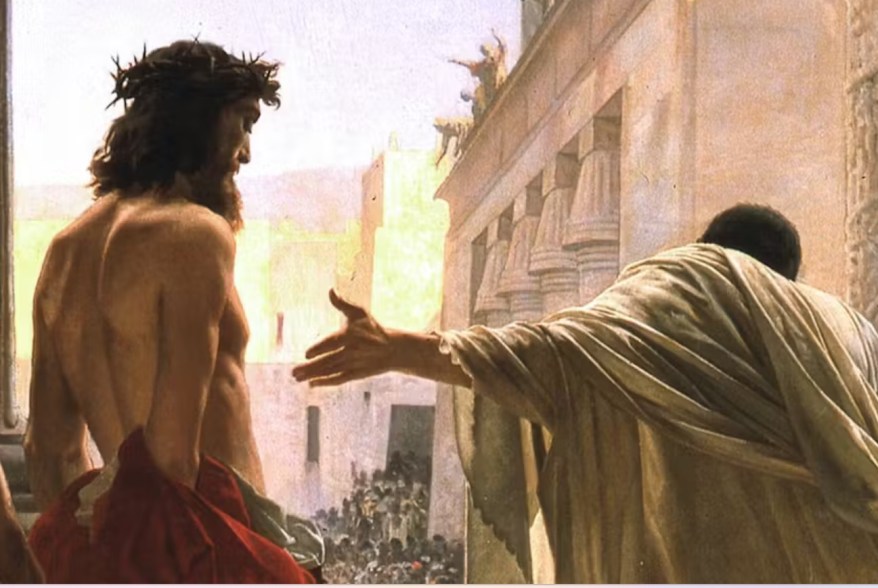
Venerdì Santo: gli “Ecce Homo” più intensi della storia dell’arte
🇮🇹Ecce Homo. Da Antonello da Messina a Tintoretto, fino al sorprendente capolavoro di Antonio Ciseri, questo soggetto ha attraversato i secoli raccontando dolore, umanità e coscienza… 🇬🇧Ecce Homo. From Antonello da Messina to Tintoretto, to Antonio Ciseri’s astonishing masterpiece, this subject has spanned the centuries, recounting pain, humanity, and conscience…
-
Attacco hacker agli Uffizi: rubati dati sensibili, mappe e codici di sicurezza
🇮🇹Attacco hacker alle Gallerie degli Uffizi: rubati dati sensibili, mappe e sistemi di sicurezza. A rischio opere, archivi e cybersicurezza del patrimonio artistico… 🇬🇧Hacker attack on the Uffizi Galleries: sensitive data, maps, and security systems stolen. Works of art, archives, and the cybersecurity of the artistic heritage are at risk…
-
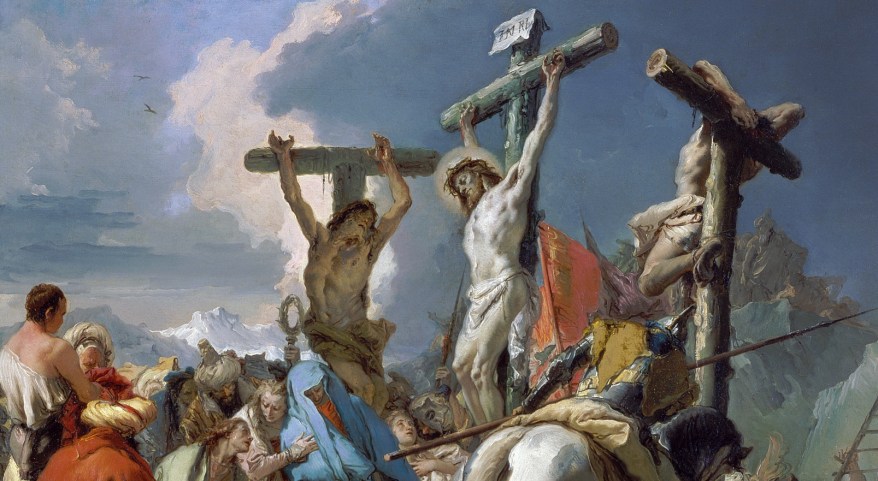
Venerdì Santo: la Crocifissione secondo Tiepolo
🇮🇹Nel giorno del Venerdì Santo, c’è un’opera che riesce ancora a scuotere lo sguardo. La Crocifissione di Giambattista Tiepolo non è come le altre: niente simmetrie perfette, niente distanza. Qui si entra dentro la scena, da un punto di vista obliquo, tra movimento, tensione e umanità… 🇬🇧On Good Friday, there’s a work that still manages…
Condividi:


Questo sono io





sostienici

Sostienici – Support Us
Se questo blog ti piace e ti appassiona, puoi aiutarci a farlo crescere sempre più sostenendoci in modo concreto condividendo i post, seguendo le pagine social e con un contributo che ci aiuta ad andare avanti con il nostro lavoro di divulgazione. . ENGLISH: If you like and are passionate about this blog, you can help us make it grow more and more by supporting us in a concrete way by sharing posts, following social pages and with a contribution that helps us to move forward with our dissemination work.
€10,00


