
Il modello in legno per la facciata della basilica di San Lorenzo di Firenze
Alla stregua di altre importanti basiliche, la realizzazione della facciata di San Lorenzo a Firenze avrebbe concluso i lavori del cantiere che si erano protratti per otre cinquant’anni.
La facciata è la parte più visibile e quindi avrebbe dovuto avere un’aspetto grandioso che celebrasse la famiglia che da tempo considerava come proprio il duomo: i Medici.
Nel dicembre del 1515, papa Leone X de’ Medici eletto pontefice da un paio di anni, tornò nella sua città natale e tanto apprezzò la facciata effimera che era stata approntata alla basilica in quell’occasione, che volle indire un concorso per farne costruire una duratura.

Sebbene in un primo momento mi fu affidato solo il compito di sovrintendere alla decorazione scultorea, nel 1516 le discussioni fra me e il Sansovino che stava facendo eseguire un modello ligneo da Baccio D’Agnolo oggi andato perduto si fecero sempre più accese.
Nel dicembre del 1516 presentai al pontefice i primo progetto architettonico e papa Leone X affidò a me l’intero progetto.
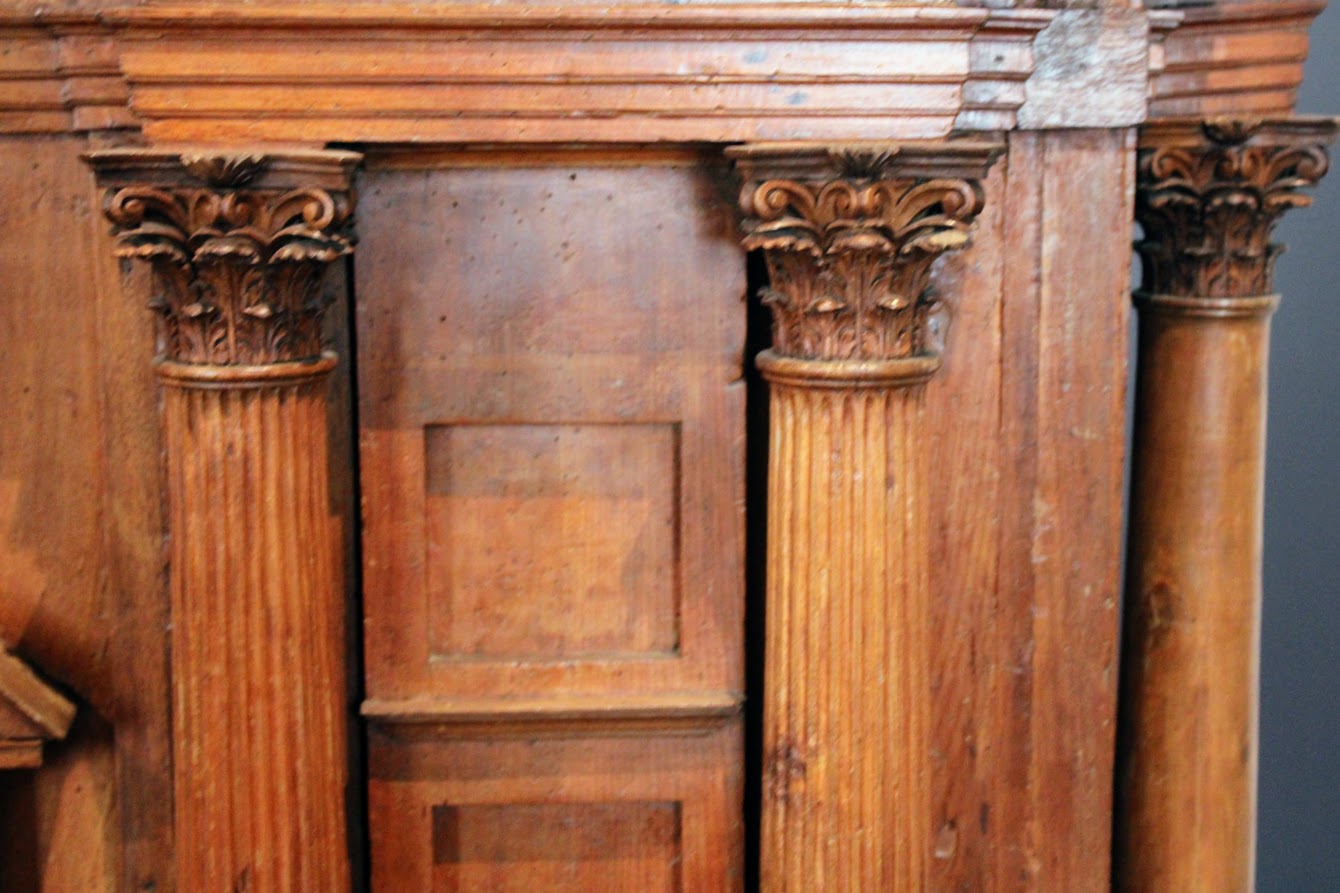
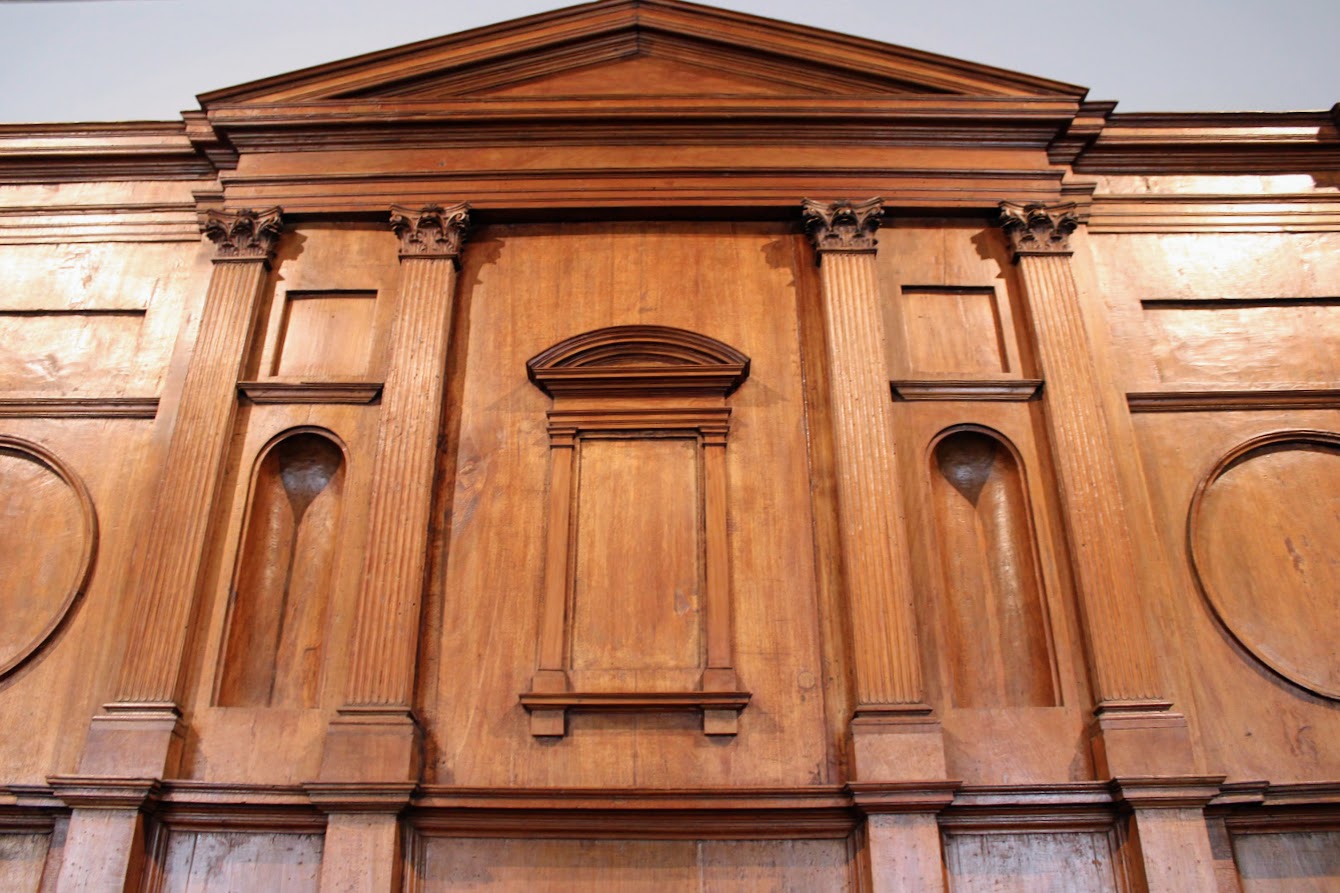
Il modello in legno della facciata della Basilica di San Lorenzo custodito a Casa Buonarroti è prossimo al progetto definitivo. Lo feci realizzare fra la fine del 1517 e l’inizio del 1518 ed è totalmente privo delle decorazioni e dei fregi che avrebbero arricchito la facciata una volta ultimata ovvero le sculture a tutto tondo, i fregi in bronzo e i bassorilievi in marmo.
Largo 2 metri e 83 centimetri per un’altezza di 2,16 metri e uno spessore e di 50 centimetri, questo modello per la facciata non fu mai trasposto in marmo.
Con mia grande sorpresa e non poco disappunto, il 10 marzo del 1521 papa Leone X de’ Medici rescisse il contratto per la facciata della chiesa finanziata dalla famiglia Medici così rimase senza la sua bella facciata di marmo e tutt’oggi ne è priva.
Per il momento il vostro Michelangelo Buonarroti vi saluta dandovi appuntamento ai prossimi post e sui social.
The wooden model for the facade of the basilica of San Lorenzo in Florence
Like other important basilicas, the construction of the facade of San Lorenzo in Florence would have concluded the work on the site that had lasted for more than fifty years.
The facade is the most visible part and therefore should have had a grandiose appearance that celebrated the family that had long considered the cathedral to be its own: the Medici.
In December 1515, Pope Leo X de’ Medici, elected pope for a couple of years, returned to his hometown and so appreciated the ephemeral facade that had been prepared for the basilica on that occasion, that he wanted to launch a competition to have one built. lasting.
Although at first I was only entrusted with the task of supervising the sculptural decoration, in 1516 the discussions between me and Sansovino, who was having a wooden model made by Baccio D’Agnolo, now lost, became increasingly heated.
In December 1516 I presented the first architectural project to the pope and Pope Leo X entrusted the entire project to me.
The wooden model of the facade of the Basilica of San Lorenzo kept in Casa Buonarroti is close to the definitive project. I had it built between the end of 1517 and the beginning of 1518 and it is totally devoid of the decorations and friezes that would have enriched the facade once completed, i.e. the sculptures in the round, the bronze friezes and the marble bas-reliefs.
2 meters and 83 centimeters wide by a height of 2.16 meters and a thickness of 50 centimeters, this model for the facade was never transposed into marble.
To my great surprise and not a little disappointment, on March 10, 1521, Pope Leo X de’ Medici terminated the contract for the facade of the church financed by the Medici family, thus remaining without its beautiful marble facade and is still without it today.
For the moment, your Michelangelo Buonarroti greets you by making an appointment for the next posts and on social media.

Sostienici – Support Us
Se questo blog ti piace e ti appassiona, puoi aiutarci a farlo crescere sempre più sostenendoci in modo concreto condividendo i post, seguendo le pagine social e con un contributo che ci aiuta ad andare avanti con il nostro lavoro di divulgazione. . ENGLISH: If you like and are passionate about this blog, you can help us make it grow more and more by supporting us in a concrete way by sharing posts, following social pages and with a contribution that helps us to move forward with our dissemination work.
8,00 €
-
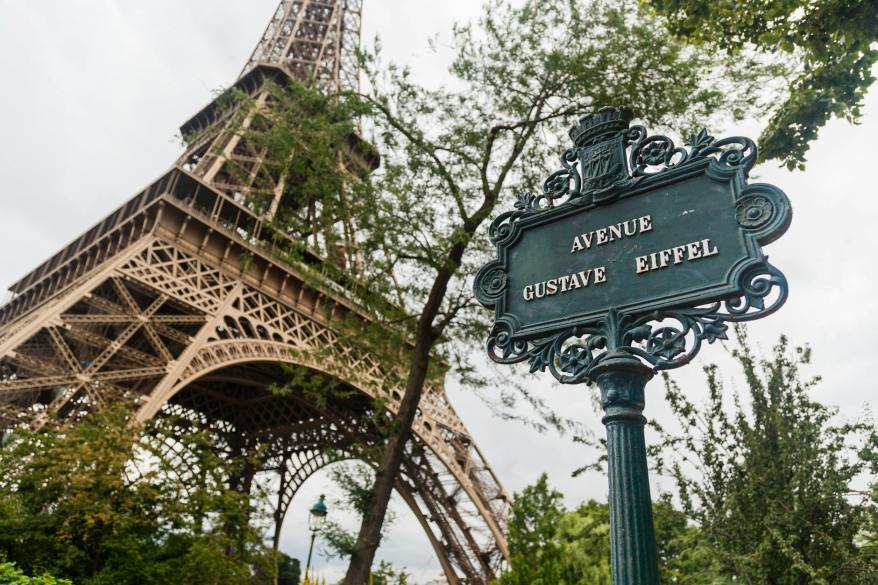
31 marzo 1889: inaugurata la Torre Eiffel tra critiche feroci e un destino inaspettato
🇮🇹Il 31 marzo 1889 segna una data destinata a cambiare per sempre il volto di Parigi e dell’immaginario collettivo globale: viene inaugurata la Torre Eiffel, l’opera più audace e discussa del suo tempo… 🇬🇧March 31, 1889 marks a date destined to change the face of Paris and the global collective imagination forever: the Eiffel Tower,…
-
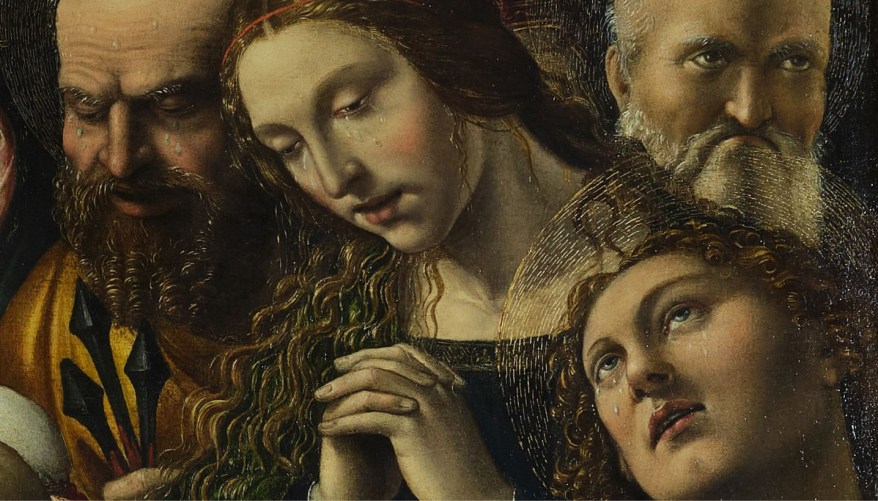
Sodoma in mostra a Torino: il Rinascimento al Museo Accorsi-Ometto
🇮🇹Al Museo di Arti Decorative Accorsi-Ometto arriva una mostra dedicata al Sodoma: oltre 50 opere, alcune mai viste prima, raccontano la formazione dell’artista e il suo dialogo con maestri come Pinturicchio… 🇬🇧An exhibition dedicated to Sodoma arrives at the Accorsi-Ometto Museum of Decorative Arts: over 50 works, some never before seen, recount the artist’s development…
-
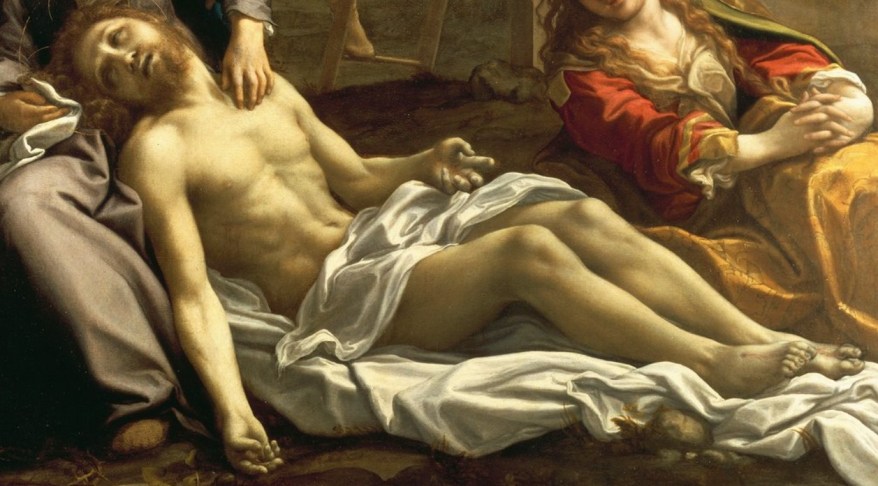
Il Compianto sul Cristo morto di Correggio: pathos e devozione
🇮🇹Con l’inizio della Settimana Santa, vi propongo il Compianto sul Cristo morto di Antonio Allegri, più noto come il Correggio: uno dei vertici assoluti della pittura emiliana del Cinquecento… 🇬🇧With the beginning of Holy Week, I propose the Lamentation over the Dead Christ by Antonio Allegri, better known as Correggio: one of the absolute peaks…
Condividi:


Questo sono io





sostienici

Sostienici – Support Us
Se questo blog ti piace e ti appassiona, puoi aiutarci a farlo crescere sempre più sostenendoci in modo concreto condividendo i post, seguendo le pagine social e con un contributo che ci aiuta ad andare avanti con il nostro lavoro di divulgazione. . ENGLISH: If you like and are passionate about this blog, you can help us make it grow more and more by supporting us in a concrete way by sharing posts, following social pages and with a contribution that helps us to move forward with our dissemination work.
€10,00


