
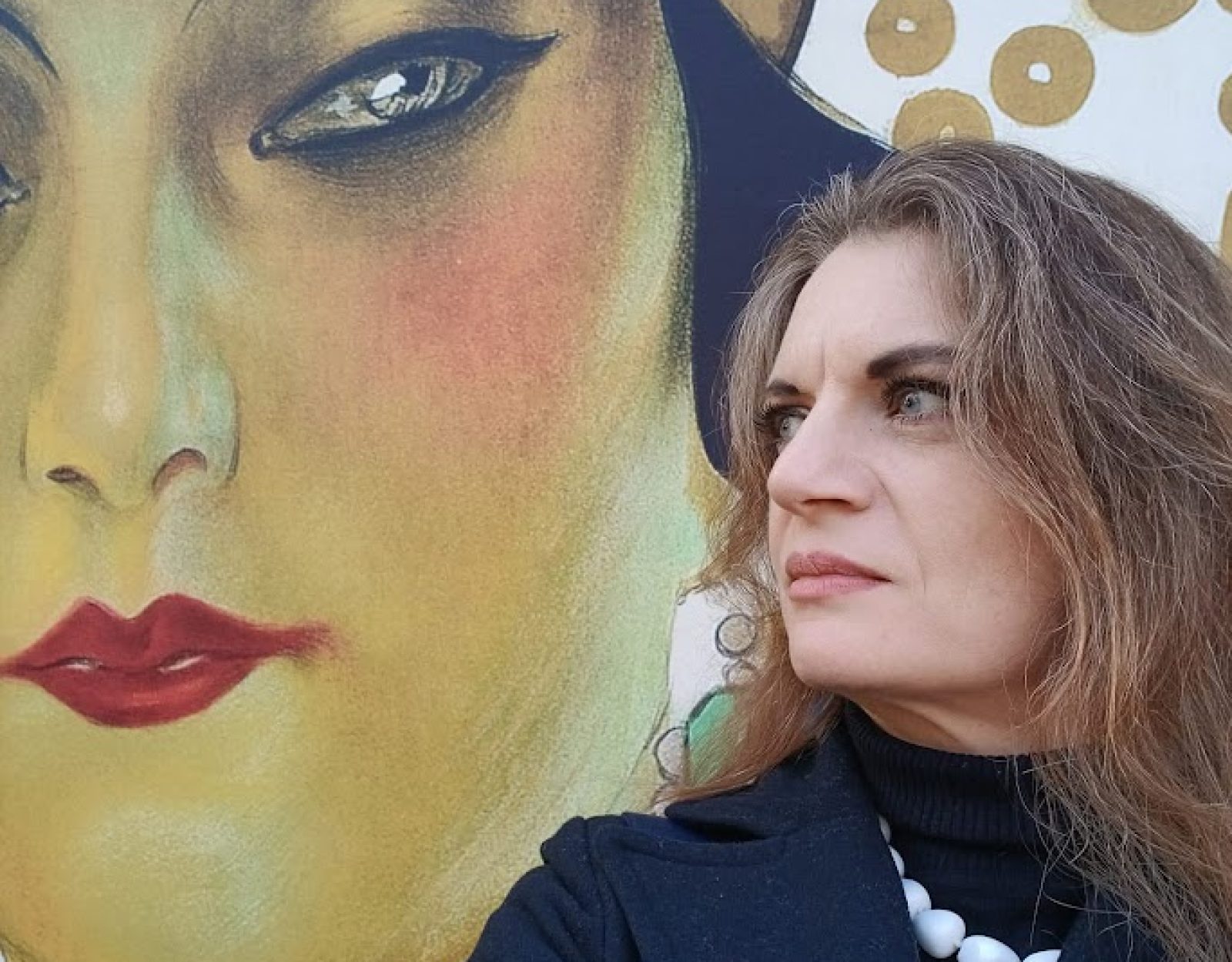
Scolpivo con la mano sinistra ma scrivevo con la destra
Per secoli i mancino sono stati guardati con occhio critico se non addirittura malevolo. Pareva fosse fuori luogo dare credito a chi usava la mano sinistra, quella del diavolo, per scrivere, mangiare, scolpire, dipingere e fare chissà quante altre cose.
I giusti sederanno alla destra di Dio, sta scritto nelle Sacre Scritture a lungo fu un motivo sufficiente per guardar storto e tentare di emarginare finanche chi con la sinistra era in grado di creare prodigi.

Anch’io ero mancino ma è probabile che da bimbetto fossi stato forzato a imparare a scrivere con la destra. Non c’è traccia documentaria di questo fatto ma, osservando con un po’ di attenzione le tante lettere che scrissi nel corso della vita, si vede che le buttai giù con la sinistra.
Le cose cambiano però quando dovevo usare la forza con le mani come quando scolpivo. I segni di scalpello lasciati sulle opere raccontano di subbie e gradine impugnate con la mano destra, percosse col mazzuolo tenuto saldamente con la sinistra.
Quello era ed è tutt’oggi il modo tipico di scolpire dei mancini.

Ogni qual volta dovevo ricorrere all’uso della forza, sceglievo la mano sinistra mentre quando non era necessario abbinare la potenza alla precisione, optavo di utilizzare la destra.
L’uso della sinistra per direzionare i colpi delle gradine è assai evidente nelle opere in cui ancora conservano i segni della lavorazione.
Per esempio, nella Madonna della Scala, non solo è palese la direzione delle tracce lasciate dai ferri ma addirittura tutta l’impostazione del rilievo e la sua conseguente lettura deve essere fatta da sinistra verso destra.

Per il momento il vostro Michelangelo Buonarroti vi saluta dandovi appuntamento ai prossimi post e sui social.

I sculpted with my left hand but wrote with my right
For centuries, lefties have been looked upon with a critical, if not downright malevolent, eye. It seemed out of place to give credit to those who used their left hand, that of the devil, to write, eat, sculpt, paint and do who knows how many other things.
The righteous will sit at the right hand of God, it is written in the Holy Scriptures and it seems that for a long time it was sufficient reason to look askance and try to marginalize even those who were able to create wonders with their left hand.
I too was left-handed but it is probable that as a child I was forced to learn to write with my right hand. There is no documentary trace of this fact but by observing the many letters I wrote in the course of my life with a little attention, it can be seen that I wrote them with my left hand.
However, things change when I had to use force with my hands like when I was sculpting. The chisel marks left on the works tell of chisels and steps held in the right hand, struck with the mallet held firmly in the left. That was and still is the typical left-handed way of sculpting.
Whenever I had to resort to the use of force, I chose the left hand, while when it was not necessary to combine power with precision, I could choose to use the right.
The use of the left hand to direct the strokes of the steps is very evident in the works in which they still retain the signs of the workmanship.
For example, in the Madonna della Scala, not only is the direction of the traces left by the irons very evident, but the whole setting of the relief and its consequent reading must be done from left to right.
For the moment, your Michelangelo Buonarroti greets you by making an appointment for the next posts and on social media.

Sostienici – Support Us
Se questo blog ti piace e ti appassiona, puoi aiutarci a farlo crescere sempre più sostenendoci in modo concreto condividendo i post, seguendo le pagine social e con un contributo che ci aiuta ad andare avanti con il nostro lavoro di divulgazione. . ENGLISH: If you like and are passionate about this blog, you can help us make it grow more and more by supporting us in a concrete way by sharing posts, following social pages and with a contribution that helps us to move forward with our dissemination work.
8,00 €
-
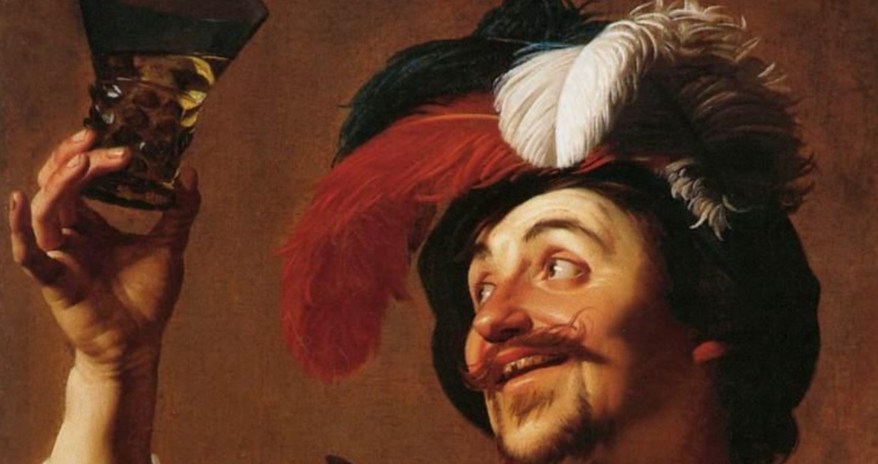
Quel sorriso del violinista felice di Gerrit van Honthorst
🇮🇹Un brindisi, un sorriso, una luce che taglia il buio. Conoscete il dipinto del violinista felice con un bicchiere di vino (1624) di Gerrit van Honthorst?… 🇬🇧A toast, a smile, a light that cuts through the darkness. Are you familiar with the painting of the Happy Violinist with a Glass of Wine (1624) by Gerrit…
-
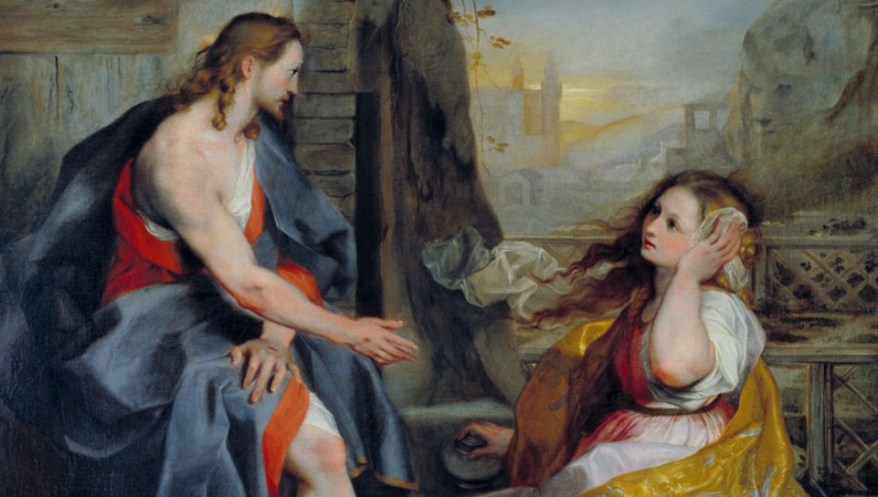
Noli me tangere di Federico Barocci: il capolavoro agli Uffizi che racconta l’incontro più emozionante dopo la Resurrezione
🇮🇹Nel Noli me tangere di Federico Barocci Maria Maddalena riconosce Cristo risorto e prova a toccarlo. Ma lui la ferma… 🇬🇧In Federico Barocci’s Noli Me Tangere, Mary Magdalene recognizes the risen Christ and tries to touch him. But he stops her…
-
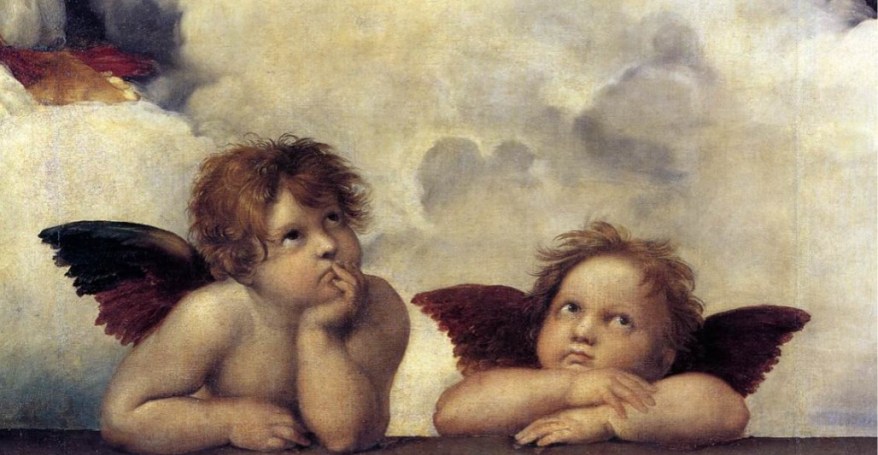
6 aprile 1520: la morte di Raffaello Sanzio e la nascita di un mito immortale
🇮🇹“Qui giace Raffaello: da lui, quando visse, la natura temette d’essere vinta, ora che egli è morto, teme di morire”. Il 6 aprile 1520 Raffaello morì a soli 37 anni… 🇬🇧“Here lies Raphael: when he lived, nature feared to be conquered by him, now that he is dead, she fears to die.” On April 6,…
Condividi:


Questo sono io





sostienici

Sostienici – Support Us
Se questo blog ti piace e ti appassiona, puoi aiutarci a farlo crescere sempre più sostenendoci in modo concreto condividendo i post, seguendo le pagine social e con un contributo che ci aiuta ad andare avanti con il nostro lavoro di divulgazione. . ENGLISH: If you like and are passionate about this blog, you can help us make it grow more and more by supporting us in a concrete way by sharing posts, following social pages and with a contribution that helps us to move forward with our dissemination work.
€10,00


