

Dio e Adamo: la falsa storia delle due dita che in origine si toccavano
Oramai in rete circola qualsiasi cosa e informazioni del tutto arbitrarie e non riscontrabili vengono scambiate per vere soprattutto se piacciono o possono avere sembianze verosimili.
Vi faccio questa premessa perché da lungi leggo scempiaggini riguardo al riquadro della Creazione di Adamo che affrescai nella volta della Sistina. Le dicerie riguardano specificamente la mano di Dio che si allunga verso quella di Adamo che sta per ricevere in tocco vitale, anche se nelle Sacre Scritture si fa riferimento al soffio che avrebbe dato la vita al progenitore.
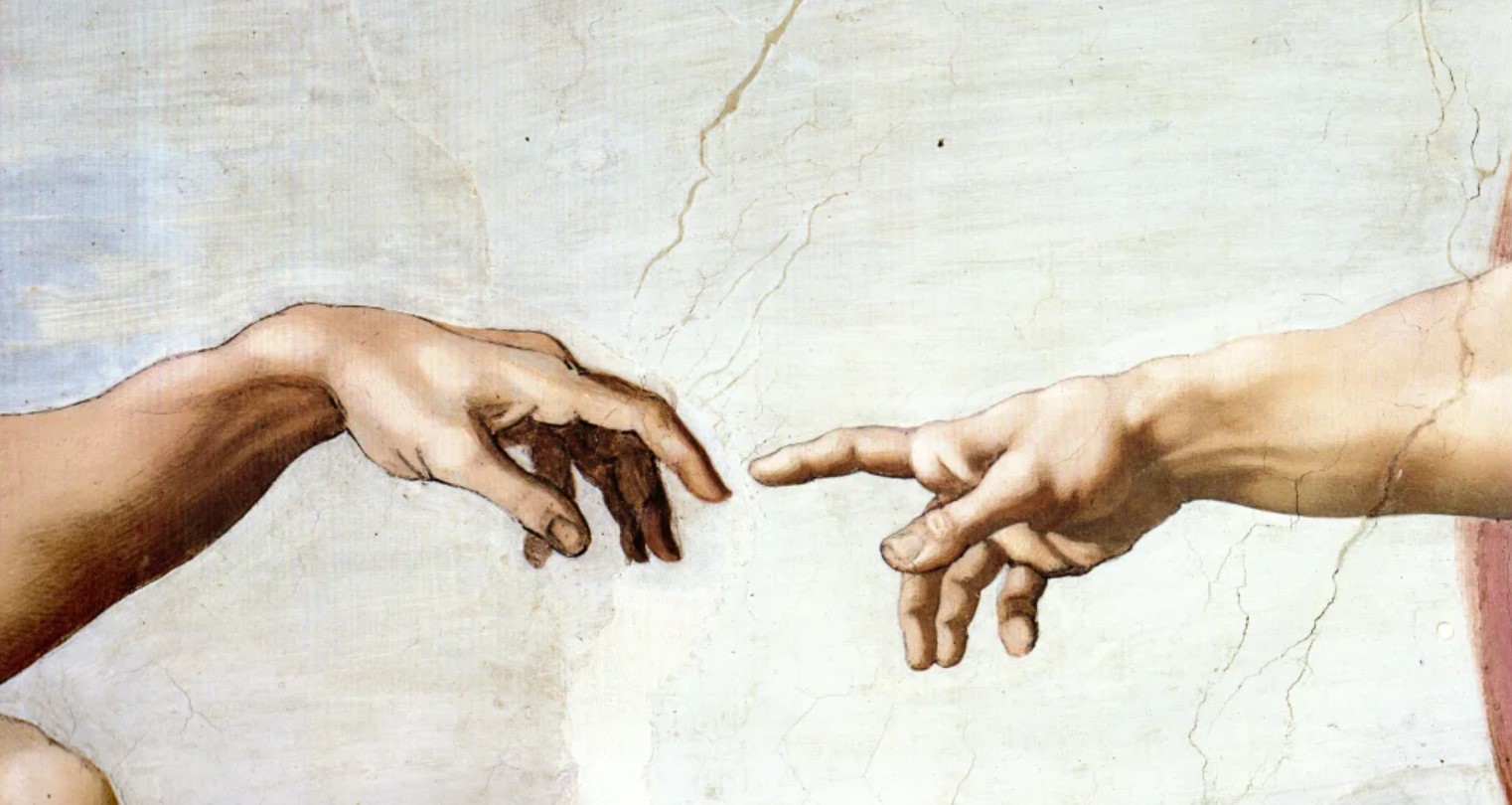
Ebbene, Adamo mollemente adagiato su quella roccia, di lì a poco riceverà il dono dell’anima. Per spostare l’attenzione dello spettatore proprio sulle dita che stanno per toccarsi, eseguii un calcolo abbastanza preciso delle diagonali formate dalle braccia tese.
La mano di Adamo è priva di forza: osservate con attenzione le dita rivolte verso il basso, rendono molto bene l’idea.
Ora perché vi ho accennato alle dicerie che si diffondono a macchia d’olio sulla rete?
La storiella ripetuta con un estenuante copia e incolla è questa: viene detto che quando ebbi finito il lavoro furono convocati gli alti prelati affinché ne prendessero visione. Rimasero entusiasti ma non per un dettaglio, quello per l’appunto del dito di Adamo che toccava quello di Dio. Mi fu richiesto di modificare la posizione per evitare che i due protagonisti si toccassero, lasciando ad Adamo il libero arbitrio.
Nessuno mi chiese di modificare quella posizione. Vorrei sapere chi per primo si è inventato questa roba perché di invenzione bell’e buona si tratta.

Non ho ritoccato la posizione che avevo pensato per quelle dita, figuriamoci. Ma pensate un attimo anche dal punto di vista tecnico. Avrei fatto smontare i ponteggi perché l’opera era ultimata, mostrato ai prelati il lavoro (poi chi sarebbero gli alti prelati che avevano tutta quella influenza su di me se nemmeno papa Giulio II avrebbe osato tanto?), fatto rimontare i ponteggi per modificare quella parte per altro dipinta in affresco?
Oltre ad essere una notizia che non viene menzionata in alcun documento, già di per sé non regge.
Vi faccio notare un dettaglio.
Che libero arbitrio potrebbe mai aver avuto Adamo prima di ricevere il soffio vitale di Dio raccontato nella Bibbia e raffigurato da me sotto forma di tocco divino?
Il libero arbitrio è venuto dopo la sua creazione, quando Dio spiegò a lui ed Eva che tutto quello che vedeva nel Paradiso era a loro disposizione, meno che i frutti proibiti di quel melo. Melo che preferii raffigurare come un fico come nemmeno troppo velata allusione sessuale.

Altra cosa che forse sfugge a chi legge e approva la bischerata delle due dita che prima si toccavano. Quelle che vedono oggi non sono più originali mie ma vennero rifatte in affresco durante un restauro di vecchia data seicentesco.
A causa di un distacco, una porzione di affresco precipitò rovinosamente a terra polverizzandosi.
Ciò non toglie che il restauratore abbia fatto un ottimo lavoro dipingendo a buon fresco la falange distale del medio, parte della distale dell’anulare e la falange distale del celeberrimo indice nonché parte della sua falange intermedia.
Ecco ve l’ho detto. Non ne posso più di queste baggianate.
Il sempre vostro Michelangelo Buonarroti per il momento vi saluta dandovi appuntamento ai prossimi post e sui social.

God and Adam: The False Story of Two Fingers Originally Touching
By now, anything circulates on the net and completely arbitrary and undetectable information is mistaken for true, especially if it is liked or may have a plausible appearance.
I make this premise because from afar I have read nonsense about the panel of the Creation of Adam that I frescoed in the vault of the Sistine Chapel. The rumors specifically concern the hand of God which extends towards that of Adam who is about to receive a vital touch, even if in the Holy Scriptures reference is made to the breath which would have given life to the progenitor.
Well, Adam lying limply on that rock, will shortly receive the gift of the soul. To shift the viewer’s attention to the fingers about to touch, I performed a fairly precise calculation of the diagonals formed by the outstretched arms.
Adam’s hand lacks strength: look carefully at the fingers pointing downwards, they give the idea very well.
Now why did I mention the rumors that spread like wildfire on the net?
The little story that is repeated with an exhausting copy and paste is this: it is said that when I had finished the work the high prelates were summoned to examine it. They were enthusiastic but not for a detail, precisely that of Adam’s finger touching God’s. I was asked to change the position to prevent the two protagonists from touching each other, leaving Adam free will.
Here, no one asked me to change that position. I would like to know who first invented this stuff because it is an invention outright.
I haven’t modified the fingers, let alone. But think for a moment also from a technical point of view. I would have had the scaffolding dismantled because the work was completed, showed the work to the prelates (after all who would be the high prelates who had all that influence of me if not even Pope Julius II would have dared so much?), had the scaffolding reassembled to modify that part otherwise painted in fresco?
In addition to being news that is not mentioned in any document, it does not hold water in itself.
One more thing I’d like to point out.
What free will could Adam ever have had before receiving God’s breath of life recounted in the Bible and pictured by me as a divine touch? Free will came after his creation when God explained to him and Eve that everything they saw in Paradise was available to them, except the forbidden fruit of that apple tree. Apple tree that I preferred to depict as a fig as not too veiled a sexual allusion.
Another thing that perhaps escapes those who read and approve of the joke of the two fingers that were touching before. The ones you see today are no longer my originals but were redone in fresco during a long-standing seventeenth-century restoration. Due to a detachment, a portion of the fresco fell disastrously to the ground and was pulverized.
Nonetheless, the restorer did an excellent job of painting the distal phalanx of the middle finger, part of the distal phalanx of the ring finger and the distal phalanx of the famous index as well as part of its intermediate phalanx in good fresco.
Here I told you. I can’t take any more of this nonsense.
Your always Michelangelo Buonarroti for the moment greets you by making an appointment for the next posts and on social media.

Sostienici – Support Us
Se questo blog ti piace e ti appassiona, puoi aiutarci a farlo crescere sempre più sostenendoci in modo concreto condividendo i post, seguendo le pagine social e con un contributo che ci aiuta ad andare avanti con il nostro lavoro di divulgazione. . ENGLISH: If you like and are passionate about this blog, you can help us make it grow more and more by supporting us in a concrete way by sharing posts, following social pages and with a contribution that helps us to move forward with our dissemination work.
8,00 €
-
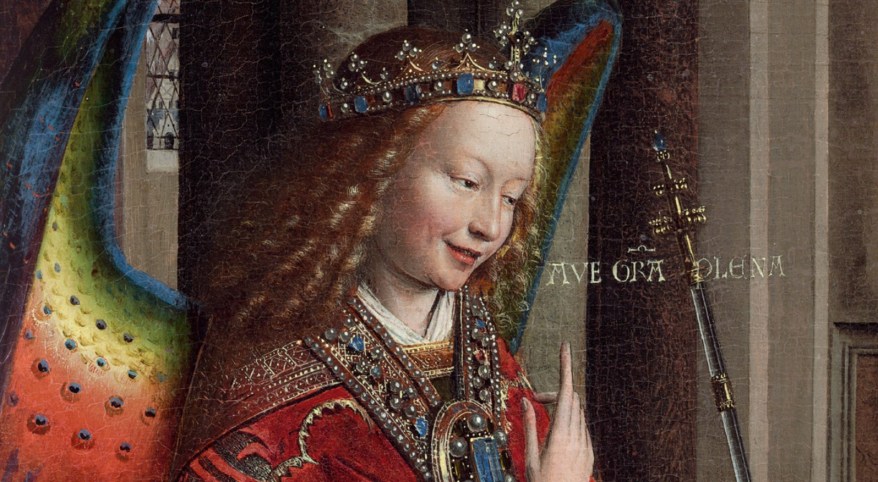
25 marzo: l’Annunciazione di Jan van Eyck, capolavoro fiammingo
🇮🇹Nel giorno del 25 marzo, tradizionalmente legato al mistero dell’Annunciazione, lo sguardo si posa su uno dei capolavori più raffinati della pittura nordica: l’Annunciazione di Jan van Eyck… 🇬🇧On March 25, traditionally linked to the mystery of the Annunciation, our gaze falls on one of the finest masterpieces of Northern European painting: The Annunciation by…
-
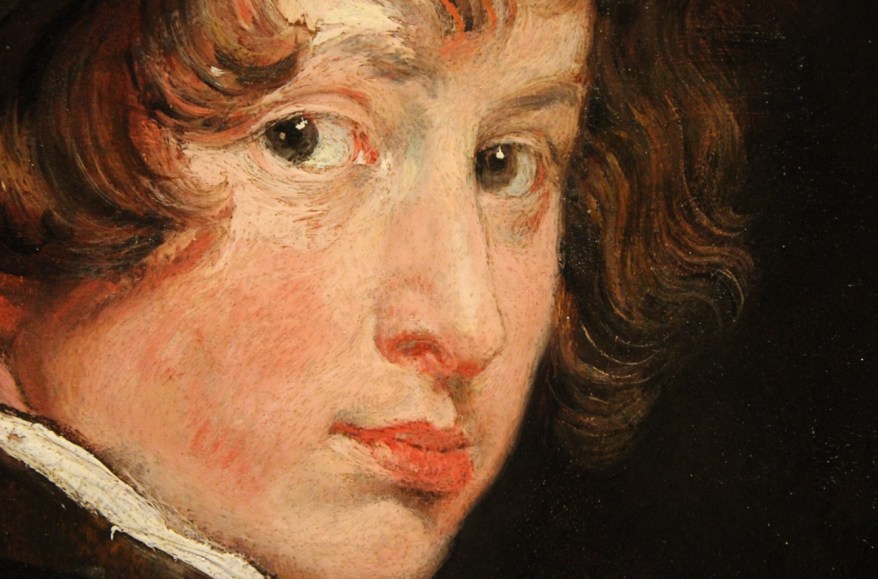
Van Dyck a Genova: la mostra che emoziona tra luce, mirabili dettagli e sguardi indimenticabili
🇮🇹Ho avuto modo di visitare la mostra “Van Dyck l’Europeo” a Genova: un viaggio emozionante tra Anversa, Genova e Londra attraverso dettagli, sguardi e capolavori senza tempo… 🇬🇧I had the opportunity to visit the exhibition “Van Dyck the European” in Genoa: an exciting journey between Antwerp, Genoa, and London through details, glances, and timeless masterpieces…
-
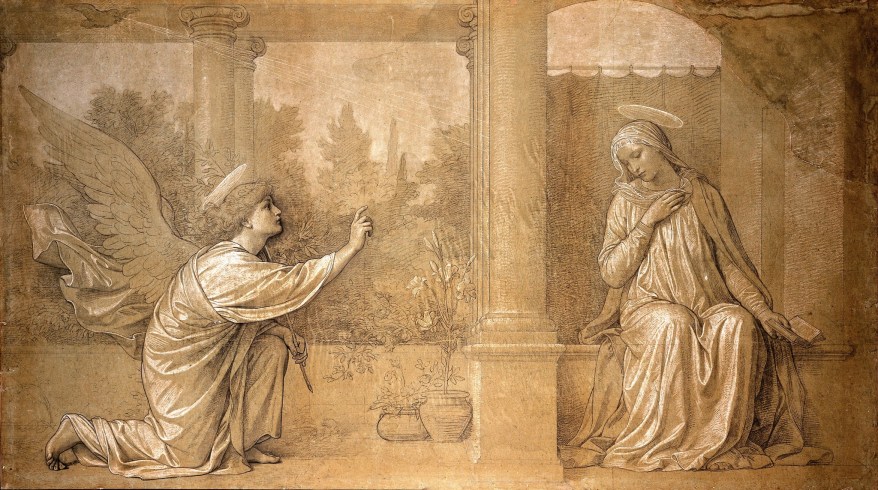
Quando il Capodanno cadeva il 25 marzo: l’Annunciazione di Alessandro Franchi
🇮🇹Il 25 marzo si celebra l’Annunciazione che per secoli, a Firenze e nel resto della Toscana, segnava l’inizio del nuovo anno. Tra le opere più suggestive che raffigurano l’Annunciazione, vi propongo il cartone realizzato da Alessandro Franchi intorno al 1884… 🇬🇧March 25th marks the celebration of the Annunciation, which for centuries marked the beginning of…
Condividi:


Questo sono io





sostienici

Sostienici – Support Us
Se questo blog ti piace e ti appassiona, puoi aiutarci a farlo crescere sempre più sostenendoci in modo concreto condividendo i post, seguendo le pagine social e con un contributo che ci aiuta ad andare avanti con il nostro lavoro di divulgazione. . ENGLISH: If you like and are passionate about this blog, you can help us make it grow more and more by supporting us in a concrete way by sharing posts, following social pages and with a contribution that helps us to move forward with our dissemination work.
€10,00


1 commento »