

La Scultura del giorno: il Genio delle Arti svela la Natura di Leopold Kiesling
La scultura del giorno che vi propongo oggi è Il Genio delle Arti svela la Natura dell’artista Leopold Kiesling.
Il prototipo in gesso dell’opera venne nominato per la prima volta dal giornale Morgenblatt für gebildete Stände nel 1809 citandolo come il “modello del Genio, che, tenendo un alloro nella destra, svela con la mano sinistra la natura, che viene rappresentata nel modo delle statue antiche.”

L’anno successivo, nel 1810, Kiesling ultimò su commissione a Roma la versione in marmo e finì il suo soggiorno nella Città Eterna dopo nove anni di permanenza. Fece ritorno in Germania portandosi dietro le sculture che aveva creato nel frattempo.
In pratica Kiesling dopo i tre anni di patronato e poi riuscì a prolungare la propria permanenza in città grazie alle sollecitazioni di Canova e alla protezione diretta e al lauto finanziamento elargito dell’Imperatore d’Austria Francesco II.

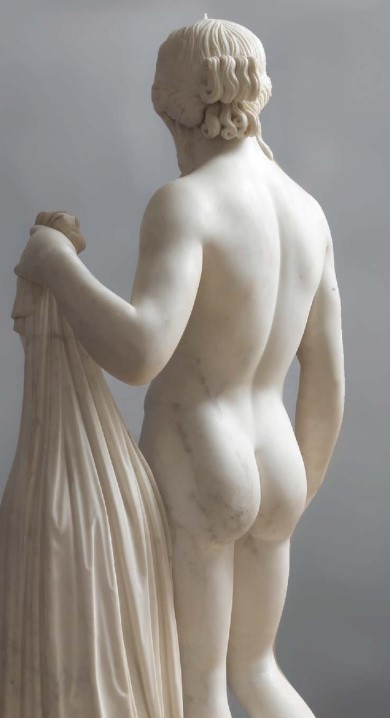
L’opera di Kiesling una figura a grandezza poco minore del naturale e rappresenta il genio delle arti che svela la natura. Il giovane di belle fattezze tiene in mano la corona della fama e alza con l’altra un velo che fino al momento copriva la dea della natura.
L’allegoria della natura ha degli inserti in bronzo dorato e indossa un abito decorato con le tre Grazie.

Sul capo del Genio compare la fiamma della conoscenza che arde.
Il giovane è completamente privo di qualsiasi veste e indossa solamente una fascia sopra i capelli che ricadono fluenti sulle sue spalle.
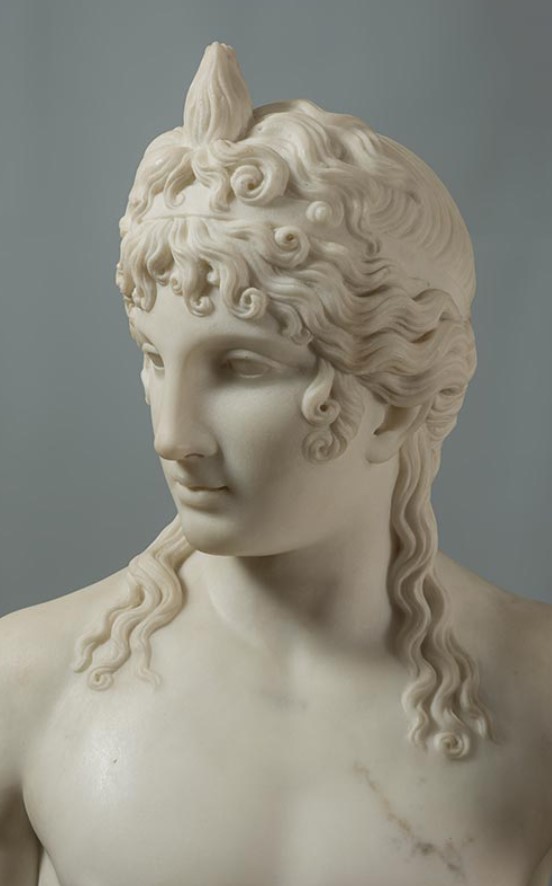
L’opera del Genio di Kiesling appartiene alla Princely Collection del Liechtenstein.
Per il momento il vostro Michelangelo Buonarroti vi saluta dandovi appuntamento ai prossimi post e sui social.
Sculpture of the day: the Genius of the Arts reveals the Nature of Leopold Kiesling
The sculpture of the day that I propose to you today is The Genius of the Arts reveals the Nature of the artist Leopold Kiesling.
The plaster prototype of the work was named for the first time by the newspaper Morgenblatt für gebildete Stände in 1809 citing it as the “model of the Genius, who, holding a laurel in his right hand, reveals nature with his left hand, which is represented in the of ancient statues.
The following year, in 1810, Kiesling completed the marble version on commission in Rome and ended his stay in the Eternal City after nine years of stay. He returned to Germany taking with him the sculptures he had created in the meantime.
In practice Kiesling after the three years of patronage and then managed to extend his stay in the city thanks to the solicitations of Canova and the direct protection and generous funding bestowed by the Emperor of Austria Francis II.
Kiesling’s work is a slightly smaller than life-size figure and represents the genius of the arts unveiling nature. The young man with beautiful features holds the crown of fame in his hand and raises a veil that until now covered the goddess of nature.
The allegory of nature has gilt bronze inserts and wears a dress decorated with the three Graces.
The flame of burning knowledge appears on the head of the Genius.
The young man is completely devoid of any clothing and wears only a band over his hair that falls flowing on his shoulders.
The work of the Genius of Kiesling belongs to the Princely Collection of Liechtenstein.
For the moment, your Michelangelo Buonarroti greets you by making an appointment for the next posts and on social media.

Sostienici – Support Us
Se questo blog ti piace e ti appassiona, puoi aiutarci a farlo crescere sempre più sostenendoci in modo concreto condividendo i post, seguendo le pagine social e con un contributo che ci aiuta ad andare avanti con il nostro lavoro di divulgazione. . ENGLISH: If you like and are passionate about this blog, you can help us make it grow more and more by supporting us in a concrete way by sharing posts, following social pages and with a contribution that helps us to move forward with our dissemination work.
8,00 €
-
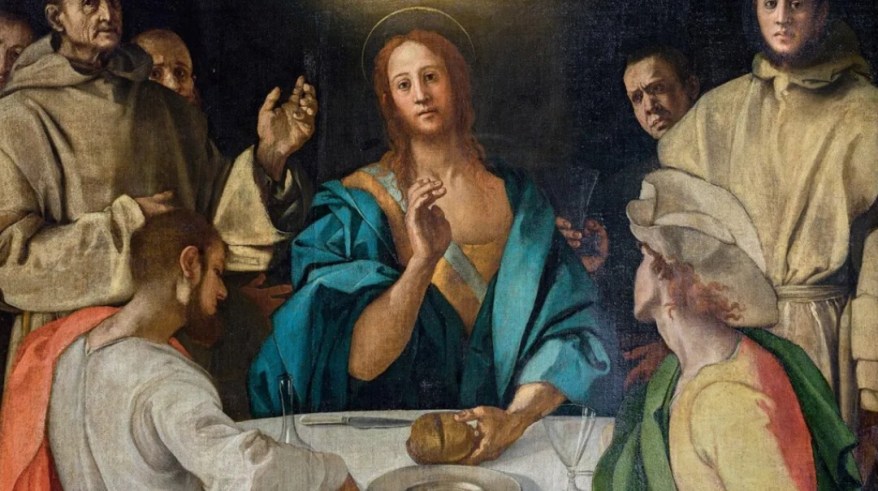
Cena in Emmaus di Pontormo: il pane, il gatto e il cane alle Scuderie del Quirinale
La Cena in Emmaus di Pontormo nasconde dettagli sorprendenti: il significato del pane, i simboli e il mistero della Resurrezione. Scopri il capolavoro del 1525 in mostra alle Scuderie del Quirinale a Roma… 🇬🇧Pontormo’s *Supper at Emmaus* conceals surprising details: the significance of the bread, various symbols, and the mystery of the Resurrection. Discover this…
-
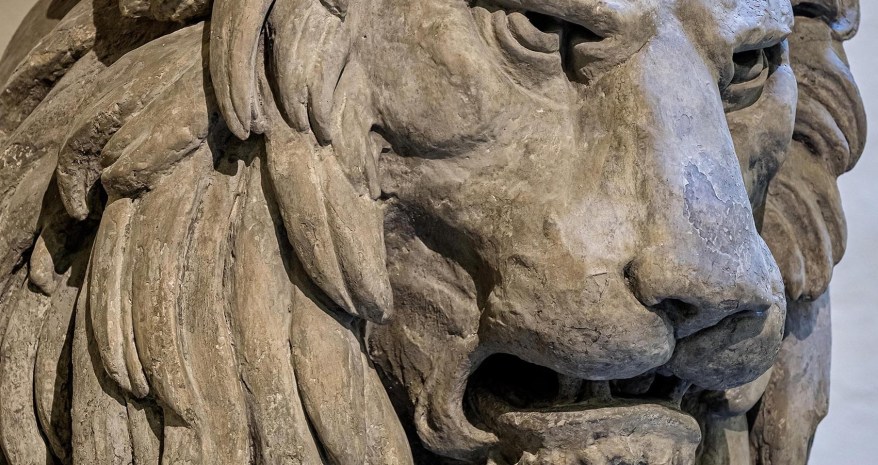
Palazzo Vecchio, il restauro svela la vera natura dei quattro leoni e il mistero della fontana greca
🇮🇹Restaurato il Cortile della Dogana di Palazzo Vecchio a Firenze: i quattro leoni sono calchi, una fontana conserva un’iscrizione greca da studiare e tornano a funzionare entrambe le fontane… 🇬🇧The Cortile della Dogana (Customs Courtyard) at Palazzo Vecchio in Florence has been restored: the four lions are casts, one fountain features a Greek inscription that…
-
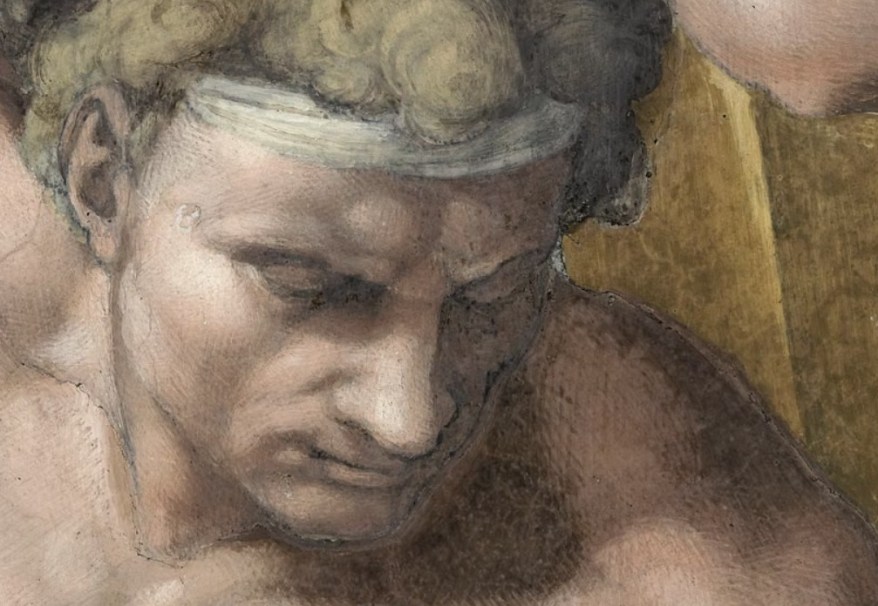
Disma, il buon ladrone nel Giudizio Universale: la misericordia e la giustizia divina
Nel Giudizio Universale della Cappella Sistina ci sono particolari che rischiano di passare inosservati, anche a chi ha avuto la fortuna di alzare gli occhi verso la mia grande parete. Tra i corpi che si sollevano, gli angeli che suonano le trombe e le anime che cercano di raggiungere il cielo, ci sono figure che…
Condividi:


Questo sono io




sostienici

Sostienici – Support Us
Se questo blog ti piace e ti appassiona, puoi aiutarci a farlo crescere sempre più sostenendoci in modo concreto condividendo i post, seguendo le pagine social e con un contributo che ci aiuta ad andare avanti con il nostro lavoro di divulgazione. . ENGLISH: If you like and are passionate about this blog, you can help us make it grow more and more by supporting us in a concrete way by sharing posts, following social pages and with a contribution that helps us to move forward with our dissemination work.
€10,00


