
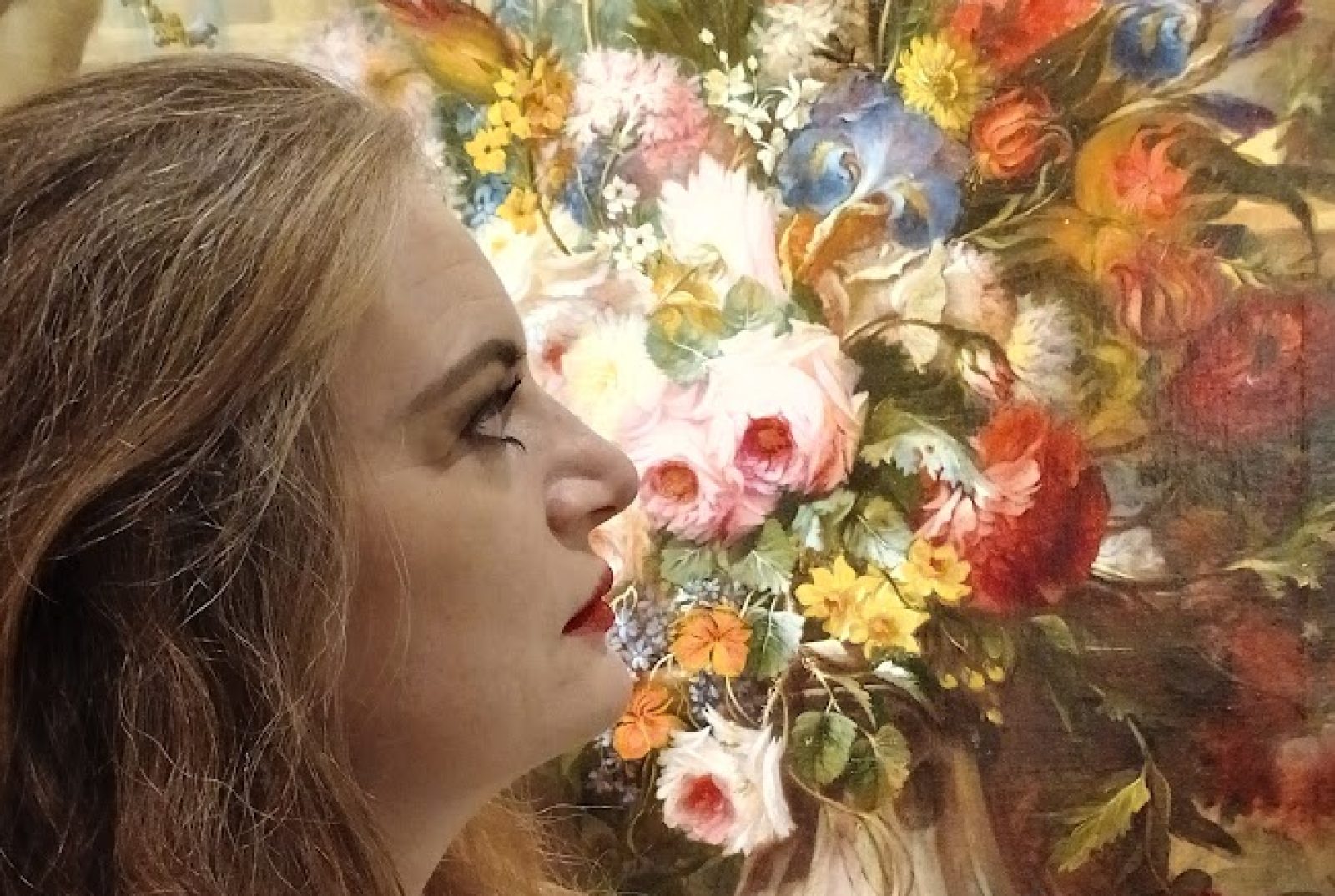
Il mio rapporto con la musica
Tanto s’è scritto e narrato sulla vita e le opere mie ma ancora tanto c’è da raccontare. Oggi vi voglio parlare un po’ del rapporto che avevo con la musica.
Qualsiasi forma d’arte m’appassionava, mi emozionava ed era in grado di rapirmi letteralmente. Come non avrei potuto dunque amare la musica?

Non imparai a suonare uno strumento ma mi affascinava chi sapeva farlo come quel suonatore di viola che ebbi modo di conoscere quando risiedevo a casa del Magnifico, in via Larga.
Tempo dopo non perdevo occasione a Firenze per andare ad ascoltare con qualche amico il Pulci che sapeva suonare e cantava divinamente.
Bartolomeo Tromboncino, una figura poco raccomandabile che alla corte dei Gonzaga a Mantova uccise la moglie e il suo amante, era un notevole compositore. Arrivò a Firenze e nel 1518 e volle aggiungere musica a uno dei miei più celebri madrigali che inizia con la strofa “Com’arà dunque ardire”.

Ebbene, fu proprio il Tromboncino a dare per primo alle stampe un mio componimento poetico. Quel madrigale musicato fu stampato infatti a Napoli sempre nel 1518 da Giovanni Martini.
Negli anni a seguire ad altri mei versi, musicisti come il Festa, cantore della Cappella Pontificia, o il celebre Arcadet, vollero aggiungere la musica.
Per il momento il vostro Michelangelo Buonarroti vi saluta dandovi appuntamento ai prossimi post e sui social.
My relationship with music
Much has been written and narrated about my life and works but there is still so much to tell. Today I want to talk to you a little about the relationship I had with music.
Any form of art fascinated me, moved me and was able to literally kidnap me. So how could I not love music?
I didn’t learn to play an instrument but I was fascinated by those who knew how to do it like that viola player I got to know when I lived at the Magnifico’s house in via Larga.
Some time later I never missed an opportunity in Florence to go and listen to Pulci with some friends, he knew how to play and sang divinely.
Bartolomeo Tromboncino, a disreputable figure who killed his wife and his lover at the Gonzaga court in Mantua, was a notable composer. He arrived in Florence in 1518 and wanted to add music to one of my most famous madrigals which begins with the verse “Com’arà therefore ardire”.
Well, it was Tromboncino himself who was the first to print one of my poems. That madrigal set to music was in fact printed in Naples again in 1518 by Giovanni Martini.
In the years following other verses of mine, musicians such as Festa, cantor of the Pontifical Chapel, or the famous Arcadet, wanted to add music.
For the moment, your Michelangelo Buonarroti greets you by making an appointment for the next posts and on social media.

Sostienici – Support Us
Se questo blog ti piace e ti appassiona, puoi aiutarci a farlo crescere sempre più sostenendoci in modo concreto condividendo i post, seguendo le pagine social e con un contributo che ci aiuta ad andare avanti con il nostro lavoro di divulgazione. . ENGLISH: If you like and are passionate about this blog, you can help us make it grow more and more by supporting us in a concrete way by sharing posts, following social pages and with a contribution that helps us to move forward with our dissemination work.
8,00 €
-
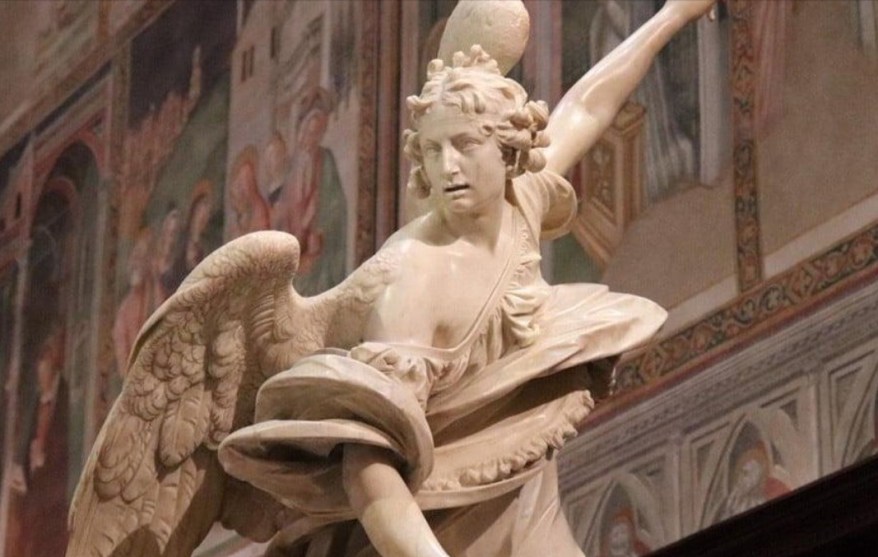
Francesco Mochi, lo scultore che liberò il marmo e il bronzo dal silenzio prima di Bernini
🇮🇹Prima di Bernini, c’è stato Francesco Mochi: scultore straordinario del Seicento, Mochi anticipò il dinamismo barocco con figure che sembrano sul punto di uscire dalla pietra e cavalli di bronzo carichi di energia… 🇬🇧Before Bernini, there was Francesco Mochi—an extraordinary 17th-century sculptor who anticipated Baroque dynamism with figures that seem on the verge of stepping…
-

Kekova, Turchia: trovato un relitto di quasi 5.000 anni fa
🇮🇹Al largo di Kekova, in Turchia, un relitto che potrebbe risalire a 4.700 anni fa riporta l’attenzione sugli antichi commerci del Mediterraneo… 🇬🇧Off the coast of Kekova, in Türkiye, a shipwreck that may date back 4,700 years is drawing renewed attention to ancient Mediterranean trade…
-
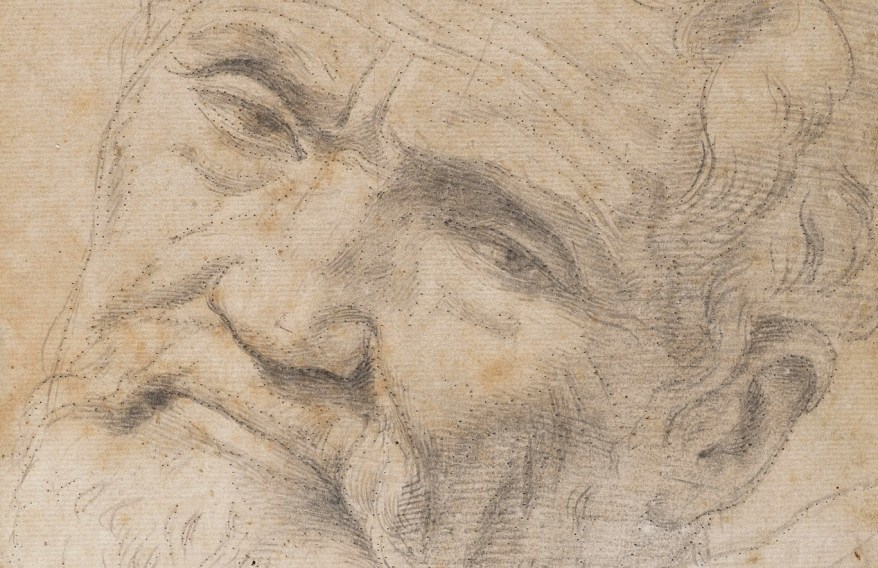
Se l’inferno fosse con te, sarebbe dolce
🇮🇹Vi racconto un mio madrigale sull’amore impossibile, la bellezza crudele e il desiderio di condividere con chi amo persino l’Inferno… 🇬🇧Let me share with you a madrigal of mine about impossible love, cruel beauty, and the desire to share even Hell with the one I love…
Condividi:


Questo sono io




sostienici

Sostienici – Support Us
Se questo blog ti piace e ti appassiona, puoi aiutarci a farlo crescere sempre più sostenendoci in modo concreto condividendo i post, seguendo le pagine social e con un contributo che ci aiuta ad andare avanti con il nostro lavoro di divulgazione. . ENGLISH: If you like and are passionate about this blog, you can help us make it grow more and more by supporting us in a concrete way by sharing posts, following social pages and with a contribution that helps us to move forward with our dissemination work.
€10,00


