
Cristo Velato, il mistero del velo che sembra trasparente: come Sanmartino riuscì a scolpirlo nel marmo
Un corpo senza vita coperto da un velo così sottile da sembrare trasparente. Le costole, le mani, i piedi, le stimmate e persino gli strumenti della Passione emergono dal marmo con una precisione sorprendente.
È il Cristo Velato di Giuseppe Sanmartino, uno dei capolavori più celebri della scultura settecentesca, custodito nella Cappella di Sansevero a Napoli.
Il Cristo Velato: la scultura che sembra sfidare il marmo
Ci sono opere davanti alle quali è difficile capire dove finisca la materia e dove inizi l’illusione. Il Cristo Velato è una di queste.
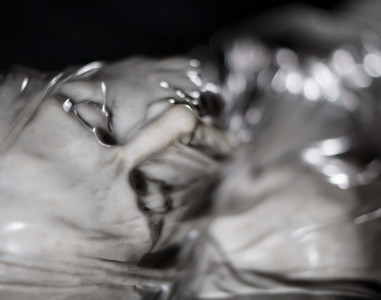
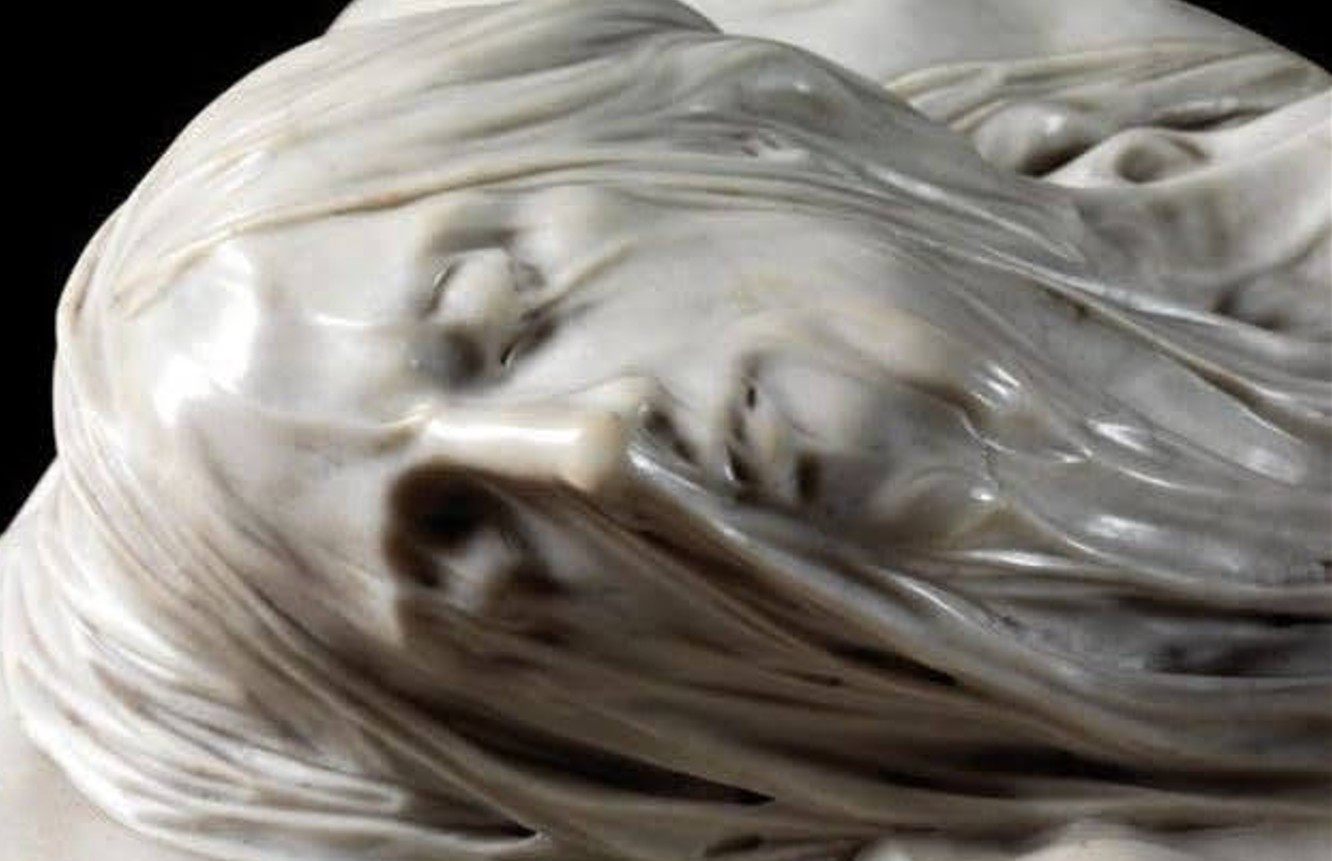
Avvicinandosi alla scultura, il primo elemento che cattura lo sguardo è quel velo marmoreo che aderisce al corpo di Cristo, seguendone con estrema precisione le forme. Non è semplicemente appoggiato sulla figura: sembra quasi fondersi con essa, lasciando intravedere il volto, il torace, le gambe e gli arti.
È proprio questa straordinaria resa del velo ad aver alimentato per secoli racconti, interpretazioni e leggende. Dietro quello che sembra un prodigio c’è solo la straordinaria abilità di uno scultore: Giuseppe Sanmartino.
Il committente del Cristo Velato
A commissionare l’opera fu Raimondo di Sangro, settimo principe di Sansevero, una delle figure più enigmatiche della Napoli del XVIII secolo.
La fama del principe, legata anche ai suoi interessi scientifici e alle sue sperimentazioni, contribuì nel tempo ad alimentare l’aura misteriosa che ancora oggi circonda la Cappella di Sansevero. In un primo momento il Cristo Velato era stato affidato allo scultore Antonio Corradini, ma la morte dell’artista nel 1752 impedì che potesse portare a termine il progetto.
L’incarico passò quindi a Giuseppe Sanmartino, al quale Raimondo di Sangro affidò la realizzazione della scultura e il risultato fu un’opera destinata a diventare una delle immagini più riconoscibili dell’arte non solo napoletana ma mondiale.
Giuseppe Sanmartino e quel corpo di Cristo disteso sul materasso
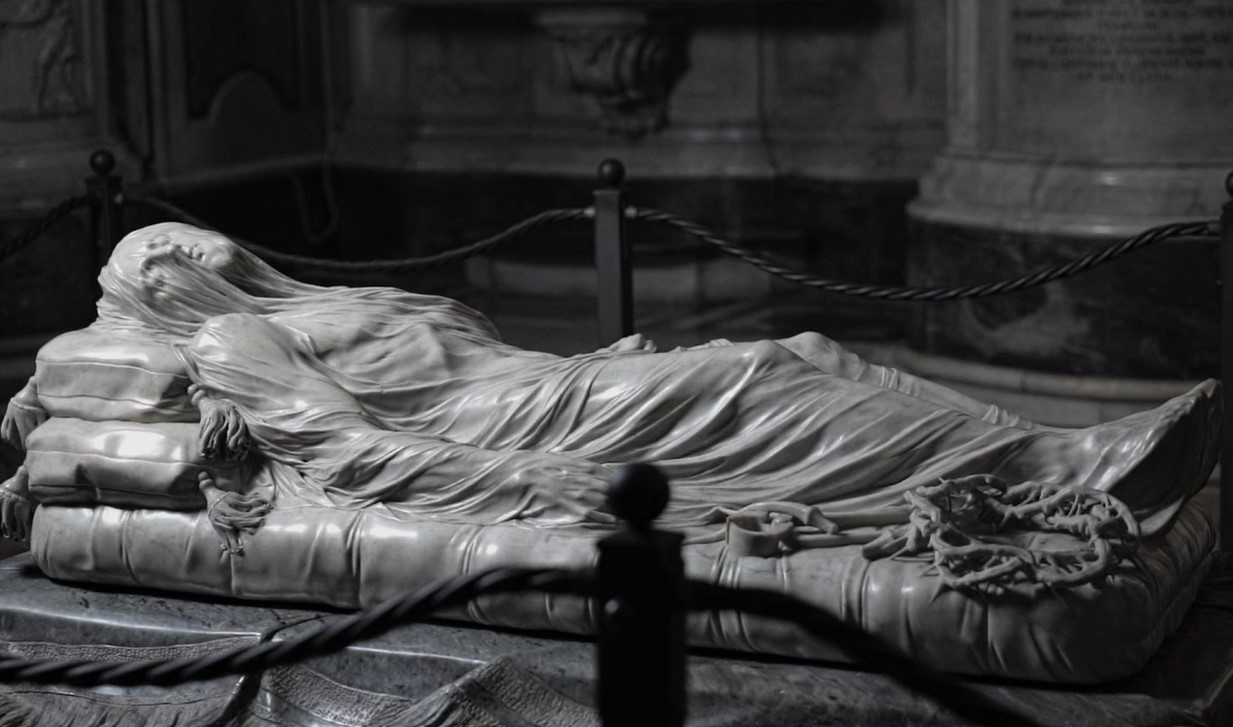
Sanmartino rappresentò Cristo morto, disteso su un materasso, con il capo leggermente sollevato da due cuscini sovrapposti. La figura è coperta da un sottilissimo sudario che, anziché nascondere il corpo, sembra rivelarne ogni dettaglio.
Attraverso il marmo si distinguono le forme anatomiche del corpo, le costole, le gambe, il volto e le ferite della Passione. Sulle mani e sui piedi sono visibili i segni della crocifissione, mentre accanto al corpo sono disposti alcuni degli strumenti legati alla Passione di Cristo: i chiodi, la corona di spine e le tenaglie utilizzate per estrarre i chiodi dalla croce.
Sanmartino trasforma ogni elemento in un dettaglio essenziale della narrazione. Anche il bordo del velo è lavorato con una precisione sorprendente.
La firma di Sanmartino è sul basamento
La paternità dell’opera non è affidata soltanto alla tradizione. Sul basamento compare infatti la firma dello scultore: “Joseph Sammartino, Neap., fecit, 1753”.
È il 1753, l’anno generalmente associato alla conclusione del Cristo Velato. Sanmartino riuscì così a trasformare un blocco di marmo in una figura nella quale il corpo, il sudario e gli oggetti della Passione sembrano appartenere a un’unica composizione perfettamente calibrata.
Ma il velo è davvero marmo?
Come è possibile che un materiale duro e compatto come il marmo possa sembrare così leggero, sottile e trasparente? La risposta non è certo un misterioso procedimento alchemico: il velo è marmo e appartiene alla stessa scultura.
Nel corso del tempo, però, la fama di Raimondo di Sangro come uomo interessato all’alchimia, alla scienza e alle sperimentazioni contribuì alla nascita di una leggenda secondo la quale il principe avrebbe trasformato un tessuto in marmo attraverso un procedimento segreto.
Una storia affascinante, ma che non trova riscontro nella realtà materiale dell’opera. Il Cristo Velato è una scultura ricavata da un unico blocco di marmo, lavorato da Sanmartino con una tecnica straordinariamente raffinata. Non c’è trucco, non c’è inganno ma solo il marmo e le straordinarie capacità scultoree del Sanmartino.

Il velo non nasconde, rivela
La genialità di Sanmartino sta anche nel modo in cui utilizza il sudario. Normalmente un velo dovrebbe nascondere ma lui fa il contrario.
Il velo rende visibile ciò che dovrebbe celare.
Le forme del corpo di Cristo emergono sotto la superficie e il tessuto sembra aderire alla pelle. Il volto appare quieto, gli occhi sono chiusi, la bocca leggermente dischiusa.
È una morte silenziosa.
Anche Canova rimase affascinato dal Cristo Velato
La fama del capolavoro di Sanmartino superò rapidamente i confini di Napoli. Nel Settecento la Cappella di Sansevero e il Cristo Velato erano una tappa importante del Grand Tour, il lungo viaggio attraverso l’Italia compiuto da aristocratici, intellettuali e artisti europei.
Tra coloro che rimasero affascinati dalla scultura ci fu anche Antonio Canova, che avrebbe desiderato acquistare l’opera. A Canova viene attribuita anche la celebre frase secondo la quale avrebbe dato dieci anni della propria vita pur di essere l’autore del Cristo Velato.
Al di là dell’aneddoto, il successo dell’opera presso gli artisti e i viaggiatori europei testimonia quanto fosse già considerata eccezionale nel XVIII secolo.
Anche il marchese de Sade, durante il suo viaggio in Italia, rimase colpito dalla scultura, soffermandosi sulla raffinatezza delle proporzioni e sull’effetto complessivo dell’opera.

Il Cristo Velato e la leggenda che continua a vivere
Ancora oggi intorno al Cristo Velato resistono racconti secondo i quali Raimondo di Sangro avrebbe utilizzato conoscenze alchemiche per ottenere il velo marmorizzato.
La documentazione storica e lo studio dell’opera riconducono però il capolavoro alla lavorazione scultorea di Sanmartino. La leggenda, tuttavia, continua a far parte della storia della percezione del Cristo Velato.
La scultura è talmente straordinaria da sembrare essa stessa una leggenda. Non serve l’alchimia per spiegare quel velo: basta guardare attentamente il marmo.
La prossima volta che vi troverete davanti al Cristo Velato, provate a guardare prima il volto, poi le mani, quindi il torace e infine il bordo del sudario: il vero prodigio è che Sanmartino è riuscito a farci dimenticare che quel velo è marmo.
Per il momento il sempre vostro Michelangelo Buonarroti vi saluta dandovi appuntamento ai prossimi post e sui social.
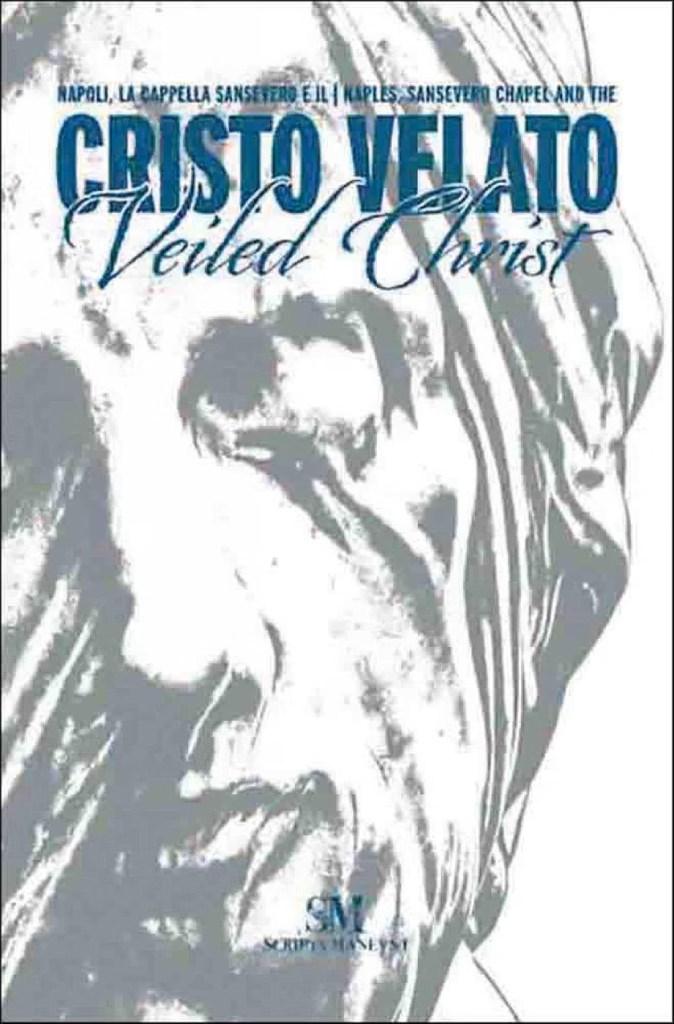
The Veiled Christ: the mystery of the veil that appears transparent—how Sanmartino managed to carve it in marble
A lifeless body covered by a veil so fine it appears transparent. The ribs, hands, feet, stigmata, and even the instruments of the Passion emerge from the marble with astonishing precision. This is the Veiled Christ by Giuseppe Sanmartino, one of the most celebrated masterpieces of 18th-century sculpture, housed in the Sansevero Chapel in Naples.
The Veiled Christ: the sculpture that seems to defy the nature of marble
There are works of art where it is difficult to tell where the material ends and the illusion begins. The Veiled Christ is one of them.
As one approaches the sculpture, the first element that catches the eye is the marble veil clinging to Christ’s body, tracing its contours with extreme precision. It does not merely rest upon the figure; it seems almost to merge with it, allowing the face, chest, legs, and limbs to be glimpsed beneath.
It is precisely this extraordinary rendering of the veil that has fueled centuries of stories, interpretations, and legends. Behind what appears to be a miracle lies nothing more than the extraordinary skill of a sculptor: Giuseppe Sanmartino.
The patron of the Veiled Christ
The work was commissioned by Raimondo di Sangro, seventh Prince of Sansevero and one of the most enigmatic figures of 18th-century Naples.
The Prince’s reputation—linked to his scientific interests and experiments—helped foster the mysterious aura that still surrounds the Sansevero Chapel today. Initially, the Veiled Christ project had been entrusted to the sculptor Antonio Corradini, but the artist’s death in 1752 prevented him from completing the work. The commission then passed to Giuseppe Sanmartino, whom Raimondo di Sangro entrusted with creating the sculpture; the result was a work destined to become one of the most recognizable images in art—not only in Naples but worldwide.
Giuseppe Sanmartino and that body of Christ laid upon the mattress
Sanmartino depicted the dead Christ lying on a mattress, his head slightly raised by two stacked pillows. The figure is covered by an incredibly fine shroud that, rather than concealing the body, seems to reveal its every detail.
Through the marble, one can discern the body’s anatomical forms—the ribs, legs, and face—as well as the wounds of the Passion. The marks of the crucifixion are visible on the hands and feet, while arranged beside the body are some of the instruments associated with Christ’s Passion: the nails, the crown of thorns, and the pliers used to extract the nails from the cross.
Sanmartino transforms every element into an essential detail of the narrative. Even the edge of the veil is crafted with astonishing precision.
Sanmartino’s signature is on the base
The work’s authorship does not rely on tradition alone; the sculptor’s signature actually appears on the base: “Joseph Sammartino, Neap., fecit, 1753.”
1753 is the year generally associated with the completion of the Veiled Christ. Sanmartino thus succeeded in transforming a block of marble into a figure where the body, the shroud, and the objects of the Passion seem to belong to a single, perfectly balanced composition.
But is the veil really marble?
How is it possible for a hard, dense material like marble to appear so light, thin, and transparent? The answer is certainly not some mysterious alchemical process: the veil is marble and is part of the sculpture itself. Over time, however, Raimondo di Sangro’s reputation as a man interested in alchemy, science, and experimentation gave rise to a legend claiming that the prince had transformed fabric into marble using a secret process.
It is a fascinating story, yet one unsupported by the physical reality of the work itself. The Veiled Christ is a sculpture carved from a single block of marble, worked by Sanmartino using an extraordinarily refined technique. There is no trickery, no deception—only the marble and Sanmartino’s extraordinary sculptural skill.
The veil does not hide; it reveals.
Sanmartino’s genius also lies in his use of the shroud. Normally, a veil is meant to conceal, but he does the opposite.
The veil makes visible what it ought to hide.
The contours of Christ’s body emerge beneath the surface, and the fabric appears to cling to the skin. The face looks serene; the eyes are closed, the mouth slightly parted.
It is a silent death.
Even Canova was captivated by the Veiled Christ
The fame of Sanmartino’s masterpiece quickly spread beyond Naples. In the 18th century, the Sansevero Chapel and the Veiled Christ were key stops on the Grand Tour—the long journey through Italy undertaken by European aristocrats, intellectuals, and artists.
Among those captivated by the sculpture was Antonio Canova, who reportedly tried to purchase the work. Canova is also credited with the famous remark that he would have given ten years of his life to be the creator of the Veiled Christ.
Beyond the anecdote, the work’s success among European artists and travelers bears witness to just how exceptional it was considered to be as early as the 18th century.
Even the Marquis de Sade, during his travels in Italy, was struck by the sculpture, noting the refinement of its proportions and the overall effect of the piece.
The Veiled Christ and the enduring legend
To this day, stories persist surrounding the Veiled Christ, claiming that Raimondo di Sangro used alchemical knowledge to create the marble veil.
However, historical documentation and analysis of the work attribute the masterpiece to Sanmartino’s sculptural craftsmanship. Yet, the legend remains part of the history of how the Veiled Christ is perceived.
The sculpture is so extraordinary that it seems like a legend in itself. No alchemy is needed to explain that veil: one need only look closely at the marble.
The next time you find yourself standing before the Veiled Christ, try looking first at the face, then the hands, then the chest, and finally the edge of the shroud: the true marvel is that Sanmartino managed to make us forget that the veil is made of marble.
For now, yours truly, Michelangelo Buonarroti, bids you farewell and looks forward to seeing you in future posts and on social media.

Sostienici – Support Us
Se questo blog ti piace e ti appassiona, puoi aiutarci a farlo crescere sempre più sostenendoci in modo concreto condividendo i post, seguendo le pagine social e con un contributo che ci aiuta ad andare avanti con il nostro lavoro di divulgazione. . ENGLISH: If you like and are passionate about this blog, you can help us make it grow more and more by supporting us in a concrete way by sharing posts, following social pages and with a contribution that helps us to move forward with our dissemination work.
10,00 €
-
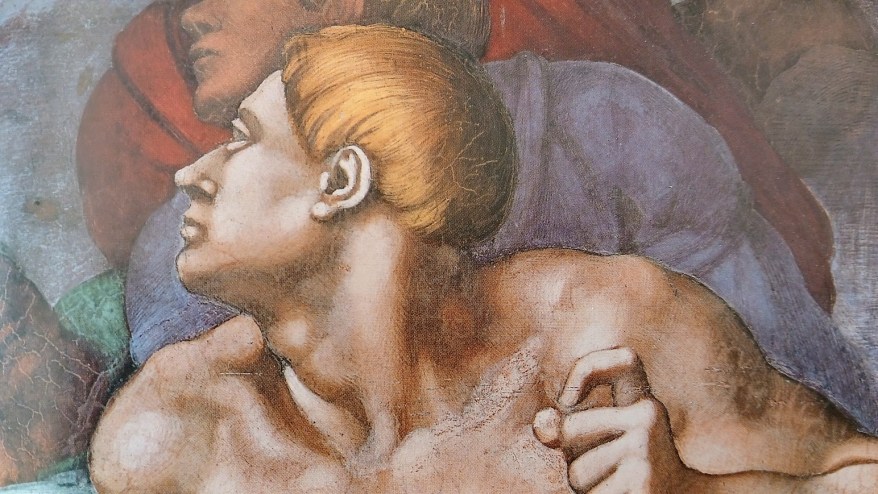
Il taglio a scodella nel Cinquecento: la curiosa acconciatura che compare nel Giudizio Universale della Sistina
🇮🇹Prima dei caschetti moderni e delle tendenze lanciate dai parrucchieri, nel Cinquecento esistevano già acconciature che ricordano sorprendentemente quelle di oggi e nel Giudizio Universale si vede bene… 🇬🇧<Long before modern bobs and trends set by hairstylists, 16th-century hairstyles existed that are surprisingly reminiscent of today's styles—as clearly seen in *The Last Judgment*…
-

La Natività mistica di Botticelli: il significato nascosto del dipinto più enigmatico del Natale
🇮🇹Angeli danzanti, demoni in fuga e una profezia apocalittica: scopri che cosa si nasconde nella Natività mistica di Sandro Botticelli, il dipinto che trasforma la nascita di Gesù in un messaggio di speranza per un mondo in crisi… 🇬🇧Dancing angels, fleeing demons, and an apocalyptic prophecy: discover what lies hidden in Sandro Botticelli’s *Mystic Nativity*,…
-
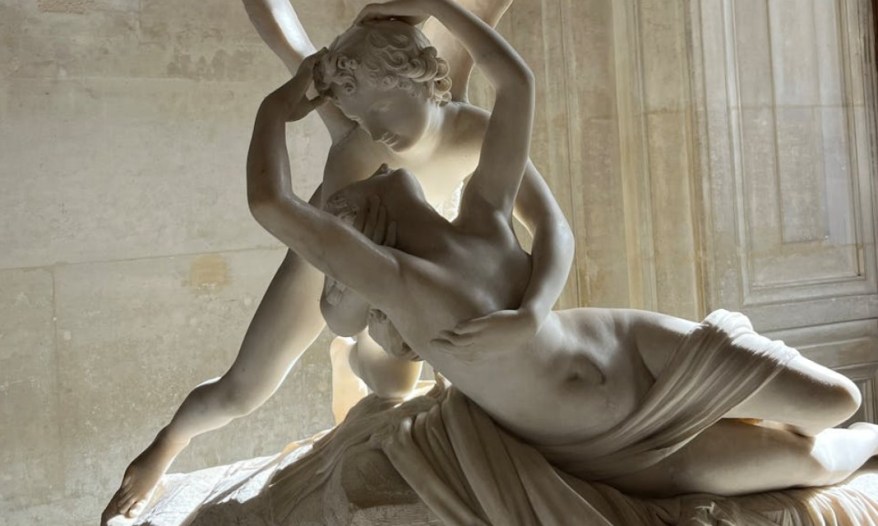
Antonio Canova, 13 ottobre 1822: muore lo scultore che diede vita al marmo
🇮🇹Il 13 ottobre 1822 moriva Antonio Canova. Scopri la vita, i capolavori, il rapporto con Napoleone e la missione per recuperare le opere d’arte italiane… 🇬🇧Antonio Canova died on October 13, 1822. Discover his life, his masterpieces, his relationship with Napoleon, and his mission to recover Italian works of art…
Condividi:


Questo sono io




sostienici

Sostienici – Support Us
Se questo blog ti piace e ti appassiona, puoi aiutarci a farlo crescere sempre più sostenendoci in modo concreto condividendo i post, seguendo le pagine social e con un contributo che ci aiuta ad andare avanti con il nostro lavoro di divulgazione. . ENGLISH: If you like and are passionate about this blog, you can help us make it grow more and more by supporting us in a concrete way by sharing posts, following social pages and with a contribution that helps us to move forward with our dissemination work.
€10,00


Un’opera incredibile, pazzesca! 👏👏👏👏👏👏👏👏👏👏👏👏👏👏👏👏👏👏👏👏
"Mi piace"Piace a 1 persona
qualcosa di unico e a mio avviso inimitabile
"Mi piace"Piace a 1 persona