

La Testa di Vecchia e la storia di Monna Ghita
La Testa di Vecchia che vi propongo è un disegno appartenente a Casa Buonarroti che per un certo periodo si è ritenuto potesse essere il ritratto di Monna Ghita.
Chi era costei? Ebbene, Monna Ghita era una tessitrice fiorentina che divenne suo malgrado protagonista di un episodio di eroismo durante il periodo della seconda Repubblica fiorentina. Già vedova, la donna che si dedicava alla tessitura della seta, passò alla storia per aver mandato il suo figliolo sedicenne Ciapo a difendere la città assediata già sapendo che forse non sarebbe più tornato a casa in vita.

L’ipotesi che avessi ritratto questa donna è poco più che una suggestione. Come è noto non amavo fare ritratti e sono davvero pochi quelli che si contano in tutta la mia produzione artistica.
Il volto della vecchia segnato dallo scorrere del tempo è arricchito dal panneggio che porta sul capo. Ha uno sguardo concentrato e chissà a cosa stia pensando. Probabilmente lo disegnai fra il 1525 e il 1530, nello stesso periodo in cui disegnai i fogli delle teste mirabili, come definì il Vasari, da regalare a Gherardo Perini.

La Testa di Vecchia ha delle forti analogie con un altro appartenente al Gabinetto dei disegni e delle Stampe degli Uffizi. In quel foglio, in fondo a destra, disegnai il capo di una signora che molto gli somiglia.
Per il momento il vostro Michelangelo Buonarroti vi saluta dandovi appuntamento ai prossimi post e sui social
The Testa di Vecchia and the story of Monna Ghita
The Head of an Old Woman that I propose to you is a drawing belonging to Casa Buonarroti which for a certain period was believed to be the portrait of Monna Ghita.
Who was she? Well, Monna Ghita was a Florentine weaver who despite herself became the protagonist of an episode of heroism during the period of the second Florentine Republic. Already a widow, the woman who dedicated herself to silk weaving, she went down in history for having sent her sixteen-year-old son Ciapo to defend the besieged city already knowing that perhaps she would never return home alive.
The hypothesis that I had portrayed this woman is little more than a suggestion. As is well known, I did not like to take portraits and there are very few that are counted in all my artistic production.
The face of the old woman marked by the passage of time is enriched by the drapery that she wears on her head. She has a focused look and she who knows what she is thinking. Probably I drew it between 1525 and 1530, in the same period in which I drew the sheets of the admirable heads, as Vasari defined, to be given to Gherardo Perini.
The Testa di Vecchia has strong similarities with another belonging to the Cabinet of Drawings and Prints of the Uffizi. On that sheet, at the bottom right, I drew the head of a lady who very much resembles him.
For the moment, your Michelangelo Buonarroti greets you by giving you an appointment at the next posts and on social networks

Sostienici – Support Us
Se questo blog ti piace e ti appassiona, puoi aiutarci a farlo crescere sempre più sostenendoci in modo concreto condividendo i post, seguendo le pagine social e con un contributo che ci aiuta ad andare avanti con il nostro lavoro di divulgazione. . ENGLISH: If you like and are passionate about this blog, you can help us make it grow more and more by supporting us in a concrete way by sharing posts, following social pages and with a contribution that helps us to move forward with our dissemination work.
5,00 €
-
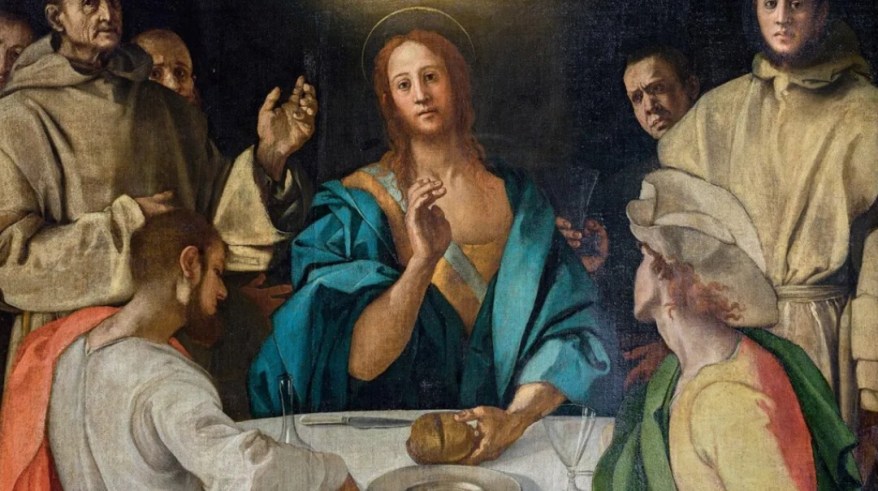
Cena in Emmaus di Pontormo: il pane, il gatto e il cane alle Scuderie del Quirinale
La Cena in Emmaus di Pontormo nasconde dettagli sorprendenti: il significato del pane, i simboli e il mistero della Resurrezione. Scopri il capolavoro del 1525 in mostra alle Scuderie del Quirinale a Roma… 🇬🇧Pontormo’s *Supper at Emmaus* conceals surprising details: the significance of the bread, various symbols, and the mystery of the Resurrection. Discover this…
-
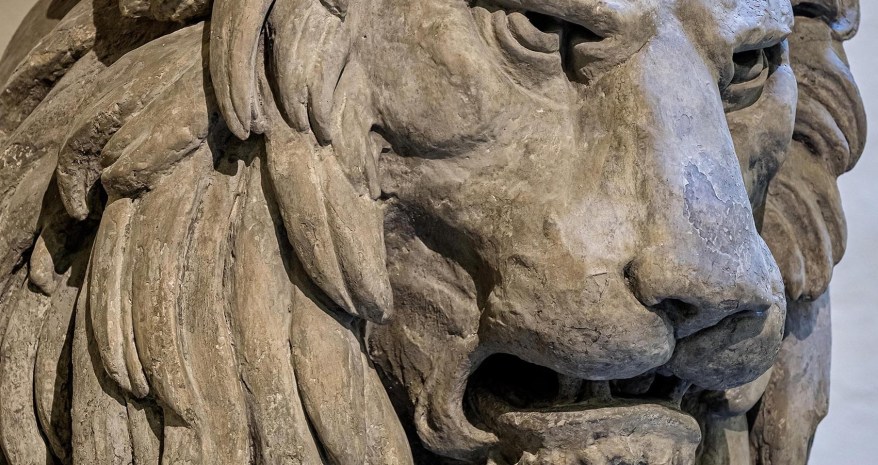
Palazzo Vecchio, il restauro svela la vera natura dei quattro leoni e il mistero della fontana greca
🇮🇹Restaurato il Cortile della Dogana di Palazzo Vecchio a Firenze: i quattro leoni sono calchi, una fontana conserva un’iscrizione greca da studiare e tornano a funzionare entrambe le fontane… 🇬🇧The Cortile della Dogana (Customs Courtyard) at Palazzo Vecchio in Florence has been restored: the four lions are casts, one fountain features a Greek inscription that…
-
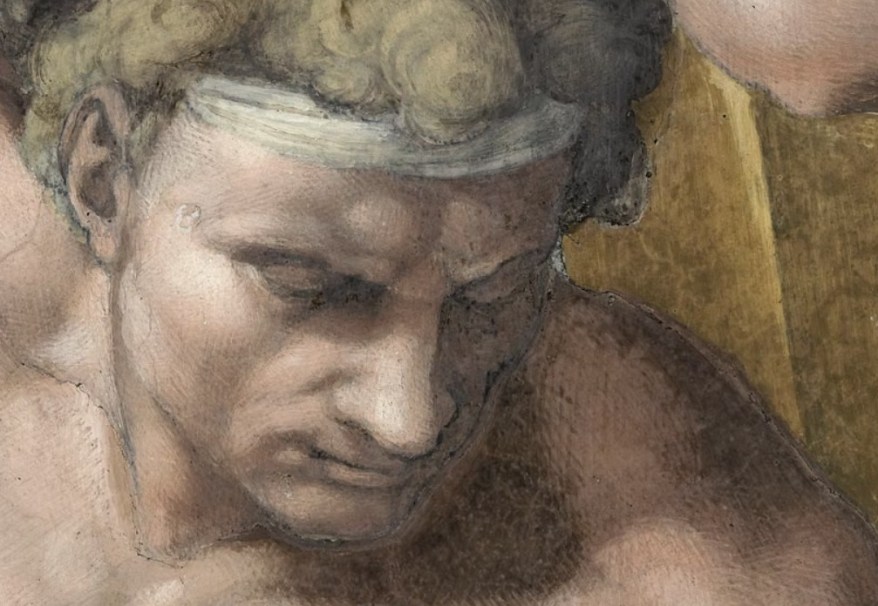
Disma, il buon ladrone nel Giudizio Universale: la misericordia e la giustizia divina
Nel Giudizio Universale della Cappella Sistina ci sono particolari che rischiano di passare inosservati, anche a chi ha avuto la fortuna di alzare gli occhi verso la mia grande parete. Tra i corpi che si sollevano, gli angeli che suonano le trombe e le anime che cercano di raggiungere il cielo, ci sono figure che…
Condividi:


Questo sono io




sostienici

Sostienici – Support Us
Se questo blog ti piace e ti appassiona, puoi aiutarci a farlo crescere sempre più sostenendoci in modo concreto condividendo i post, seguendo le pagine social e con un contributo che ci aiuta ad andare avanti con il nostro lavoro di divulgazione. . ENGLISH: If you like and are passionate about this blog, you can help us make it grow more and more by supporting us in a concrete way by sharing posts, following social pages and with a contribution that helps us to move forward with our dissemination work.
€10,00


