
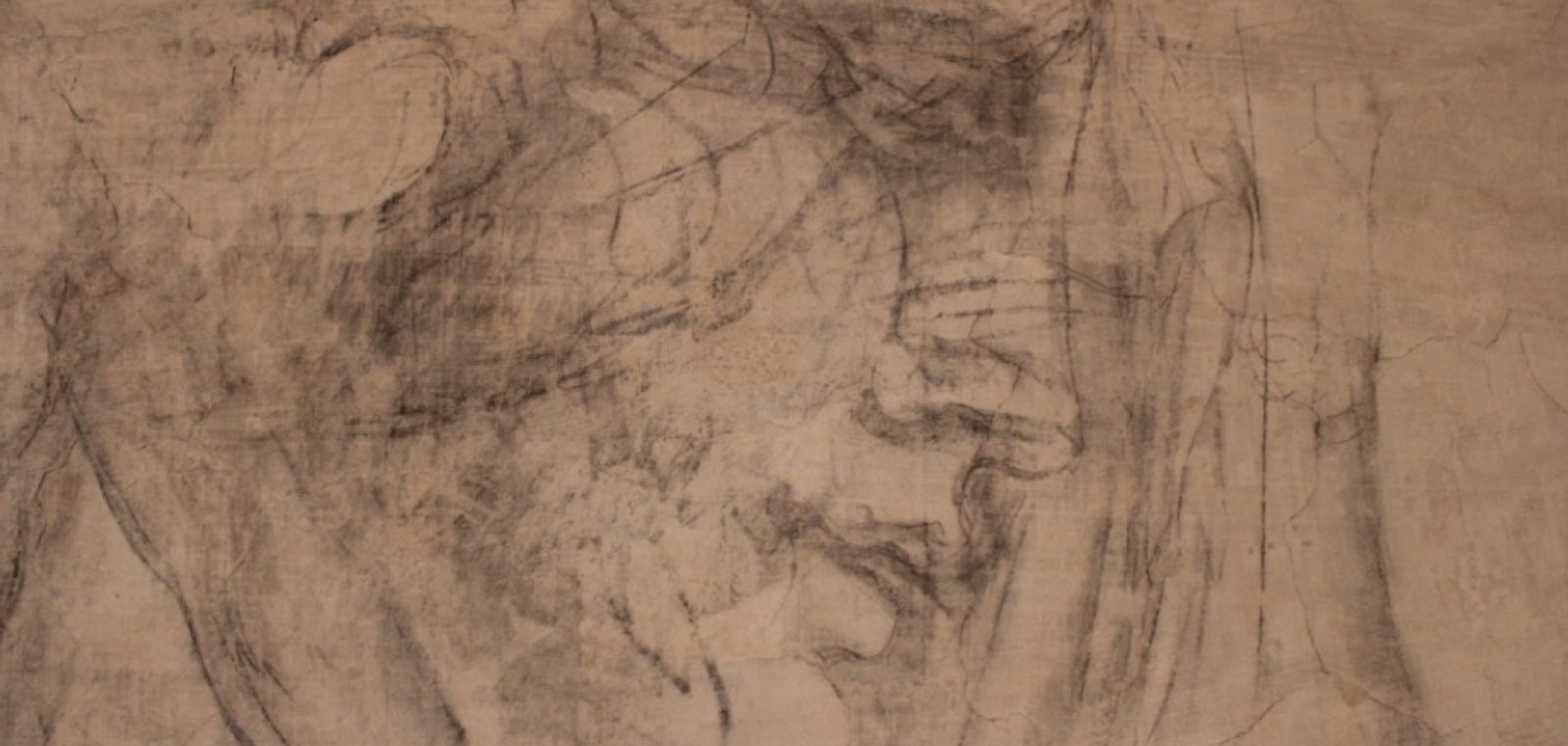
La scelta della pietra serena per la Sagrestia Nuova
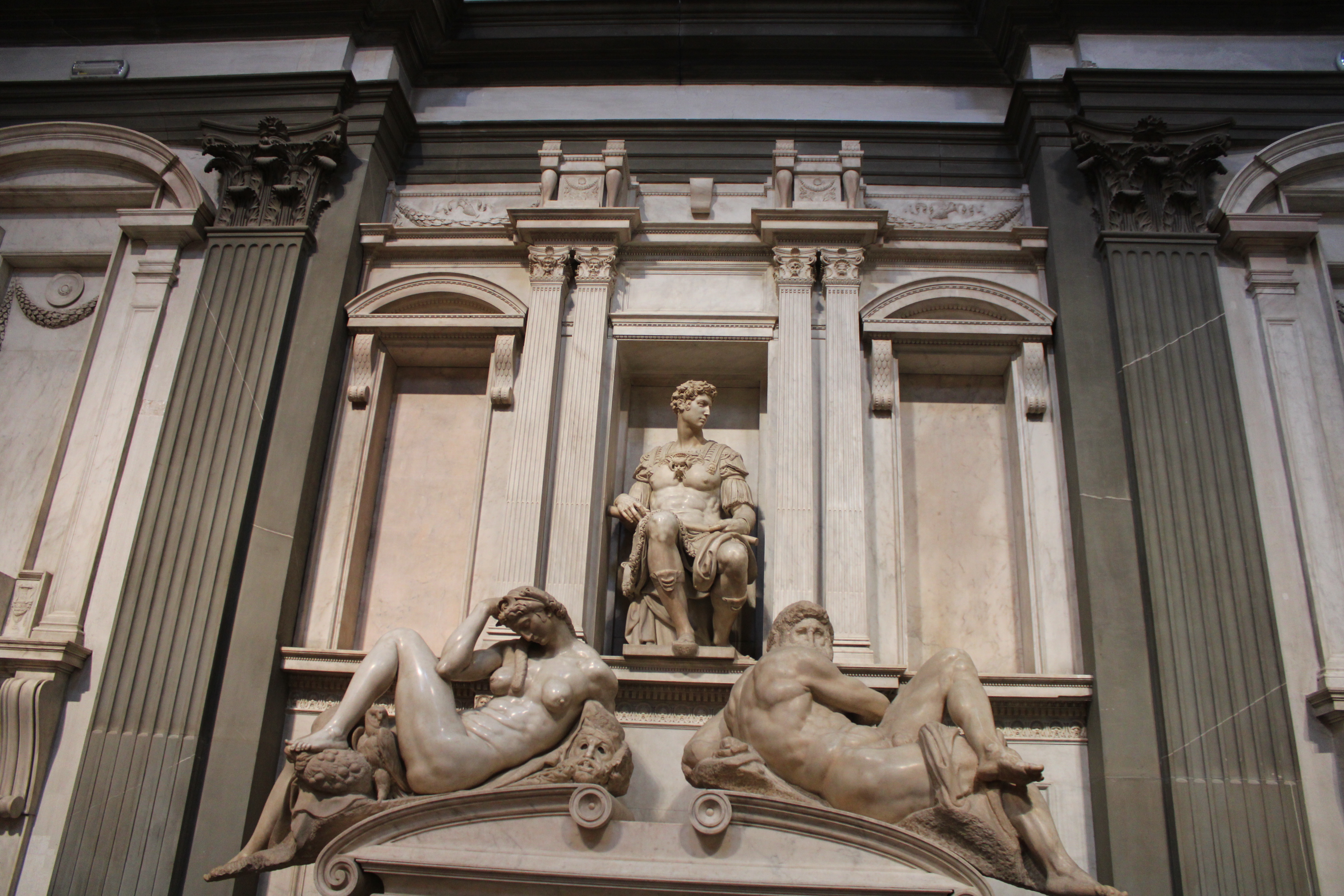
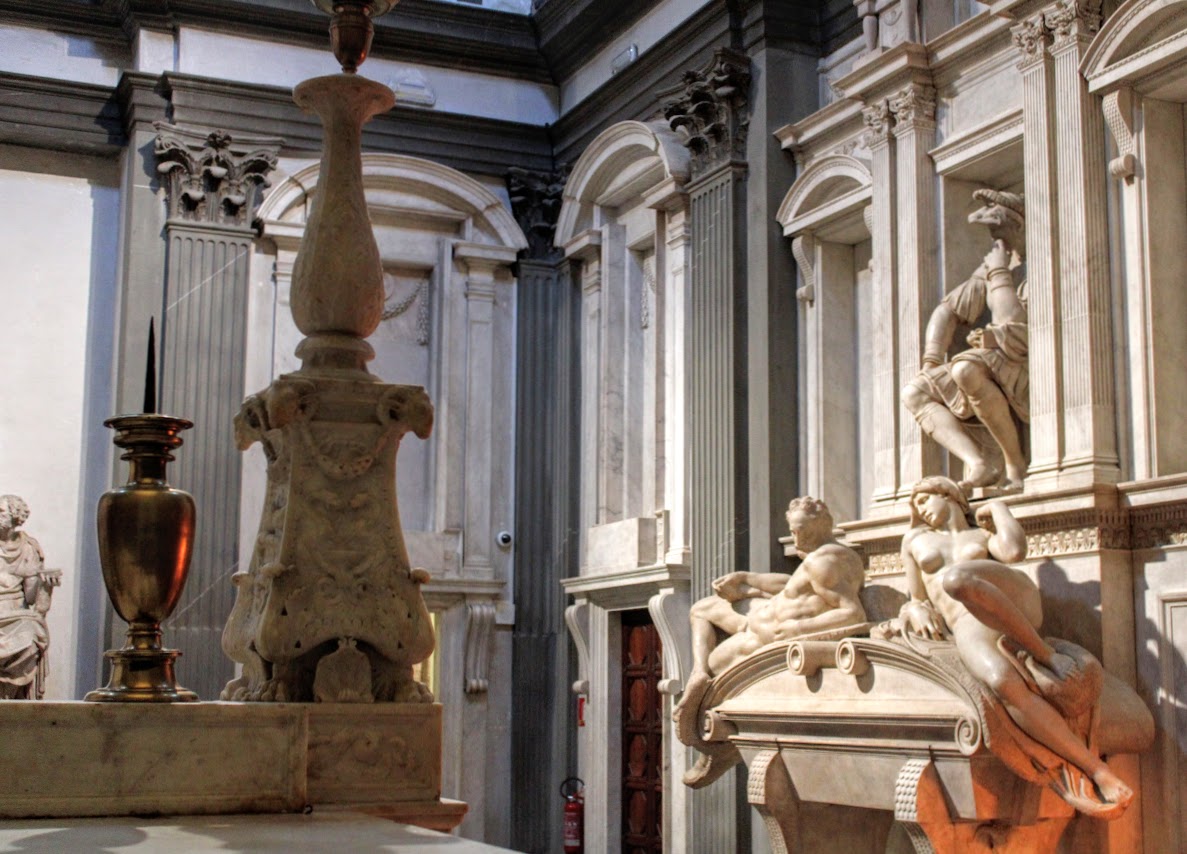
È cosa nota che fossi particolarmente pignolo e accurato nella scelta dei marmi. Meno noto è il fatto che fossi altrettanto attento nell’acquistare la pietra serena per le le architetture. Pensate per esempio alla presenza di questa pietra di uso frequente a Firenze che usai per per la Sagrestia Nuova.
Volevo solo quella di grana molto sottile e con una colorazione grigia che tendesse all’azzurro.
Il Vasari al quale nulla sfuggiva e se gli sfuggiva ero pronto a stimolare attivamente la sua memoria e penna, annotò nelle Vite con quanta cura scegliessi la pietra serena: “Gentile di grana e azzurrigna di coloritura, cavata dalla località Fossato nella valle della Mensola, sotto Settignano”.
Scegliendo quella particolare pietra a contrasto con il candido marmo di Carrara e con gli intonaci bianchi riuscii a creare un’alternanza netta di colori che rende ancora più suggestivo quel luogo dedicato alle sepolture dei duchi medici e dei magnifici.
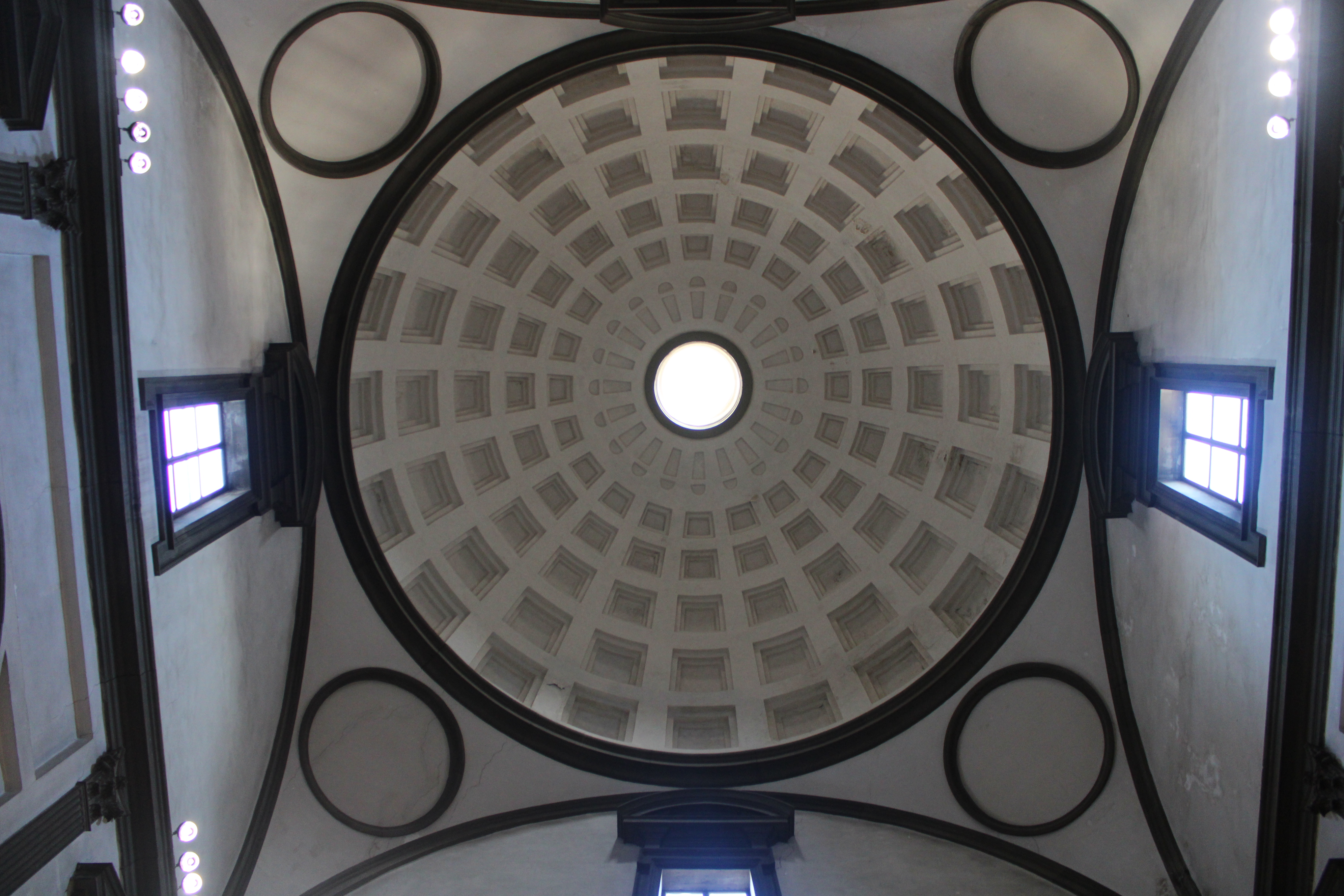
A dirla tutta l’utilizzo del netto contrasto fra il bianco e il grigio era già stato fatto precedentemente dal Brunelleschi nella Sagrestia Vecchia. Prendendo ispirazione da quell’intuizione vincente, rielaborai completamente la sua idea rendendola più moderna.
Per il momento il vostro Michelangelo Buonarroti vi saluta dandovi appuntamento ai prossimi post e sui social.
The choice of pietra serena for the New Sacristy
It is known that I was particularly fussy and careful in choosing the marbles. Less well known is the fact that I was equally careful in purchasing pietra serena for the architecture. Think for example of the presence of this frequently used stone in Florence that I used for the New Sacristy.
I just wanted the one with a very fine grain and a gray color that tended to blue.
Vasari from whom nothing escaped and if it escaped him I was ready to actively stimulate his memory and pen, noted in the Lives with how much care I chose the pietra serena: “Gentle grain and blue in color, quarried from the Fossato locality in the Mensola valley, under Settignano “.
By choosing that particular stone in contrast with the white Carrara marble and the white plasters, I was able to create a clear alternation of colors that makes that place dedicated to the burials of the medical and magnificent dukes even more impressive.
To be honest, the use of the sharp contrast between white and gray had already been done previously by Brunelleschi in the Old Sacristy. Taking inspiration from that winning intuition, I completely reworked his idea, making it more modern.
For the moment, your Michelangelo Buonarroti greets you by giving you an appointment at the next posts and on social networks.

Sostienici – Support Us
Se questo blog ti piace e ti appassiona, puoi aiutarci a farlo crescere sempre più sostenendoci in modo concreto condividendo i post, seguendo le pagine social e con un contributo che ci aiuta ad andare avanti con il nostro lavoro di divulgazione. . ENGLISH: If you like and are passionate about this blog, you can help us make it grow more and more by supporting us in a concrete way by sharing posts, following social pages and with a contribution that helps us to move forward with our dissemination work.
5,00 €
-
La Pietà di Tincolini: a Pontedera l’arte torna a fare domande scomode
🇮🇹“Pietà”, la scultura di Filippo Tincolini, insieme alle parole di Federico Quaranta e Andrea Pezzi, non è stato solo uno spettacolo. È stata una domanda lanciata in faccia al pubblico, impossibile da evitare: siamo ancora capaci di provare pietà? 🇬🇧 “Pietà,” Filippo Tincolini’s sculpture, along with the words of Federico Quaranta and Andrea Pezzi, wasn’t…
-
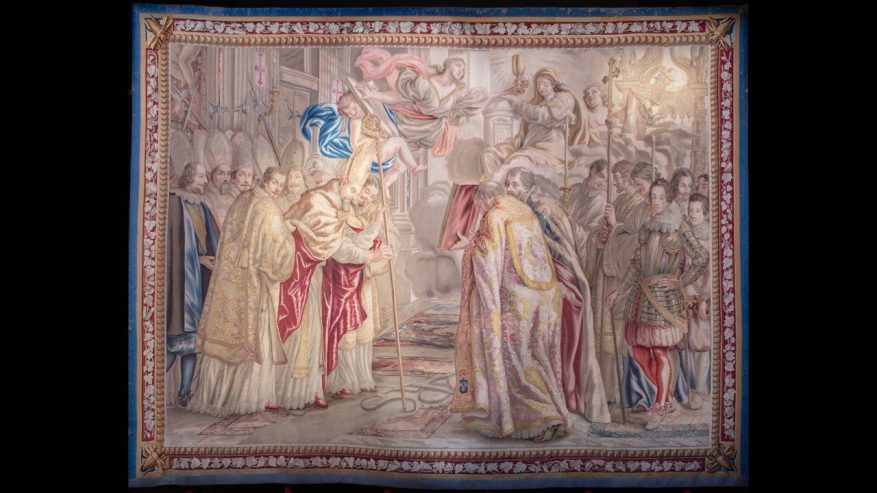
Ai Musei Vaticani i fasti barocchi di Urbano VIII: in mostra gli arazzi della manifattura Barberini
🇮🇹A quattro secoli dalla consacrazione della Basilica di San Pietro, i Musei Vaticani dedicano una mostra all’Arazzeria Barberini, simbolo di una cultura visiva capace di fondere magnificenza estetica e affermazione politica… 🇬🇧Four centuries after the consecration of St. Peter’s Basilica, the Vatican Museums are dedicating an exhibition to the Barberini Tapestry Factory, a symbol of…
-
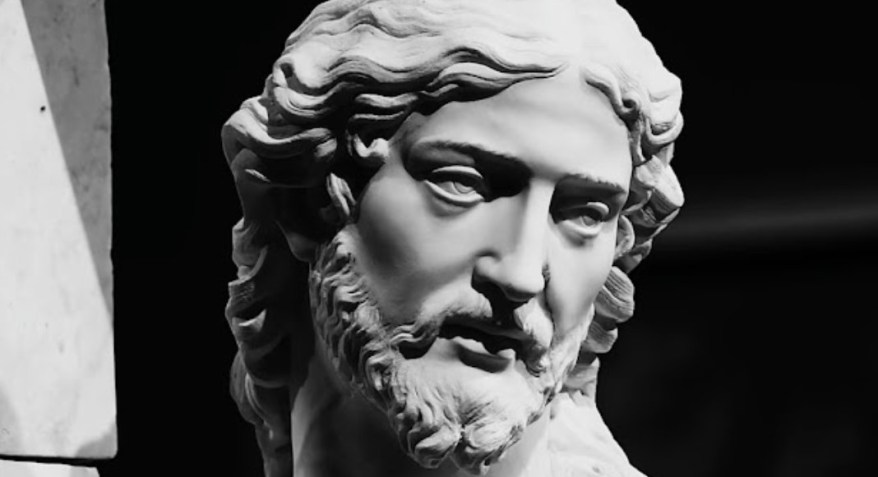
Le Opere della Pasqua: come la Resurrezione ha ispirato Arte e Cultura
🇮🇹La Pasqua, oltre ad essere una ricorrenza religiosa è un momento in cui la storia, l’arte e la spiritualità si intrecciano per raccontare il fulcro della fede cristiana: la resurrezione di Cristo. .. 🇬🇧Easter, beyond being a religious holiday, is a moment when history, art, and spirituality intertwine to recount the core of the Christian…
Condividi:


Questo sono io





sostienici

Sostienici – Support Us
Se questo blog ti piace e ti appassiona, puoi aiutarci a farlo crescere sempre più sostenendoci in modo concreto condividendo i post, seguendo le pagine social e con un contributo che ci aiuta ad andare avanti con il nostro lavoro di divulgazione. . ENGLISH: If you like and are passionate about this blog, you can help us make it grow more and more by supporting us in a concrete way by sharing posts, following social pages and with a contribution that helps us to move forward with our dissemination work.
€10,00


