

L’affresco di Lorenzo il Magnifico e la storia della giraffa
Era la primavera del lontano 1556 quando il Bartoli indicò al Vasari precise direttive per affrescare il soffitto della Sala di Lorenzo de’ Medici a Palazzo Vecchio. Voleva che nel riquadro centrale fosse raffigurato il Magnifico nei panni di grande diplomatico.
Così il mio caro amico Giorgio Vasari si mise al lavoro nel 1556 per rappresentare diversi ambasciatori provenienti da differenti stati italiani che diplomatici stranieri. Tutti omaggiano il signore di Firenze seduto in trono al centro della scena.
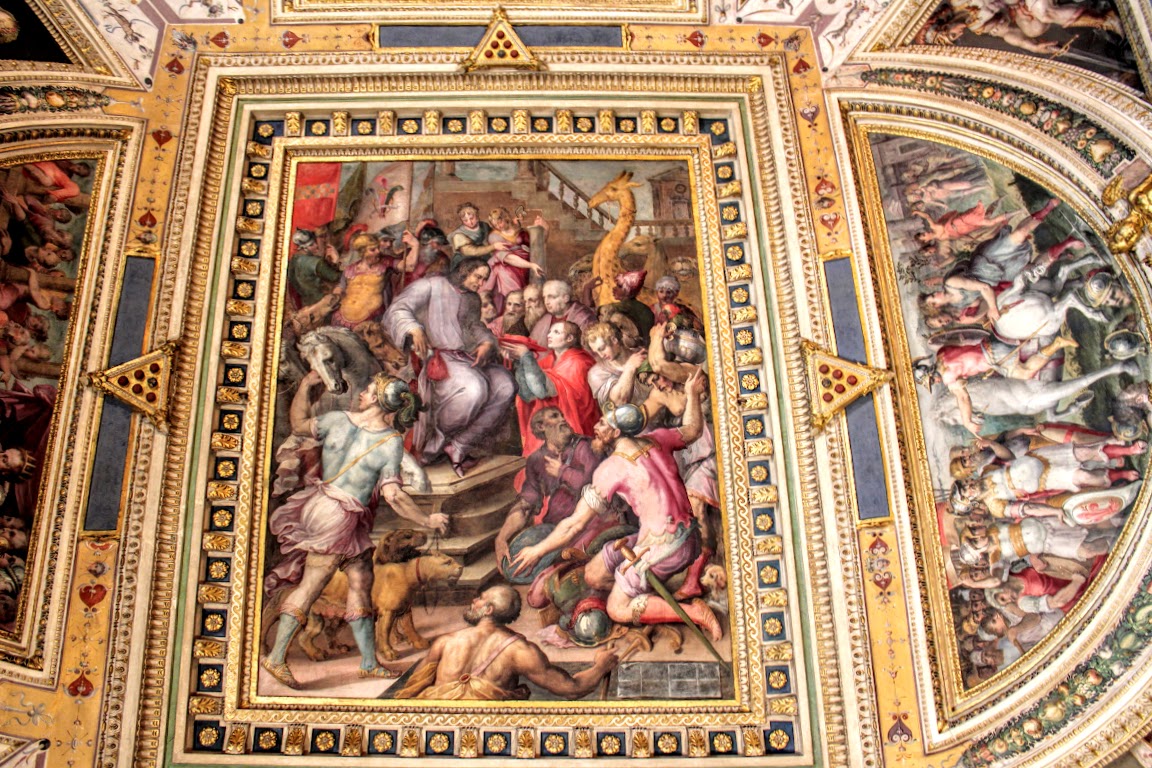
Fra i presenti si distingue nettamente il papa genovese Innocenzo Cybo che presenta al Magnifico il grande cappello cardinalizio che verrà poi portato dal figlio secondogenito Giovanni, eletto papa successivamente con il nome di Leone X nel 1513.
Guardate gli animali esotici presenti: alludono niente meno che all’ambasceria inviata dal Magnifico presso il Sultano d’Egitto nel 1487 con lo scopo di richiedere un suo intervento in merito al rilascio del fratello che era detenuto in Francia.

La cosa che più delle altre desta un certo stupore è la presenza di una giraffa.
Ebbene, quell’animale fu davvero fatto arrivare fino a Firenze e regalato a Lorenzo il Magnifico il 18 novembre del 1487 da Mohamed Ibn-Mahfuz nelle vesti di ambasciatore del sultano egiziano al-Ashraf Qaitbay per ricevere in cambio un supporto da parte della potente famiglia Medici.
La presenza in città di quell’animale mai visto prima da nessuno dal vero suscitò una grandissima curiosità. Purtroppo non resse ai climi invernali fiorentini e presto passò a miglior vita, povera bestia.
Per il momento il vostro Michelangelo Buonarroti vi saluta dandovi appuntamento ai prossimi post e sui social.
The fresco of Lorenzo the Magnificent and the story of the giraffe
It was the spring of 1556 when Bartoli indicated precise instructions to Vasari for frescoing the ceiling of the Sala di Lorenzo de ‘Medici in Palazzo Vecchio. He wanted the Magnificent to be depicted in the central panel as a great diplomat.
So my dear friend Giorgio Vasari set to work in 1556 to represent several ambassadors from different Italian states and foreign diplomats. All pay homage to the lord of Florence seated on a throne in the center of the scene.
Among those present, the Genoese pope Innocenzo Cybo clearly stands out, presenting the great cardinal’s hat to the Magnificent which will then be worn by his second-born son Giovanni, later elected pope with the name of Leo X in 1513.
Look at the exotic animals present: they allude to nothing less than the embassy sent by the Magnificent to the Sultan of Egypt in 1487 with the aim of requesting his intervention regarding the release of his brother who was detained in France.
The thing that arouses a certain surprise more than the others is the presence of a giraffe.
Well, that animal was really sent to Florence and given to Lorenzo the Magnificent on November 18, 1487 by Mohamed Ibn-Mahfuz in the role of ambassador of the Egyptian sultan al-Ashraf Qaitbay to receive in exchange support from the powerful family. Doctors.
The presence in the city of that animal never seen before by anyone from life aroused great curiosity. Unfortunately it did not stand up to the Florentine winter climates and soon passed away, poor beast.
For the moment, your Michelangelo Buonarroti greets you by giving you an appointment at the next posts and on social networks.

Sostienici – Support Us
Se questo blog ti piace e ti appassiona, puoi aiutarci a farlo crescere sempre più sostenendoci in modo concreto condividendo i post, seguendo le pagine social e con un contributo che ci aiuta ad andare avanti con il nostro lavoro di divulgazione. . ENGLISH: If you like and are passionate about this blog, you can help us make it grow more and more by supporting us in a concrete way by sharing posts, following social pages and with a contribution that helps us to move forward with our dissemination work.
5,00 €
-
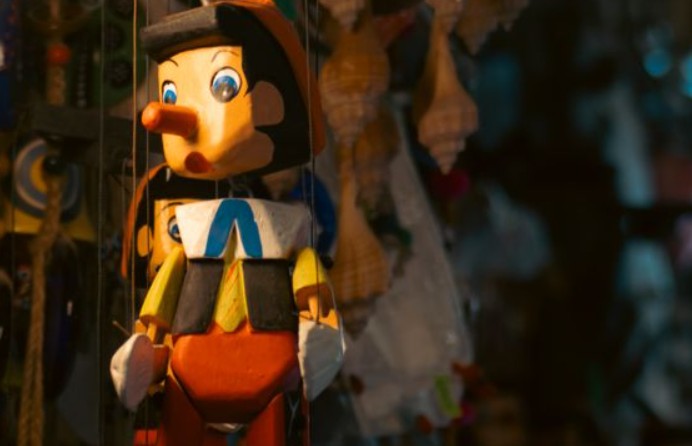
26 ottobre 1890: muore Carlo Collodi, lo scrittore toscano che inventò Pinocchio
Il 26 ottobre 1890 moriva a Firenze Carlo Collodi, autore di Pinocchio. Dalla prima pubblicazione nel 1881 al successo mondiale del burattino…
-
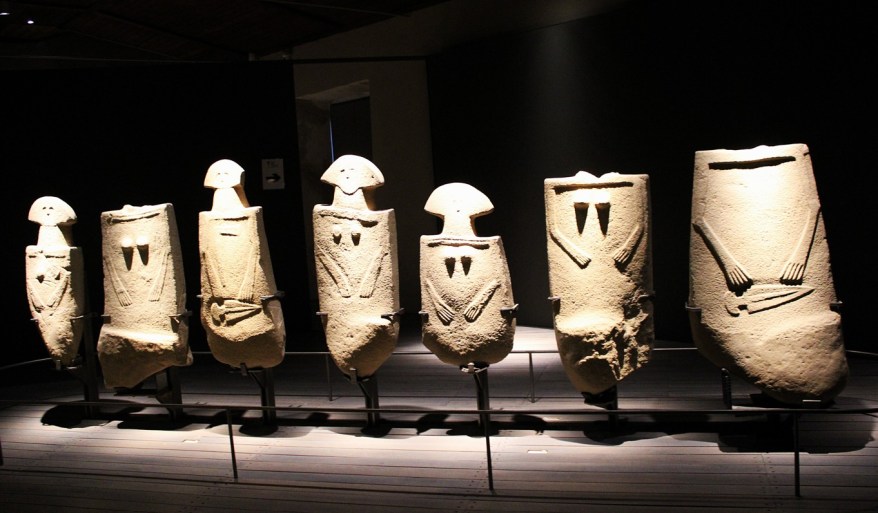
I musei meno conosciuti della Toscana che meritano una visita: 10 province, 10 luoghi da scoprire
🇮🇹Dalle statue stele della Lunigiana alle antiche botteghe artigiane, passando per case-museo, collezioni insolite e testimonianze della vita quotidiana: ecco dieci musei da visitare in Toscana, uno per ogni provincia, per scoprire un patrimonio artistico e culturale che va ben oltre le mete più famose… 🇬🇧From the stele statues of Lunigiana to ancient artisan workshops—not…
-
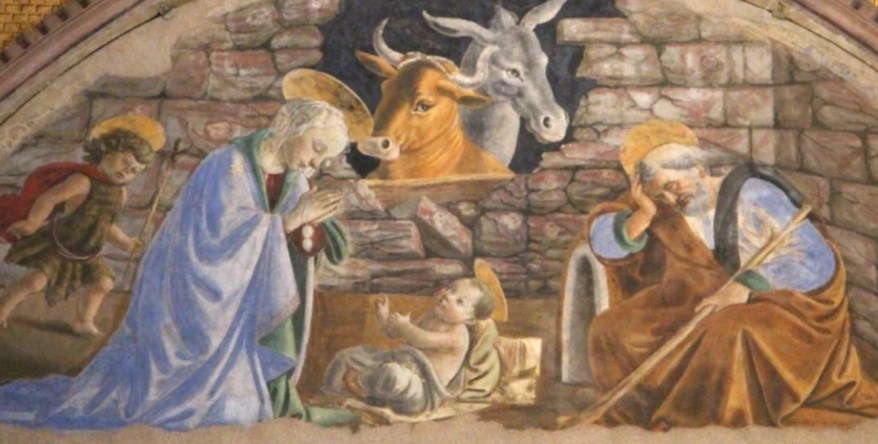
Perché il bue e l’asino sono accanto a Gesù Bambino? La storia dietro una tradizione secolare
🇮🇹Perché il bue e l’asinello sono accanto a Gesù Bambino nel presepe? Scopri le origini bibliche, il significato simbolico e la storia nell’arte… 🇬🇧Why are the ox and the donkey beside Baby Jesus in the nativity scene? Discover their biblical origins, symbolic meaning, and history in art…
Condividi:


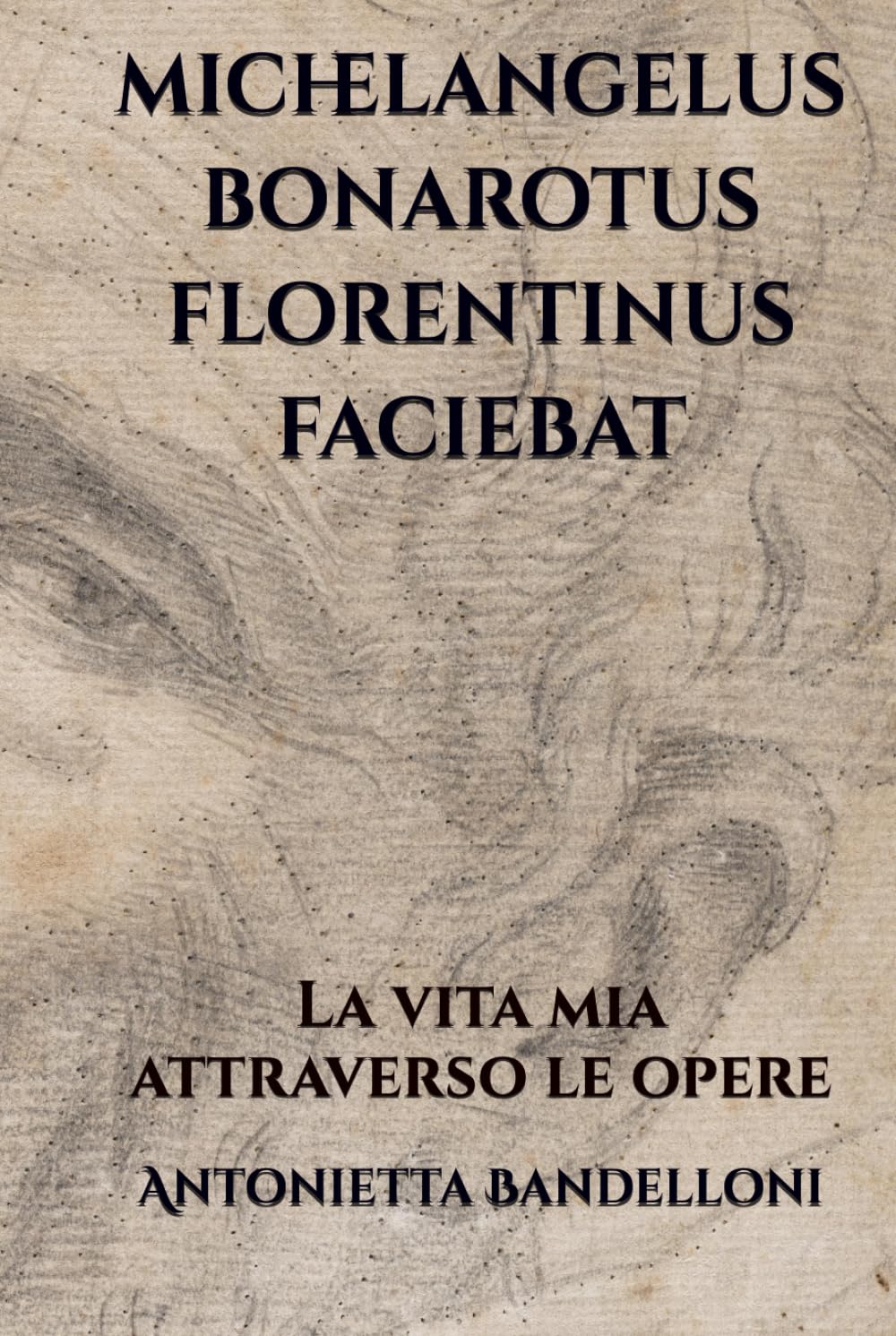
Questo sono io




sostienici

Sostienici – Support Us
Se questo blog ti piace e ti appassiona, puoi aiutarci a farlo crescere sempre più sostenendoci in modo concreto condividendo i post, seguendo le pagine social e con un contributo che ci aiuta ad andare avanti con il nostro lavoro di divulgazione. . ENGLISH: If you like and are passionate about this blog, you can help us make it grow more and more by supporting us in a concrete way by sharing posts, following social pages and with a contribution that helps us to move forward with our dissemination work.
€10,00


