

La Pietà Vaticana e il Bambinello d’argento
Oggi voglio raccontarvi una cosa poco nota che riguarda da vicino la Pietà Vaticana.
Sapete che ci fu un tempo in cui le veniva posato in grembo, sopra il Cristo morto accuratamente coperto con un drappo, un Bambinello realizzato in argento?
Ebbene si. Sedetevi comodi che vi racconto questa faccenda dall’inizio.
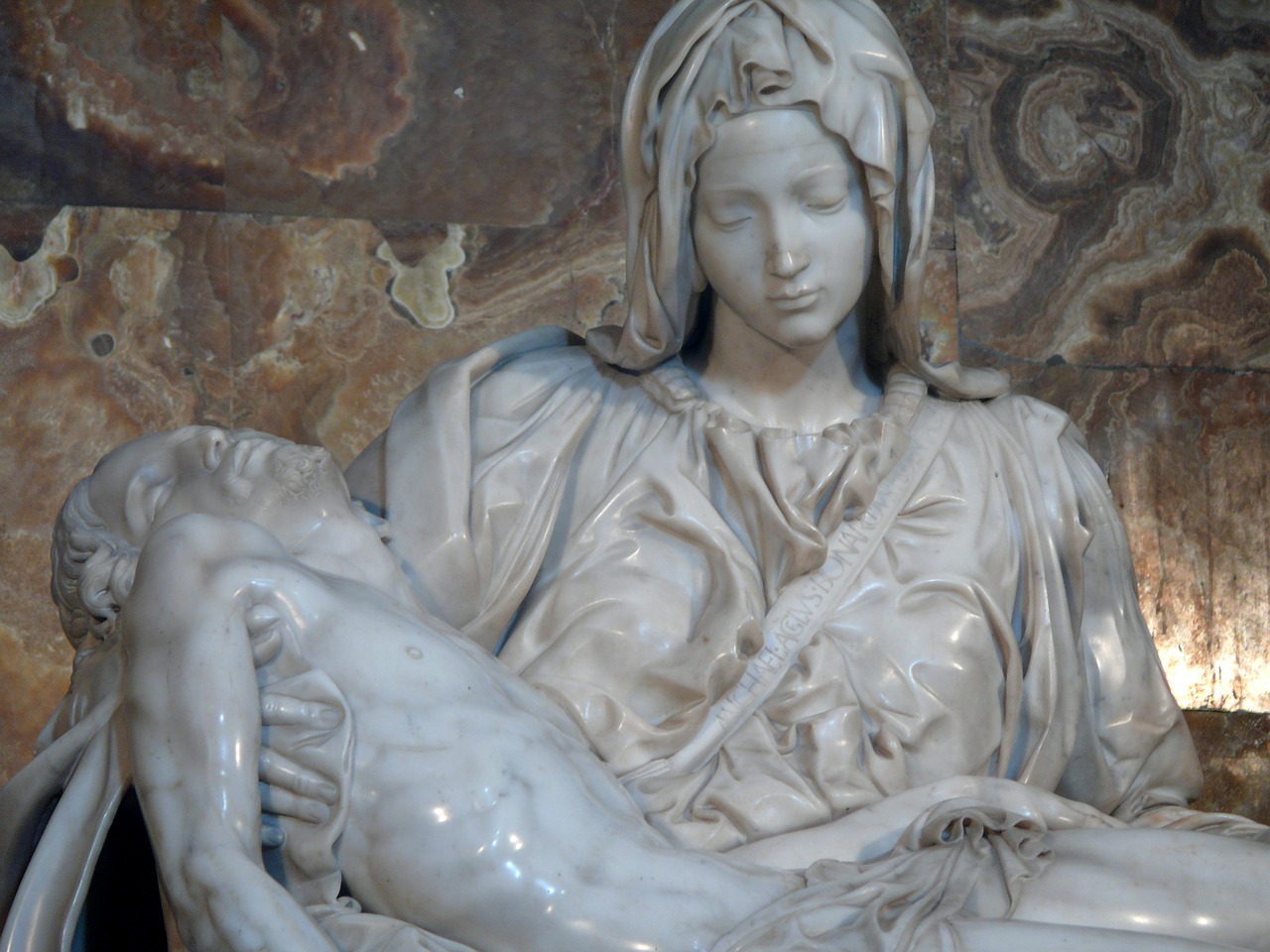
La notte di Natale il Cristo Morto sostenuto dalla Madre veniva coperto con un drappo, un po’ come si usa ancora oggi coprire i Crocifissi nello stesso momento in tante chiese del nostro Paese. Sopra il drappo veniva posizionato un Gesù Bambino realizzato in argento che era stato donato alla Basilica di San Pietro da dal cardinale Francesco Barberini, già arciprete della basilica dal 1636.
Francesco Barberini era stato nominato cardinale niente meno che dallo zio papa Urbano VIII e alla sua morte, avvenuta nel 1679, fu sepolto nella Basilica di San Pietro

Insomma, mettendo quel Bambinello d’argento sul seno della Madonna, quella che fino a qualche ora prima era la raffigurazione della Madre dolente per la morte del Figlio, veniva fatta tornare indietro nel tempo fino al giorno della nascita di Cristo.
Non è dato sapere con precisione l’anno in cui fu avviata questa pratica ma presumibilmente non prima del 1636 e non dopo il 1763.
Questa faccenda è documentata nell’Archivio del Capitolo di San Pietro e con una nota a margine viene proprio indicato che quel Gesù Bambino in argento fu venduto proprio nel 1763.
Per il momento il vostro Michelangelo Buonarroti vi saluta dandovi appuntamento ai prossimi post e sui social.
The Vatican Pietà and the Silver Child
Today I want to tell you something little known that closely concerns the Vatican Pietà.
Do you know that there was a time when a little child made of silver was placed on her lap, over the dead Christ carefully covered with a cloth?
Well yes. Sit comfortably as I tell you this matter from the beginning.
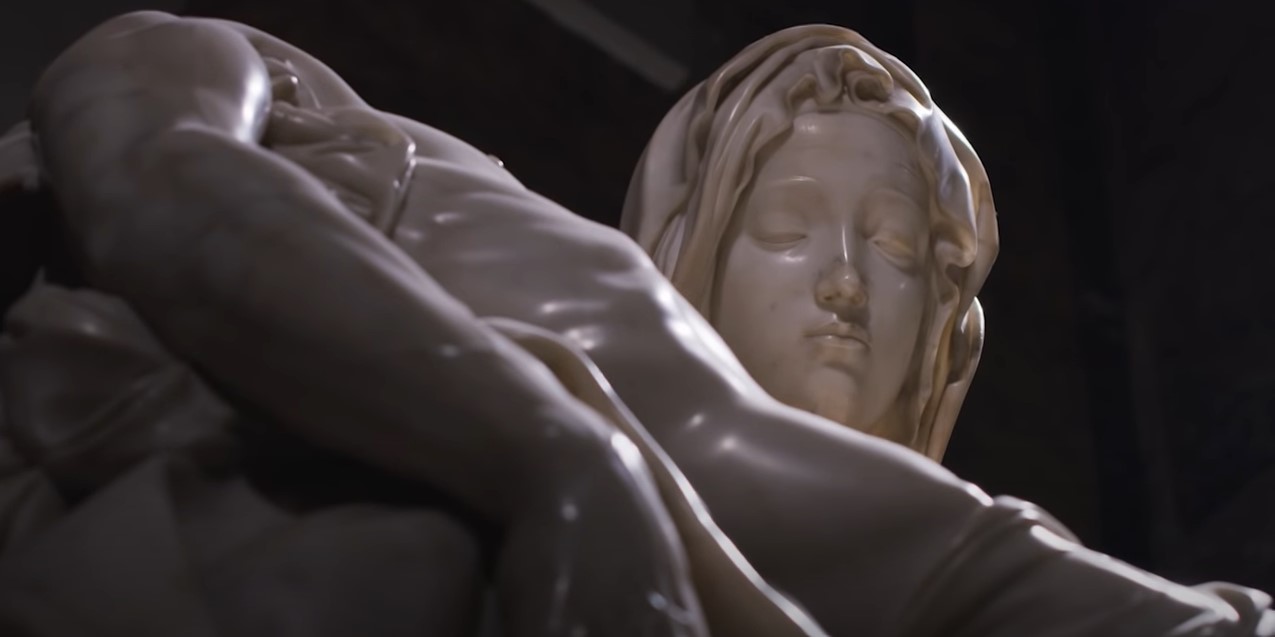
On Christmas Eve the Dead Christ supported by the Mother was covered with a cloth, a bit like it is still customary today to cover the Crucifixes at the same time in many churches in our country. Above the cloth was placed a baby Jesus made of silver that had been donated to St. Peter’s Basilica by Cardinal Francesco Barberini, former archpriest of the basilica since 1636.
Francesco Barberini had been nominated cardinal by none other than his uncle Pope Urban VIII and on his death in 1679, he was buried in St. Peter’s Basilica.
In short, by placing that little silver baby on the breast of the Madonna, what until a few hours before was the representation of the Mother grieving for the death of her Son, was made to go back in time to the day of Christ’s birth.
It is not known precisely the year in which this practice was started but presumably not before 1636 and not after 1763.
This matter is documented in the Archives of the Chapter of St. Peter and with a note in the margin it is indicated that that baby Jesus in silver was sold precisely in 1763.
For the moment, your Michelangelo Buonarroti greets you by giving you an appointment at the next posts and on social networks.
-
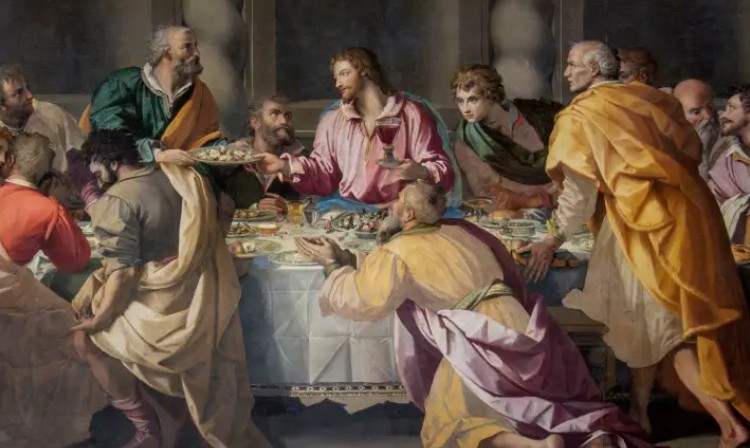
Giovedì Santo: l’Ultima Cena di Allori che pochi conoscono a Firenze
🇮🇹Nel cuore di Museo di Santa Maria Novella, a Firenze, si conserva una delle interpretazioni più affascinanti e meno note dell’Ultima Cena: quella realizzata da Alessandro Allori nel 1584… 🇬🇧In the heart of the Santa Maria Novella Museum in Florence, one of the most fascinating and least-known interpretations of the Last Supper is preserved: the…
-
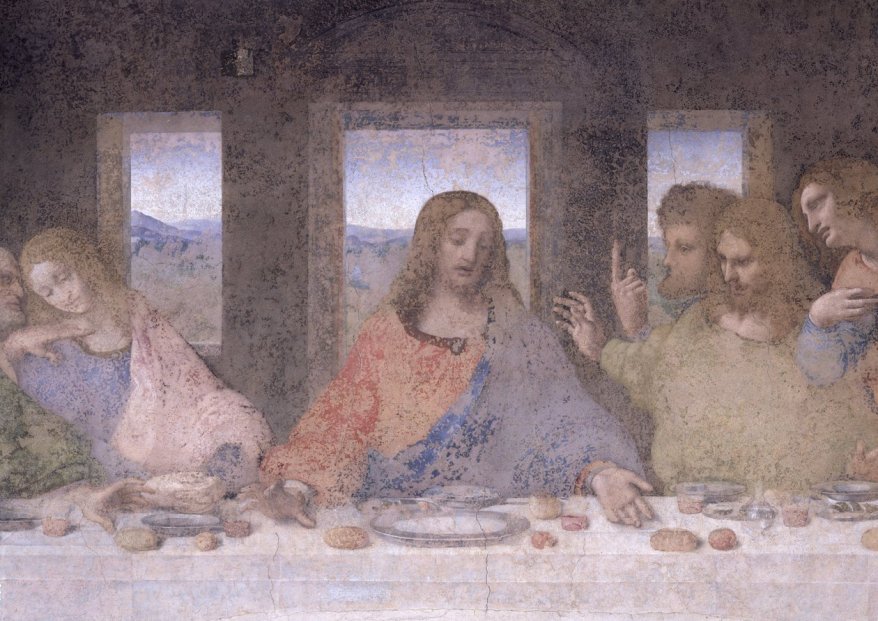
Cenacolo di Leonardo: i dettagli che raccontano il tradimento
🇮🇹Nel Cenacolo di Leonardo da Vinci, custodito a Santa Maria delle Grazie, Cristo annuncia il tradimento e il tempo si ferma… 🇬🇧In Leonardo da Vinci’s Last Supper, housed in Santa Maria delle Grazie, Christ announces the betrayal and time stands still…
-
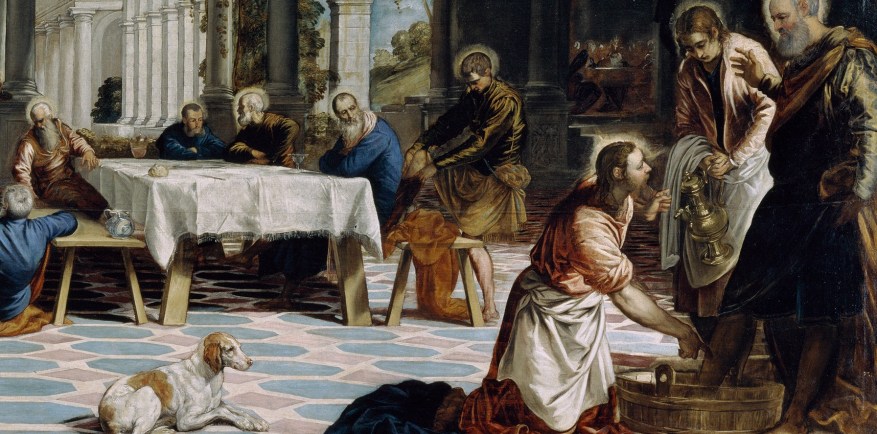
La Lavanda dei Piedi di Tintoretto: Il Capolavoro Veneziano al Prado
🇮🇹Tra i capolavori più affascinanti del Rinascimento veneziano, “La Lavanda dei Piedi” di Jacopo Tintoretto rappresenta un perfetto equilibrio tra spiritualità, innovazione compositiva e straordinaria forza narrativa… 🇬🇧Among the most fascinating masterpieces of the Venetian Renaissance, Jacopo Tintoretto’s “The Washing of the Feet” represents a perfect balance between spirituality, compositional innovation, and extraordinary narrative force…
Condividi:


Questo sono io





sostienici

Sostienici – Support Us
Se questo blog ti piace e ti appassiona, puoi aiutarci a farlo crescere sempre più sostenendoci in modo concreto condividendo i post, seguendo le pagine social e con un contributo che ci aiuta ad andare avanti con il nostro lavoro di divulgazione. . ENGLISH: If you like and are passionate about this blog, you can help us make it grow more and more by supporting us in a concrete way by sharing posts, following social pages and with a contribution that helps us to move forward with our dissemination work.
€10,00


