
Uno studio per due opere diverse
Il disegno che vi propongo oggi appartiene da lungi alle collezioni del British Museum e lo realizzai a carboncino nero. Purtroppo lo scorrere dei secoli in parte ne ha sbiadito i tratti ma è rimasto comunque assai leggibile.
Su questo foglio volli disegnare una figura maschile seduta, vista frontalmente, mentre si sta voltando con il busto verso sinistra.
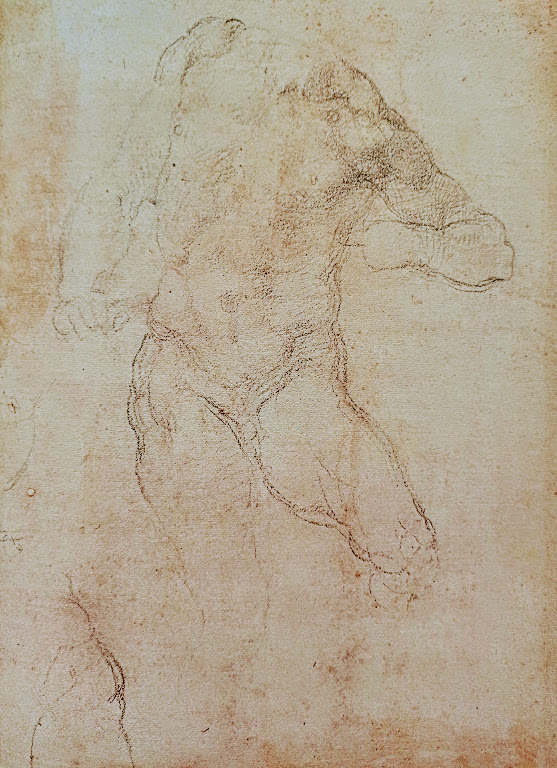
Osservate bene le mani: con la destra sostiene un oggetto a forma di cilindro mentre con l’altra mano pare indicare il petto.
Anche questa figura, come la maggior parte di quelle che ideai, assume una posizione contrapposta.
Nella parte più bassa del foglio, a sinistra, tracciai il particolare di un’anca mentre poco sopra si vede il particolare del braccio destro assieme allo studio della mano destra.
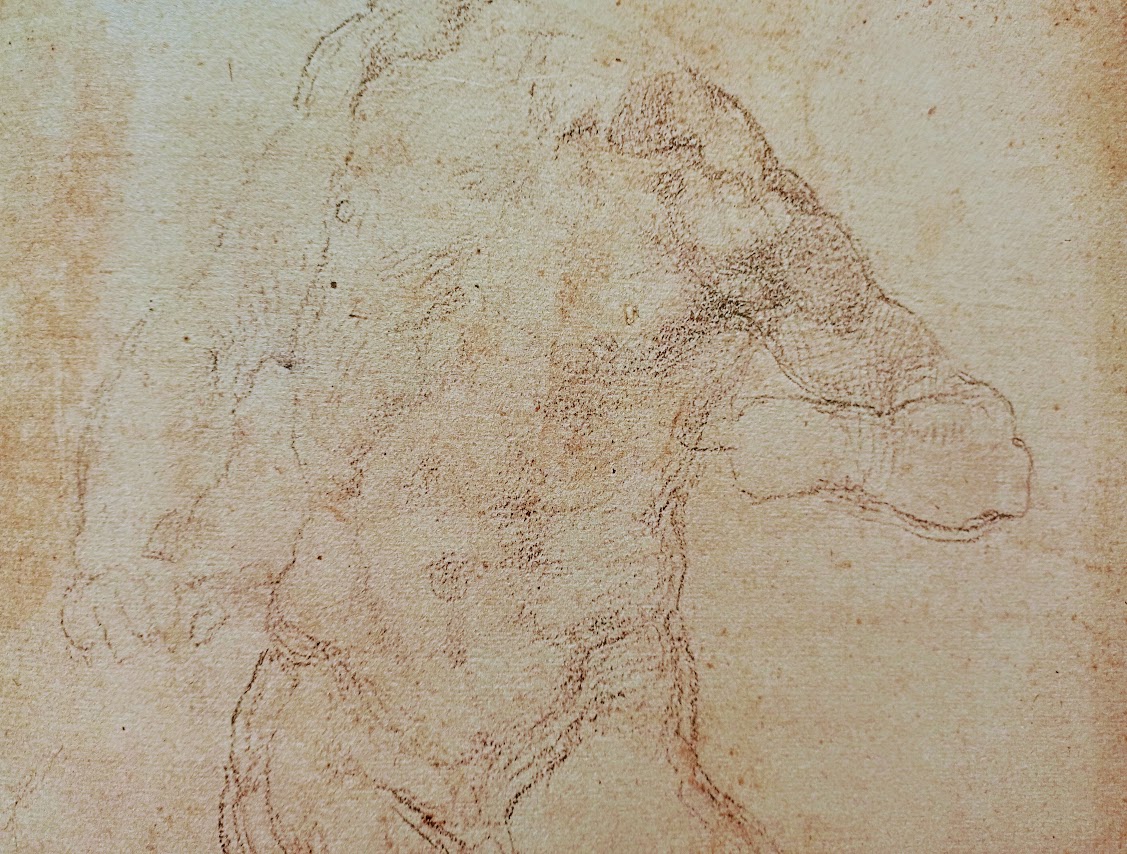
Johannes Wilde ha ipotizzato che questo studio potesse essere riferito al San Bartolomeo del Giudizio Universale e ci potrebbe pure stare se non fosse che ha tutto l’aspetto di un disegno ce feci prima. Mi spiego meglio: i tratti usati e il modo di tratteggiare è molto più simile al periodo in cui ero impegnato con i lavori della Sagrestia Nuova.
E‘ più probabile che il disegno sia riferito allo studio di Giuliano de’ Medici, duca di Nemours. Il cilindro che stringe nella mano destra potrebbe essere il bastone del comando appena accennato. Se lo avessi disegnato per intero non avrei poi studiare in modo così dettagliato l’anatomia della pancia.
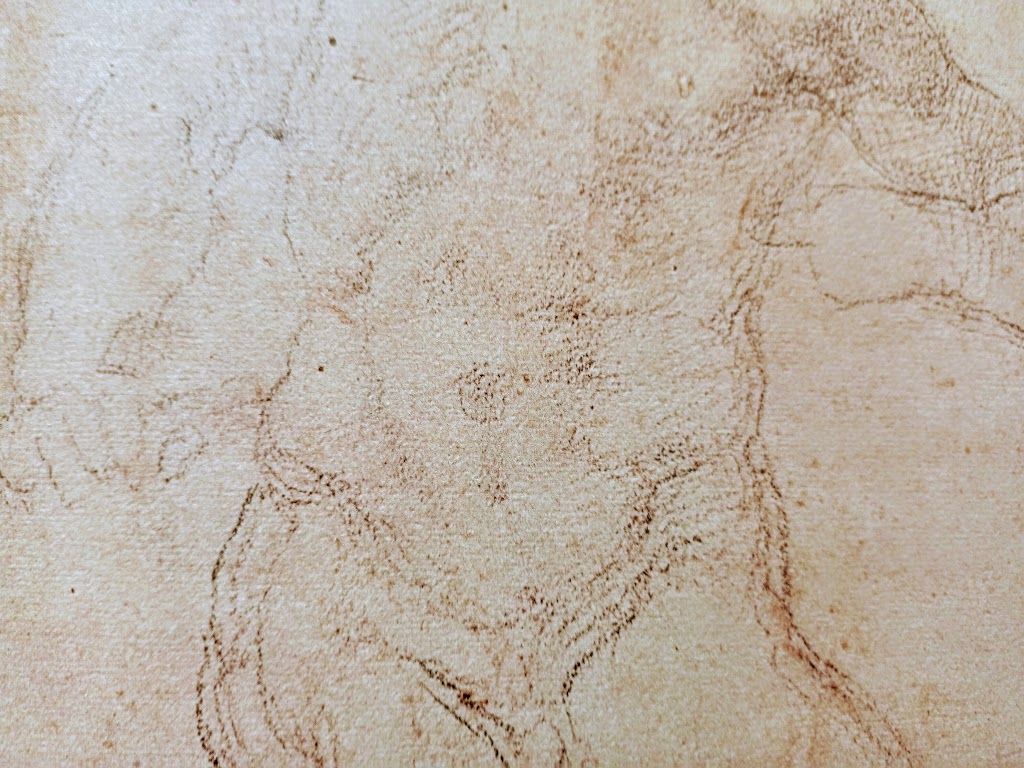
A mio avviso nessuno dei due modi di vedere e comprendere il disegno è errato. Tracciai sì questa figura per studiare la posa e la muscolatura del duca di Nemours ma poi adoperai lo stesso disegno per pensare all’atteggiamento assunto da San Bartolomeo nel Giudizio Universale.
Per il momento il vostro Michelangelo Buonarroti vi saluta dandovi appuntamento ai prossimi post e sui social.
One study for two different works
The drawing that I propose today belongs to the collections of the British Museum for a long time and I made it in black charcoal. Unfortunately, the passing of the centuries has partly faded its features but has nevertheless remained very legible.
On this sheet I wanted to draw a seated male figure, seen from the front, while she is turning with her torso to the left.
Look closely at her hands: with the right she supports an object in the shape of a cylinder while with the other hand she seems to point to her chest.
This figure too, like most of those I conceived, takes an opposite position.
In the lower part of the sheet, on the left, I traced the detail of a hip while just above the detail of the right arm is seen together with the study of the right hand.
Johannes Wilde hypothesized that this study could be referred to the Saint Bartholomew of the Last Judgment and it might as well be there were it not that it has all the appearance of a drawing I made before. Let me explain: the lines used and the way of hatching is much more similar to the period in which I was busy with the works of the New Sacristy.
It is more likely that the design refers to the study of Giuliano de ‘Medici, Duke of Nemours. The cylinder he holds in his right hand could be the stick of command just mentioned. If I had drawn it in its entirety, I would not have studied the anatomy of the belly in such detail.
In my opinion, neither way of seeing and understanding drawing is wrong. Yes, I drew this figure to study the pose and musculature of the Duke of Nemours but then I used the same drawing to think about the attitude assumed by St. Bartholomew in the Last Judgment.
For the moment, your Michelangelo Buonarroti greets you by giving you an appointment at the next posts and on social networks.

Sostienici – Support Us
Se questo blog ti piace e ti appassiona, puoi aiutarci a farlo crescere sempre più sostenendoci in modo concreto condividendo i post, seguendo le pagine social e con un contributo che ci aiuta ad andare avanti con il nostro lavoro di divulgazione. . ENGLISH: If you like and are passionate about this blog, you can help us make it grow more and more by supporting us in a concrete way by sharing posts, following social pages and with a contribution that helps us to move forward with our dissemination work.
5,00 €
-
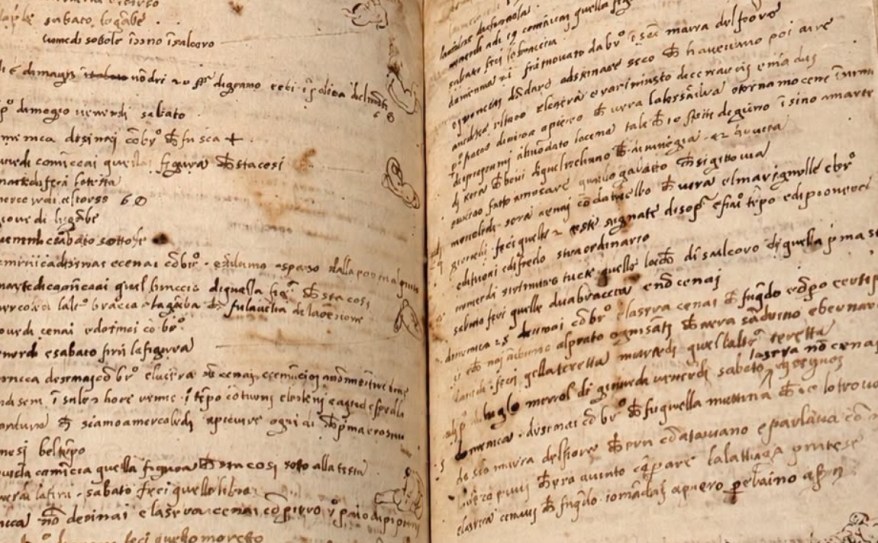
Pontormo, il diario segreto del pittore: malattie, pasti e piccoli disegni che raccontano la sua vita
🇮🇹Il diario di Pontormo: malattie, pasti, amicizie e piccoli disegni raccontano la vita privata del pittore e il lavoro perduto a San Lorenzo… 🇬🇧Pontormo’s diary—with its accounts of illnesses, meals, friendships, and small sketches—reveals the painter’s private life and his lost work at San Lorenzo…
-
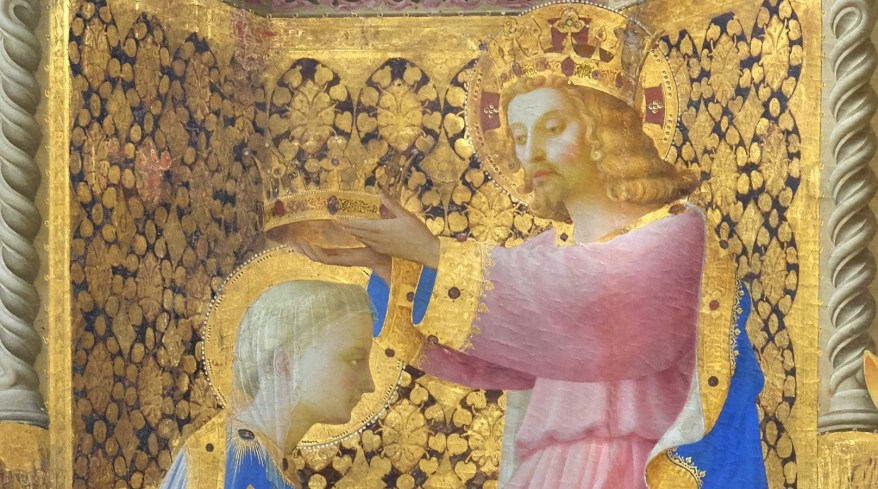
25 ottobre 1815: le opere rubate da Napoleone tornarono in Italia, ma 248 rimasero in Francia
🇮🇹Il 25 ottobre 1815 partì da Parigi un convoglio di 41 carri trainati da circa 200 cavalli, con 249 opere d’arte destinate a tornare in Italia… 🇬🇧On October 25, 1815, a convoy of 41 wagons, pulled by approximately 200 horses, departed from Paris, carrying 249 works of art destined to return to Italy…
-

Più forte della morte
🇮🇹Può l’amore superare la morte? In un madrigale sorprendente, il desiderio di chi amo arriva fino all’Inferno e al Paradiso… 🇬🇧Can love transcend death? In a striking madrigal, the longing for the one I love reaches as far as Hell and Paradise…
Condividi:


Questo sono io




sostienici

Sostienici – Support Us
Se questo blog ti piace e ti appassiona, puoi aiutarci a farlo crescere sempre più sostenendoci in modo concreto condividendo i post, seguendo le pagine social e con un contributo che ci aiuta ad andare avanti con il nostro lavoro di divulgazione. . ENGLISH: If you like and are passionate about this blog, you can help us make it grow more and more by supporting us in a concrete way by sharing posts, following social pages and with a contribution that helps us to move forward with our dissemination work.
€10,00


