

Il Marzocco di Donatello
Come scrisse il Vasari, Donatello fu scultore rarissimo e statuario meraviglioso. Cosa sarebbe stato il rinascimento se Donatello non avesse avuto modo di dar mostra del suo genio?
I suoi rilievi a stiacciato, le sue sculture in marmo e in bronzo come la Giuditta e i due David tanto per citarne alcune, i monumenti funerari e molte altre opere.

Conoscete la storia del suo Marzocco? Sedetevi comodi che ve la racconto dall’inizio.
La commissione del Marzocco
Fu la Repubblica Fiorentina a commissionare la realizzazione del Marzocco a Donatello nel 1419. In occasione della visita a Firenze di papa Martino V, la Repubblica volle arricchire lo scalone che collegava gli appartamenti papali al Chiostro Grande di Santa Maria Novella con questa nuova opera.
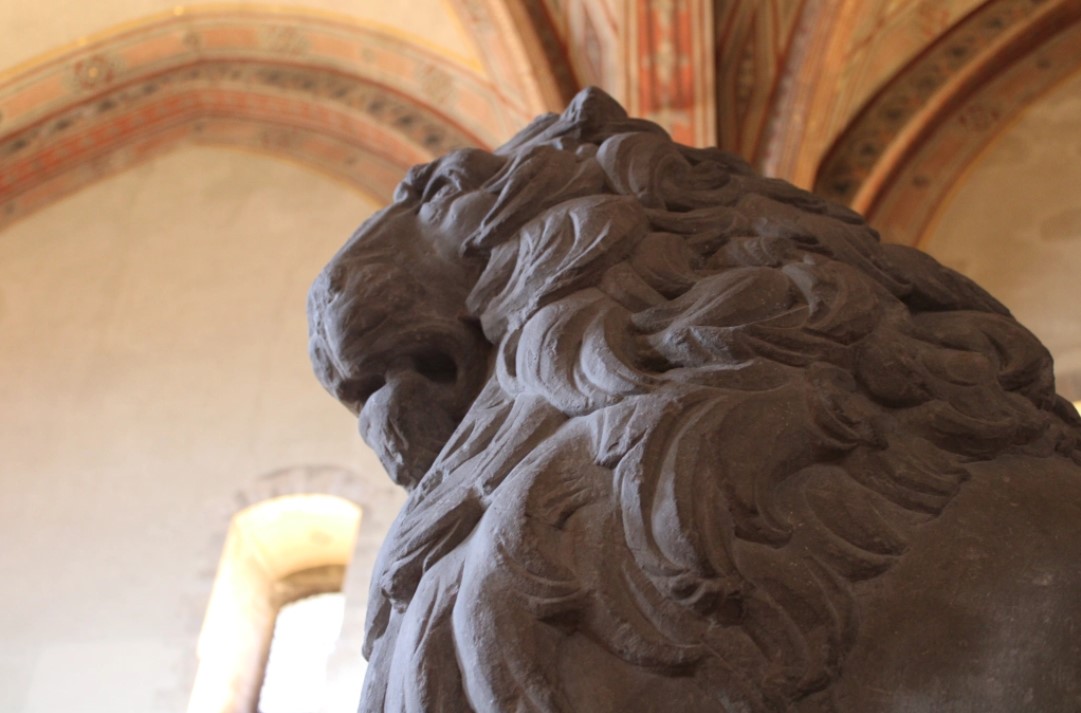
Donatello scolpì nella grigia arenaria un leone maestoso con un’espressione del volto resa ancora più fiera dai contrasti di chiaro e scuro.
Con un gesto quasi solenne il grande leone poggia la zampa destra sullo scudo che reca lo stemma fiorentino per eccellenza: il giglio rosso su campo bianco.
Scultore rarissimo e statuario
Vasari
Perché il nome Marzocco?
Il nome Marzocco deriva da Martocus, un termine traducibile in italiano come piccolo Marte, dio della guerra secondo la mitologia romana.
Il leone fu eletto come animale simbolo della Repubblica Fiorentina come espressione della propria forza politica. Secondo la mitologia solo il leone sarebbe stato in grado di uccidere l’aquila, non a caso il volatile simbolo della città nemica: Pisa.
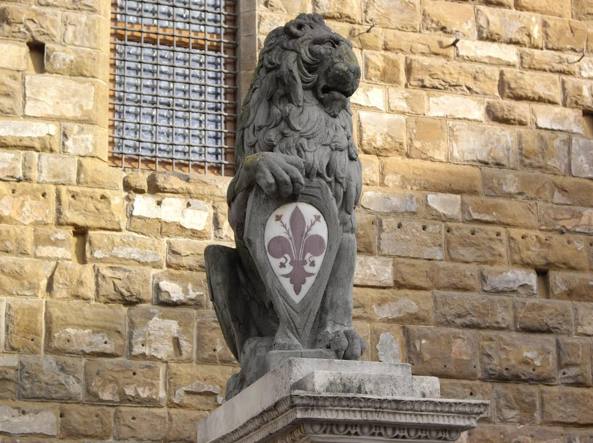
L’opera di Donatello, dopo essere inizialmente collocata sullo scalone citato prima, fu portata in Piazza della Signoria e sistemata sull’arengario di Palazzo Vecchio. Lì rimase fino al 1865, quando fu deciso di ripararla in un luogo più consono per sottrarla all’erosione dovuta agli agenti atmosferici.
Da allora si trova all’interno del Salone di Donatello nel Museo Nazionale del Bargello.
Singulare et precipuo maestro di fare figure di bronzo e di legno e di terra
Chellini
Per il momento il vostro Michelangelo Buonarroti vi saluta dandovi appuntamento ai prossimi post e sui social.
Donatello’s Marzocco
As Vasari wrote, Donatello was a very rare sculptor and marvelous statuary. What would the Renaissance have been if Donatello hadn’t been able to show his genius?
The reliefs of him in stiacciato, his sculptures in marble and bronze such as the Judith and the two David just to name a few, the funerary monuments and many other works.
Do you know the history of the Marzocco about him? Sit comfortably and I’ll tell you about it from the start.
The Marzocco commission
It was the Florentine Republic that commissioned Donatello to build the Marzocco in 1419. On the occasion of Pope Martin V’s visit to Florence, the Republic wanted to enrich the staircase that connected the papal apartments to the Great Cloister of Santa Maria Novella with this new work.
Donatello sculpted a majestic lion in the gray sandstone with an expression on his face made even more proud by the contrasts of light and dark.
With an almost solemn gesture, the great lion rests its right paw on the shield that bears the Florentine emblem par excellence: the red lily on a white field.
Why the name Marzocco?
The name Marzocco derives from Martocus, a term that can be translated into Italian as little Mars, god of war according to Roman mythology.
The lion was elected as the symbolic animal of the Florentine Republic as an expression of its political strength. According to mythology, only the lion would have been able to kill the eagle, not surprisingly the bird symbol of the enemy city: Pisa.
After being initially placed on the aforementioned staircase, Donatello’s work was taken to Piazza della Signoria and placed on the arengarium of Palazzo Vecchio. It remained there until 1865, when it was decided to repair it in a more suitable place to save it from erosion due to atmospheric agents.
Since then it has been located inside the Donatello Hall in the Bargello National Museum.

Sostienici – Support Us
Se questo blog ti piace e ti appassiona, puoi aiutarci a farlo crescere sempre più sostenendoci in modo concreto condividendo i post, seguendo le pagine social e con un contributo che ci aiuta ad andare avanti con il nostro lavoro di divulgazione. . ENGLISH: If you like and are passionate about this blog, you can help us make it grow more and more by supporting us in a concrete way by sharing posts, following social pages and with a contribution that helps us to move forward with our dissemination work.
10,00 €
-
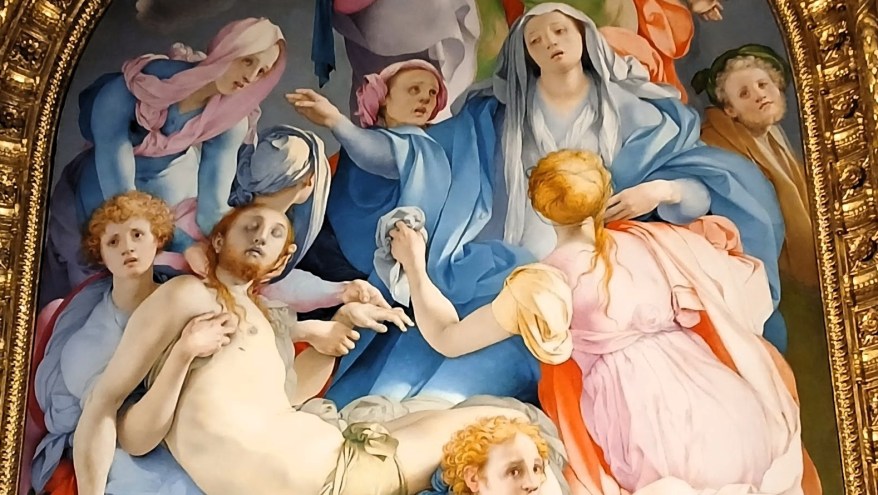
La Deposizione del Pontormo: il capolavoro dell’artista
🇮🇹Ti coinvolge. Ti mette a disagio. Ti costringe a sentire. E’ la Deposizione dalla Croce, dipinta da Jacopo Pontormo tra il 1525 e il 1528 per la Cappella Capponi… 🇬🇧It draws you in. It makes you uncomfortable. It forces you to feel. It’s the Deposition from the Cross, painted by Jacopo Pontormo between 1525 and…
-
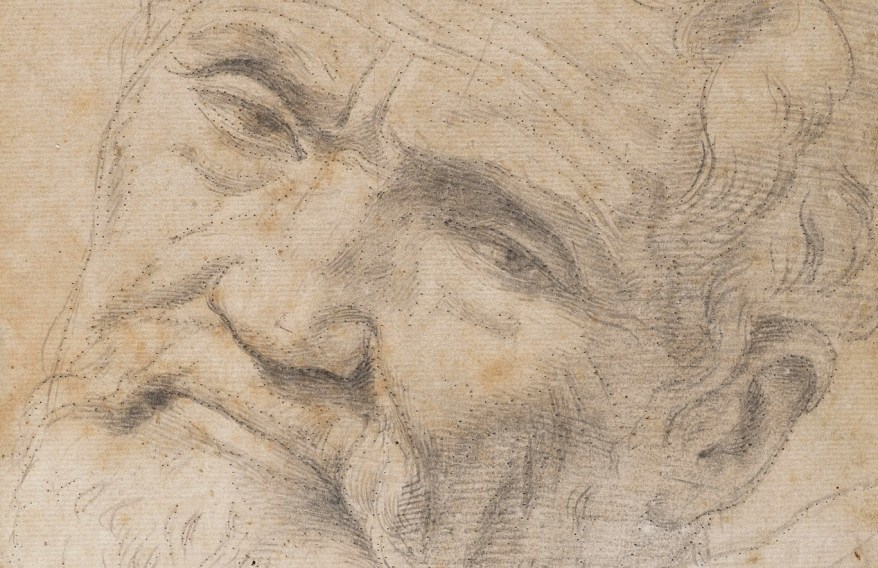
Non chiamatelo Braghettone: il 4 aprile del 1566 muore Daniele da Volterra, l’artista che salvò il Giudizio Universale
🇮🇹Braghettone? No, molto di più. Il 4 aprile 1566 moriva Daniele da Volterra, il mio allievo più fedele, l’uomo che mi rimase accanto fino all’ultimo respiro e che salvò il mio Giudizio Universale dalla distruzione… 🇬🇧Braghettone? No, much more. On April 4, 1566, Daniele da Volterra died, my most faithful student, the man who remained…
-
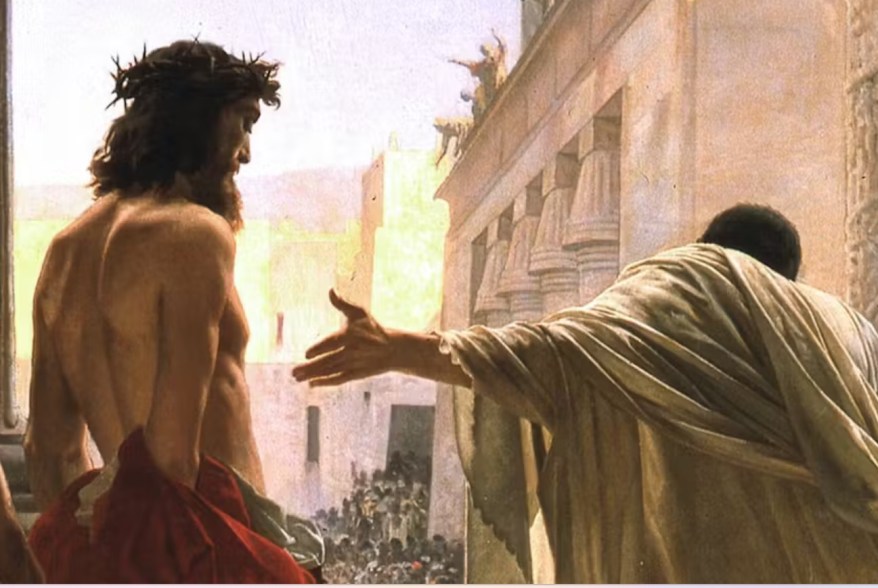
Venerdì Santo: gli “Ecce Homo” più intensi della storia dell’arte
🇮🇹Ecce Homo. Da Antonello da Messina a Tintoretto, fino al sorprendente capolavoro di Antonio Ciseri, questo soggetto ha attraversato i secoli raccontando dolore, umanità e coscienza… 🇬🇧Ecce Homo. From Antonello da Messina to Tintoretto, to Antonio Ciseri’s astonishing masterpiece, this subject has spanned the centuries, recounting pain, humanity, and conscience…
Condividi:


Questo sono io





sostienici

Sostienici – Support Us
Se questo blog ti piace e ti appassiona, puoi aiutarci a farlo crescere sempre più sostenendoci in modo concreto condividendo i post, seguendo le pagine social e con un contributo che ci aiuta ad andare avanti con il nostro lavoro di divulgazione. . ENGLISH: If you like and are passionate about this blog, you can help us make it grow more and more by supporting us in a concrete way by sharing posts, following social pages and with a contribution that helps us to move forward with our dissemination work.
€10,00


1 commento »