

I mecenati perduti che investivano in bellezza
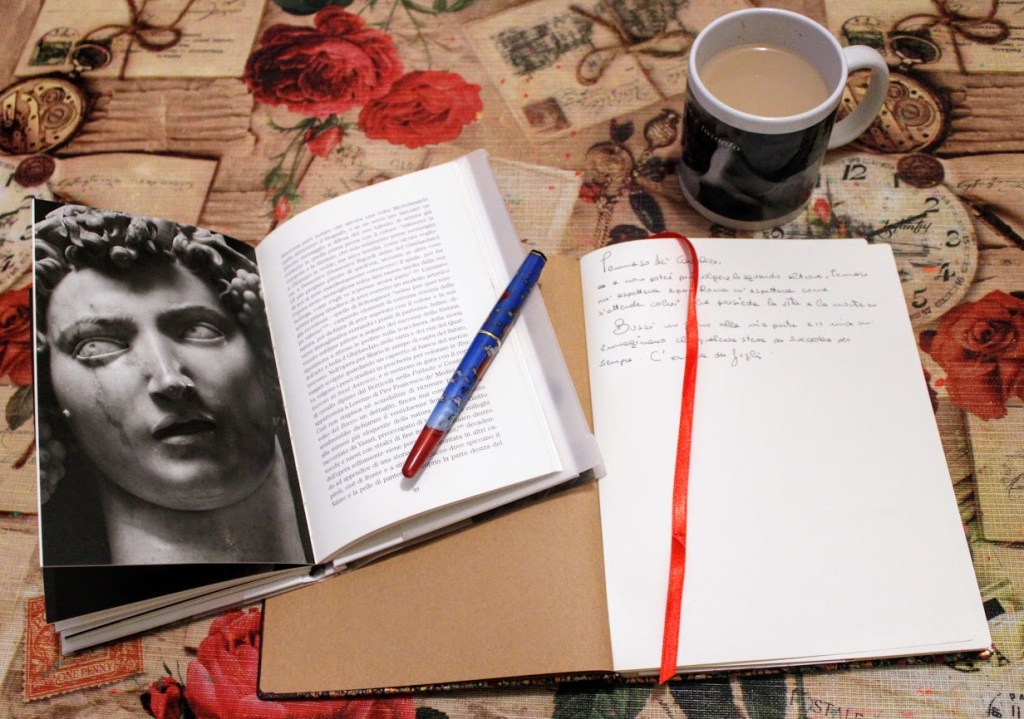
Stamani ho voluto cominciare la giornata rileggendo alcune cose sul Bacco in un libro scritto da Risaliti e Vossilla. Sfogliando le pagine sono andato a ricercare ciò che ho sottolineato qualche anno fa alla prima lettura, e mi sono imbattuto in una considerazione sui mecenati che voglio condividere con voi.
Si sente spesso dire che gli artisti di un tempo non ci sono più ma siamo proprio sicuri sia così? A mio avviso è vero in parte ma dietro c’è una ragione ben precisa che già vi avevo palesato QUA.
I soldi oggi devono portare altri soldi e il guadagno non è tale se non comporta altro guadagno. Non c’è più il gusto del bello, la voglia di investire in grandiose opere pubbliche che possano far parlare del committente a secoli di distanza dalla sua morte.
Si investe in altro modo: azioni, palazzi, imprese. Si mettono da parte l’arte e il bello a scapito di tutti. Pensate un po’ alle superbe fontane romane: opere magnifiche fatte sì per glorificare il committente ma che rendevano più bella la città e fornivano un vero e proprio servizio a tutta la popolazione.

Tagliando corto, in questo libro, ho trovato una considerazione del fiorentino Matteo Palmerini che fa pensare e ve la riporto qua.
“Magnificenza è posta nelle grandi spese dell’opere meravigliose e notabili. Per questo tale virtù non può essere operata se non da ricchi e potenti. Le spese magnifiche vogliono essere grandi e convenienti in dette opere, in modo che l’opera paia mirabile, e meriti la fatta spesa, et ogni cosa sia bene allogata in essa. Per le spese del Magnifico vogliono essere in cose onorifiche e piene di gloria, non private ma pubbliche, come in edifici et ornamenti di templi, teatri, logge.“

Insomma, i grandi investimenti in opere pubbliche fatte dai personaggi più ricchi del tempo, erano qualcosa che rendeva onore a chi le commissionava e tutti ne potevano beneficiare guardandole o, come nel caso di fontane e chiese, usarle in quanto beni pubblici.
Troppe cose son cambiate da allora. Ai posteri, forse ma nemmeno è sicuro, riusciremo a lasciare le bellezze del passato ma della nostra epoca poco più che macerie.
A proposito, se volete sapere a quale libro sto facendo riferimento in questo momento, date un’occhiata QUA. Il sempre vostro Michelangelo Buonarroti e i suoi racconti.
The lost patrons who invested in beauty
This morning I wanted to start the day by re-reading some things about Bacchus in a book written by Risaliti and Vossilla. Leafing through the pages, I went to look for what I pointed out a few years ago at the first reading, and I came across a consideration on the patrons that I want to share with you.
It is often said that the artists of the past are no longer there but are we really sure this is the case? In my opinion it is partly true but behind there is a very specific reason that I had already revealed HERE.
Money today must bring other money and the gain is not such if it does not involve other gains. There is no longer the taste for beauty, the desire to invest in great public works that can make the client talk about centuries after his death.
Investments are made in other ways: shares, buildings, businesses. Art and beauty are put aside to the detriment of everyone. Think a little about the grandiose Roman fountains: magnificent works made to glorify the client but which made the city more beautiful and provided a real service to the entire population.
In short, in this book, I found a consideration by the Florentine Matteo Palmerini that makes you think and I will report it here.
“Magnificence is placed in the great expenses of marvelous and notable works. For this reason this virtue cannot be operated except by the rich and powerful. The magnificent expenses want to be large and convenient in these works, so that the work looks admirable and deserves the expense incurred. The expenses of the Magnificent must be made in honorific and full of glory things, not private but public, as in buildings and ornaments of temples, theaters, lodges. “
In short, the large investments in public works made by the richest personalities of the time were something that honored those who commissioned them and everyone could benefit from them by looking at them or, as in the case of fountains and churches, using them as public goods.
Too many things have changed since then. Perhaps we will be able to leave the beauties of the past to posterity but of our age little more than rubble.
By the way, if you want to know which book I’m referring to right now, take a look HERE. Your always your Michelangelo Buonarroti and his stories.

Sostienici – Support Us
Se questo blog ti piace e ti appassiona, puoi aiutarci a farlo crescere sempre più sostenendoci in modo concreto condividendo i post, seguendo le pagine social e con un contributo che ci aiuta ad andare avanti con il nostro lavoro di divulgazione. . ENGLISH: If you like and are passionate about this blog, you can help us make it grow more and more by supporting us in a concrete way by sharing posts, following social pages and with a contribution that helps us to move forward with our dissemination work.
5,00 €
ULTIMI ARTICOLI
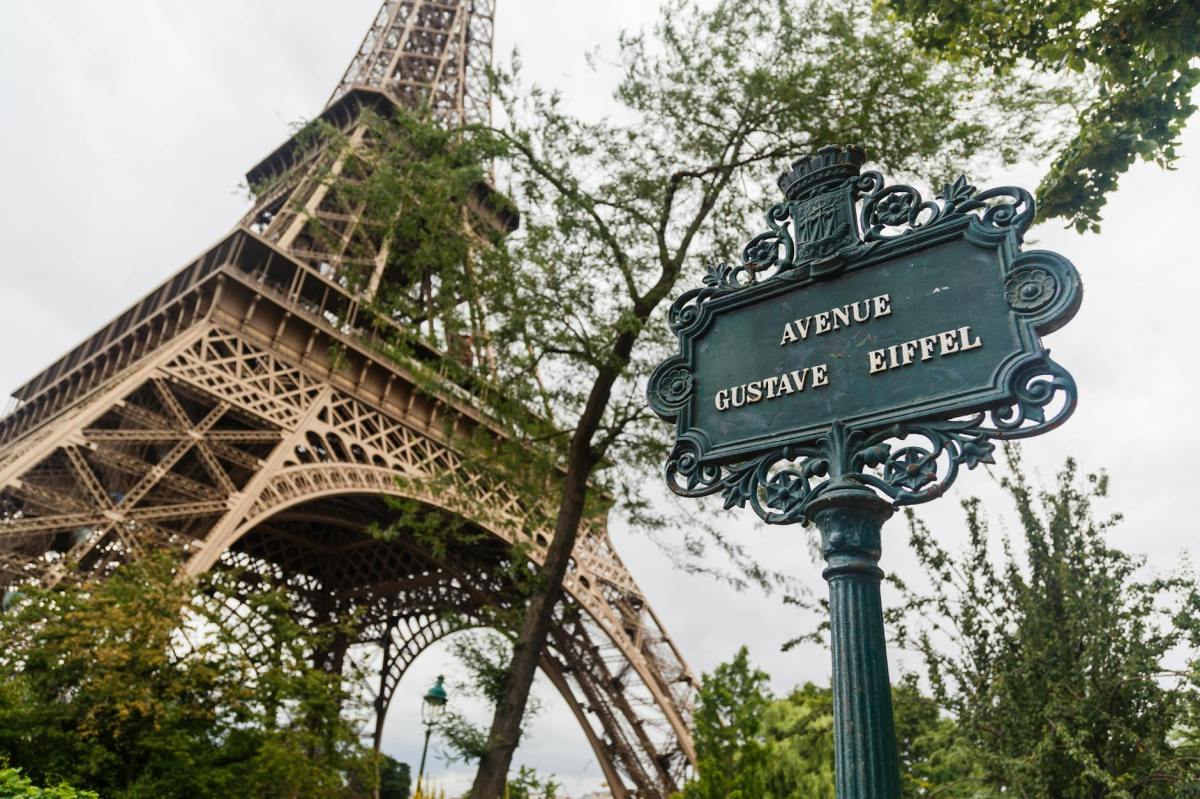
31 marzo 1889: inaugurata la Torre Eiffel tra critiche feroci e un destino inaspettato
🇮🇹Il 31 marzo 1889 segna una data destinata a cambiare per sempre il volto di Parigi e dell’immaginario collettivo globale: viene inaugurata la Torre Eiffel, l’opera più audace e discussa del suo tempo… 🇬🇧March 31, 1889 marks a date destined to change the face of Paris and the global collective imagination forever: the Eiffel Tower,…
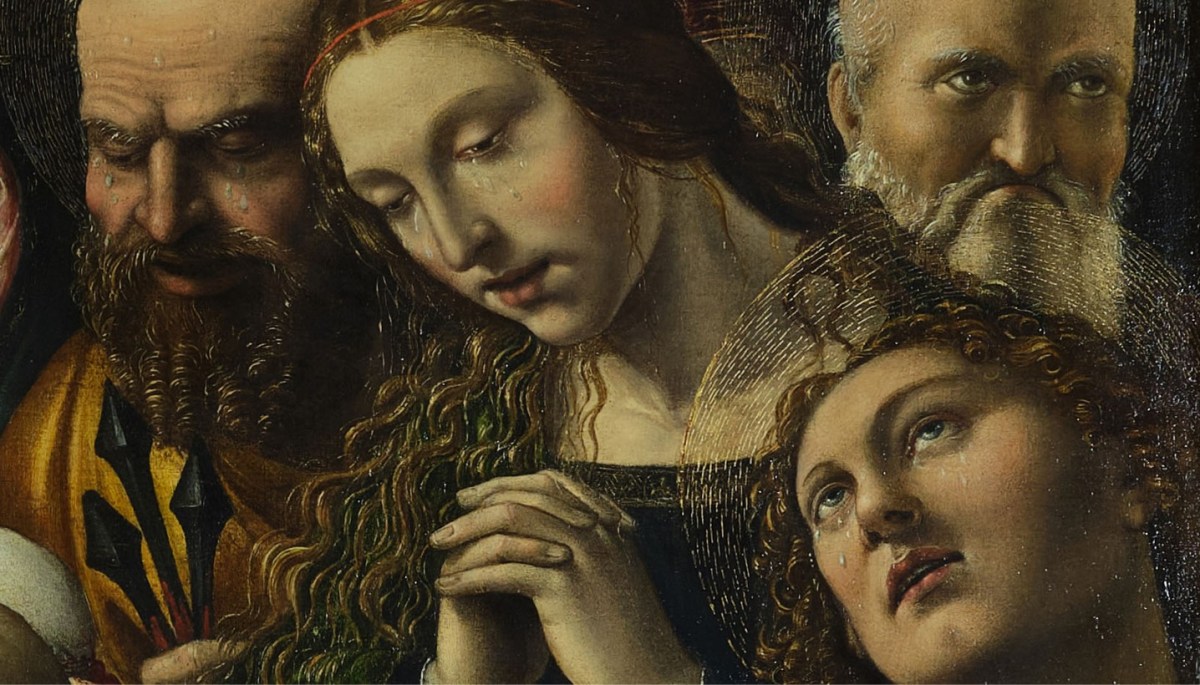
Sodoma in mostra a Torino: il Rinascimento al Museo Accorsi-Ometto
🇮🇹Al Museo di Arti Decorative Accorsi-Ometto arriva una mostra dedicata al Sodoma: oltre 50 opere, alcune mai viste prima, raccontano la formazione dell’artista e il suo dialogo con maestri come Pinturicchio… 🇬🇧An exhibition dedicated to Sodoma arrives at the Accorsi-Ometto Museum of Decorative Arts: over 50 works, some never before seen, recount the artist’s development…
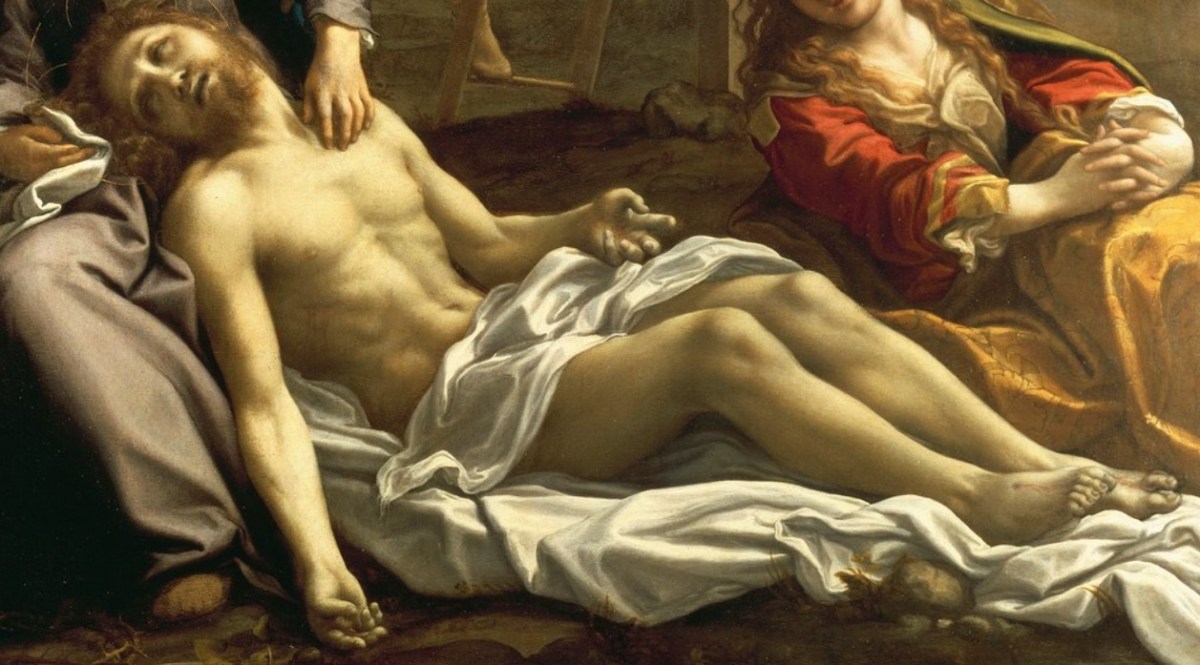
Il Compianto sul Cristo morto di Correggio: pathos e devozione
🇮🇹Con l’inizio della Settimana Santa, vi propongo il Compianto sul Cristo morto di Antonio Allegri, più noto come il Correggio: uno dei vertici assoluti della pittura emiliana del Cinquecento… 🇬🇧With the beginning of Holy Week, I propose the Lamentation over the Dead Christ by Antonio Allegri, better known as Correggio: one of the absolute peaks…
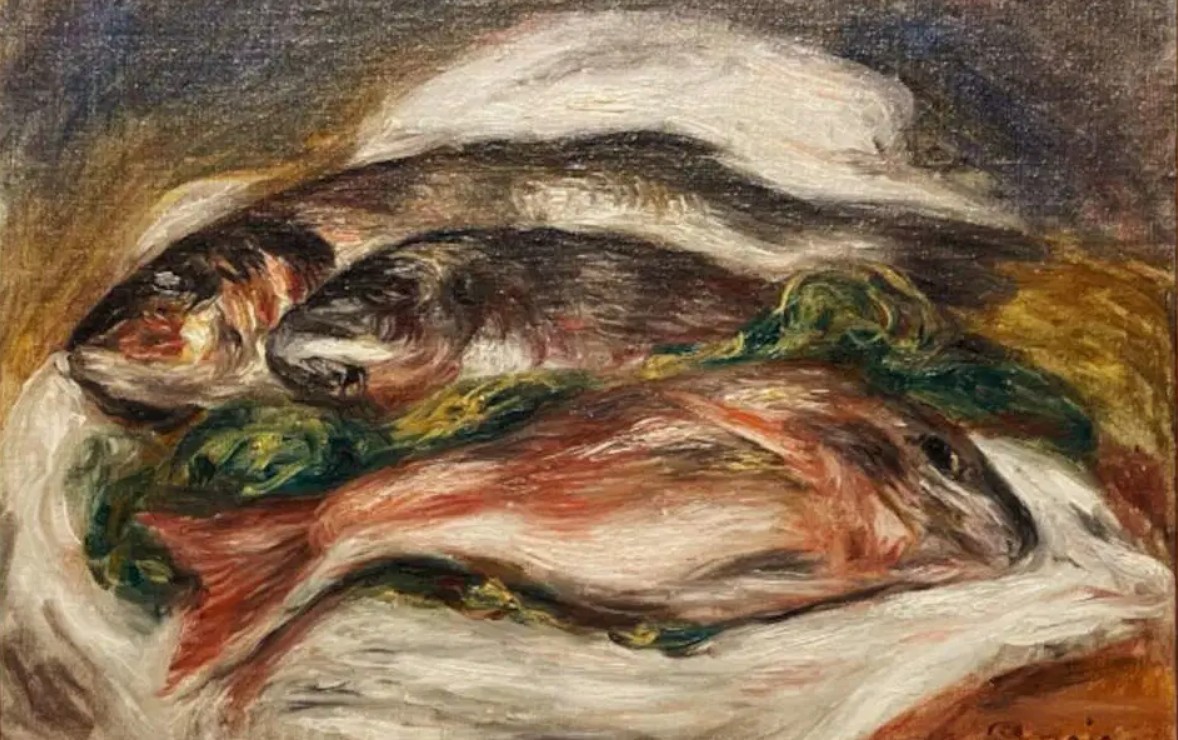
Furto milionario alla Magnani Rocca: rubati Renoir, Cézanne e Matisse
🇮🇹‼Tre capolavori storici spariti in meno di tre minuti: Les Poissons di Renoir, Tasse et plat de cerises di Cézanne e Odalisque sur la terrasse di Matisse sono stati rubati nella dalla Fondazione Magnani Rocca a Mamiano di Traversetolo, nel Parmense… 🇬🇧‼Three historic masterpieces disappeared in less than three minutes: Renoir’s Les Poissons, Cézanne’s Tasse…
Si è verificato un problema. Aggiorna la pagina e/o riprova in seguito.
Condividi:


Questo sono io





sostienici

Sostienici – Support Us
Se questo blog ti piace e ti appassiona, puoi aiutarci a farlo crescere sempre più sostenendoci in modo concreto condividendo i post, seguendo le pagine social e con un contributo che ci aiuta ad andare avanti con il nostro lavoro di divulgazione. . ENGLISH: If you like and are passionate about this blog, you can help us make it grow more and more by supporting us in a concrete way by sharing posts, following social pages and with a contribution that helps us to move forward with our dissemination work.
€10,00


